

Painted Display Bookcases
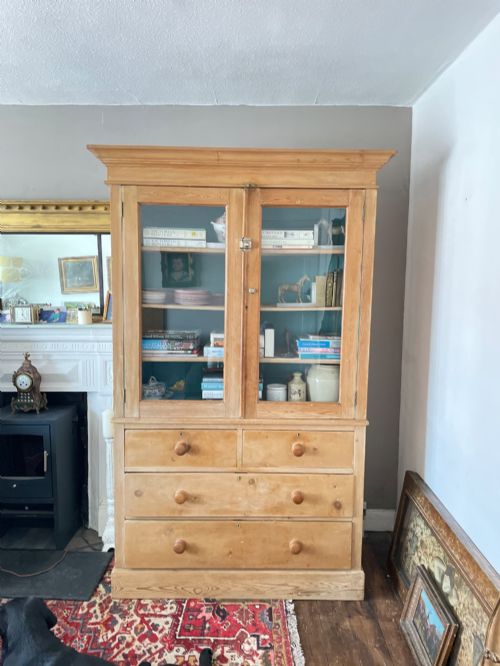
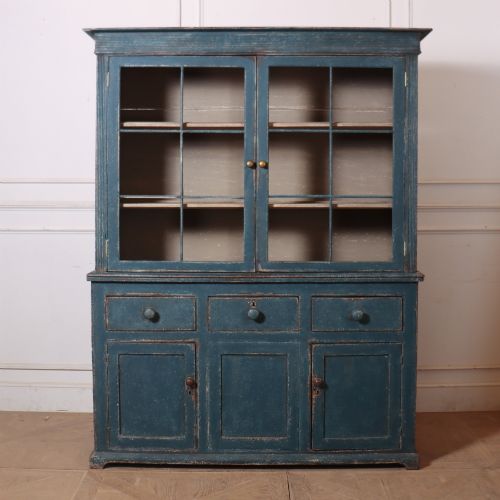
These painted display bookcases combine visible shelving with glazed or open storage, offering a practical way to house books while introducing colour and decorative surface work to a room.
Painted Display Bookcases
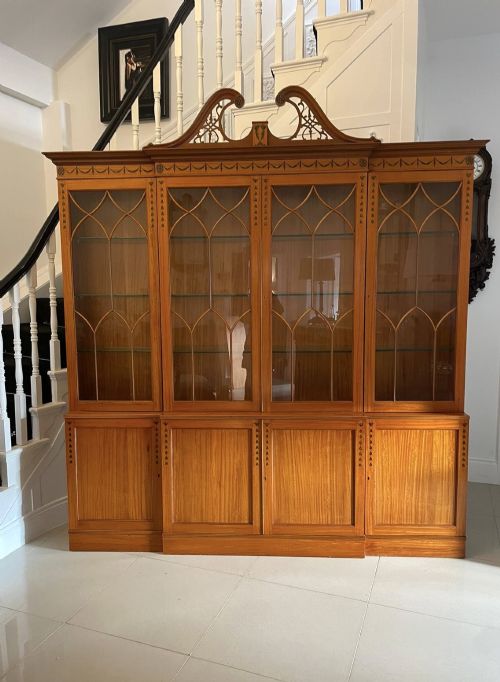
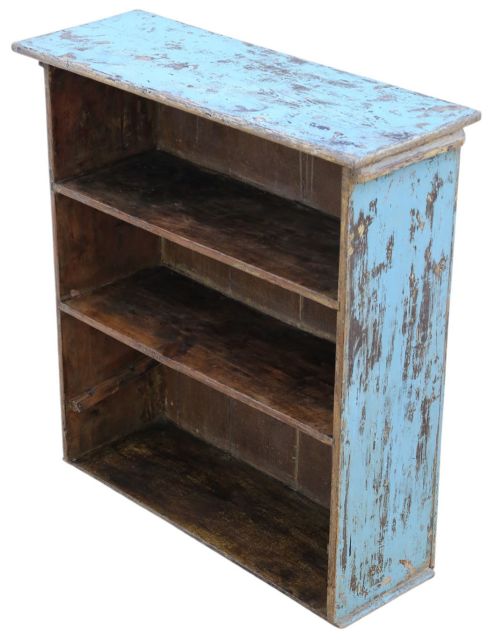
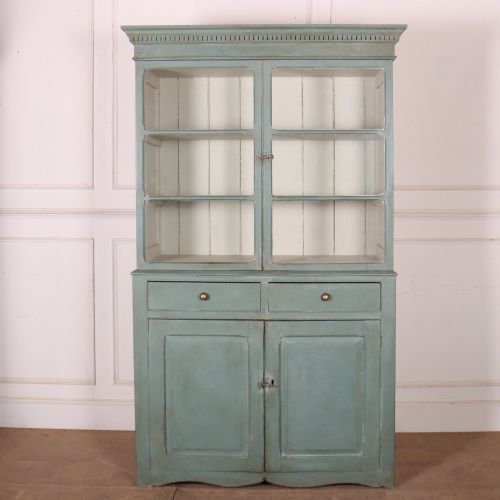
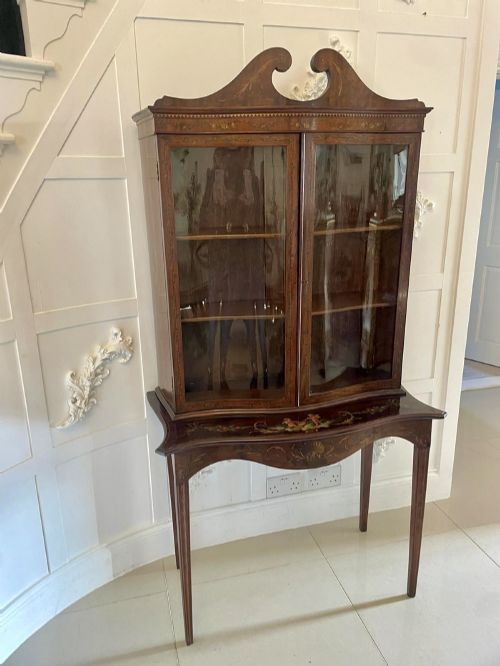
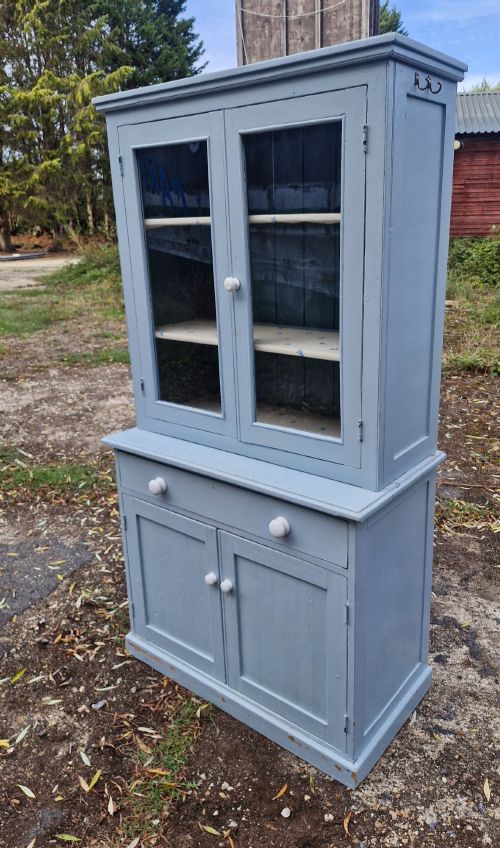
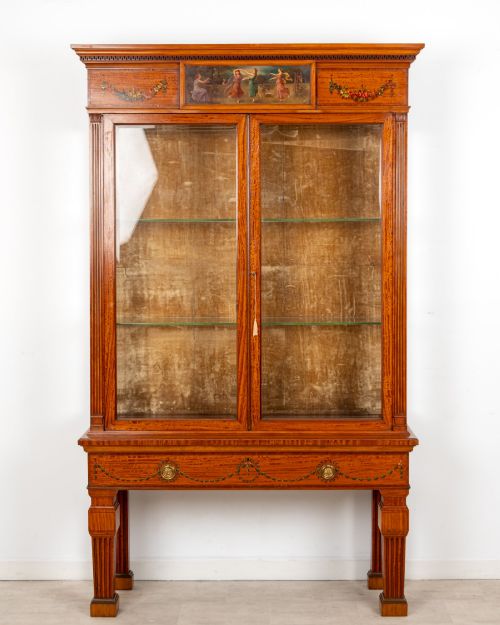
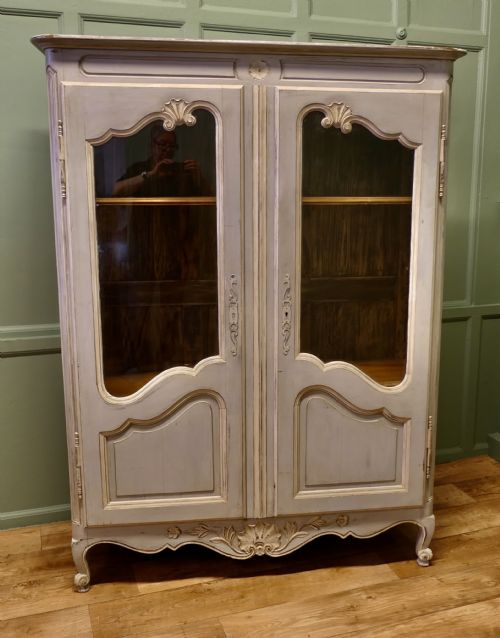
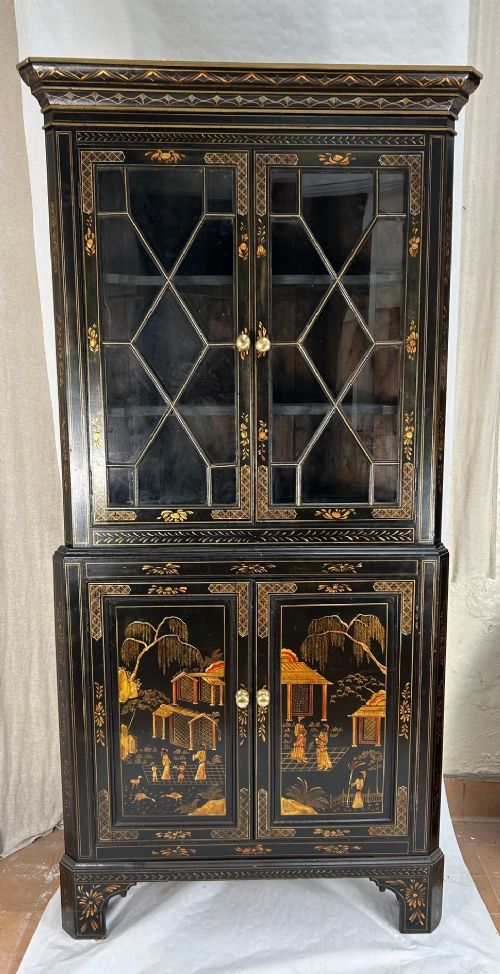
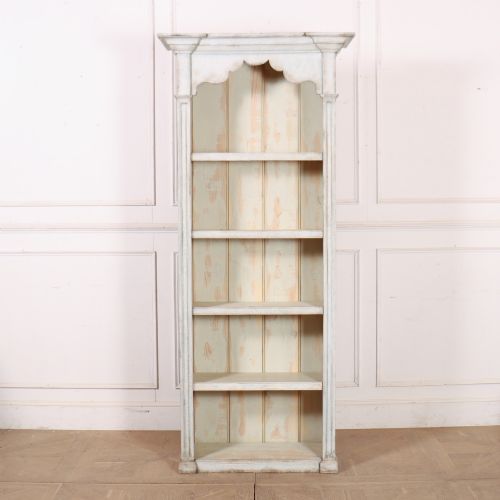
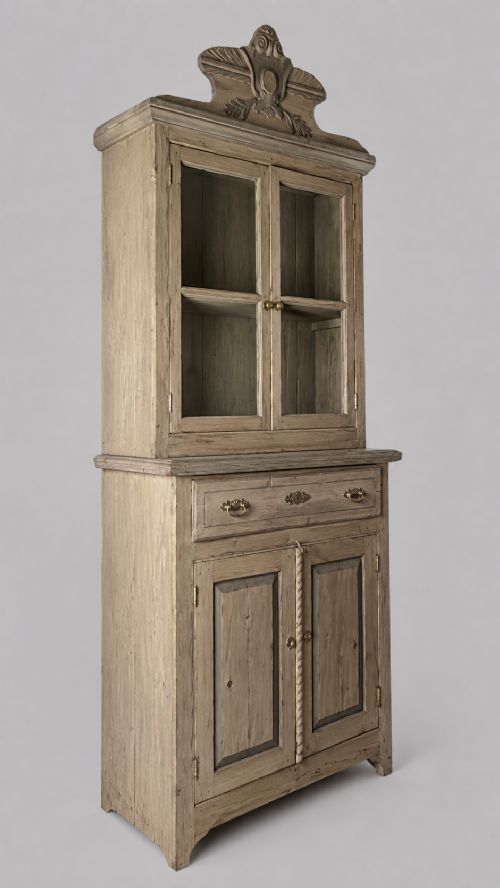
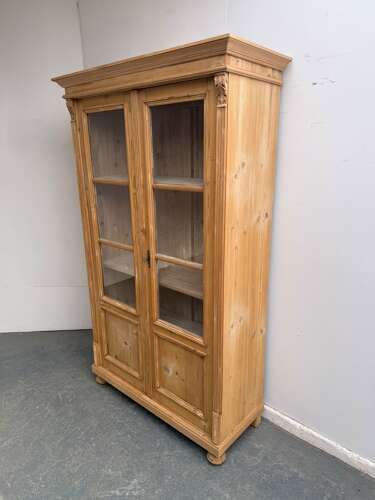
When searching for painted display bookcases, buyers encounter a diverse mix of formats ranging from upright glazed cabinets and vitrines to kitchen dressers, corner cupboards, and open shelving units. The selection on this page leans heavily toward nineteenth-century pine, mahogany, and satinwood examples alongside twentieth-century iterations.
Many items bridge the gap between utilitarian storage and formal display, utilising glass doors or open shelves to exhibit books and objects. Origins span English country workshops to French provincial makers, alongside specific regional pieces such as West Country kitchen dressers.
How they were made
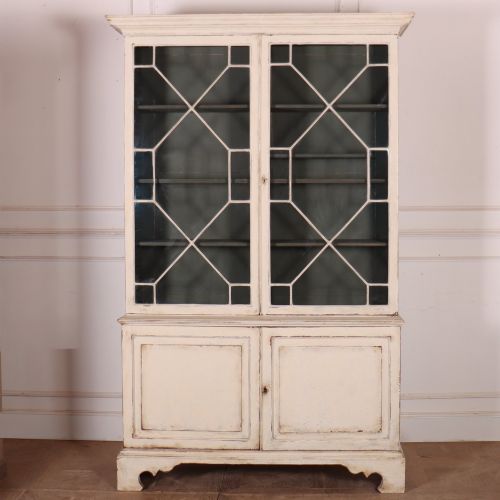
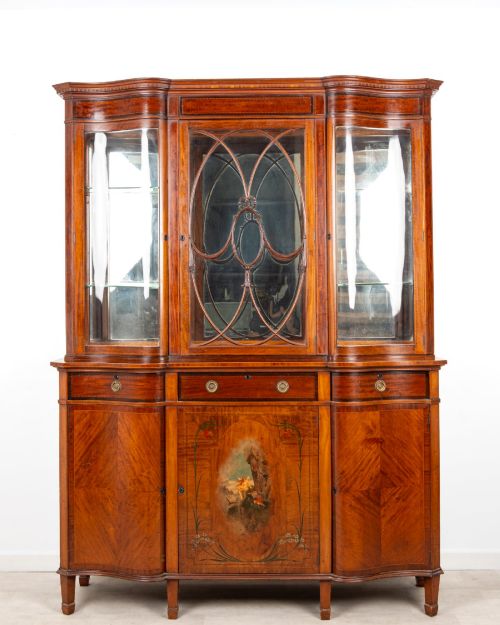
Construction relies primarily on traditional timber carcases built from pine, mahogany, satinwood, and kingwood, often enhanced with applied brass mounts, ormolu, and delicate hand-painted decoration. Glazing is common, featuring astragal bars that divide the glass panels within doors designed to protect contents while maintaining visibility.
Surfaces receive various treatments including original painted schemes, lacquered finishes, and distressed coatings, while internal elements frequently incorporate adjustable shelving and painted interiors to complement the exterior design.
Current listings feature pieces spanning the eighteenth century through the nineteen-thirties, constructed from pine, mahogany, satinwood, and glass.
What varies in quality
Quality rests significantly on the retention of original painted decoration and the crispness of timber joinery, distinguishing factory-produced items from bespoke cabinet work. Finer examples display balanced proportions, such as breakfront facades or serpentine fronts, paired with high-grade secondary woods and refined glazing bars.
The sophistication of the surface finish dictates much of the distinction at the upper end, where hand-applied lacquer, Vernis Martin work, or detailed floral motifs elevate standard storage furniture into decorative art.
Hampton & Sons·Jewell of Holborn
The Painted Display Bookcases Glossary
- Astragal glazed
- Glass doors divided into smaller panes by narrow wooden mouldings called astragals. This technique provides structural support while adding architectural detail to the front of the bookcase.
- Breakfront
- A piece of furniture where the central section projects forward from the flanking sections. This configuration creates visual depth and is frequently seen on larger nineteenth-century cabinets.
- Vitrine
- A glass-sided display cabinet designed primarily for the exhibition of porcelain, curiosities, or fine books. The term originates from the French word for glass.
- Satinwood
- A pale, hard timber with a natural sheen, popular in fine cabinet making during the eighteenth and nineteenth centuries. It often serves as a smooth canvas for painted decoration.
- Vernis Martin
- A type of decorative lacquer finish developed in eighteenth-century France mimicking Asian lacquerware. It involves multiple layers of varnish applied to wood surfaces.
- Serpentine front
- A furniture front characterised by a wavy contour, curving convexly in the centre and concavely at the sides. This shape requires advanced woodworking skill to execute properly.
Painted Display Bookcases: Frequently Asked Questions
What rooms suit painted display bookcases best?
These cabinets work well in living rooms, studies, and dining spaces where books require dust-free storage alongside decorative display.
The painted surfaces help integrate large storage items into domestic colour schemes without overwhelming smaller interior spaces.
How do I distinguish between original and later paint?
Original paint finishes typically show consistent wear patterns, craquelure, and integration with the underlying timber age.
Later overpainting often obscures structural joins or sits heavily in crevices where natural accumulation would not occur.
Are shelves in these bookcases adjustable?
Many nineteenth and twentieth-century examples incorporate adjustable shelving systems using wooden notches, metal pins, or ratchets.
Fixed shelves remain common in earlier vernacular pieces and traditional kitchen dressers.
Can these cabinets support heavy volumes?
Solid timber carcases in pine or mahogany provide sturdy support for standard collections of books and display objects.
Heavier folio volumes require careful consideration of shelf span and thickness, particularly in antique open shelving units.