

Painted Ceramic Urns
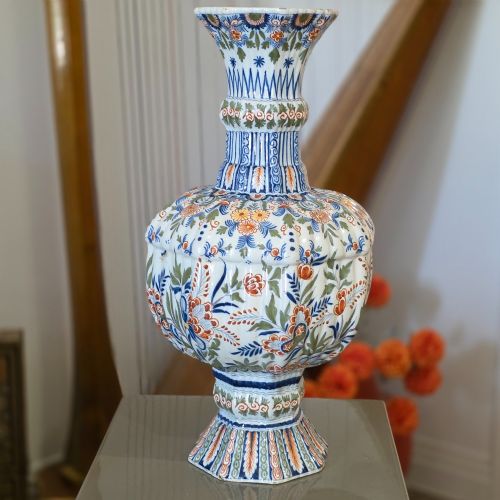
These painted ceramic urns bring traditional craft and floral design into a room, spanning periods from the eighteenth century to the early twentieth.
Painted Ceramic Urns
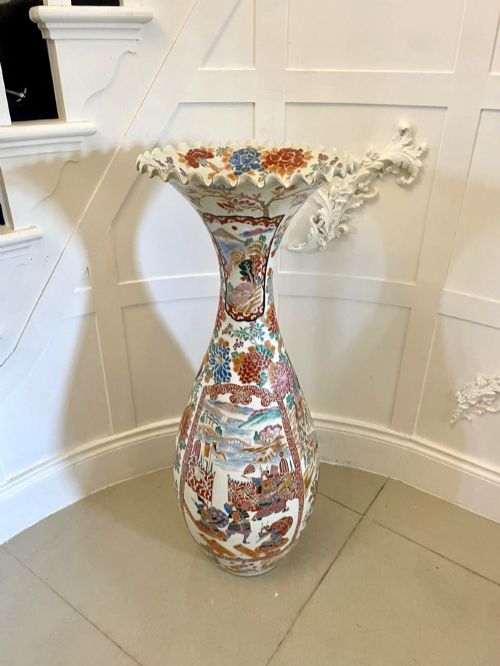
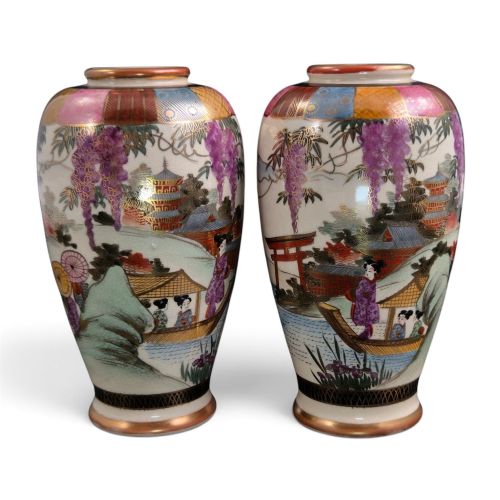
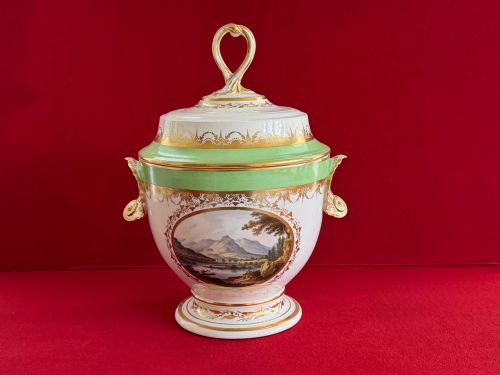
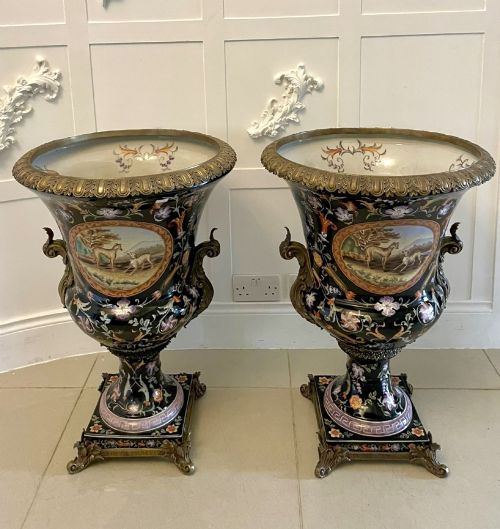
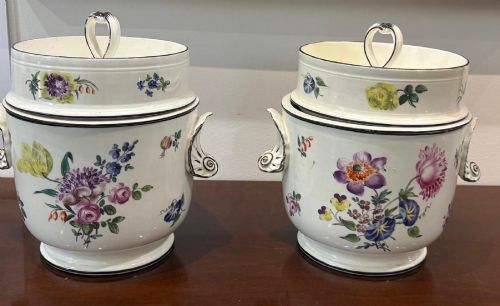
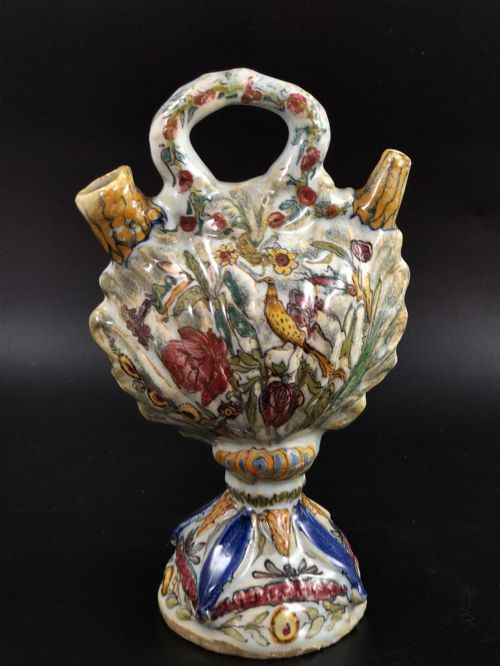
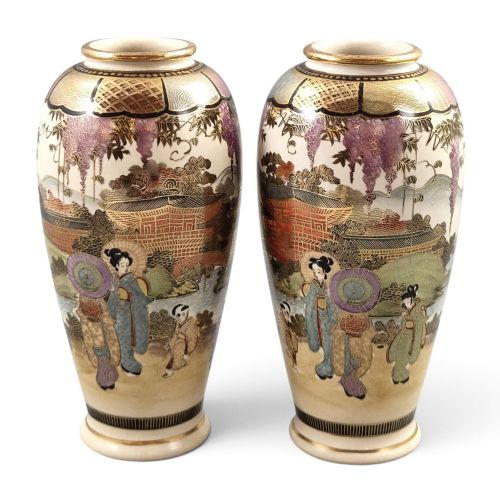
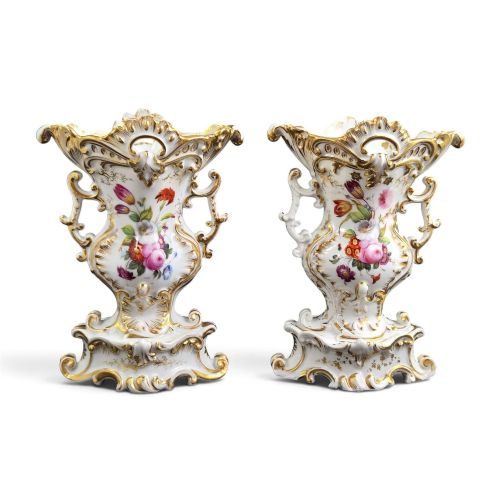
When you search for painted ceramic urns, you encounter a variety of decorative forms ranging from nineteenth-century French jardinieres and English ice pails to Japanese Satsuma and Imari vases. The selection includes works produced across European and Asian traditions, often taking the shape of lidded pots, floor standing vases, and table lamps.
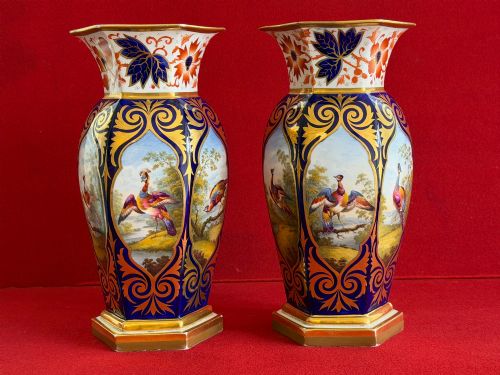
The pieces on this page heavily feature nineteenth-century manufacturing, alongside examples from the Georgian, Regency, and Edwardian periods. Makers from Worcester, Paris, and regional potteries utilised traditional moulding and throwing techniques to create these decorative vessels.
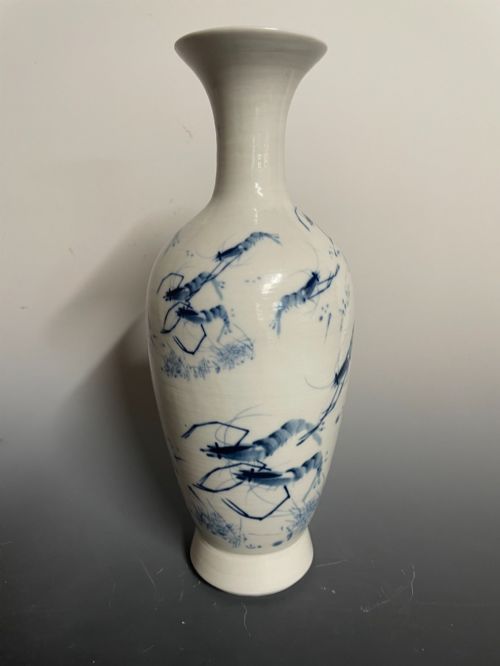
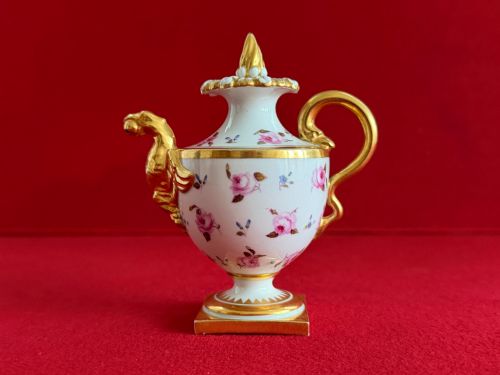
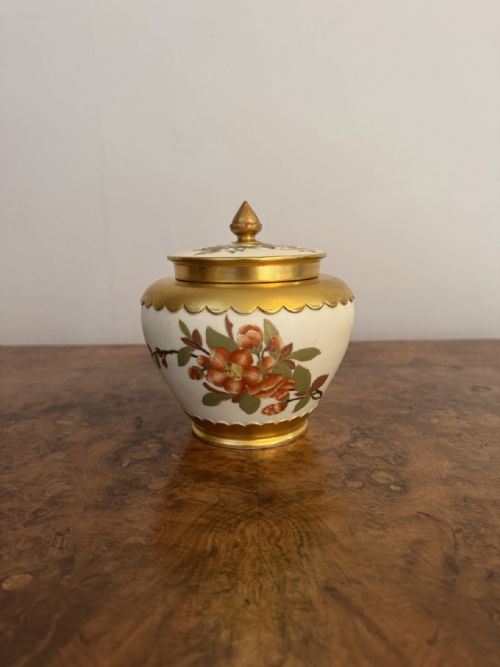
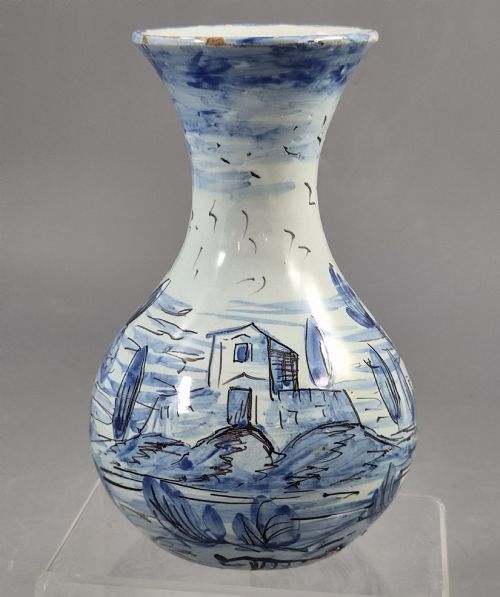
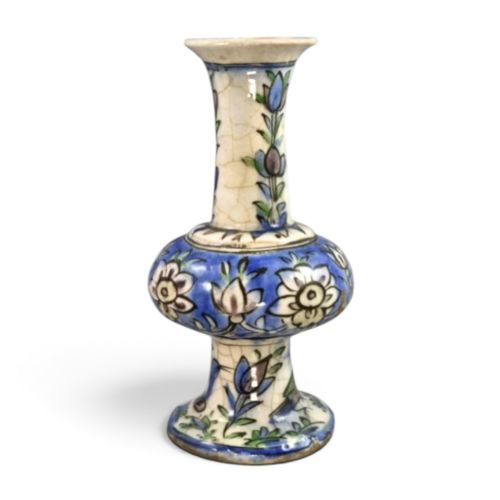
Many of these items display hand-painted floral motifs, landscape scenes, and figural decoration set against glazed ceramic or porcelain bodies. Buyers frequently select these vessels to anchor a mantelpiece or to serve as focal points within traditional interiors.
How they were made
Potters shaped porcelain, earthenware, and ceramic bodies by hand or in moulds before applying lead or tin glazes. Artisans then hand-painted intricate patterns using mineral pigments across the surface.
Gilding and gold leaf were frequently applied to highlight handles, rims, and panels. Subsequent kiln firings permanently set the colours and the metallic lustre into the glaze.
A seventeenth-century Japanese vase found a second life as a table lamp.
What varies in quality
The precision and detail of the hand-painted decoration set individual pieces apart. Finer examples display subtle shading in floral motifs and precise brushwork on figural scenes, whereas standard pieces rely on simpler repetitive patterns.
The weight of the ceramic body and the uniformity of the glaze indicate the care taken during production. Well-preserved gilding and intact original mounts also contribute to the integrity of the piece.
Flight Barr And Barr·Maruni Kobe·Shozan·Jacob Petit·Royal Worcester·Cantagalli·Fourmaintraux Courquin·Sitzendorf·Chamberlain Worcester·Barr Flight And Barr·Samson Paris
The Painted Ceramic Urns Glossary
- Imari
- A style of Japanese porcelain decorated in underglaze blue and overglaze red, gold, and green. This tradition originated in the Edo period and heavily influenced European makers.
- Majolica
- A type of earthenware coated with a tin-glaze and painted with coloured metal oxides. This technique produces vibrant polychrome surfaces.
- Creamware
- A refined light-coloured earthenware developed in eighteenth-century England. It is covered in a transparent lead glaze that creates a warm, buttery tone.
- Garniture
- A set of matching vases or decorative pots designed to be displayed together on a mantelpiece or cabinet. These sets usually comprise three or more graduated pieces.
Painted Ceramic Urns: Frequently Asked Questions
How are these urns dated?
Makers' marks, backstamps, and painted signatures help establish the production era. Stylistic indicators such as Rococo Revival moulding or Meiji period motifs also point to specific decades.
Comparison with documented factory output from Worcester, Sèvres, or Japanese kilns further refines the timeline.
Were these urns used practically?
Many forms served specific domestic functions before becoming purely decorative objects. Ice pails held ice for dining, while jardinieres and rose water sprinklers tended to plants and fragrance.
Over time, owners repurposed many jars and vases simply to display floral arrangements or as standalone ornaments.
How should I clean painted ceramic urns?
Dusting gently with a soft, dry cloth preserves the fragile hand-painted surfaces and delicate gilding. Avoid using chemical cleaners or abrasive materials that can strip the glaze.
Water should be kept away from pieces with repaired sections or exposed earthenware bodies to prevent moisture damage.