

Painted Accent Chairs
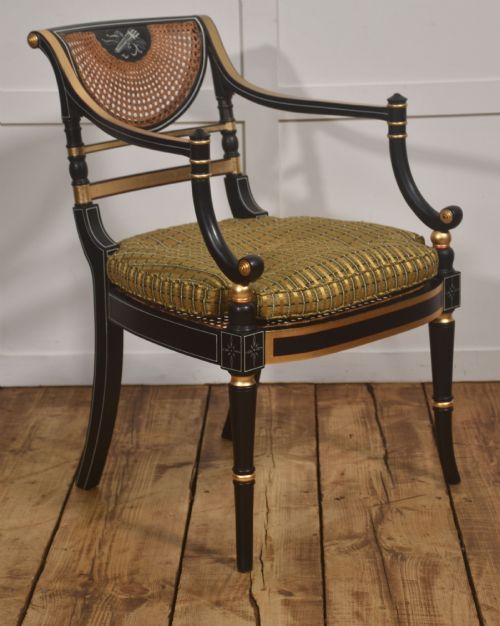
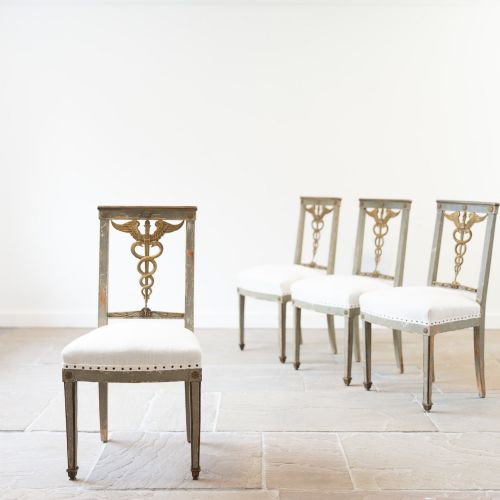
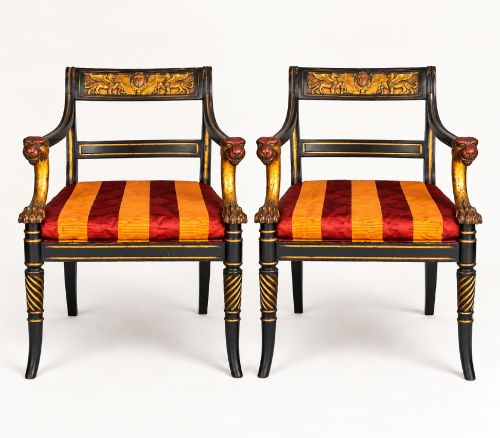
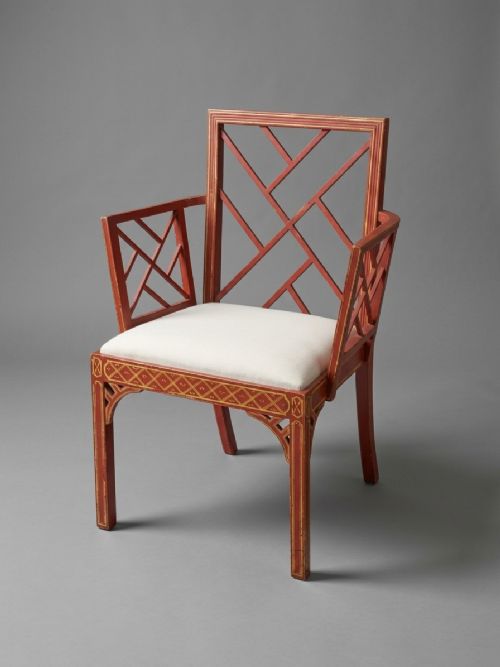
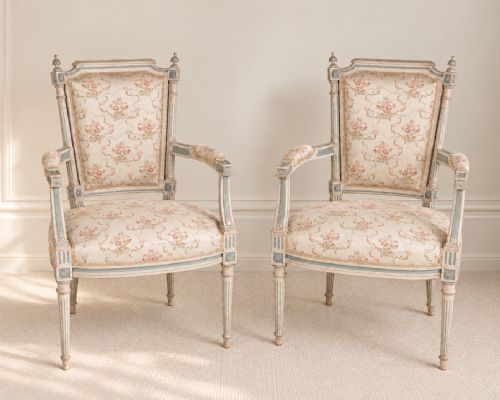
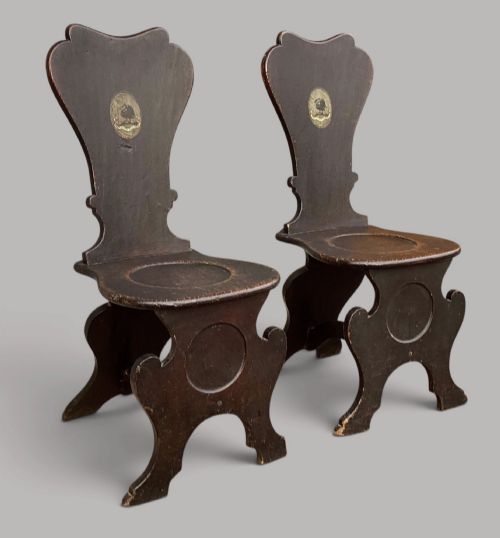
Painted accent chairs bring character and colour to a room, offering distinct forms ranging from French armchairs to English hall chairs.
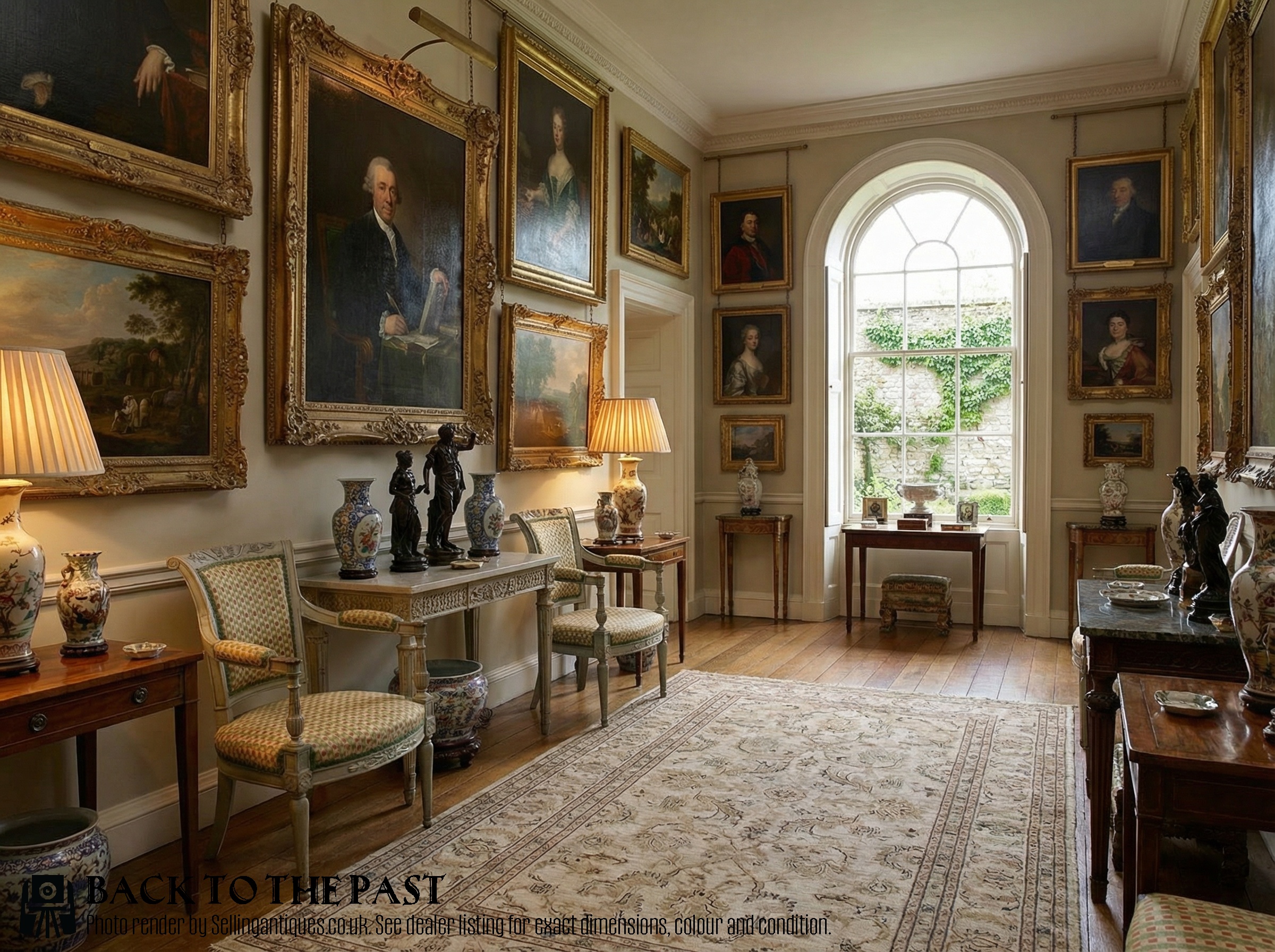
Painted Accent Chairs
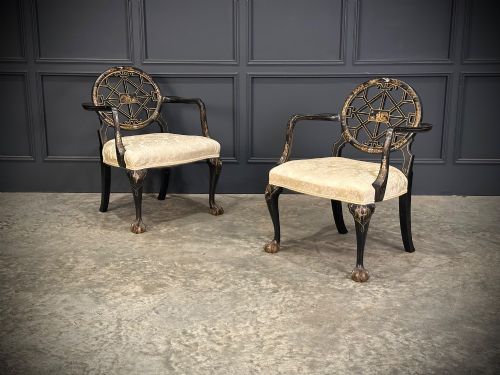
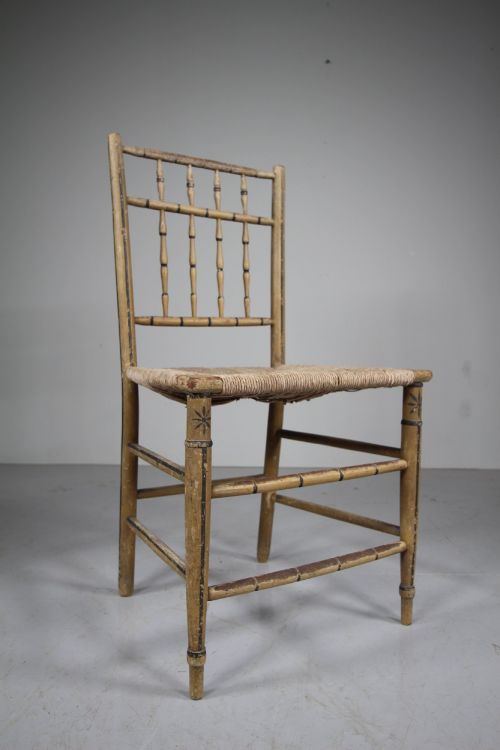
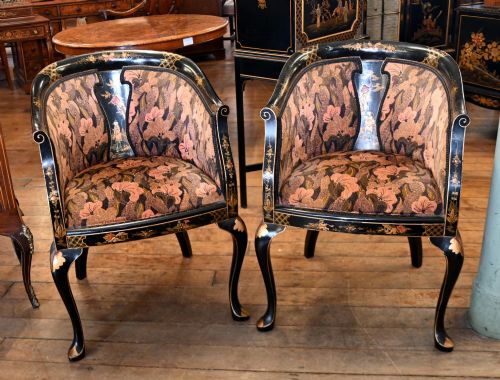
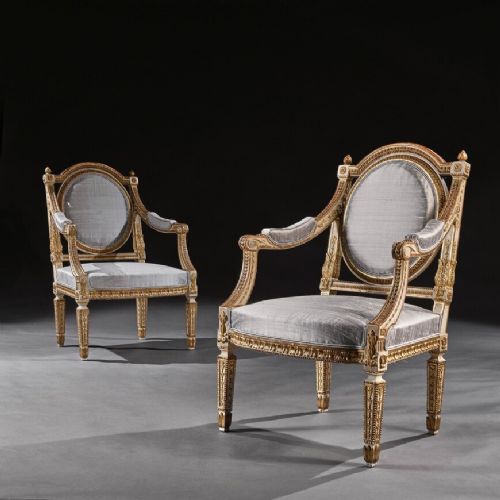
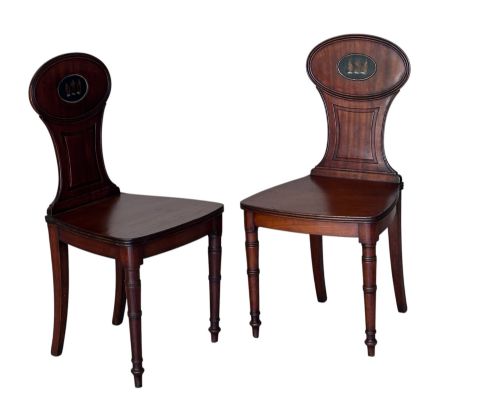
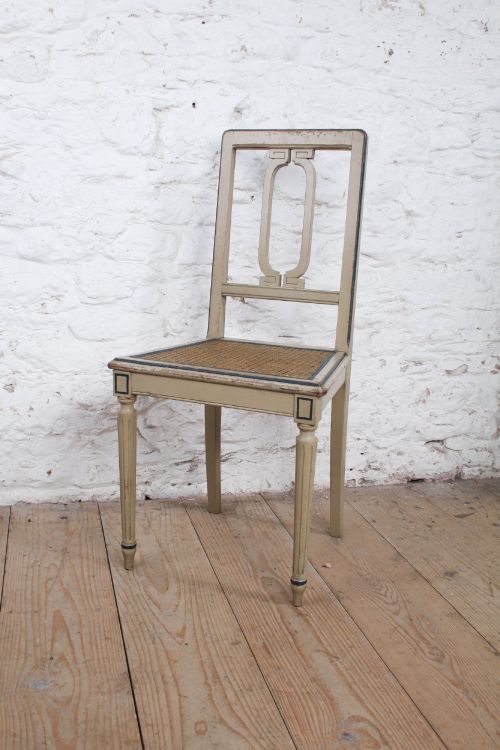
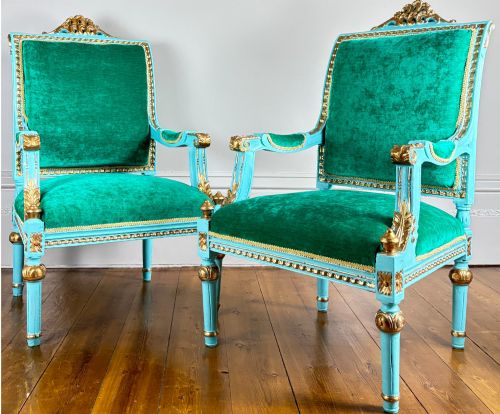
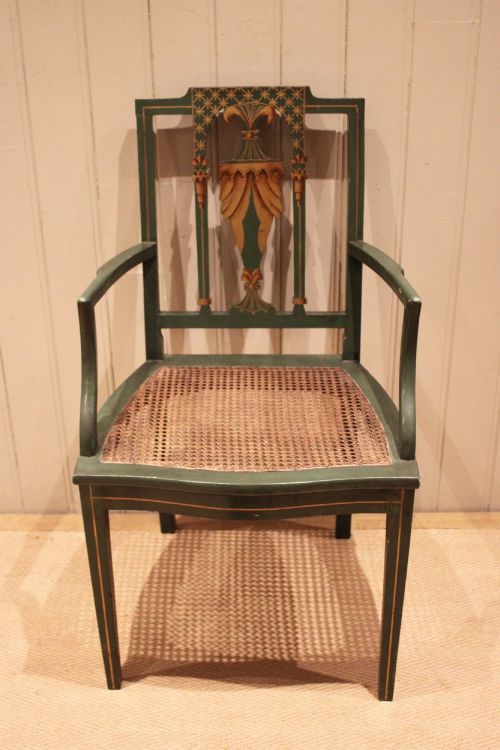
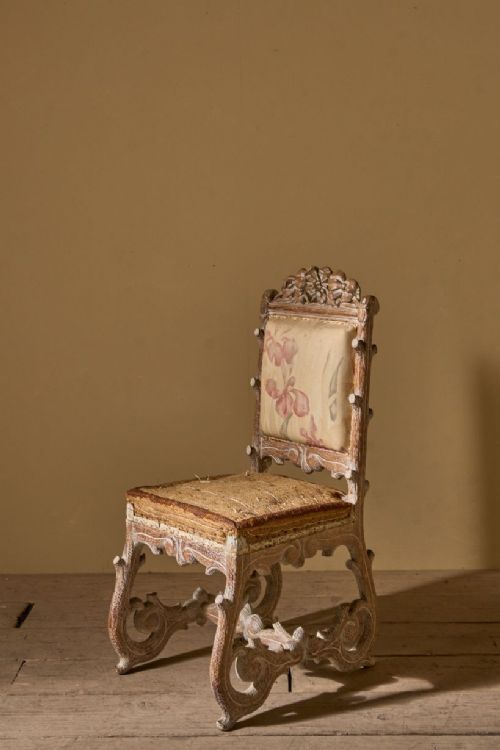
When searching for painted accent chairs, buyers examine a diverse selection of seating forms spanning the eighteenth century through to the early twentieth century. These pieces encompass armchairs, side chairs, hall chairs, salon chairs, and rocking chairs designed to catch the eye in domestic interiors.
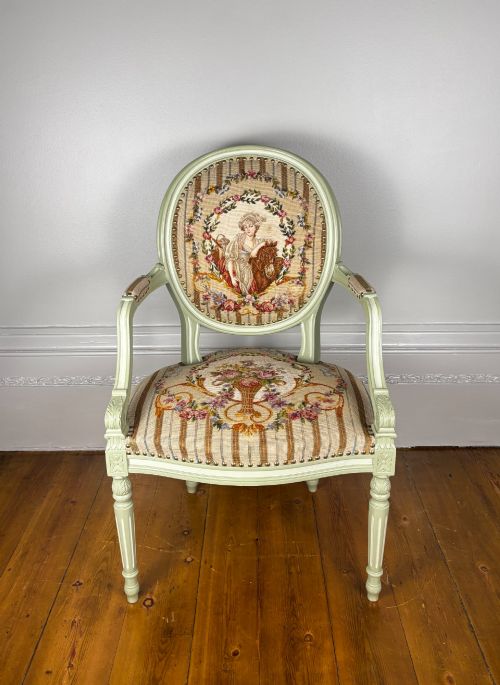
The versions most commonly met on this page include French armchairs and bergères alongside English styles such as George III and Regency designs. Makers from various European regions applied decorative paint finishes to wood frames, creating individual seating options with distinct historical character.
Materials and construction methods
Craftsmen built these frames from woods such as beech, oak, walnut, satinwood, and bamboo, frequently applying decorative paint and parcel gilt finishes directly onto the timber. Many pieces incorporate cane seating panels or traditional upholstery utilising textile, velvet, and tapestry.
Construction techniques follow historical cabinetmaking traditions, ranging from carved structural elements in revival styles to bentwood production and wrought iron fabrication. Original paint surfaces and applied surface decoration remain key physical characteristics of these items.
Painted Accent Chairs Retail Price Guide 2026
Typical asking prices for painted accent chairs among the pieces listed under this phrase on Sellingantiques today, from the lower quarter to the upper quarter. They describe what is for sale here now, not the wider market.
Listings feature wood, paint, fabric, beech, and cane across eighteenth, nineteenth, and twentieth-century periods.
Distinctions in quality
The standard of a piece rests heavily upon the preservation of its original painted surface or historical decorative scheme rather than later repainting. Refined hand-carved detailing on wooden frames elevates certain examples above simpler vernacular forms.
Structural integrity of the timber frame, alongside the quality of surviving upholstery materials such as original tapestry or cane work, distinguishes higher grade items. Provenance and adherence to specific design idioms like Neoclassical or Louis XV styles also influence the standing of each chair.
Heals
The Painted Accent Chairs Glossary
- Parcel gilt
- A surface decoration technique where specific carved details or mouldings receive a thin application of gold leaf over paint. It highlights structural lines on frames.
- Sgabello
- A type of Renaissance-style hall chair featuring solid side supports instead of traditional legs. These decorative seats often display carved or painted ornamentation.
- Fauteuil
- An open-arm upholstered armchair originating in France, characterised by exposed wooden arms and padded elbow rests. The frame typically exhibits carved decorative motifs.
- Faux bois
- A decorative painting technique that imitates the appearance of natural wood grain on a prepared surface. Artisans utilised this method to simulate costlier timbers.
Painted Accent Chairs: Frequently Asked Questions
What defines a painted accent chair?
These pieces are decorative seating options featuring painted wooden frames, encompassing varied forms like armchairs, side chairs, and hall chairs designed to stand out in a room.
They draw on historical styles spanning the eighteenth, nineteenth, and early twentieth centuries, incorporating materials like beech, satinwood, and applied textile upholstery.
How do I identify French versus English styles?
French examples frequently display stylistic traits from Louis periods, featuring carved medallion backs, exposed wooden frames, and cabriole legs with painted finishes.
English variants from George III or Regency periods tend to showcase shield backs, satinwood decoration, or classical architectural proportions influenced by specific cabinetmaking traditions.
Where were these chairs used historically?
Such seating served functional and decorative roles in formal salons, withdrawing rooms, and grand hallways of period residences.
Lighter forms like side chairs and salon chairs allowed for easy rearrangement during gatherings, while larger armchairs provided permanent seating in domestic interiors.
How should I care for original paint surfaces?
Preserving original paint requires avoiding harsh chemical cleaners and maintaining stable indoor humidity levels to prevent timber movement and flaking.
Dusting gently with a soft, dry cloth helps protect delicate surface decorations and parcel gilt details over time.