



Antique Chinoiserie Seating
Antique chinoiserie seating brings orientalist painted wood, bamboo, and ceramic garden seats into an interior.
Antique Chinoiserie Seating
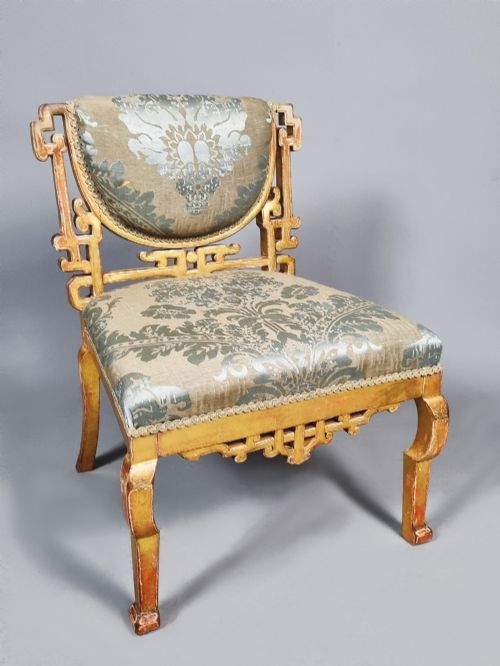
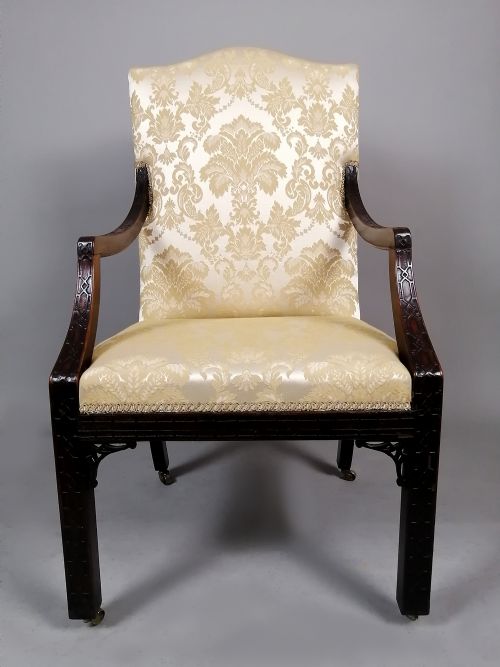
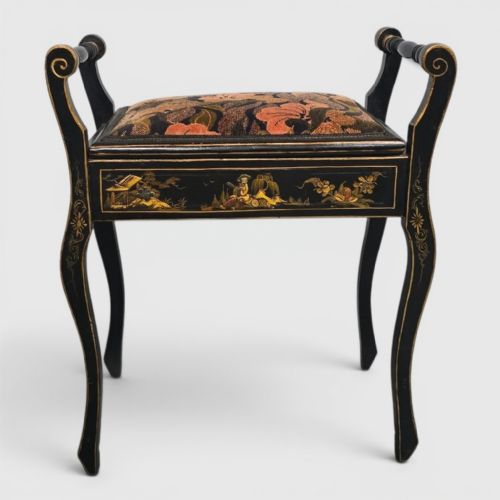
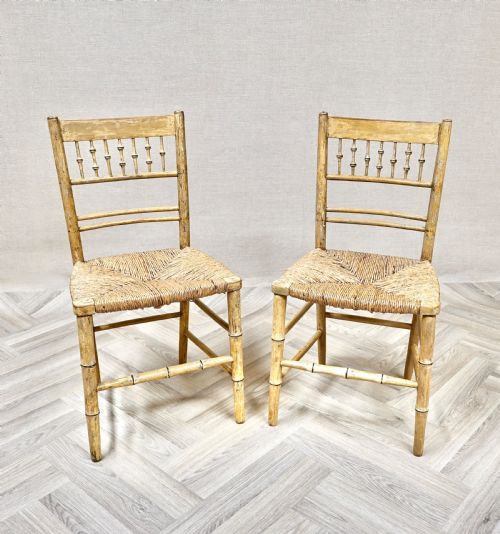
When searching for antique chinoiserie seating, buyers encounter a diverse selection of chairs, armchairs, piano stools, footstools, and garden seats spanning the eighteenth to the twentieth centuries. The offerings range from George II and George III mahogany library and dining chairs to Regency painted bamboo frames and Victorian lacquered or cane-seated pieces.
The most common forms on this page include side chairs, armchairs, and garden seats, drawing upon styles such as Chinese Chippendale, Regency chinoiserie, and Edwardian black lacquered finishes. Makers and periods span from the mid-eighteenth century through the Edwardian era and up to the nineteen-thirties.
These items fulfill both decorative and functional roles in domestic spaces, combining Western furniture forms with Eastern decorative motifs. Buyers select them to introduce patterned lacquer, painted scenes, or simulated bamboo into a room.
How they were made
Makers utilised traditional hardwoods such as mahogany, satinwood, and other hardwoods for structural frames, alongside cane, rush, and fabric for seating inserts. Carved woodwork and turned components frequently emulate the appearance of natural bamboo.
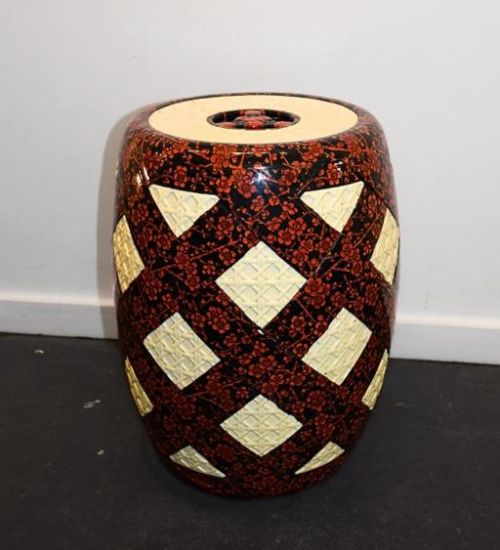
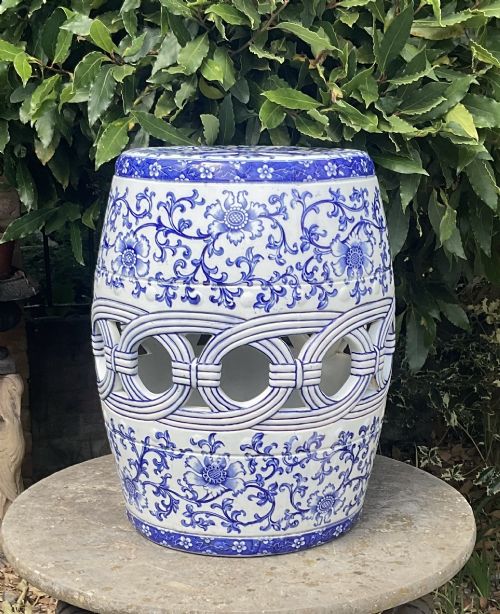
Surface decoration relies heavily on paint, giltwood, black and coloured lacquer, and ceramic glazing. Garden seats demonstrate ceramic manufacturing through creamware, ironstone, and pottery bodies decorated with blue and white or polychrome glazes.
Listings feature materials including cane, wood, paint, hardwood, lacquer, mahogany, fabric, and ceramic across multiple centuries.
What varies in quality
The degree of hand-carving and the sophistication of the painted or lacquered decoration dictate the distinction between standard and superior examples. Refined execution in the chinoiserie motifs and the integrity of original painted surfaces elevate individual pieces.
The choice of primary timber, such as solid mahogany or satinwood versus secondary woods, along with the retention of original canework, rush, or upholstery, marks the upper tier of production.
Waugh & Son·Thomas Chippendale·Minton·Meissen
The Antique Chinoiserie Seating Glossary
- Chinoiserie
- European decorative art style reflecting Chinese artistic influences. It appears across furniture frames and ceramic garden seats.
- Chinese Chippendale
- Eighteenth-century furniture style incorporating fretwork, pagodas, and lattice patterns inspired by Chinese design. This style is evident in mid-eighteenth-century chairs.
- Faux bamboo
- Wood turned and painted to resemble natural bamboo stalks. Makers utilised this technique extensively during the Regency and nineteenth-century periods.
- Lacquer
- Protective and decorative resin finish applied to wood surfaces. It provides a smooth, glossy coating often adorned with oriental motifs.
- Cane
- Woven material made from the outer portion of rattan palms used for seat panels. It offers lightweight flexibility in chair construction.
Antique Chinoiserie Seating: Frequently Asked Questions
What periods do these chairs come from?
The pieces span from the mid-eighteenth century through the Regency era and into the nineteenth and early twentieth centuries.
Later examples include Edwardian black lacquered pieces and nineteen-thirties satinwood armchairs.
Where were garden seats used?
Ceramic garden seats served both indoor and outdoor spaces, functioning as occasional seating or decorative plinths.
They appear in materials such as creamware, ironstone, and pottery.
What materials are the seats made from?
Seating surfaces incorporate cane, rush, fabric, or solid wood alongside the main hardwood frames.
Ceramic garden seats utilise glazed earthenware and pottery bodies instead of wood.