




Regency Giltwood Chair
These regency giltwood chair pieces bring classical elegance and gilded splendour to any room, offering both history and fine seating.
Regency Giltwood Chair
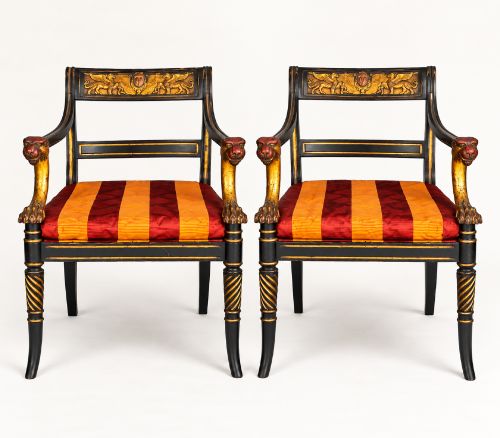
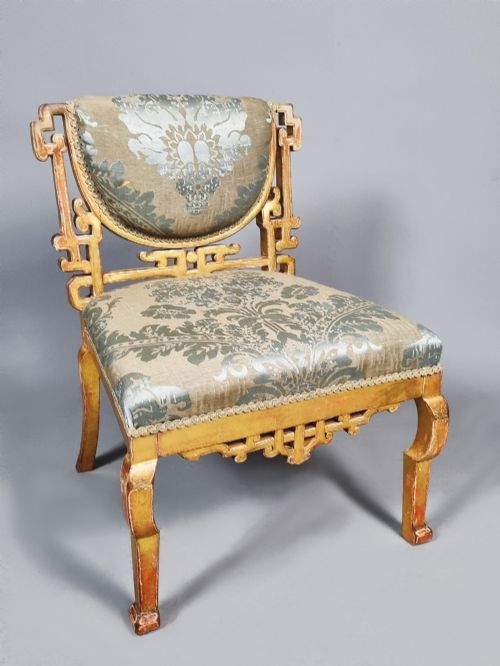
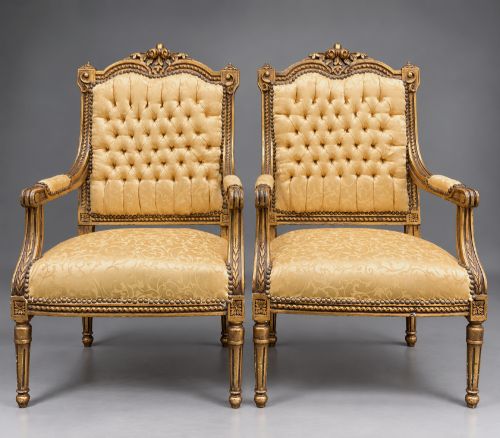
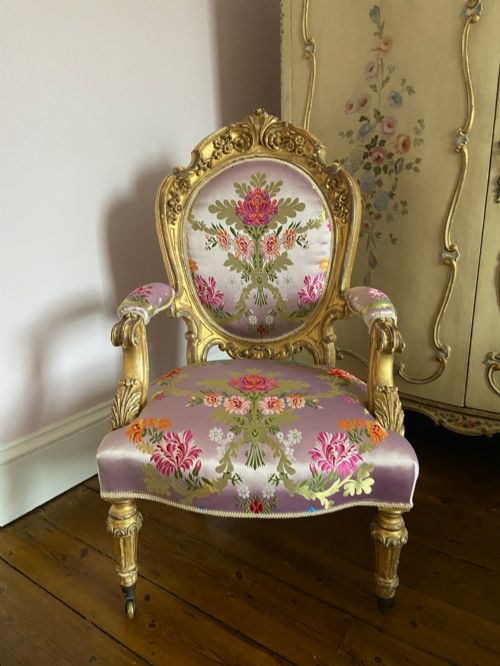
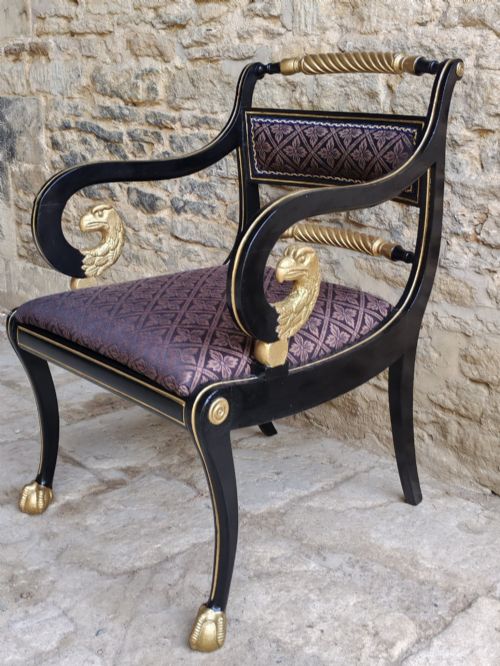
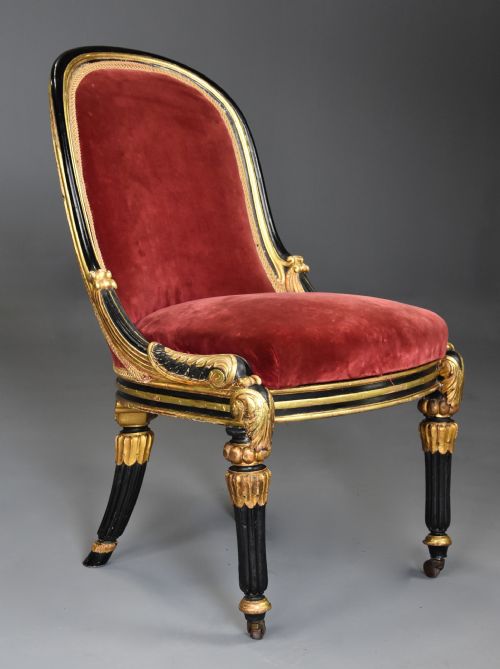
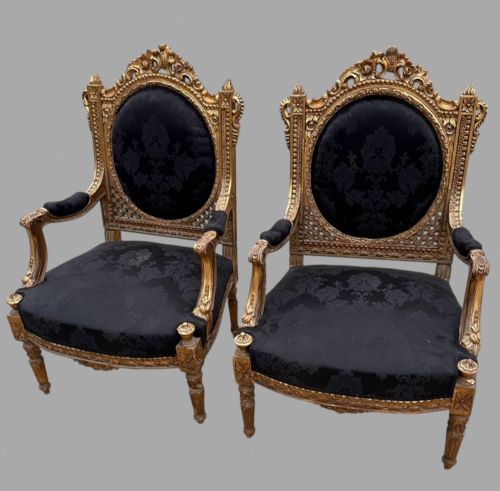
When you search for a regency giltwood chair, you encounter seating shaped by the Regency era and later revivals, drawing on classical forms. These pieces include armchairs, side chairs, occasional chairs, window seats, stools, and piano stools.
The version you are most likely to meet on this page is an armchair or side chair from the nineteenth century or the Regency period, often featuring gilded timber frames. Alongside original Regency examples, the listings contain Regency Revival pieces from the twentieth century.
The selection ranges from Chinese Chippendale and French Neoclassical influences to Grand Regency and Rococo Revival styles. Makers and designers such as Waugh and Son and Henry Holland appear in the wider record alongside anonymous craftsmanship.
How they were made
The primary construction relies on timber such as walnut and wood, finished with giltwood surfaces or ebonised wood details. Gilding techniques apply thin gold leaf or gilt paint to the carved frames to achieve a brilliant metallic sheen.
Upholstery incorporates fabric and textile elements, while certain seating types utilise cane inserts for the seat. Structural components occasionally integrate brass hardware and adjustable screw mechanisms on specialised piano stools.
Regency Giltwood Chair Retail Price Guide 2026
Typical asking prices for regency giltwood chair among the pieces listed under this phrase on Sellingantiques today, from the lower quarter to the upper quarter. They describe what is for sale here now, not the wider market.
Several seating options feature adjustable screw mechanisms, allowing eighteenth and nineteenth-century pianists to spin themselves to the ideal height.
What varies in quality
The distinction between ordinary and exceptional pieces lies in the crispness of the carving and the depth of the gilding on the wood frame. Superior examples demonstrate confident handling of classical motifs, whether executed during the Regency period or in later revival periods.
Materials and secondary woods also dictate the tier of a piece, with select English walnut frames or marked maker attribution elevating the stature of the chair. The integrity of the original cane work, textiles, and ebonised contrasts further separates standard production from high-end commissions.
Waugh and Son·Henry Holland
The Regency Giltwood Chair Glossary
- Giltwood
- Timber coated with gold leaf or gold paint to create a lustrous decorative surface. This finish defines the aesthetic of many classical seats.
- Ebonised
- Wood treated to resemble expensive ebony, typically through dark staining or painting. It provides a sharp contrast to gilt details.
- Bergere
- An enclosed upholstered armchair with wooden framing, often featuring cane panels. This form appears in window seat and armchair variations.
- Curule stool
- An ancient Roman magistrate seat design featuring intersecting curved legs. It translates into an X-shaped stool form.
- Neoclassical
- A style drawing inspiration from the classical art and culture of ancient Greece and Rome. It heavily influences Regency design vocabulary.
Regency Giltwood Chair: Frequently Asked Questions
How do I spot a true Regency period piece?
Examine the timber species, construction methods, and stylistic restraint characteristic of the early nineteenth century.
Compare the piece against documented examples from the Regency era to verify period authenticity.
What is a giltwood chair used for today?
These chairs function primarily as decorative accent seating in drawing rooms, libraries, and formal reception spaces.
They serve as statement items that introduce historical texture and metallic warmth into interior schemes.
How do I care for giltwood furniture?
Protect the fragile gilded surfaces from direct sunlight, moisture, and frequent physical contact.
Dust gently with a soft dry cloth without applying commercial polishes or liquid cleaners.
What is the difference between Regency and Regency Revival?
Regency pieces date directly from the early nineteenth century during the British Regency and George IV periods.
Regency Revival pieces are later twentieth-century creations that replicate the earlier classical styles.