

Padded Bench Seat
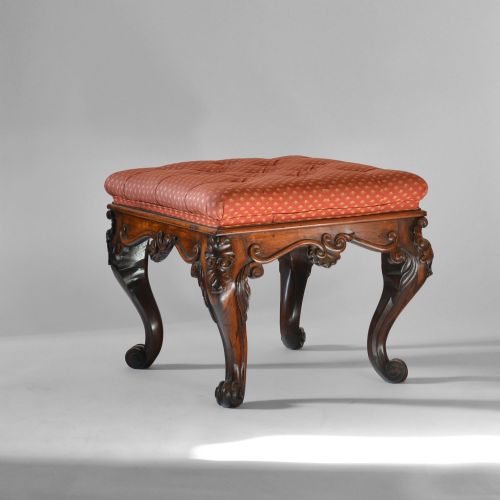
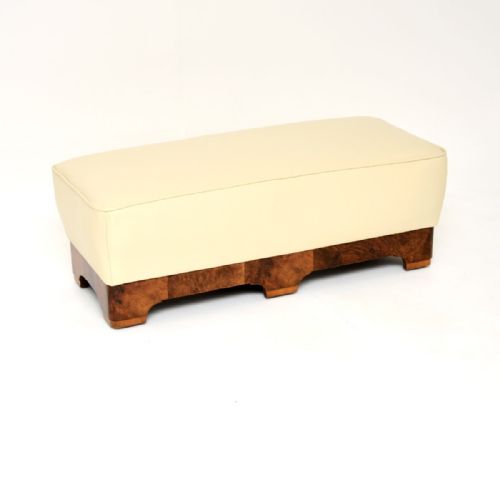
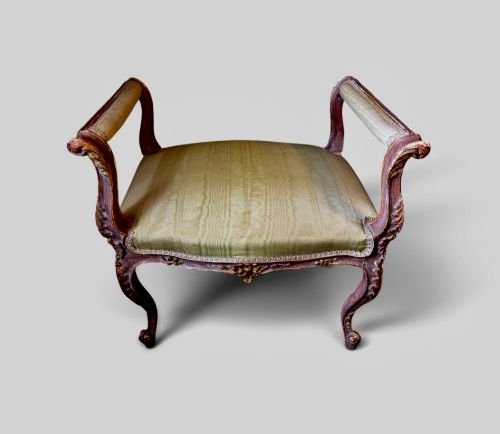
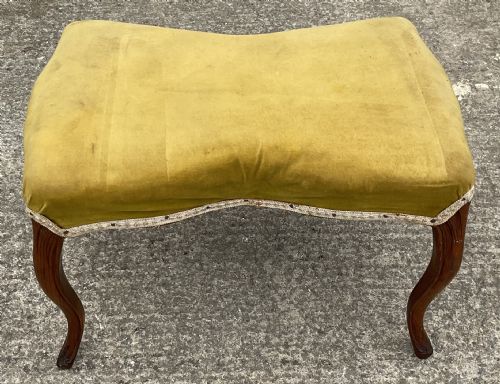
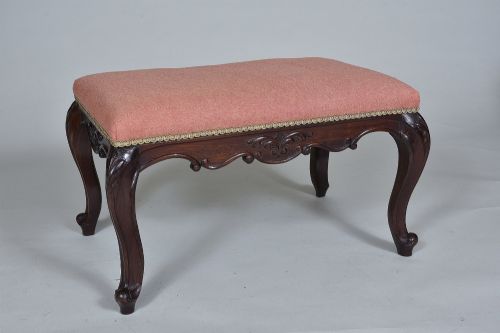
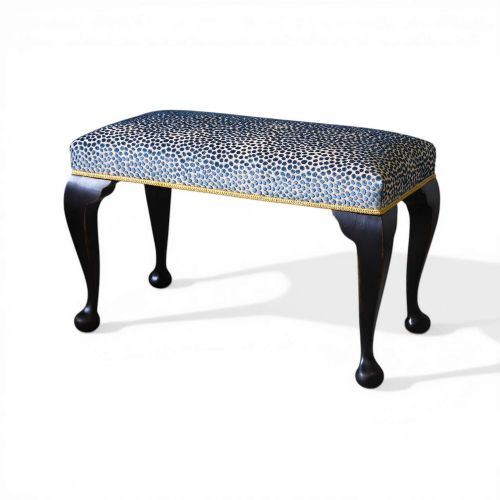
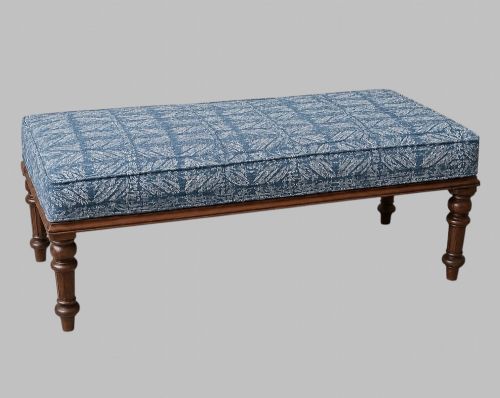
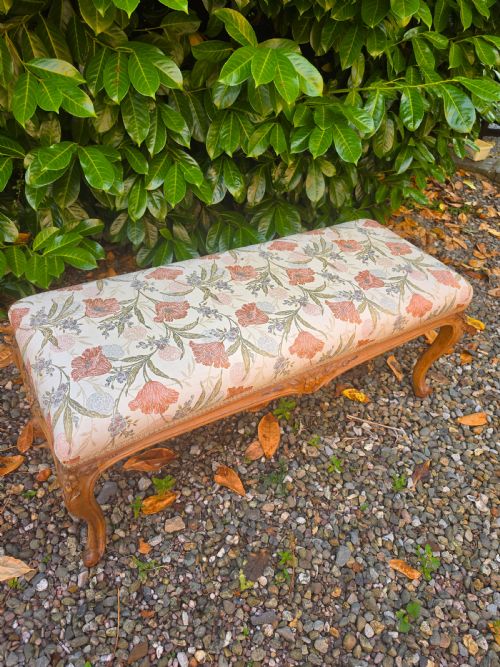
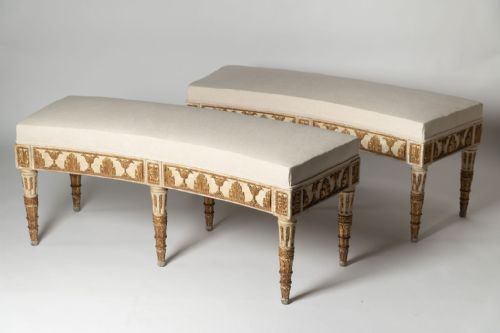
A padded bench seat offers low seating or a window perch, drawing on nineteenth-century and Edwardian forms upholstered in leather, fabric and velvet.
Padded Bench Seat
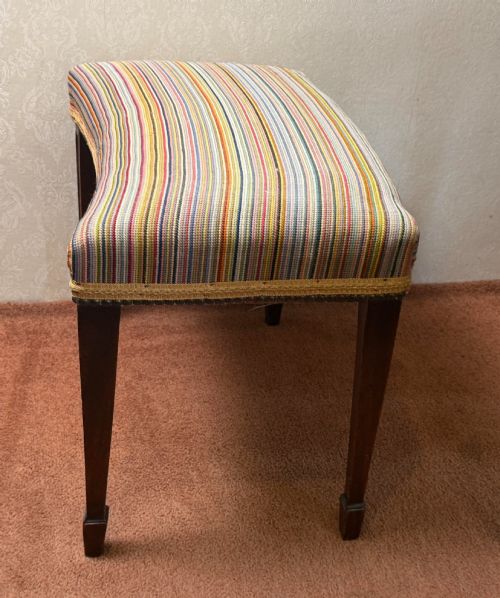
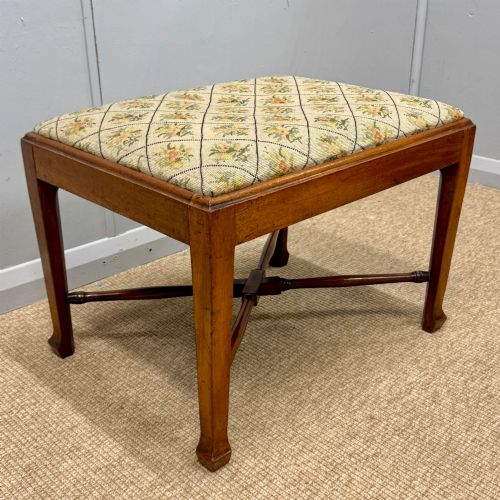
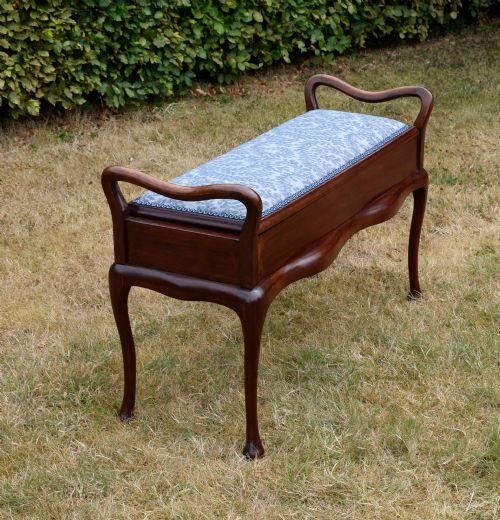
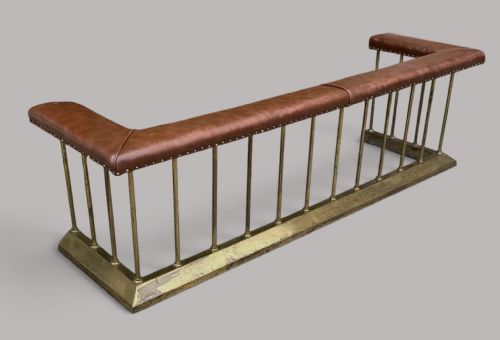
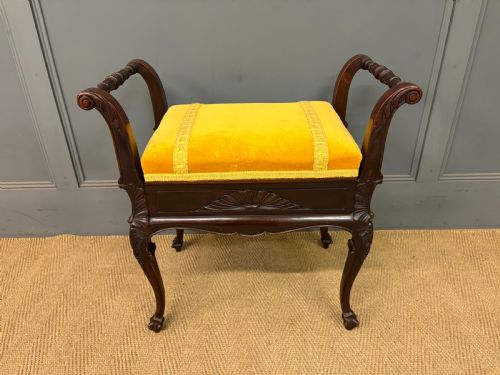
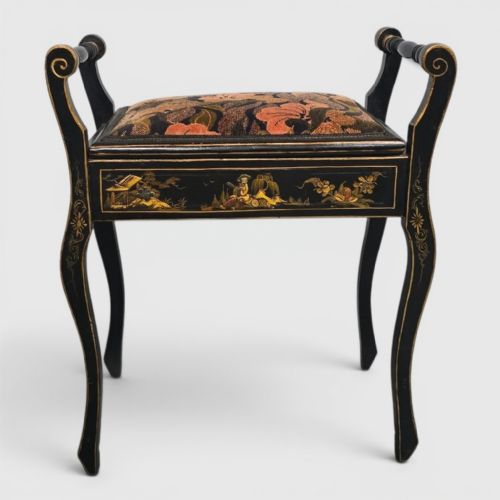
A padded bench seat encompasses diverse forms ranging from piano stools and dressing table seats to window benches and substantial brass club fenders. These pieces emerge chiefly from the nineteenth century, the Edwardian era and the 1930s, reflecting domestic utility across sitting rooms, dressing rooms and firesides.
Buyers encounter mahogany, walnut and ebonised frames alongside brass structures and giltwood window seats. The upholstery spans plain leather, velvet, textile and needlepoint, uniting diverse regional styles from English country house to Art Deco and Anglo-Indian.
The selections on this page lean heavily toward nineteenth-century walnut and mahogany stools, alongside Edwardian piano seats and brass-framed club fenders. Such variety ensures a padded bench seat fits beneath a dressing table or extends along a hearth.
Materials and construction methods
Frames rely upon hardwoods such as mahogany, walnut and burr walnut, shaped with cabriole legs, square tapering supports or twisted rope legs. Joinery employs traditional techniques suited to bearing weight, while brass forms utilise heavy metal bases paired with mature leather seating.
Upholstery incorporates textile, fabric, velvet and needlepoint, often secured over buttoned padding or spring interiors. Wood surfaces receive polish or ebonisation, and decorative examples integrate inlay, carving or giltwood finishes.
Some piano stools hide secrets beneath their cushions, swapping sheet music for decades of lost hairpins and stray pencil stubs.
Distinctions in quality and execution
Quality rests in the integrity of the timber frame, the crispness of carved details like cabriole legs or giltwood enrichment, and the authenticity of period materials. Finer examples display figured veneers such as burr walnut or maple, coupled with substantial brass work on club fenders.
The execution of the upholstery and the choice of covering material dictate the visual impact of the piece. Professional re-covering in traditional textiles maintains historical character, while structural firmness in the frame and legs determines daily utility.
The Padded Bench Seat Glossary
- Club fender
- A low fireside seat featuring a padded leather top supported by a brass or metal frame. These pieces historically provided comfortable seating around an open hearth.
- Window seat
- A long, narrow stool designed to fit within a window recess. They frequently feature upholstered tops and decorative wooden or giltwood frames.
- Cabriole leg
- A furniture leg that curves outward and then tapers inward, inspired by the shape of an animal's leg. This form appears frequently on eighteenth and nineteenth-century stools.
- Ebonisation
- The process of treating wood to resemble ebony, achieved through staining or chemical treatment. This finish proved popular on Victorian and Edwardian seating frames.
- Duet piano stool
- An extended piano seat built to accommodate two players side by side. They often incorporate storage beneath the padded seat.
Padded Bench Seat: Frequently Asked Questions
Where should I place a padded bench seat?
These pieces suit positions beneath windows, at the foot of a bed, or before a dressing table. Club fenders sit naturally around a fireplace hearth.
Their compact height allows them to tuck away neatly when not in use while providing accessible low seating.
How do I identify a Victorian example?
Victorian pieces often employ walnut or mahogany with turnings, cabriole legs, or ebonised finishes. Buttoned upholstery and heavy framing are characteristic of the period.
Construction details and timber patination help distinguish these nineteenth-century pieces from later reproductions.
What is a club fender used for?
A club fender provides perimeter seating around an open fireplace, keeping occupants close to the warmth. The brass framework and leather pad withstand heat and heavy use.
They also serve as low room dividers or fireside benches in larger reception rooms.
Are piano stools comfortable for daily seating?
Piano stools offer firm padded surfaces designed originally for upright posture during keyboard practice. Many feature adjustable heights or hinged seats for sheet music storage.
Their sturdy wood frames and compact proportions make them practical for occasional dressing or hallway use.