


Antique Ebonised Bench
An antique ebonised bench brings the deep, dramatic black finish of the nineteenth century into a modern room with effortless style.
Antique Ebonised Bench
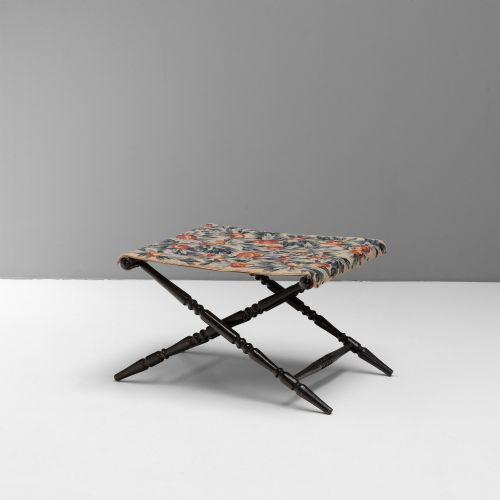
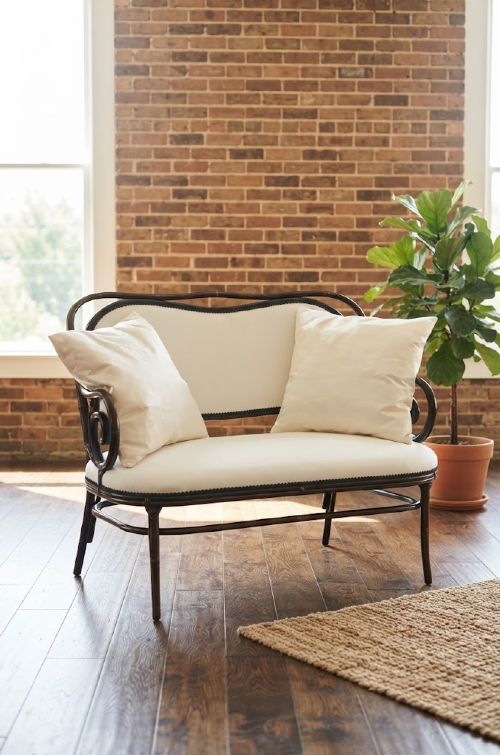
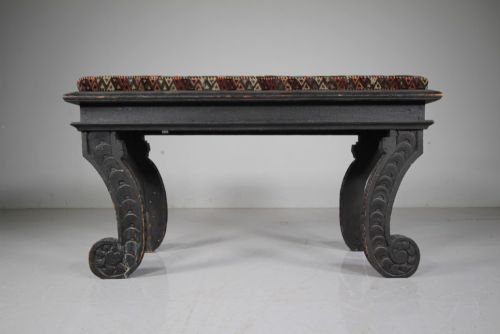
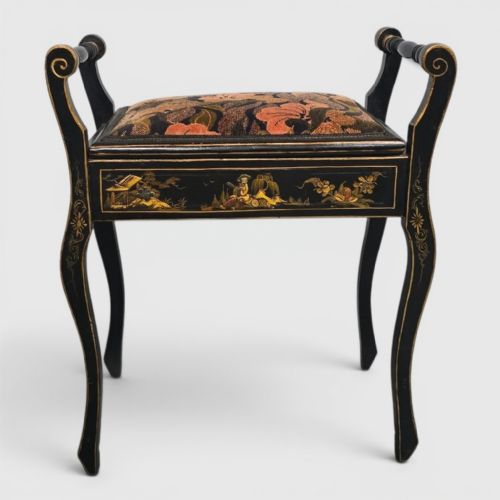
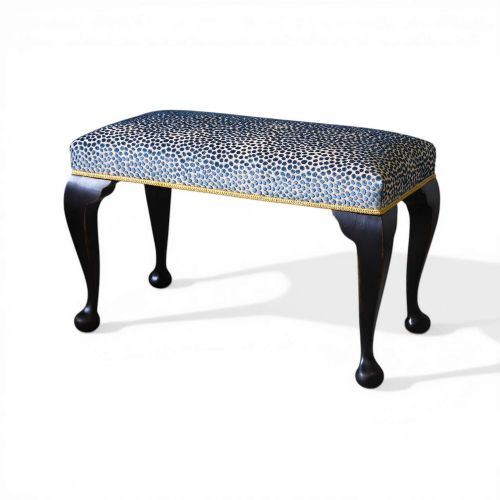
When you search for an antique ebonised bench, you are looking at seating finished in a dark, simulated ebony that mimics the expensive tropical hardwood. The pieces on this page span the eighteenth, nineteenth, and early twentieth centuries, drawing on styles as varied as the Aesthetic Movement, Regency, and Chinoiserie.
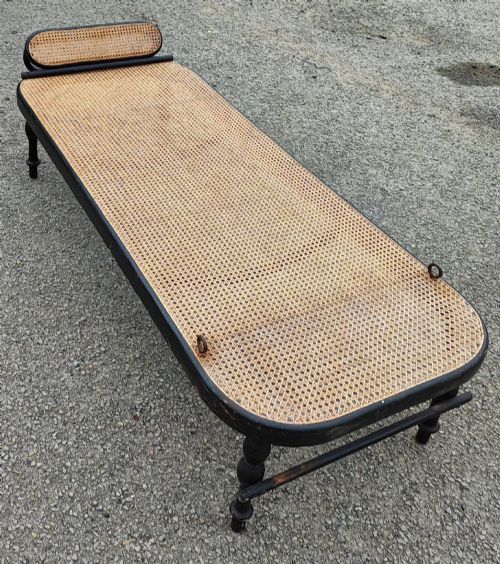
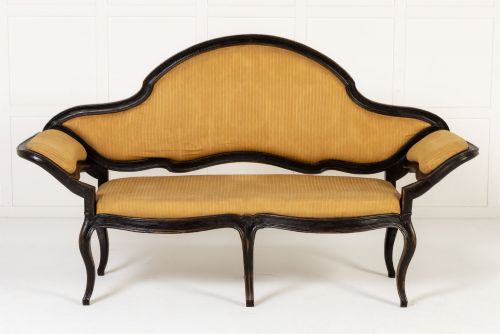
The forms range from compact piano stools and window seats to long daybeds, occasional settees, and hall benches. Victorian and Edwardian examples appear frequently, often featuring turned legs, cane inserts, or upholstered seats in fabrics and velvet.
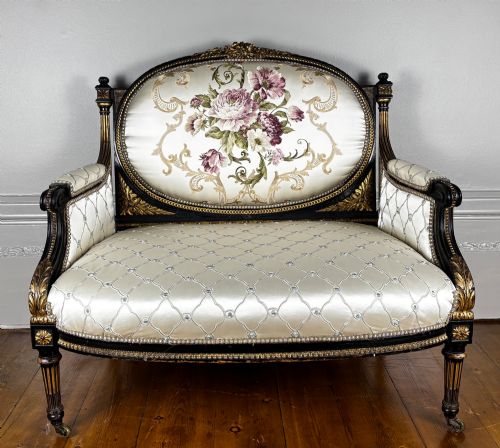
Continental pieces from France and Italy sit alongside English designs, offering everything from simple painted pine to parcel gilt surfaces. Whether you need a low dressing stool or a salon settee, these dark-finished seats bring a strong architectural silhouette to an interior.
What varies in quality
Quality in these pieces rests upon the crispness of the turning and the depth of the ebonised finish. Superior examples show careful preparation of the underlying timber before the black polish is applied, ensuring the grain retains a smooth, even sheen rather than looking painted over.
The integrity of the construction dictates the value, particularly in cane panels and structural joints that endure daily weight. Pieces retaining original gilding, intact upholstery foundations, or sophisticated design influences like the Aesthetic Movement stand out above standard utility seating.
Materials appearing across these listings include cane, velvet, brass, and ebonised beech wood.
Thonet·Trussant & Cie
The Antique Ebonised Bench Glossary
- Ebonised
- Wood treated with stain, paint, or polish to simulate the dark, dense appearance of true ebony. This technique gained immense popularity during the Victorian and Aesthetic periods for creating striking contrast in furniture.
- Aesthetic Movement
- A late nineteenth-century design style that prioritised beauty and form over moral or narrative purpose. Pieces from this movement often feature ebonised surfaces combined with Japanese-inspired motifs.
- Window seat
- A narrow bench designed specifically to fit into the recess of a bay or sash window. These seats frequently include upholstered tops and turned or scroll arms.
- Caning
- A method of weaving peeled rattan cane to form a light, supportive panel for seats and backs. It requires skilled hand labour and appears often on lighter nineteenth-century benches.
Antique Ebonised Bench: Frequently Asked Questions
How do I style an ebonised bench?
An ebonised bench works well in a hallway, at the foot of a bed, or beneath a window where its dark finish creates a strong focal point. Pair it with lighter neutral surroundings to let the silhouette stand out.
Because the black finish acts as a neutral, these pieces mix easily with both antique and contemporary furniture. Adding a contrasting cushion or textile can soften the formal look of the dark wood.
What is the difference between a window seat and a hall bench?
Window seats are typically designed with lower profiles and upholstered tops meant for comfortable sitting in a light-filled alcove. They often feature decorative ends or scroll arms suited to reception rooms.
Hall benches tend to have more rigid construction, sometimes incorporating wooden backs, storage compartments, or monk bench conversions. They served practical entryways rather than quiet rooms.
Are these benches comfortable for daily use?
Many of these pieces, particularly piano stools and salon settees, were built with functional daily seating in mind. Upholstered versions offer standard padding, though older webbing may feel firmer than modern foam.
Smaller occasional benches and piano stools work best for shorter periods of sitting rather than lounging. You can easily add a loose cushion if you prefer a softer seat for everyday use.