


Ebonised Wood Bench
An ebonised wood bench offers a dark, polished finish that brings quiet drama to any room, merging structural timber with a rich, historic surface.
Ebonised Wood Bench
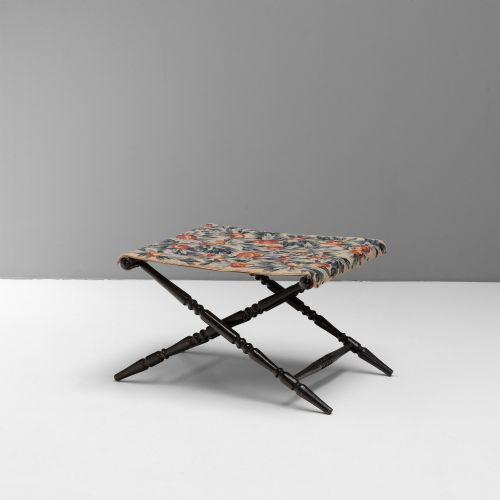
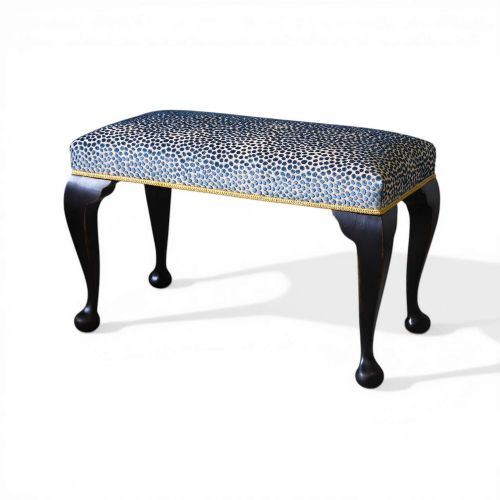
An ebonised wood bench is a seating form finished to resemble ebony, spanning various historical eras from the nineteenth century into the Edwardian period. The selections here include everything from piano stools and folding luggage stands to aesthetic movement settees and low coffee tables.
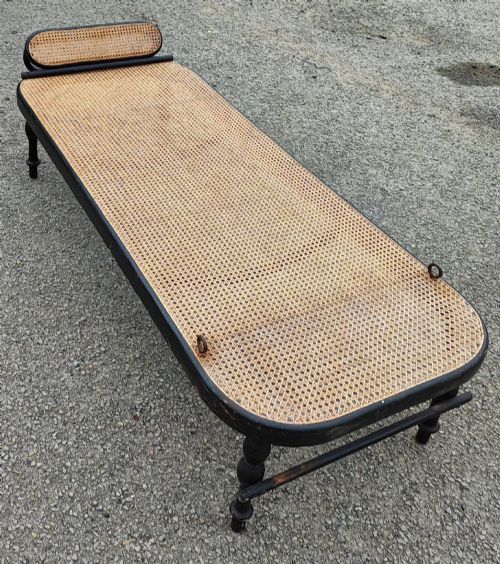
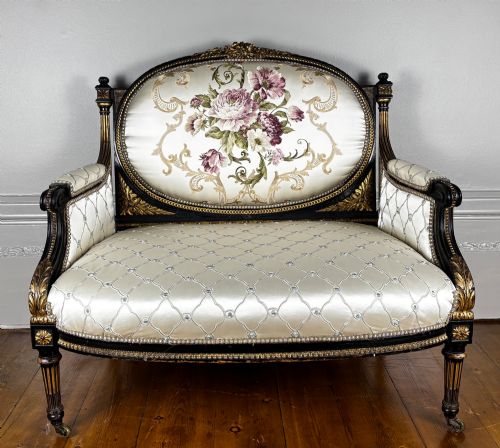
Buyers are most likely to encounter Victorian and Edwardian examples utilising ebonised beech or hardwood. These pieces often incorporate turned legs, cane inserts, or upholstered seats in fabrics and tapestry.
Origins stretch from English and continental workshops to Chinese export and French provincial designs. This variety means a buyer can find both formal salon benches and simpler domestic seating.
How they were made
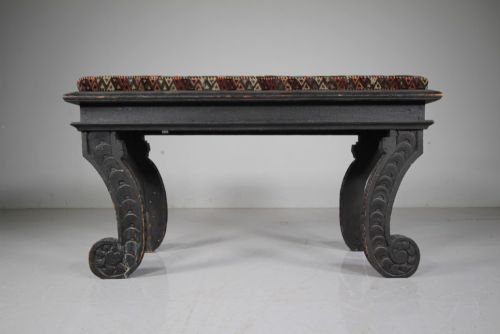
Timbers such as beech, pine, and hardwood receive a dark stain or finish to mimic exotic ebony wood. Many examples pair this treated surface with brass mounts, parcel gilt, or carved detailing.
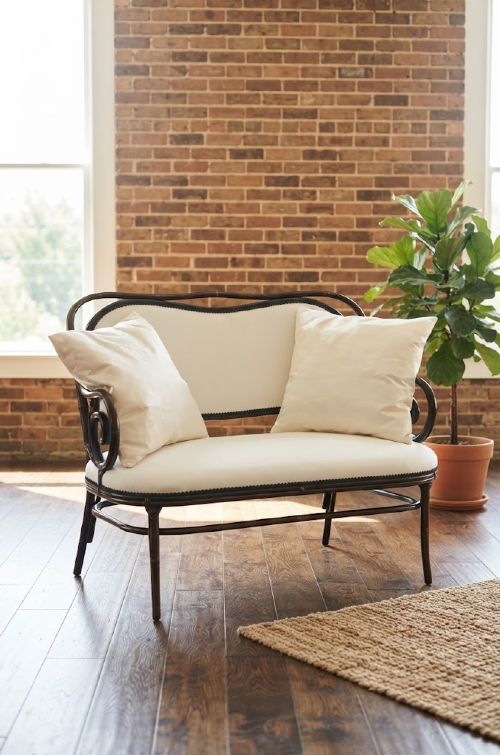
Upholstered versions rely on traditional textiles, tapestry, and cane woven directly into the wooden frame. Bentwood techniques also appear, shaping the timber through heat and pressure.
Structural elements frequently feature turned legs and carved components, reflecting periods from Regency to Louis XVI style.
Listings feature pieces spanning the nineteenth century, 1880, 1890, 1900, the Edwardian era, 1910, 1860, and 1870.
What varies in quality
The sophistication of the timber treatment and the crispness of any carving dictate the standing of a piece. Finer examples display a deep, uniform finish on the ebonised wood alongside well-executed joinery.
Materials integrated into the design, such as hand-woven cane, quality brass hardware, or heavier upholstery fabrics, elevate the construction. Simpler utilitarian items like folding luggage stands contrast with more decorative salon settees.
Thonet·Trussant & Cie
The Ebonised Wood Bench Glossary
- Ebonised
- Wood treated with a stain, dye, or polish to achieve the deep black appearance of ebony. This technique became especially popular during the nineteenth century for furniture mimicking exotic materials.
- Aesthetic Movement
- A late nineteenth-century design style emphasising visual beauty over narrative subject matter. Pieces from this movement often feature clean lines and ebonised finishes.
- Cane
- Strips of rattan or other plant material woven into an open mesh pattern for seats or panels. It provides a lightweight, flexible surface on stools and daybeds.
- Parcel Gilt
- A decorative technique where specific carved details or highlights are selectively gilded with thin gold leaf. This creates contrast against the dark ebonised wood.
- Bentwood
- Timber shaped by steaming it until pliable and bending it into curved forms. This technique avoids heavy joints and creates strong, flowing structures.
Ebonised Wood Bench: Frequently Asked Questions
What is an ebonised wood bench?
An ebonised wood bench is a seating piece made from timber finished to look like ebony. These pieces range from nineteenth-century salon settees to Edwardian stools and low tables.
The dark finish provides a striking silhouette that fits into both traditional and modern interiors.
How do I date an ebonised wood bench?
Dating relies on observing the structural style, turning on the legs, and materials like cane or tapestry. Pieces span from early nineteenth-century designs through Victorian and Edwardian eras.
Specific stylistic clues, such as aesthetic movement motifs or Louis XVI influences, help narrow the period.
Where were these benches used?
Historical uses varied widely depending on the form, from formal salons and drawing rooms to bedrooms and hallways. Smaller pieces functioned as piano stools or luggage stands.
Today, they serve equally well as accent seating, window seats, or low coffee tables.
How do I care for ebonised wood?
Care involves dusting gently with a soft cloth and avoiding moisture or direct sunlight that might fade the finish. Maintaining stable indoor humidity protects both the timber and any cane work.
Harsh chemical cleaners should be avoided to preserve the integrity of the ebonised surface.