
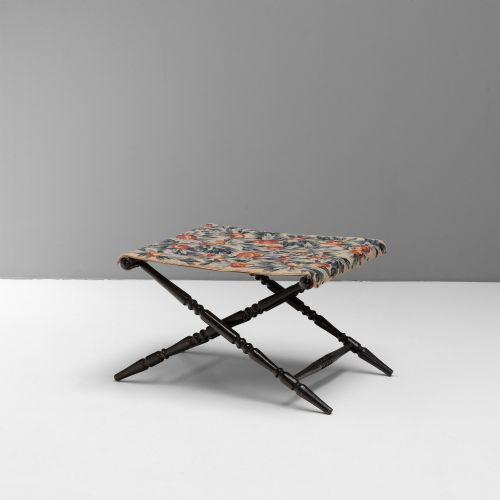
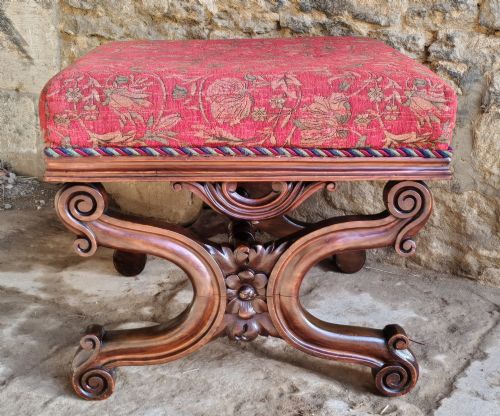
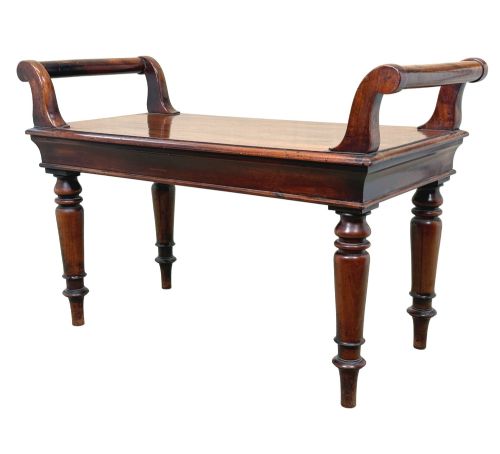
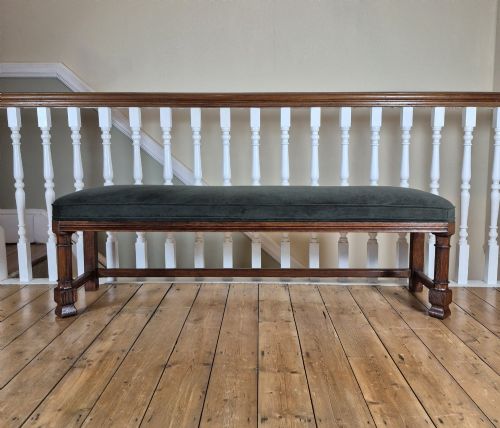
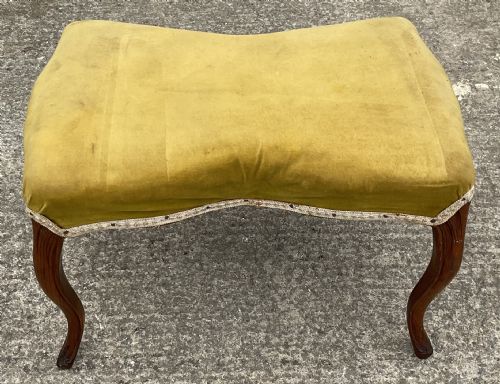
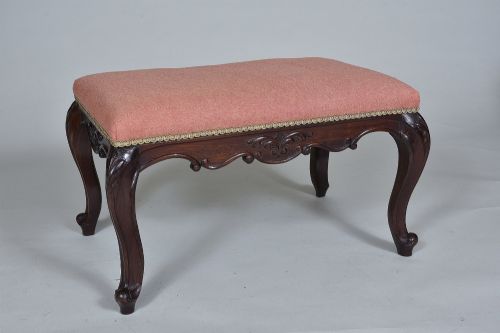
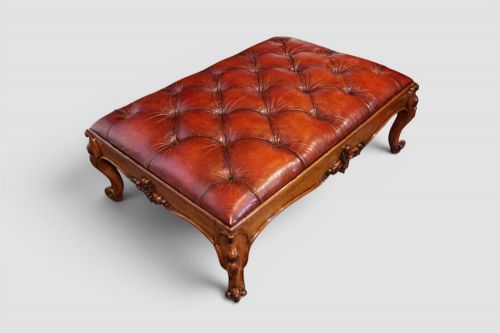
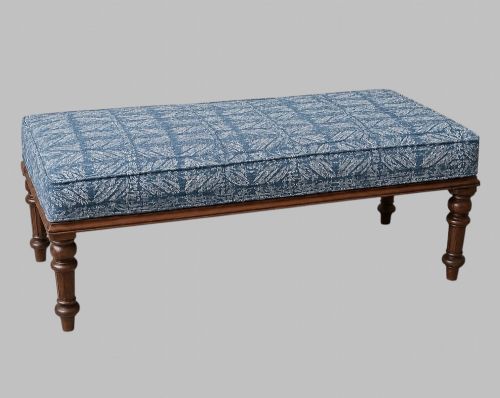
Victorian Stool Bench
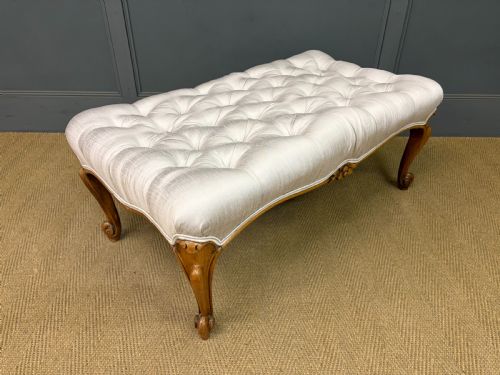
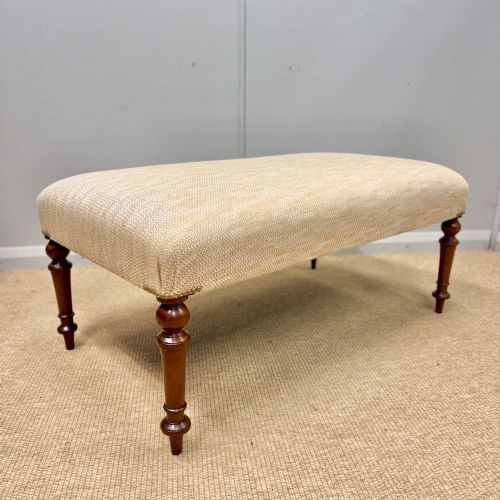
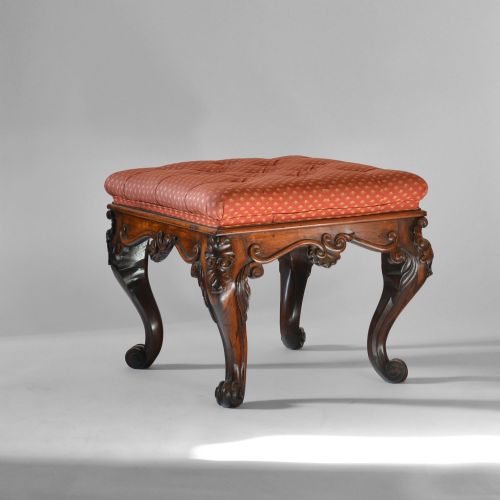
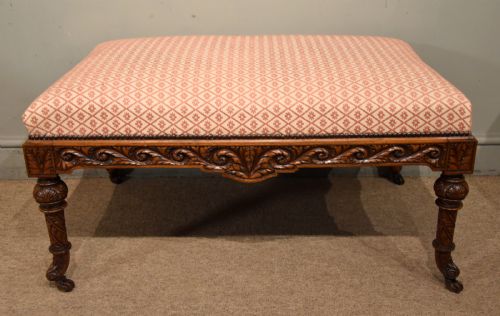
A victorian stool bench combines seating and support across domestic spaces, offering long proportions or compact forms built for resting feet, music or windows.
Victorian Stool Bench
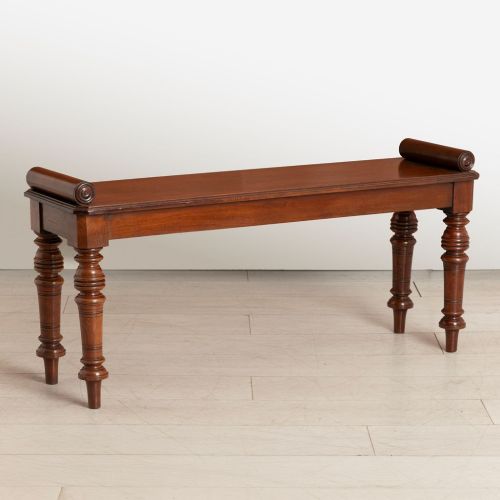
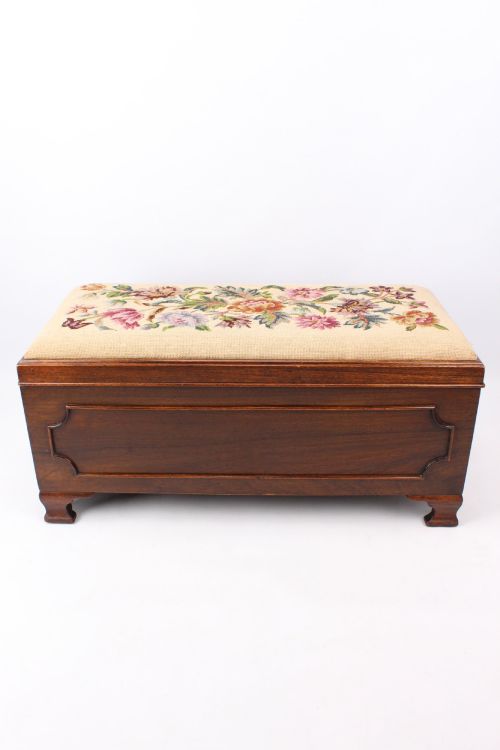
When searching for a victorian stool bench, buyers encounter a diverse group of nineteenth-century seating that ranges from long hall benches and window seats to low footstools, piano duet stools and ottoman trunks. The selection on this page leans heavily toward mahogany and walnut frames produced across the Victorian era, alongside sturdy oak Gothic revival pieces and rustic pine church pews.
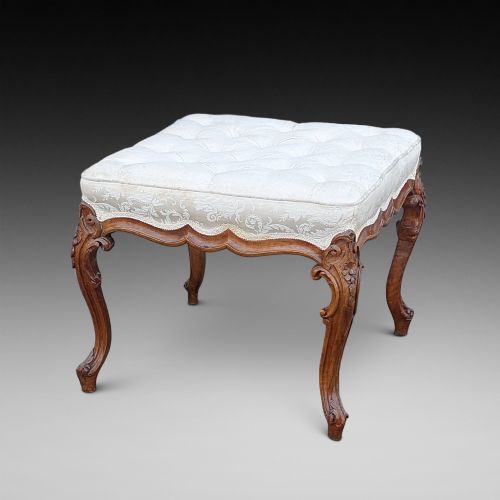
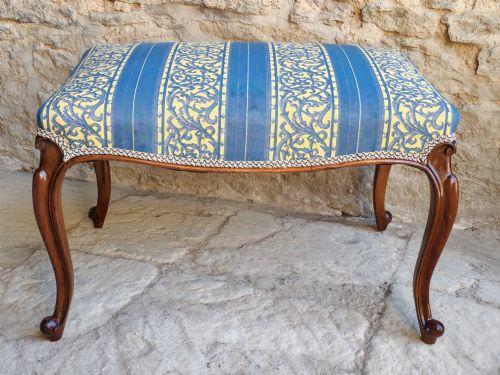
Forms vary significantly according to their original domestic function, from narrow long stools designed for hallways to wide upholstered window seats and low footstools fitted with brass castors. Many survive with cabriole legs, turned supports or x-frames, reflecting stylistic shifts from early nineteenth-century Regency leanings through to late aesthetic movement designs.
What Varies in Quality
Quality rests upon the crispness of timber carving, the structural integrity of the frame joints, and the scale of the piece relative to its intended function. Superior examples feature well-figured timbers such as burr maple or richly grained rosewood and walnut, paired with deeply carved mouldings rather than simple turned elements.
The refinement of the legs and the execution of upholstery work distinguish finer studio output from utilitarian workshop pieces. Maker attribution through stamped signatures or labels elevates certain benches, while the survival of original leather, needlework or specialised fabric adds considerable character.
Listings feature nineteenth-century seating executed in mahogany, walnut, oak, rosewood and pine, alongside upholstered finishes in leather, velvet and needlework.
Jas Shoolbred·James Shoolbred And Co·Charles Nosotti·Waring And Gillows
The Victorian Stool Bench Glossary
- Cabriole leg
- A furniture leg that curves outward at the knee and tapers inward toward the foot, often ending in a scroll or pad. This profile was widely favoured by Victorian cabinetmakers referencing earlier eighteenth-century designs.
- Window seat
- A long, narrow bench designed specifically to fit within the architectural recess of a bay window. These pieces frequently feature upholstered seats flanked by scroll arms or low backs.
- Duet stool
- An elongated piano bench built to accommodate two musicians side by side during piano recitals. They frequently incorporate hinged seats concealing internal music storage compartments.
- Gothic Revival
- A nineteenth-century design style drawing inspiration from medieval architecture and ornamentation. Pieces in this idiom display pointed arches, tracery, and heavy carved oak construction.
- Ottoman
- A low, upholstered seat or bench often featuring a hinged lid that opens to reveal a storage interior. They appear frequently in walnut or mahogany across the Victorian period.
Victorian Stool Bench: Frequently Asked Questions
What is a window seat?
A window seat is an elongated bench specifically proportioned to sit within a bay or recessed window space. These pieces provide convenient low seating and often feature decorative arms or upholstered ends.
In period homes, they served as comfortable spots for reading by natural light. Today, they function equally well placed at the foot of a bed or along a hallway.
How were duet stools used?
Duet stools were manufactured as wide seating benches for two people sharing a piano keyboard. Their extended length allowed musicians to sit comfortably side by side during piano practice or parlour recitals.
Many examples feature hinged seat lids that lift to store sheet music internally. This dual purpose made them practical additions to nineteenth-century music rooms.
What distinguishes a Gothic revival bench?
Gothic revival benches are identified by architectural ornamentation inspired by medieval design. They typically feature heavy solid oak construction decorated with pointed arches, trefoils and carved tracery.
These pieces were often produced for libraries, halls or ecclesiastical settings. Their robust frames and dark timber tones give them a substantial architectural presence.
Where should a long stool go?
Long stools and benches adapt well to numerous locations throughout the home depending on their length and height. Narrow window seats fit naturally beneath sills or along long corridors as hall benches.
Low footstools and long leather topped benches also serve effectively as coffee table alternatives in living spaces. Their versatile proportions make them easy to integrate into various room layouts.