



Black Ebonised Stool
A black ebonised stool brings dark, polished timber and tactile seating into a room, offering a striking accent derived from periods spanning the nineteenth and early twentieth centuries.
Black Ebonised Stool
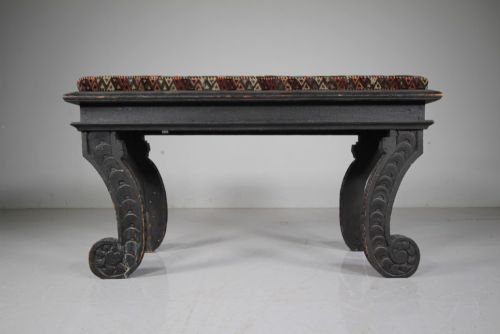
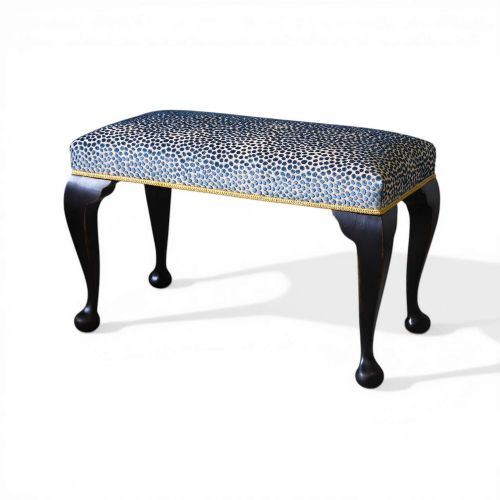
A black ebonised stool represents a distinct class of seating and occasional furniture designed to catch the eye through dark finishes rather than natural wood grains. When exploring a black ebonised stool, buyers encounter diverse forms ranging from piano stools and footstools to window seats and long benches.
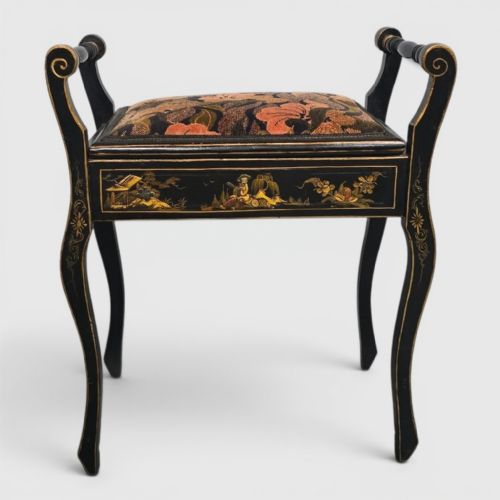
The pieces appearing in this category originate predominantly from the Victorian and Edwardian eras, alongside pieces reflecting the Aesthetic Movement, Regency styles, and Anglo-Indian or Chinoiserie influences. Makers utilised ebonised wood to mimic more expensive exotic hardwoods, creating a sophisticated silhouette suitable for both formal parlours and intimate chambers.
Materials and construction
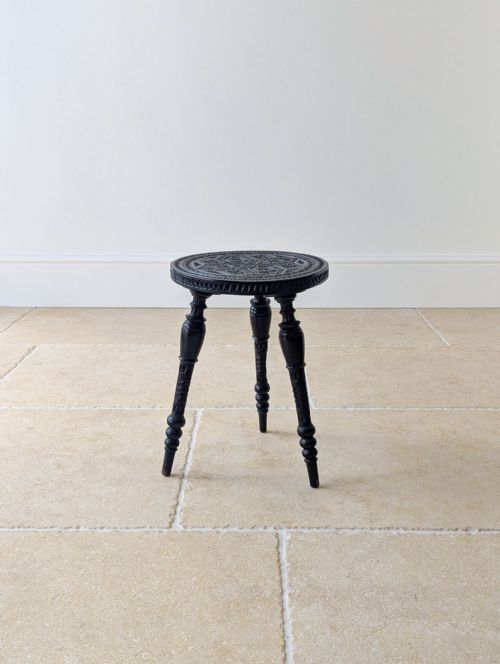
The construction relies heavily on hardwoods, pine, and elm treated with a dark paint or stain finish to achieve the signature ebonised surface. Many examples incorporate parcel gilt highlights, brass fittings, or chip-carved detailing to add texture and contrast to the dark timber.
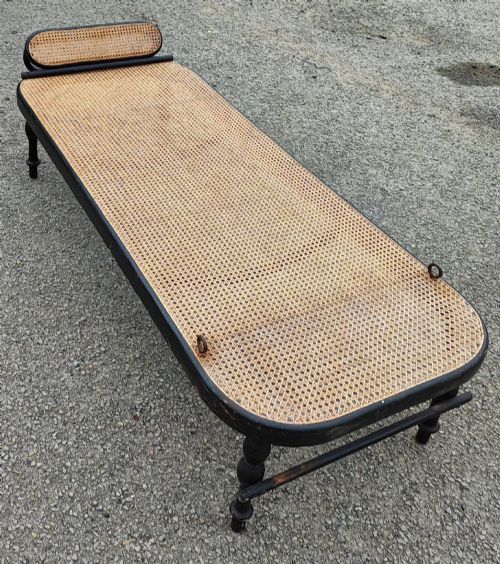
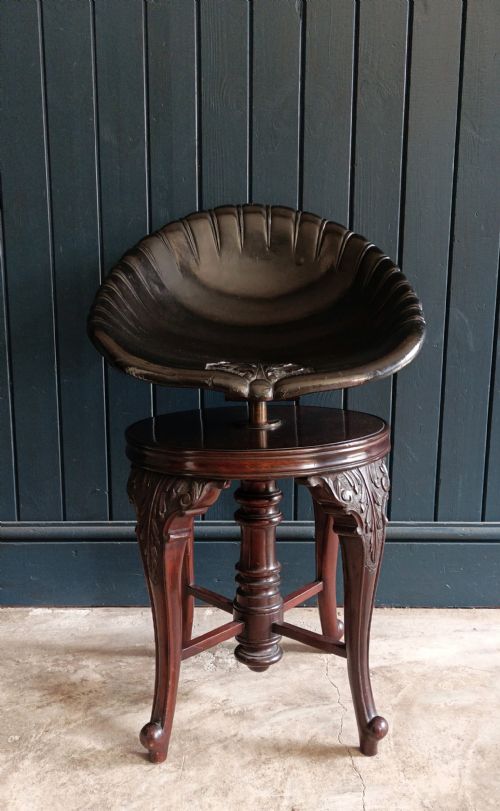
Seating portions frequently feature traditional upholstery, fabric coverings, cane work, or inset marble tops depending on whether the piece functions as a piano stool, window seat, or occasional table. Turning on legs and swivel mechanisms appear regularly across these nineteenth-century forms.
The furniture forms span piano stools, window seats, daybeds, and occasional tables, reflecting diverse domestic uses in Victorian and Edwardian homes.
Assessing craftsmanship and condition
Quality separates through the crispness of carved details, such as chip-carving or parcel gilding, and the structural integrity of turned legs and swivel bases. Superior examples maintain firm joinery and clean applications of the ebonised finish that sit evenly across the timber.
The sophistication of the design style also dictates the tier of the piece, with items showing specific Aesthetic Movement or Japanese Meiji influences often displaying greater refinement in proportion and decorative restraint than simpler utility seating.
The Black Ebonised Stool Glossary
- Ebonised
- Wood treated with a dark stain or paint to imitate ebony. This finish gained popularity in the nineteenth century for achieving a sleek, formal appearance.
- Parcel Gilt
- Partially gilded with gold leaf or gold paint. Artisans applied this technique to highlight specific carved details against a dark ebonised background.
- Aesthetic Movement
- A late nineteenth-century design philosophy prioritising visual beauty over narrative or moral content. Pieces from this movement often feature crisp ebonised surfaces and orientalising motifs.
- Chip-Carved
- Ornamented by chipping small triangles or notches out of the wood surface. This technique produces geometric patterns typical of Victorian occasional furniture.
- Cane
- Woven rattan or plant material used for seat panels. It provides a lightweight, flexible surface contrasted against rigid ebonised frames.
Black Ebonised Stool: Frequently Asked Questions
How do I clean an ebonised finish?
Dust the surface regularly with a soft, dry cloth to prevent dirt accumulation. Avoid harsh chemical cleaners or excess moisture, which can degrade the dark painted or stained layer over time.
For minor scuffs, a specialist wax or touch-up pigment matched to the timber helps maintain the uniform dark appearance without stripping the historic surface.
Can these stools support daily seating?
Many nineteenth-century examples were built for specific domestic tasks, such as playing the piano or sitting by a window. While structurally sound, lighter frames or antique joinery benefit from moderate, careful use rather than heavy daily wear.
Checking the tightness of the legs and the integrity of any swivel or adjustable mechanism ensures the piece remains safe for sitting.
What is the difference between Victorian and Edwardian ebonised stools?
Victorian pieces often lean towards heavier ornamentation, incorporating chip-carving, parcel gilt, or influences from the Aesthetic Movement and Japanese design. The finishes and turnings tend to reflect a rich, dramatic interior style.
Edwardian variants generally present lighter proportions and simpler turned legs, focusing on functional versatility within domestic spaces while retaining the dark ebonised aesthetic.
How do I identify an Aesthetic Movement piece?
Aesthetic Movement pieces display clean structural lines, dark ebonised surfaces, and often subtle artistic motifs inspired by Japanese art or contemporary design reforms. They avoid excessive Victorian clutter in favour of balanced proportion.
Look for refined gilt accents and specific stylistic markers that distinguish them from standard domestic seating of the same decade.