



Pad Foot Console Table
A pad foot console table brings eighteenth-century proportions and warm timber into a room, offering practical surface space rooted in Georgian cabinet-making.
Pad Foot Console Table
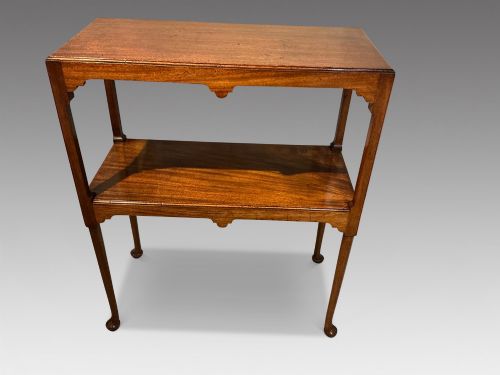
When searching for a pad foot console table, one encounters a form closely tied to eighteenth-century cabinet-making, where side tables, tea tables, and games tables double as console surfaces. These pieces emerge primarily from Georgian workshops, spanning the reigns of George I, George II, and George III, alongside occasional nineteenth-century interpretations.
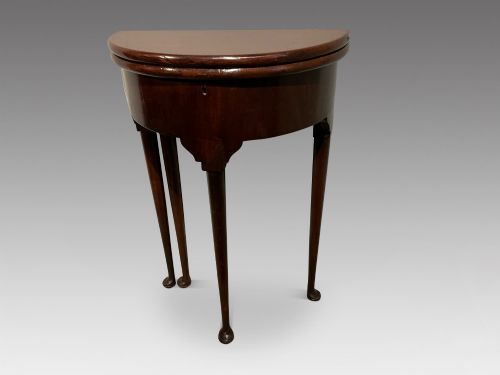
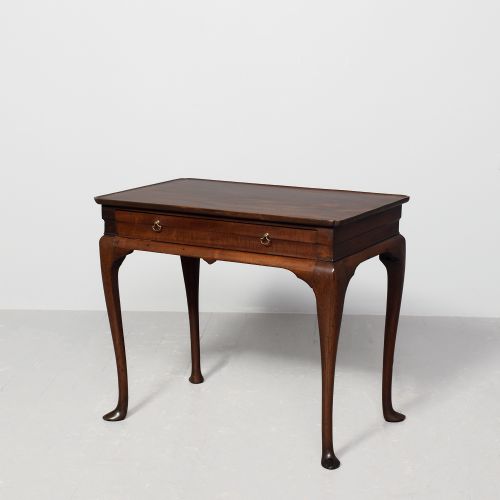
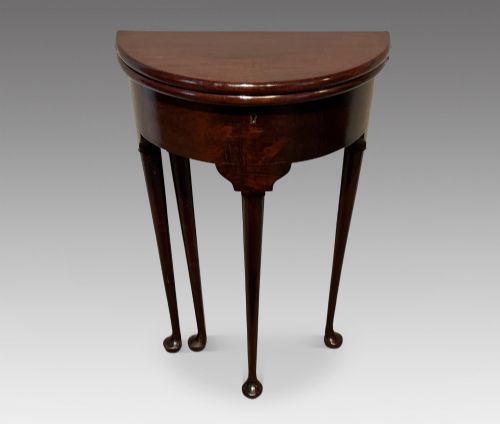
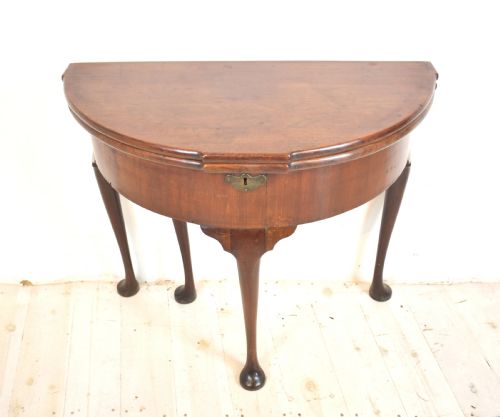
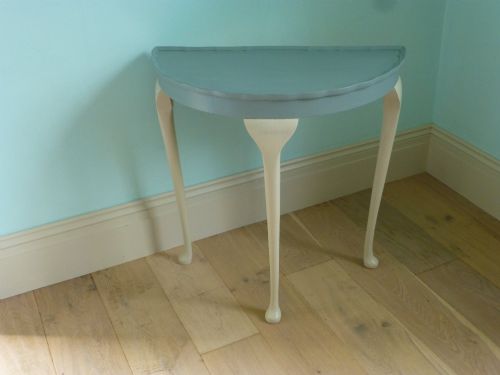
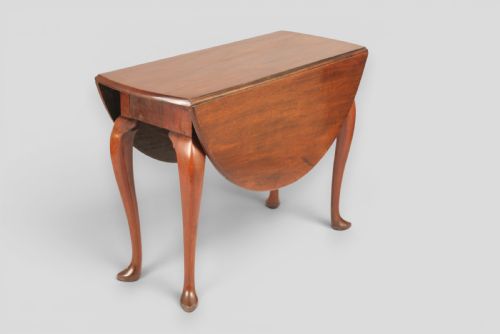
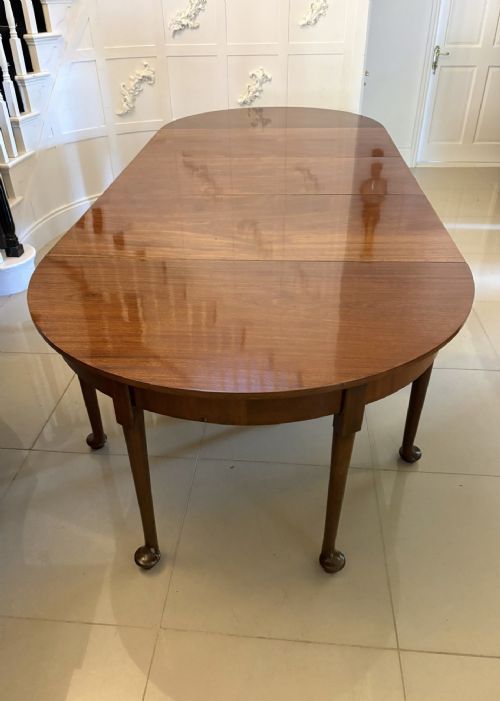
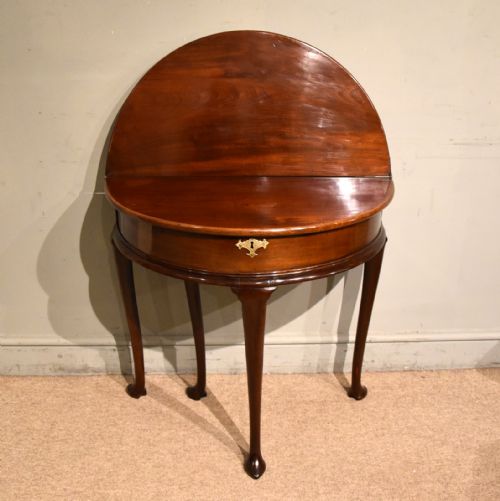
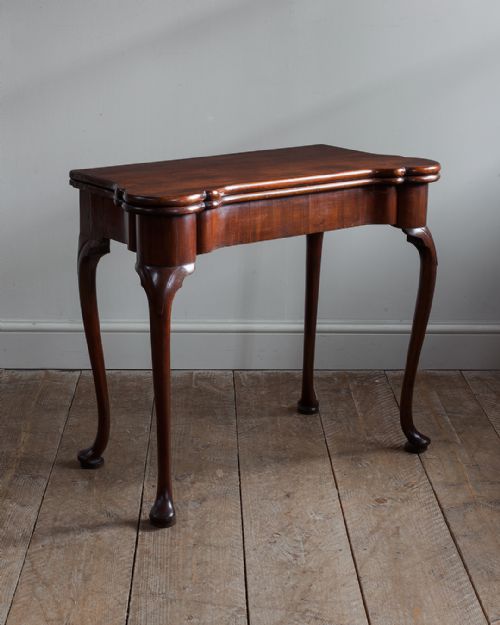
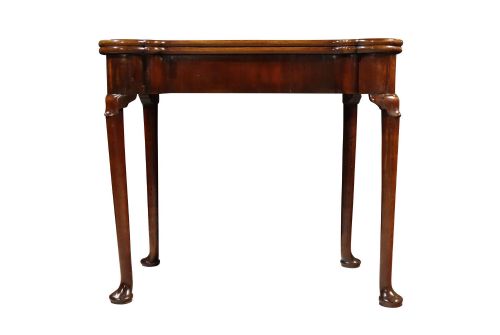
The version most commonly met on this page is the fold-over tea or games table in mahogany, walnut, or red walnut, standing upon cabriole legs that terminate in characteristic pad feet. Lowboys and demi-lune forms also appear frequently, providing narrow profiles suited to hallways and reception rooms.
Materials and construction
Cabinet-makers relied heavily on figured and straight-grained mahogany, walnut, red walnut, oak, and cherrywood, often selecting timber with rich natural grain patterns. Brass hardware, including hinges and swing-action brackets, supported folding tops and internal drawers.
The distinctive foot rests flush on the floor at the base of a curved cabriole leg, a structural pairing that distributed weight evenly without heavy cross-stretchers. Joinery employed traditional tenon and mortise methods, while folding mechanisms utilised concertina actions or simple swing legs to support expanded surfaces.
Pad Foot Console Table Retail Price Guide 2026
Typical asking prices for pad foot console table among the pieces listed under this phrase on Sellingantiques today, from the lower quarter to the upper quarter. They describe what is for sale here now, not the wider market.
What separates the fine from the ordinary
Quality rests upon the crispness of the cabriole curve and the harmonious transition into the pad foot, where clumsy timber reduction betrays lesser work. Selection of the primary wood also defines the tier, with highly figured mahogany or rich red walnut elevating a piece above plain oak or standard timber.
Internal engineering marks the distinction between standard utility and superior workshop output, particularly in the precision of concertina folding actions for games tables and the careful integration of dished gaming wells or guinea wells.
The Pad Foot Console Table Glossary
- Pad foot
- A simple rounded foot at the base of a cabriole leg, resting flat on the floor without ornamentation. This foot style appears frequently on early eighteenth-century tables.
- Cabriole leg
- A vertical support curved in a double S-shape, mimicking the natural limb of an animal. It swells outward at the knee and tapers down to the foot.
- Concertina action
- An expanding frame mechanism that allows a table top to unfold while the supporting rails extend outward like an accordion. It provides a stable base for gaming surfaces.
- Demi-lune
- A half-moon shape used for table tops and console frames designed to sit flat against a wall. These pieces saved floor space in smaller eighteenth-century rooms.
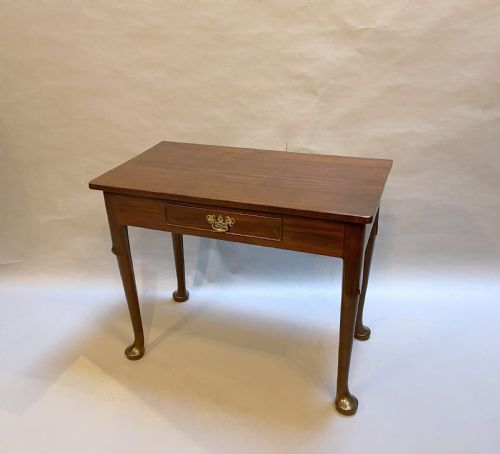
- Lowboy
- A small low table fitted with one or more drawers, commonly used as a side or dressing table. They typically feature four cabriole legs and pad feet.
Pad Foot Console Table: Frequently Asked Questions
What is a pad foot console table?
It is an eighteenth-century style table featuring curved legs ending in rounded pad feet, often configured as a fold-over tea, card, or side table.
These pieces were designed to sit against walls when closed and expand when needed for dining, gaming, or tea service.
How were these tables used originally?
They served multiple functions in Georgian homes, acting as decorative console surfaces against hallway walls during the day.
When guests arrived, the hinged tops opened up to accommodate card games, tea sets, or dining, supported by swing legs or concertina actions.
How do I tell an 18th-century table apart from later copies?
Examination of the timber grain, interior secondary woods, and hand-cut joinery reveals the age and manufacturing methods of the piece.
Eighteenth-century examples display wear patterns and construction quirks consistent with period hand tools rather than later machine production.
Where should I place a console table at home?
Their shallow depth makes them well-suited for narrow hallways, entryways, or behind sofas in living rooms.
They provide a functional surface for lamps and objects while maintaining clear walking paths in compact spaces.