



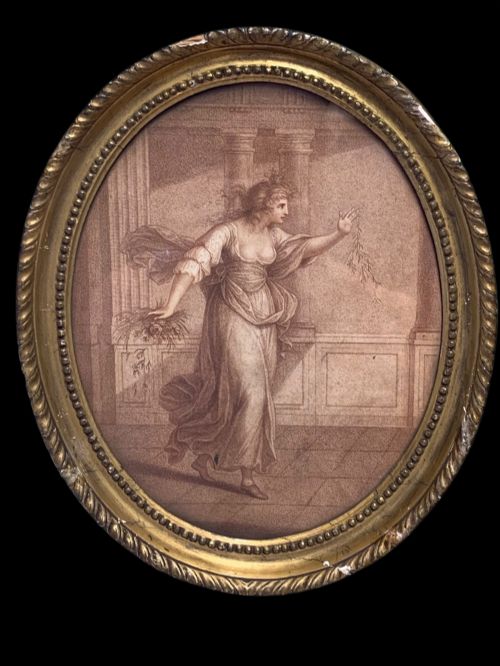
Oval Portrait Artwork
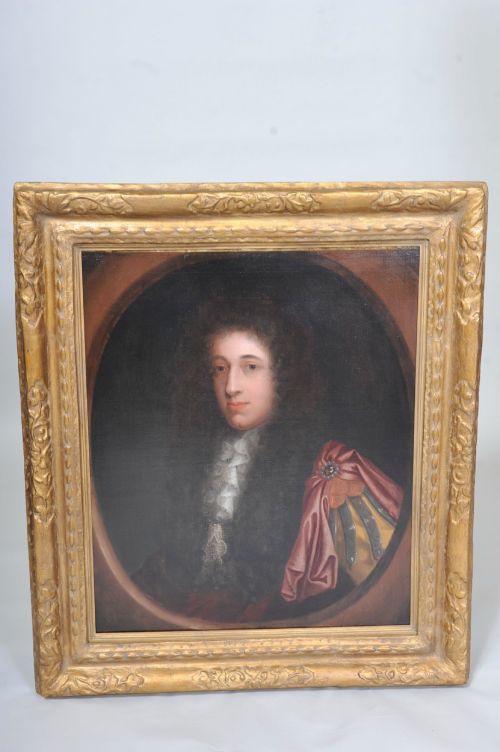
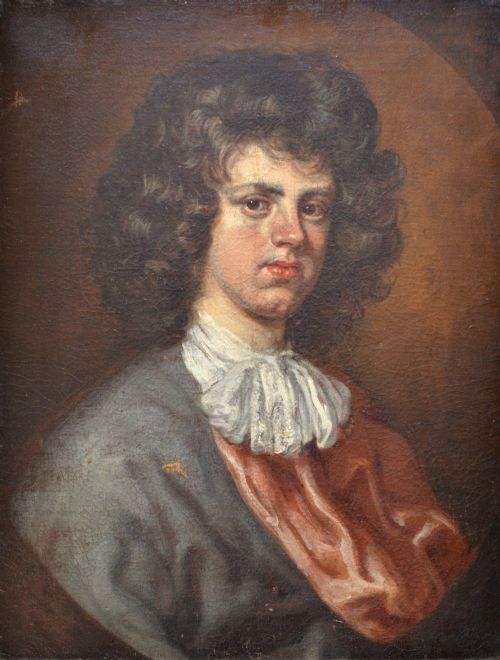
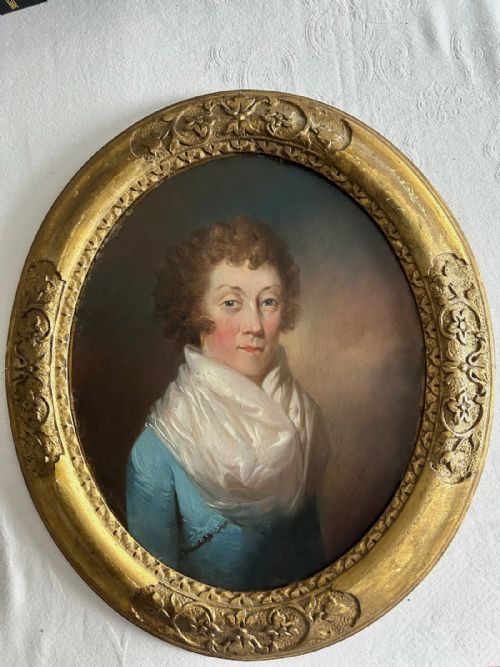
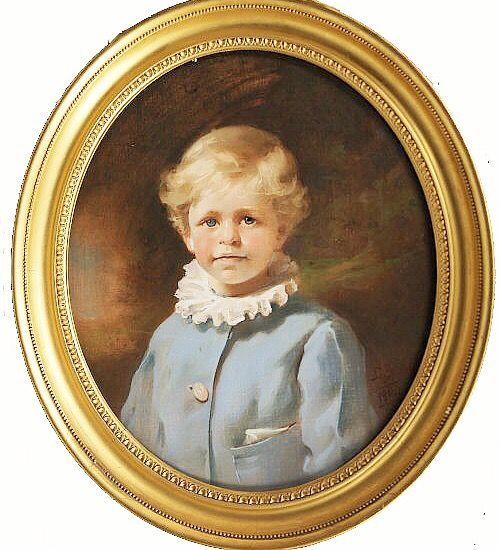
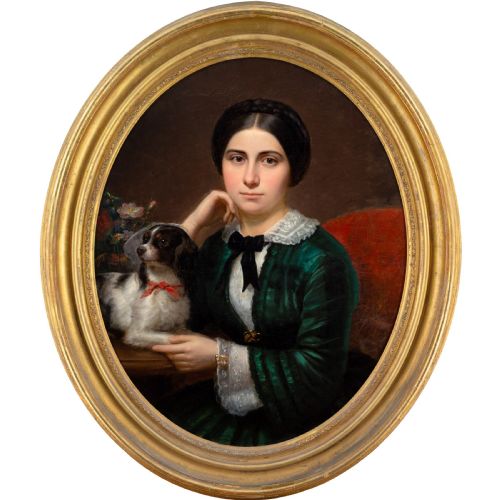
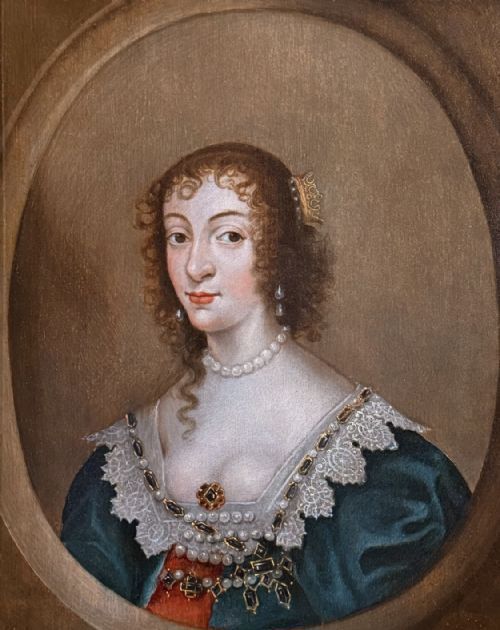
These oval portrait artwork pieces capture centuries of individual likenesses in rounded frames, offering an intimate connection to sitters from past eras.
Oval Portrait Artwork
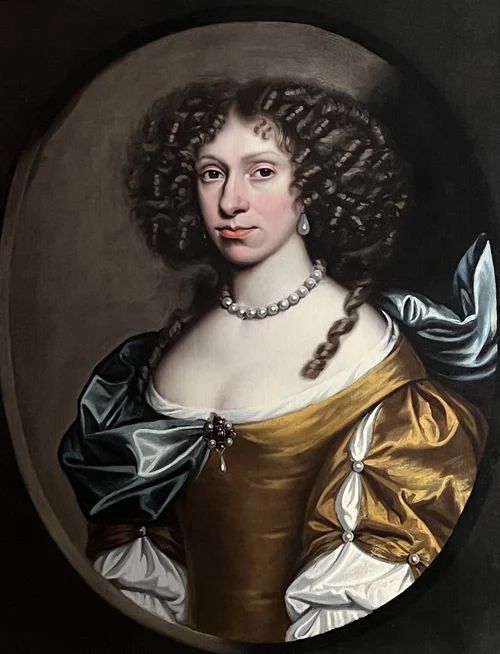
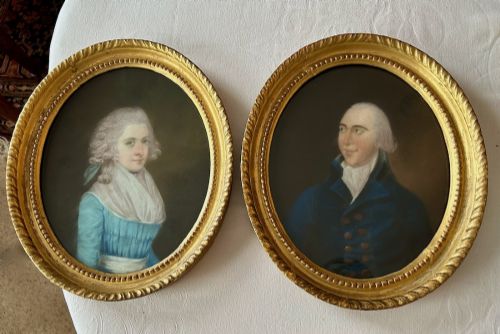
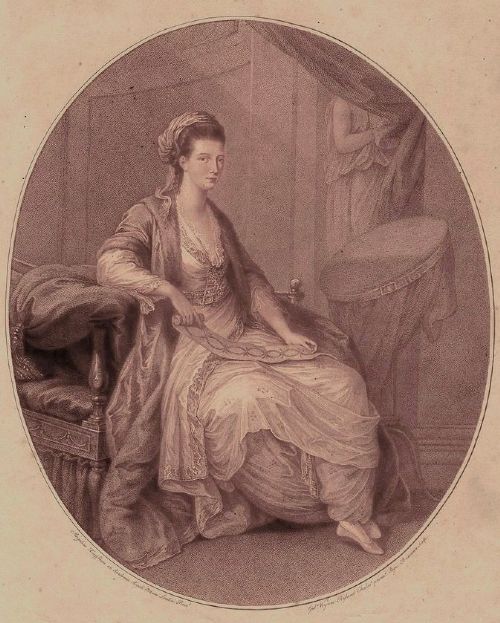
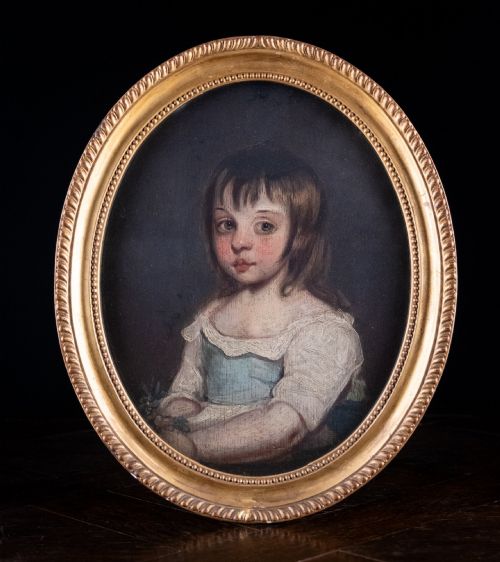
Oval portrait artwork encompasses paintings, prints, and miniatures set within curved boundaries that naturally focus the eye upon the sitter's face. The selection spans centuries from the sixteenth through the early twentieth period, crossing Georgian, Regency, and Victorian aesthetics.
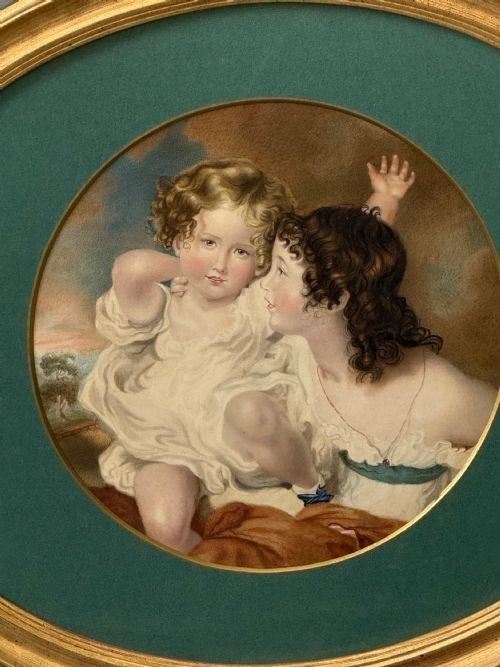
Oil on canvas and panel form the backbone of these listings, alongside delicate watercolours, pastels, and engravings. Buyers encounter stately depictions of nobility alongside quieter studies of country girls, children, and gentlemen.
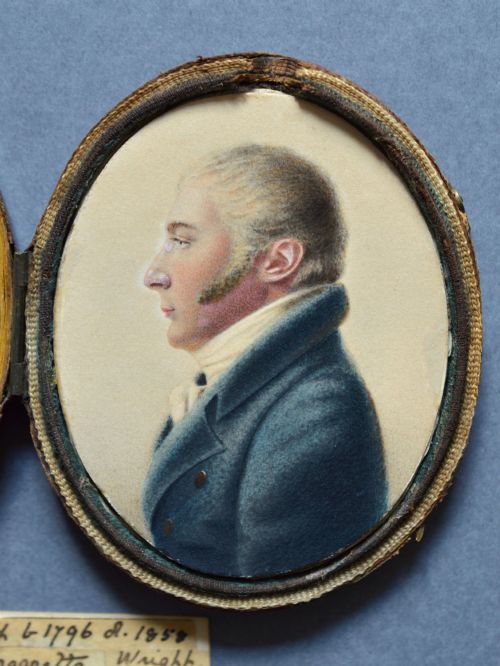
Miniature paintings on glass and paper sit alongside large framed prints and substantial oil paintings. This variety allows collectors to choose between grand wall pieces and intimate cabinet works.
How they were made
Artists painted oil directly onto canvas, wood panels, or glass, often applying multiple thin glazes to build depth in skin tones and fabrics. Watercolour and pastel artists worked on paper or parchment, capturing fine details in lace and hair.
Frames played a structural role, utilising carved wood, giltwood, and ebonised finishes shaped specifically to house the curved edges of the artwork. Glass protected fragile paper works, pastels, and watercolours from environmental damage.
What varies in quality
The precision of facial expression and the handling of drapery dictate the upper tier of these works, where masterly brushwork brings the sitter to life. Lesser examples rely on formulaic repetition and stiff posture without individual character.
Original framing adds distinction, particularly when the period frame matches the exact curvature of the canvas or panel. Condition of the underlying pigment, paper, or glass also separates well-preserved works from those with heavy restoration.
David Scougall·John Smith·Thomas John Horsley·Leon Sprinck·James Gillespie·John Russell·Charles Jervas·Jacobus Houbraken·Louis Icart·Allan Ramsay
The Oval Portrait Artwork Glossary
- Oil on canvas
- Pigment suspended in drying oil applied to a woven fabric support stretched over a wooden frame. This method allowed artists to achieve rich tones and subtle blending.
- Giltwood
- Wood carved and coated with gold leaf or metallic paint to create a brilliant decorative surface. Such frames frequently defined the circular or curved perimeter of early portraits.
- Portrait miniature
- A small-scale painting executed with meticulous detail on materials like vellum, ivory, or card. These portable likenesses were often housed in protective cases or small frames.
- Stipple engraving
- A printmaking technique using dots rather than lines to form the image and create soft tonal gradients. This method was widely used for reproducing popular painted portraits.
- Silhouette
- A solid dark profile image cut from paper or painted onto a background, popular during the Regency era. Gilded versions added highlights to the hair and clothing.
Oval Portrait Artwork: Frequently Asked Questions
What periods do these portraits cover?
The collection spans from the late sixteenth century through the Georgian, Regency, and Victorian eras into the early twentieth century.
Earlier works often feature nobility and stiff collars, while later pieces reflect changing artistic styles and domestic subjects.
How should I hang an oval frame?
Oval frames require secure wall fixings positioned to support their specific weight distribution and curved geometry.
They pair well with rectangular artworks to break up straight gallery walls, or hang individually as focal points.
Are these works original or copies?
The listings include both original hand-painted works and contemporary engravings or later printed copies after master painters.
Descriptions specify whether a piece is an original oil painting, a watercolour, or a printed reproduction.
What materials were used for these portraits?
Common materials include oil on canvas or wood panel, watercolour and pastel on paper, and glass.
Frames typically consist of carved wood finished with gold leaf, giltwood, or ebonisation.