





French Empire Wall Art
French empire wall art brings classical authority and Napoleonic grandeur directly to your rooms through portraits, panels, and torch lights.
French Empire Wall Art
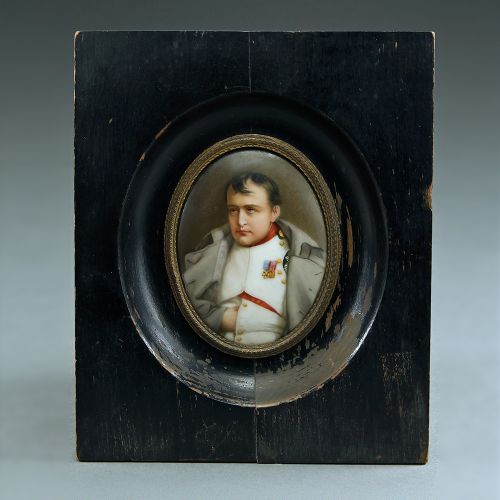
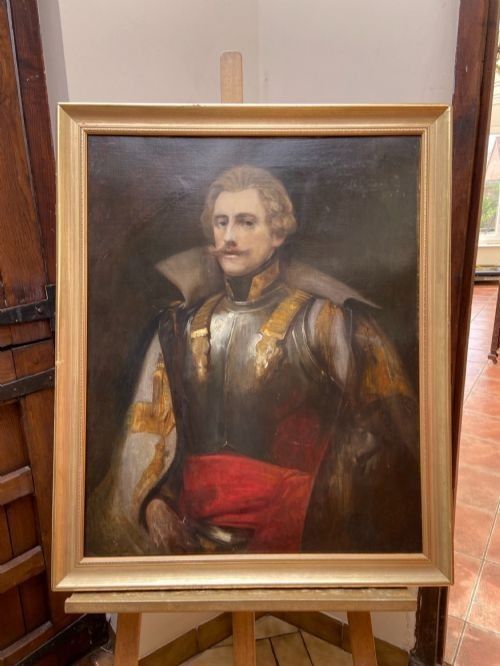
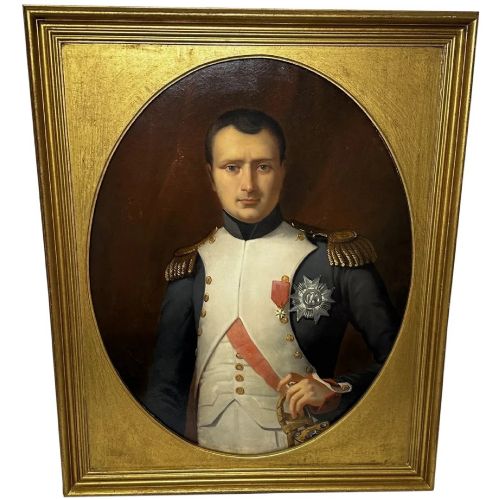
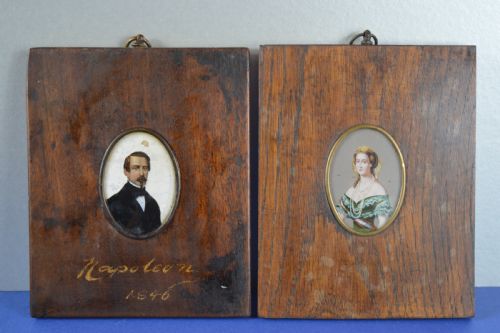
French empire wall art encompasses oil portraits, painted decorative panels, and torch wall lights that echo the neoclassical tastes of the nineteenth century. These pieces frequently feature prominent historical figures such as Napoleon and Marie-Louise Bonaparte, rendered in oils, prints, and cast metals.
The selections available here span from the nineteenth century through later twentieth-century interpretations like Art Deco variations. Buyers encounter framed prints, tapestry embroidery, and miniature portraits alongside larger canvas works.
Originating from French school traditions, these works use classical motifs and mythological themes to project an air of historic weight. The diverse formats allow collectors to choose between bold statement panels and subtle framed details.
Materials and construction
Makers utilised oil on canvas and paper prints, often framed in turned mahogany, gilded wood, or giltwood to accentuate the formal composition. Cast lead bronzed roundels demonstrate the use of metalwork within decorative wall pieces.
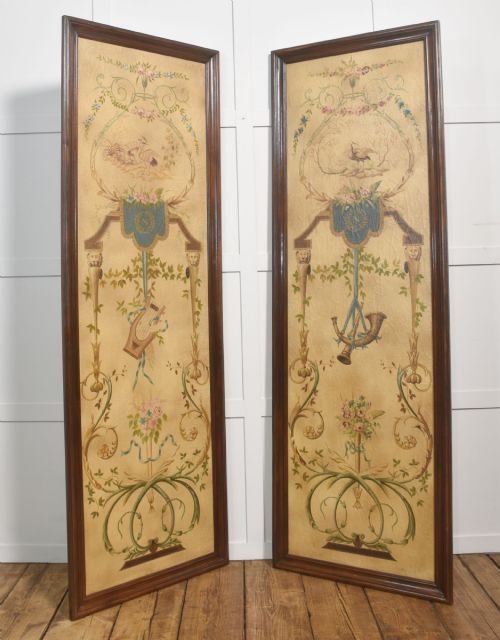
Painted decorative panels incorporate canvas, paper, and paint, whilst torch wall lights integrate structural metals and glass elements. Textile works employ embroidery techniques to depict historic scenes on fabric.
French Empire Wall Art Retail Price Guide 2026
Typical asking prices for french empire wall art among the pieces listed under this phrase on Sellingantiques today, from the lower quarter to the upper quarter. They describe what is for sale here now, not the wider market.
Cupid and cherubs occasionally share wall space with stern emperors, proving that even conquerors need a touch of romance.
Assessing quality and execution
Framing and mounting contribute significantly to the overall presence of the object, particularly in turned mahogany frames and gilded wood surrounds. The integrity of original materials, from cast bronze roundels to paper prints, determines the visual impact of the piece.
Jean Baptiste Isabey
The French Empire Wall Art Glossary
- Giltwood
- Wood that has been treated with a thin layer of gold leaf or gold paint. This finish provides a bright, reflective border to paintings and mirrors.
- Roundel
- A circular panel or artwork, frequently used for portrait reliefs and medallions. These are often housed in turned wooden frames.
- Neoclassical
- A style inspired by the classical art and culture of ancient Greece and Rome. It emphasises symmetry, order, and heroic subject matter.
- Portrait miniature
- A small, highly detailed painting or portrait, often executed on ivory, vellum, or paper. These intimate works were popular for capturing likenesses of prominent leaders.
French Empire Wall Art: Frequently Asked Questions
What subjects appear most often in this art?
Portraits of Napoleon and members of his court dominate many of these works, alongside classical mythological figures and allegorical scenes.
Pairs of decorative panels and prints also feature historical locations and romanticized figures from the nineteenth century.
How do I hang heavy framed pieces securely?
Cast metal roundels and large oil paintings require appropriate wall anchors and sturdy picture wire capable of supporting their substantial weight.
Ensure that fixings match the construction material of your walls, whether plaster or brick, to maintain safe display.
Are these pieces from the original period?
The selection includes genuine nineteenth-century works alongside later twentieth-century interpretations influenced by the same aesthetic.
Dates range from the early nineteenth century through to later commemorative prints and Art Deco adaptations.
How do I care for antique canvas and paper?
Keep works on paper and canvas away from direct sunlight and damp environments to prevent fading and material degradation.
Dust frames and glass gently with a dry cloth, avoiding harsh chemical cleaners that might damage gilded surfaces.