



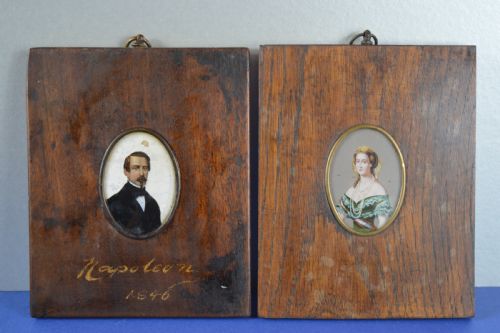


Wooden Framed Portrait Miniature
These wooden framed portrait miniature pieces offer small-scale likenesses of past sitters, prized for their intimate detail and period framing.
Wooden Framed Portrait Miniature
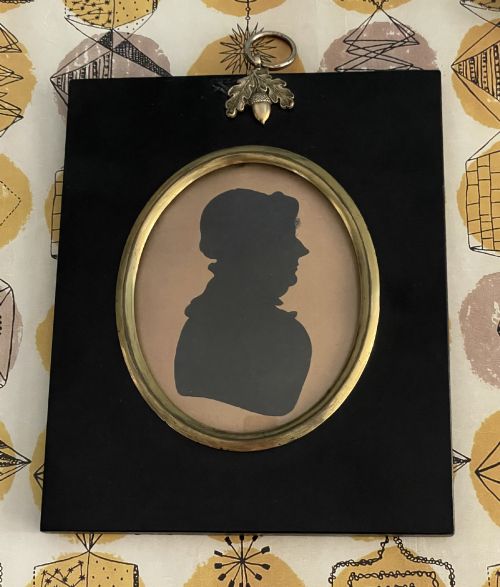
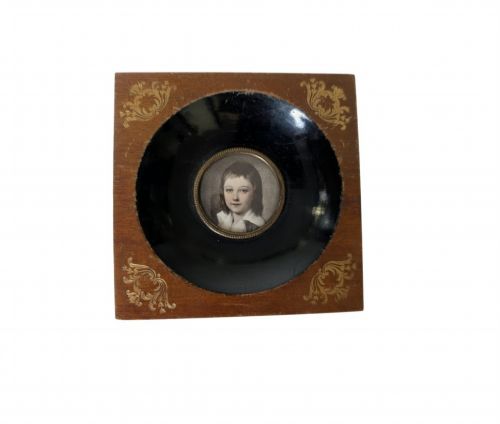
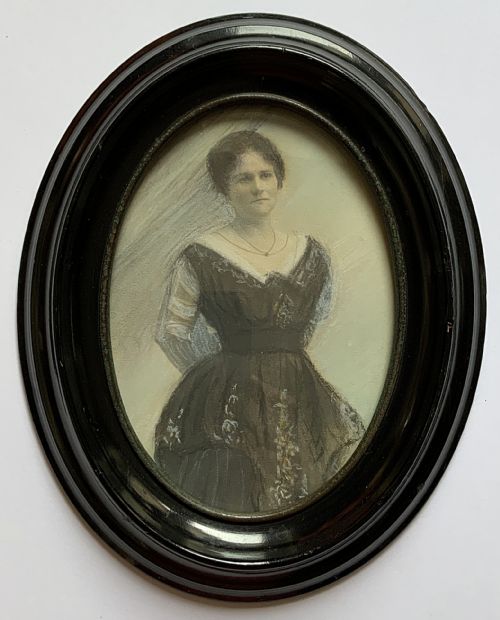
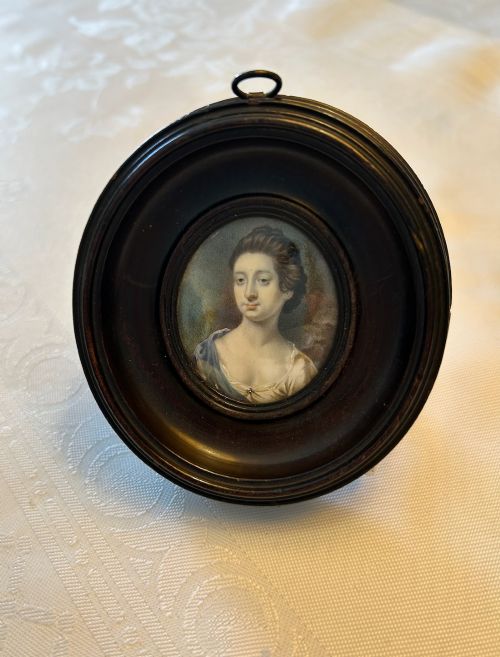
A wooden framed portrait miniature presents a small likeness housed within a timber surround, spanning eighteenth-century and nineteenth-century examples. Buyers inspecting these items encounter formats such as oval watercolour paintings, cut-paper silhouettes, and reverse glass mezzotints.
The selections on this page draw from Victorian, Georgian, and Regency periods, alongside Gothic Revival and Edwardian stylistic influences. Wall art ranges from single subjects to pairs of husband and wife portraits, prints, and framed artwork.
Makers and schools represented in these listings include named artists like James Gillespie, Augustin Edouart, and James Ferguson, alongside pieces attributed to the British School. Subjects vary from individual children and ladies to Napoleon and Empress Eugenie.
How they were made
Makers executed these works using watercolour, pastel, oil paint, and cut-paper silhouette techniques on paper surfaces, sometimes applying plumbago or reverse glass printing. Glazing with glass protected the delicate mediums from atmospheric damage.
Frames utilised wood, often ebonised wood, complemented by brass and metal fittings to secure the artwork and provide hanging capability.
Wooden Framed Portrait Miniature Retail Price Guide 2026
Typical asking prices for wooden framed portrait miniature among the pieces listed under this phrase on Sellingantiques today, from the lower quarter to the upper quarter. They describe what is for sale here now, not the wider market.
A solitary cut silhouette captures a dog, offering a charming canine glimpse into nineteenth-century domestic life alongside human portraiture.
What varies in quality
The fineness of the painted brushwork or the precision of the cut-paper silhouette defines the upper tier of these works, alongside the clarity of reverse glass mezzotints. Named artists and documented provenances elevate certain examples above anonymous workshop output.
The preservation of the original timber frame, whether ebonised wood or simpler moulding, contributes significantly to the overall integrity of the piece.
James Gillespie·Augustin Edouart·James Ferguson
The Wooden Framed Portrait Miniature Glossary
- Silhouettes
- A profile portrait filled in with a solid colour, usually black, often cut from paper or painted. This technique gained immense popularity during the eighteenth and nineteenth centuries.
- Plumbago
- A drawing executed in graphite, taking its name from the Latin word for black lead. These monochrome works achieve remarkable detail in miniature form.
- Reverse glass mezzotint
- An image printed or painted on the underside of a glass sheet, creating a luminous finished surface. This delicate method required high skill from the printmaker.
- Ebonised wood
- Timber treated with a dark finish to imitate expensive ebony. It provided a stark, contrasting border that made colourful or pale miniatures stand out.
Wooden Framed Portrait Miniature: Frequently Asked Questions
What periods do these miniatures come from?
The inventory spans the eighteenth and nineteenth centuries, taking in Georgian, Regency, and Victorian eras. Later pieces extend into the Edwardian period.
Buyers will find that stylistic markers often align with the specific reign of the monarch, reflecting prevailing tastes in portraiture.
How were these miniature portraits displayed?
These artworks were designed for wall display, housed within dedicated wooden frames that frequently incorporated glass and brass elements.
Pairs and single framed artworks allowed families to display generations of ancestors or notable historical figures together in domestic interiors.
What mediums were used in the portraits?
Artists utilised watercolour, pastel, oil paint, and cut-paper, sometimes working with plumbago or reverse glass printing techniques.
These varied materials allowed for both detailed chromatic likenesses and stark, elegant profile silhouettes.
Are the subjects of the portraits identified?
Some pieces feature well-known historical figures such as Napoleon and Empress Eugenie, or named sitters with documented provenance and annotations on the rear.
Other works depict anonymous subjects attributed to specific regional traditions, such as the British School or Viennese printmakers.