
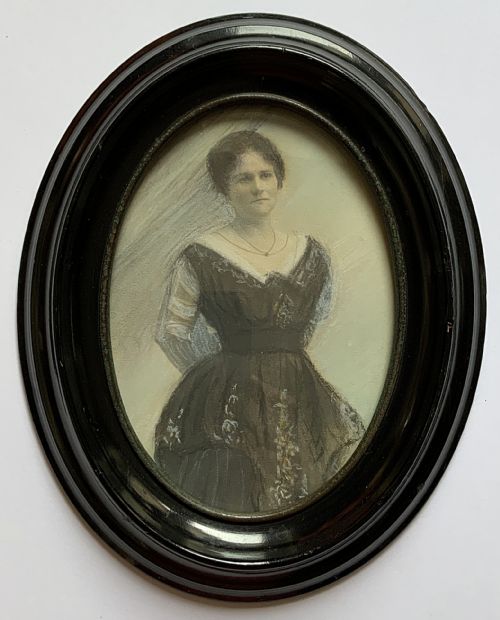
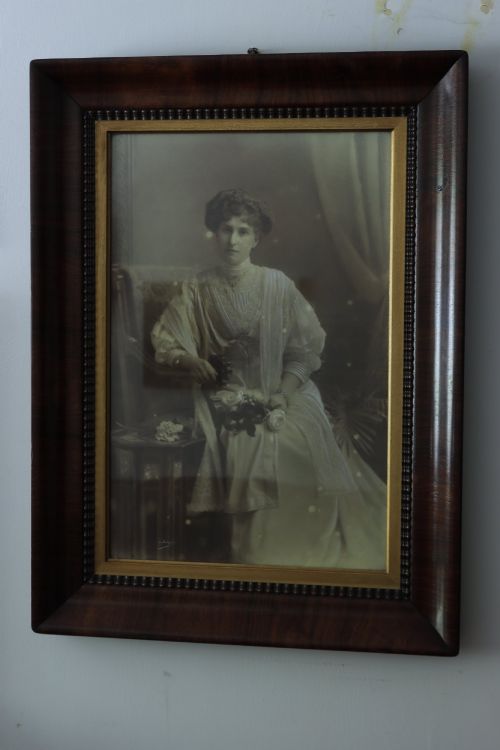


Framed Lady Picture
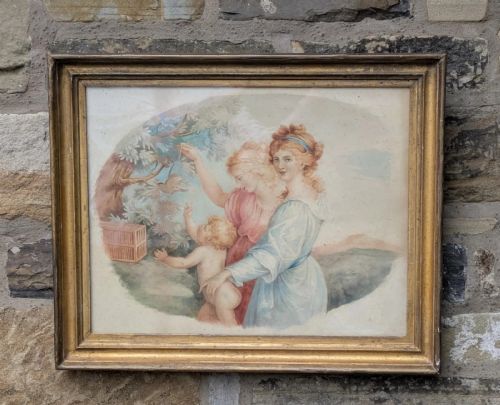
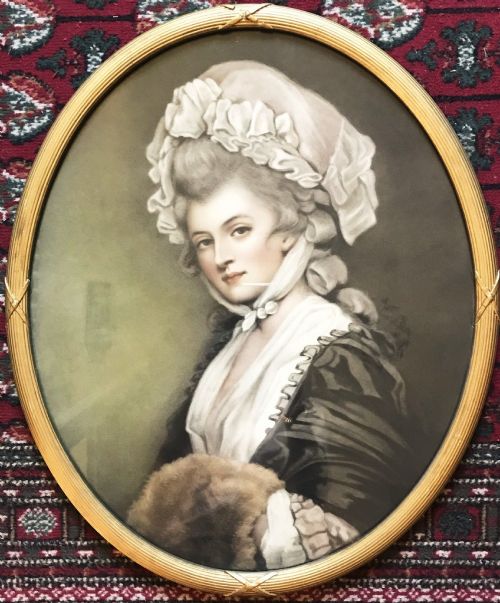
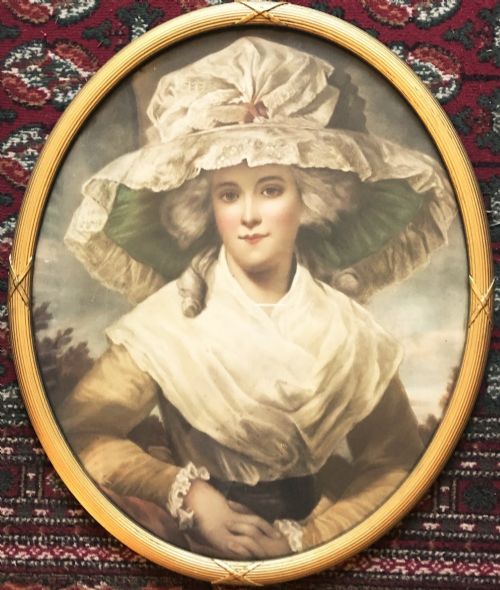
A framed lady picture captures historical portraiture in oil, watercolour, pastel, and print, bringing character and period elegance directly to the wall.
Framed Lady Picture
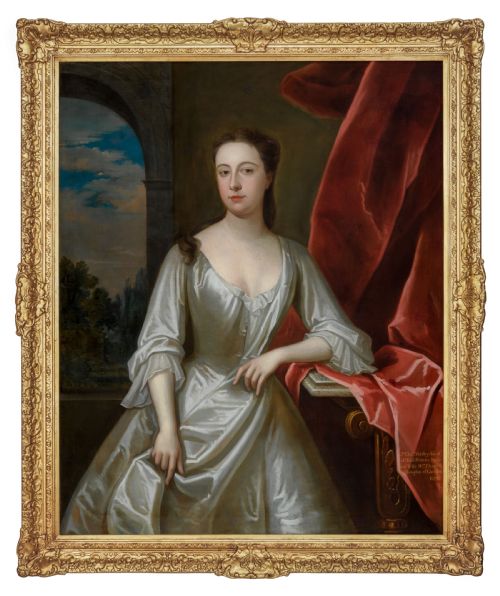
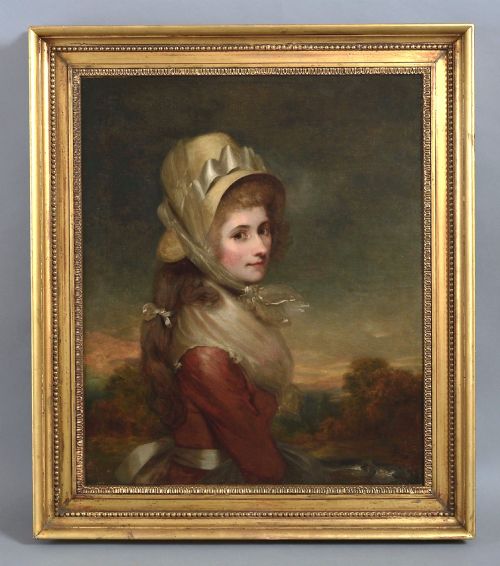
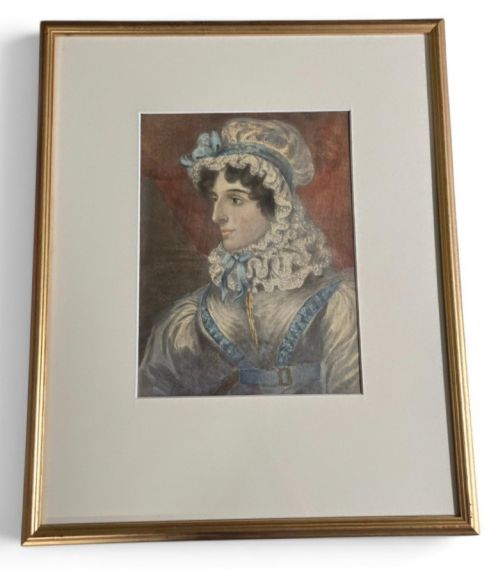
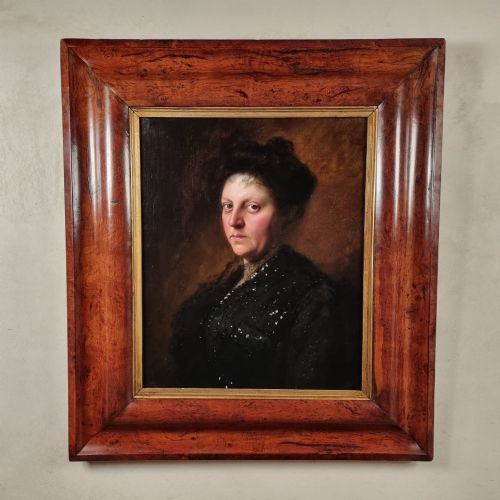
A framed lady picture encompasses centuries of portraiture depicting women, ranging from grand Georgian oil paintings on canvas to delicate Regency silhouettes and Victorian watercolours.
Buyers seeking a framed lady picture commonly encounter works from the eighteenth and nineteenth centuries, including British and European school portraits housed in original giltwood or ebonised frames.
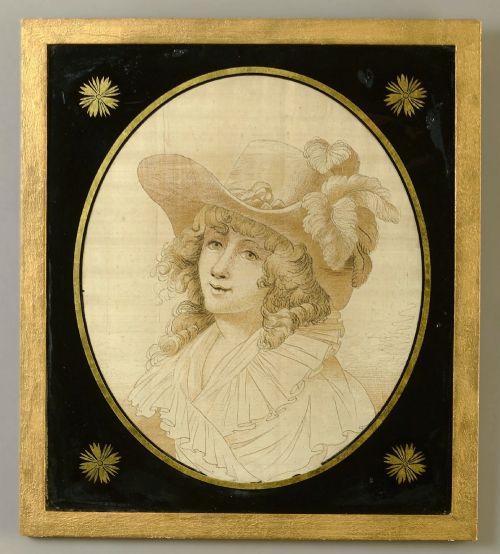
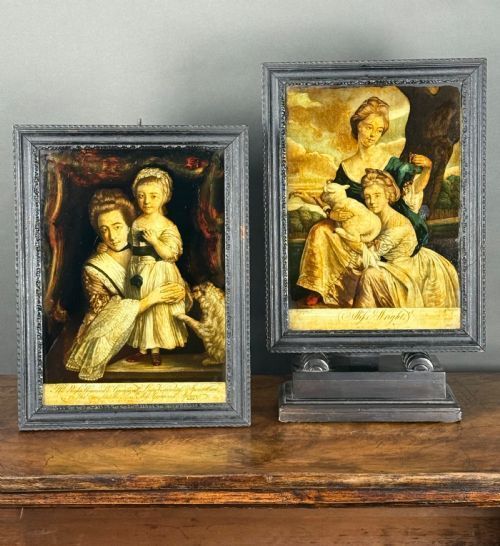
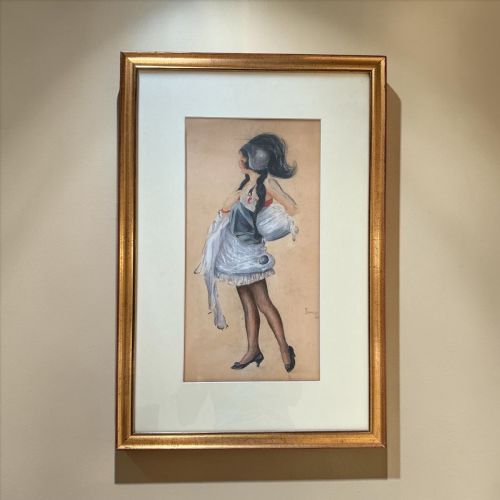
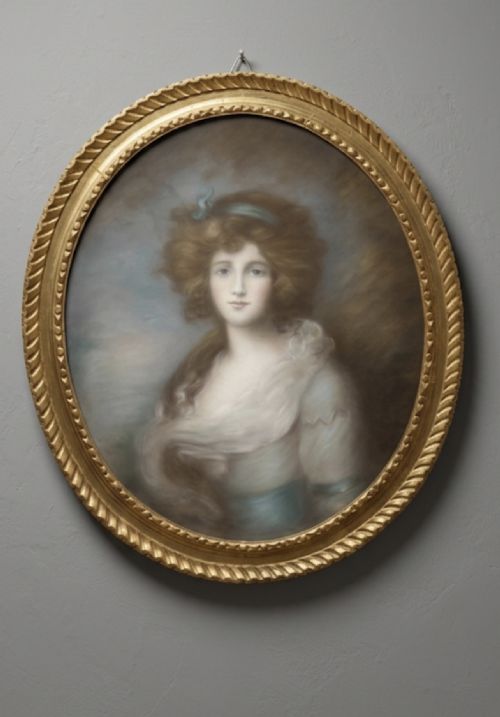
The selection ranges from formal depictions of nobility, such as duchesses and countesses, to intimate family miniatures, reverse glass prints, and pastel studies of young women.
How they were made
Makers utilised traditional artist materials, applying oil paints to canvas, watercolours and gouache to paper, or pastels to textured grounds, often mounted behind protective glass.
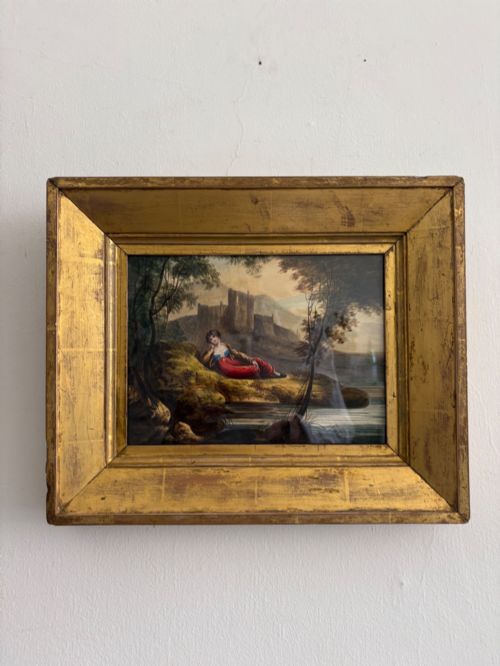
Frames are integral to the piece, constructed from wood such as maple, rosewood, or gilt wood, frequently finished with ornate gold leaf gilding or circular ebonised mouldings.
Listings span from the 18th century through the Edwardian era, featuring works in oil, watercolour, pastel, glass, and woven silk.
What varies in quality
Quality rests in the precision of the draughtsmanship and the psychological depth of the portrait, separating studio masterworks from mass-produced decorative prints.
The preservation of the medium, the clarity of the paper or canvas, and the integrity of the original period frame heavily influence the standing of each artwork.
Sir Godfrey Kneller·Sir Martin Archer Shee·Thomas Gainsborough·Sir Joshua Reynolds RA·John Raphael Smith·Fernand Toussaint
The Framed Lady Picture Glossary
- Silhouette
- A profile portrait filled in with a solid dark colour, typically cut from paper or painted on card or glass during the Georgian and Regency periods. These monochromatic likenesses often feature delicate gilded highlights.
- Reverse glass mezzotint
- A print transferred onto glass and hand-coloured from behind, creating a luminous finish popular during the eighteenth century. This technique produces rich depth without traditional varnish.
- Portrait miniature
- A small-scale painting executed with fine detail on ivory, vellum, or card, designed to be held or displayed in a portable case or small frame.
- Giltwood
- Timber carved and coated with gold leaf or metallic powder, commonly utilised for ornate eighteenth and nineteenth-century picture frames.
Framed Lady Picture: Frequently Asked Questions
How do I identify the period of a framed lady picture?
Examine the sitter's costume, hairstyle, and framing materials alongside any visible inscriptions or labels on the reverse. Georgian and Regency works typically display neoclassical attire and simplified frames, while Victorian pieces favour elaborate garments and deeper mouldings.
The backing boards, fixings, and type of glass also offer clues to the age of the framing assembly, distinguishing original mountings from later replacements.
What is the difference between an oil painting and a watercolour portrait?
Oil paintings utilise pigment suspended in drying oil on canvas or panel, offering rich textures and deep colour blending. Watercolours combine gum-soluble pigments on paper, producing a translucent and lighter finish.
Watercolour portraits are typically displayed behind glass for protection, whereas older oil paintings on canvas remain exposed to the air unless housed in glazed shadow boxes.
Are silhouette portraits considered paintings?
Silhouettes are graphic profile likenesses rather than traditional paintings, executed using ink, watercolour, or cut paper mounted against a contrasting background. Many Regency examples feature delicate hand-painted gilt embellishments on the clothing.
These pieces were housed in slender wood frames, often made of rosewood or ebonised timber, designed to accent the stark contrast of the profile.
How should I care for antique portrait art?
Keep framed portraits away from direct sunlight and areas of high humidity to protect vulnerable watercolours, pastels, and paper prints from fading or foxing. Stable indoor temperatures prevent the wood in antique frames from warping.
Dust frames gently with a dry, soft cloth and avoid using chemical cleaners on gilt surfaces or aged glass.