


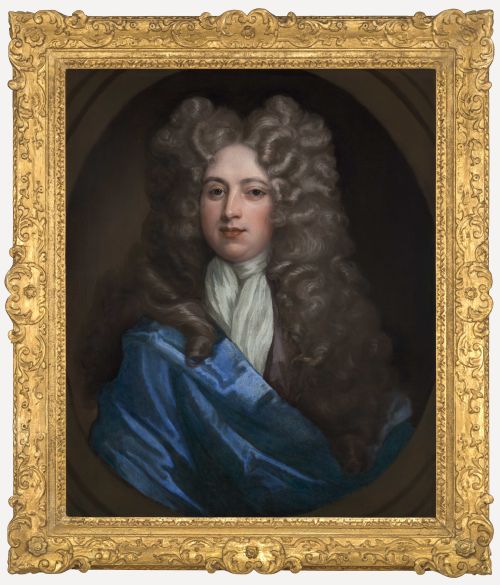
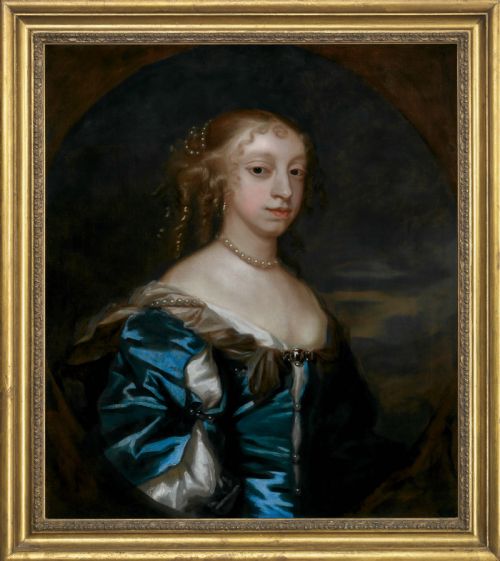

Oval Framed Portrait
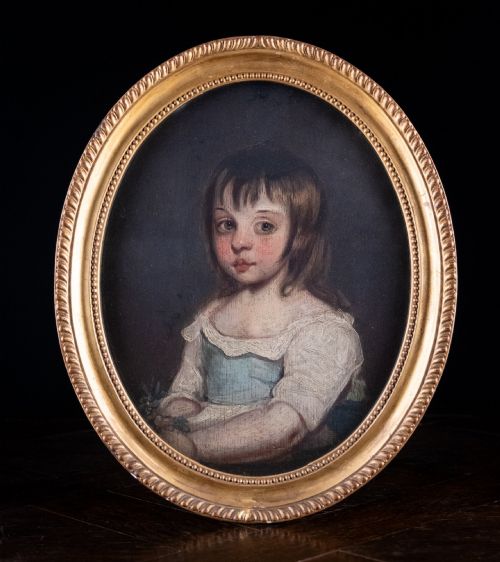
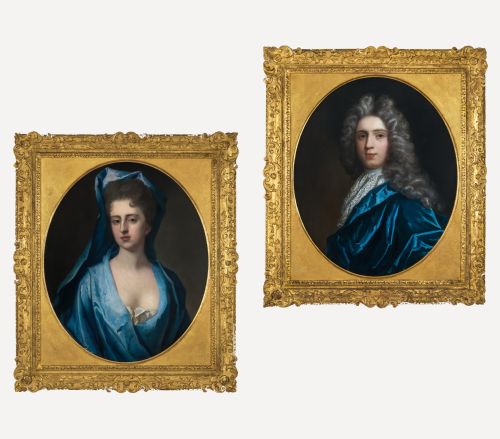
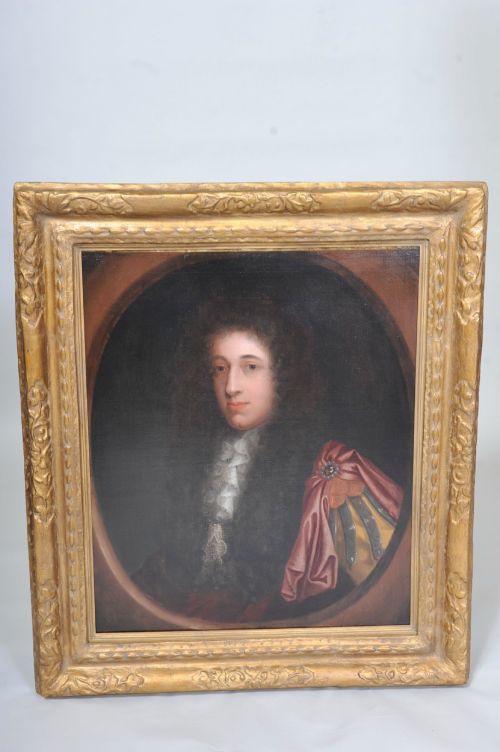
These oval framed portrait pieces capture likenesses across centuries through oils, pastels, watercolours, and plaster reliefs.

What oval framed portrait pieces are
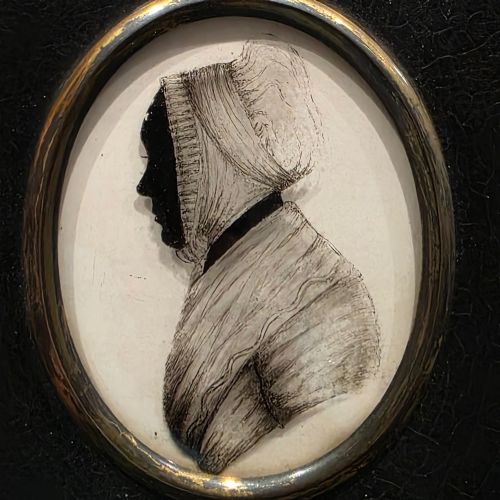
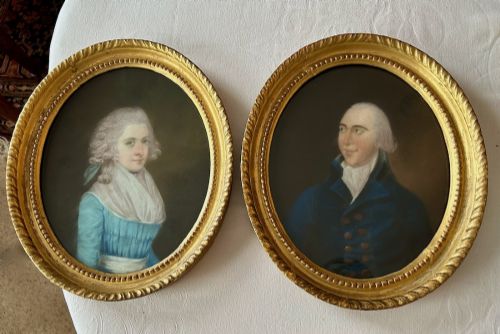
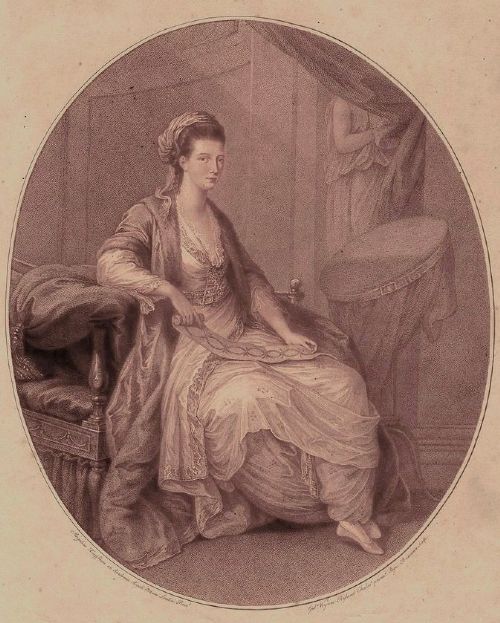
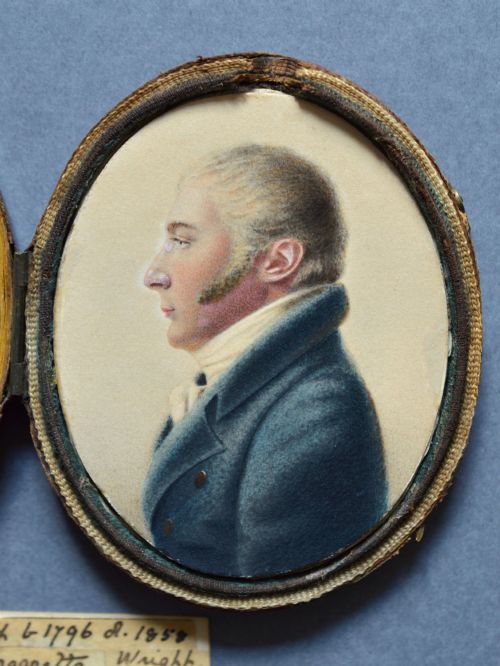
An oval framed portrait presents a subject within a curved boundary, drawing the eye directly to the face of the sitter. These works span the eighteenth and nineteenth centuries, taking the form of oil paintings on canvas or wood panel, pastel drawings on paper, watercolours, plaster reliefs, and porcelain miniatures.
You are most likely to meet nineteenth-century examples on this page, particularly French and British works depicting women, children, and gentlemen. The selection also includes earlier German and Austrian pieces, alongside Edwardian and Victorian depictions ranging from intimate miniatures to larger wall art.
The format itself influences the composition, often placing the sitter tightly within the perimeter to emphasise expression and character. Whether rendered in soft pastels or rich oil colours, each piece offers a distinct window into past portraiture traditions.
How they were made
Makers built these pieces using varied supports, applying oil paint to canvas or wood panel, pastel and watercolour to paper, and casting plaster or porcelain. Each medium required specific handling, from the delicate layering of dry pastel pigment to the careful build-up of oil glazes.
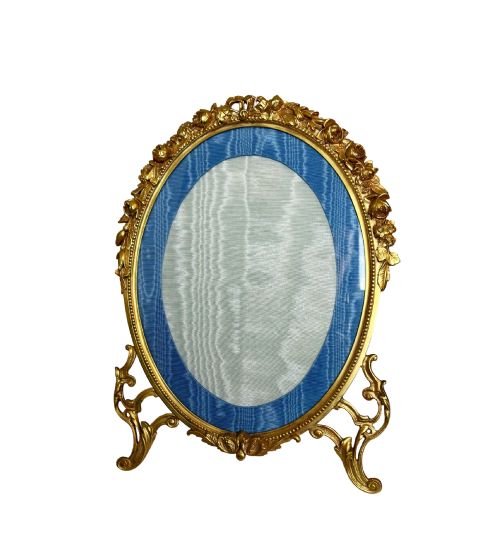
The frames form an integral part of the construction, utilising carved giltwood, ormolu, and wood to enclose the curved composition securely. Many incorporate protective glass over paper and canvas works, preserving the delicate surfaces from dust and handling.
Retail Price Guide 2026
Typical UK retail prices for oval framed portrait, calculated from the Sellingantiques database of over a million retail prices indexed since 2003. This retail price guide relies exclusively on Sellingantiques data; no external sources or auction records are used, so the figures do not describe the wider market.
The listings combine oil paintings, pastel drawings, watercolours, plaster reliefs, and porcelain miniatures across the eighteenth and nineteenth centuries.
What varies in quality
Quality rests in the precision of the draughtsmanship and the psychological depth captured in the sitter's expression. Superior examples demonstrate a confident handling of anatomy, light, and texture, particularly in the rendering of textiles, hair, and skin tones.
The framing contributes heavily to the overall merit, with period giltwood and ormolu mounts offering greater distinction than simpler surrounds. The integrity of the underlying support, whether panel, canvas, or paper, dictates how well the portrait has survived the decades.
Emily Eyres·Henry Tanworth Wells·William Staveley·John Phillip RA
The Oval Framed Portrait Glossary
- Giltwood
- Wood carved and covered with a thin layer of gold leaf. This finish provides a bright, reflective border suited to formal nineteenth-century frames.
- Pastel on Paper
- A dry medium of powdered pigment pressed into sticks and applied to paper supports. It yields a soft, velvety texture that requires glass protection.
- Oil on Canvas
- Pigment mixed with drying oil applied to a stretched woven fabric. This method allows for rich colour depth and blending across centuries.
- Plaster Relief
- A three-dimensional sculptural casting made from gypsum plaster. Such pieces project outward from a flat background within an oval boundary.
- Portrait Miniature
- A small-scale painting executed with immense detail. These portable works often utilise delicate materials like porcelain or ivory.
Frequently Asked Questions
What periods do these portraits cover?
The available selection spans primarily from the eighteenth century through the nineteenth century and into the Edwardian era. You will encounter Georgian, Victorian, and French School pieces.
Each period brings distinct clothing styles, hairstyles, and artistic techniques that help place the artwork in its proper historical context.
What materials are used for the frames?
Frames utilise materials such as giltwood, plain wood, ormolu, and malachite. These enclose canvases, wood panels, paper drawings, and porcelain plaques.
The framing often matches the period of the artwork, providing structural support and aesthetic completion to the curved composition.
How do I care for a pastel portrait?
Pastel works on paper require glass protection because the dry pigment remains fragile and easily displaced by touch or vibration. Keep them away from direct sunlight to prevent fading.
Humidity control is also vital to prevent mould growth and paper degradation behind the glazing.