



Oval Framed Portrait Art
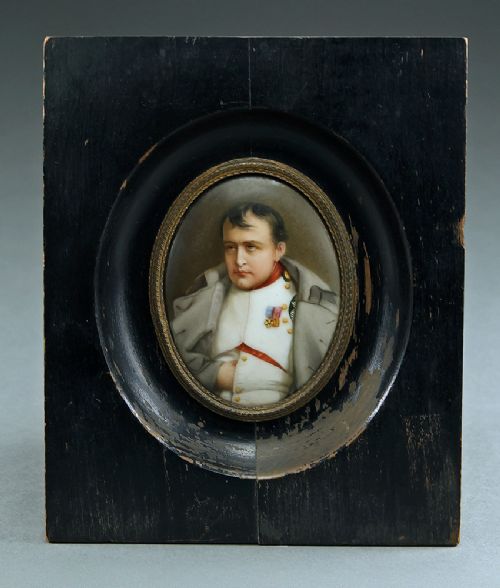
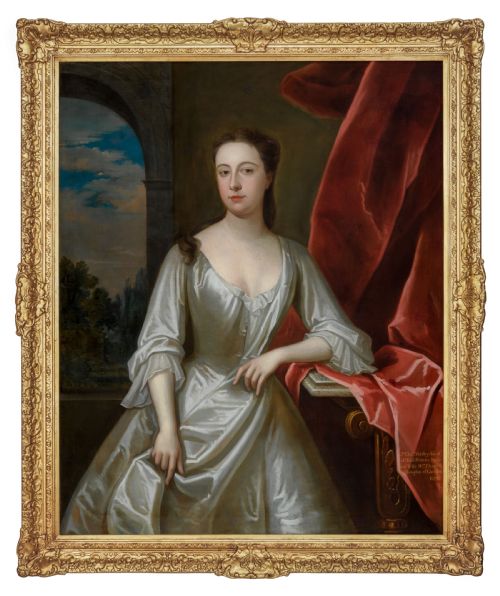
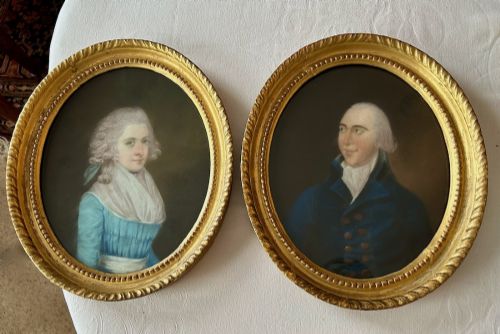
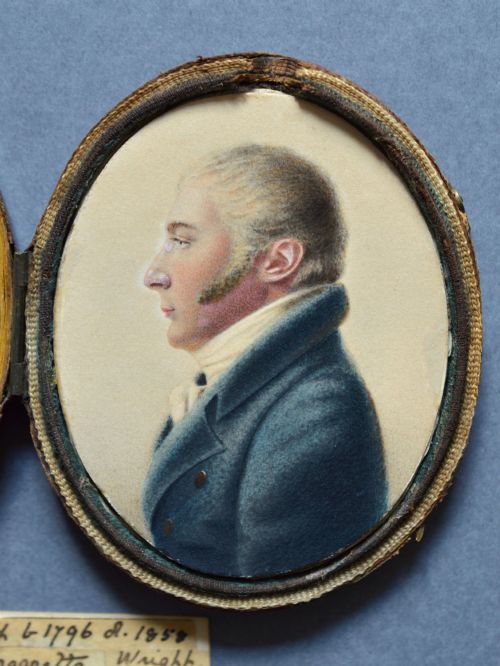
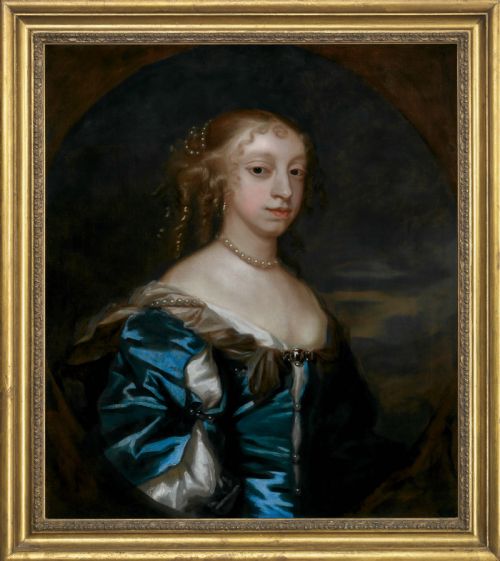
When you search for oval framed portrait art, you are looking at centuries of likenesses captured in paint, pastel, silhouette and enamel, preserved in distinct curved housings.
Oval Framed Portrait Art
Oval framed portrait art comprises works from the 16th century through to the Victorian era and 1900, spanning British Baroque, Italian Renaissance, Georgian, Regency, and 19th-century academic styles.
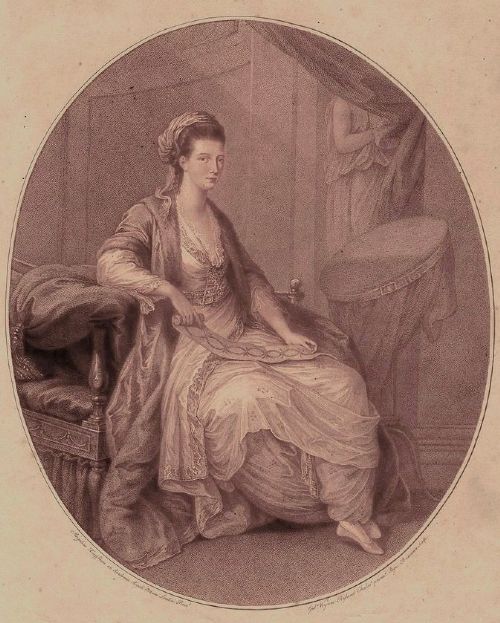
The objects take several forms, most notably portrait miniatures, framed prints, engravings, pastel drawings, watercolours, and oil paintings on canvas or panel.
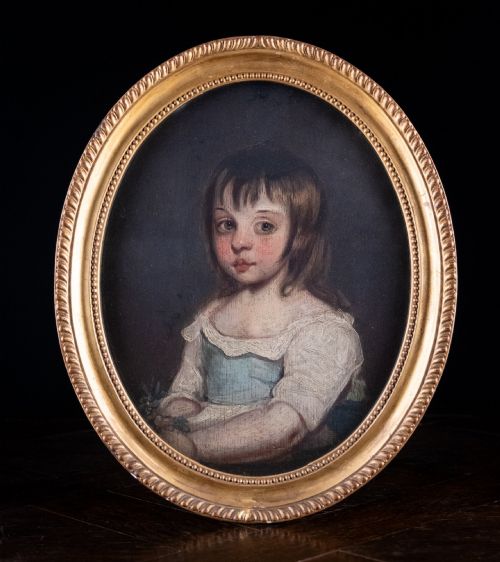
Subjects range from titled nobility and historical figures such as Queen Henrietta Maria and King William III to unnamed gentlemen, ladies, and children captured by British and continental schools.
Materials and construction methods
The visual surfaces rely on oil on canvas, oil on panel, watercolour, pastel, enamel, and paper prints or stipple engravings.
Enclosures utilise timber, giltwood, and gold leaf, often integrating glass to protect the delicate media beneath.
Artists executed their subjects using precise hand-rendering techniques, ranging from the minute stippling of portrait miniatures to bold brushwork in large oil paintings.
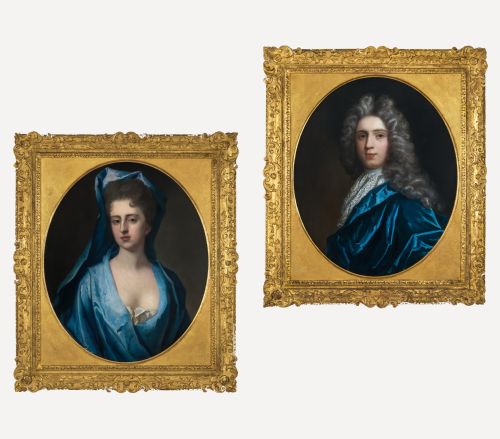
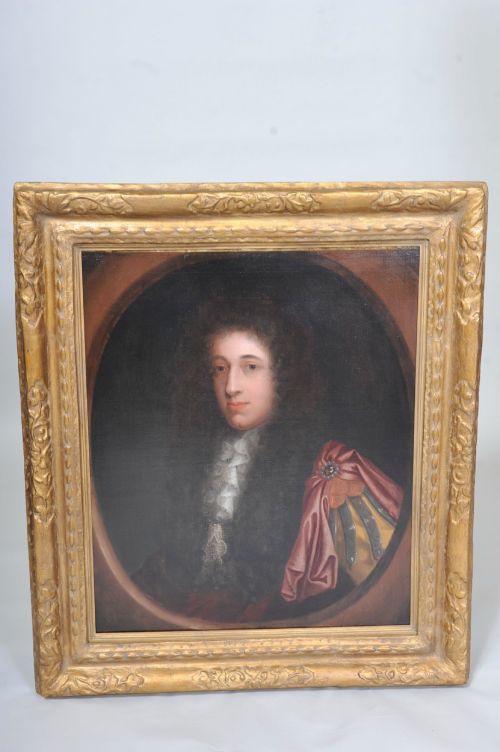
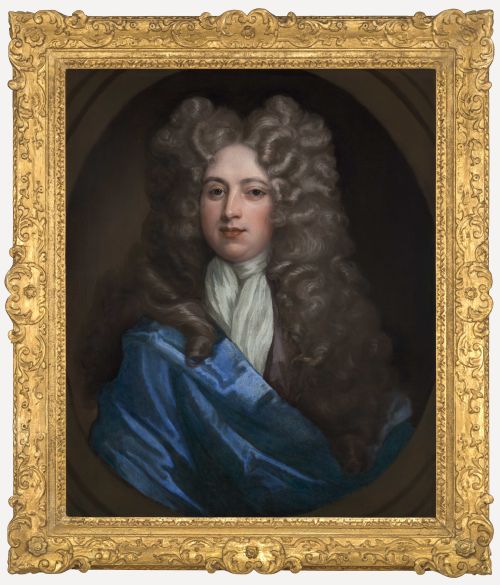
Several gentlemen in the collection sport impressively large periwigs that threaten to spill entirely out of their frames.
Indicators of quality
The integrity of the frame matters equally, with original period giltwood and gold leaf surrounds holding higher regard than later replacements.
Provenance and attribution to documented hands or recognised schools elevate certain pieces well above standard anonymous works.
Sir Godfrey Kneller·James Sharples·Henry Bone·Thomas Murray·Richard Cosway·John Russell
The Oval Framed Portrait Art Glossary
- Portrait Miniature
- A small-scale painting or portrait, often executed in watercolour or enamel, designed for intimate viewing or pendant wear.
- Giltwood
- Wood carved and coated with gold leaf or a gold-coloured finish, frequently seen on period frames.
- Silhouette
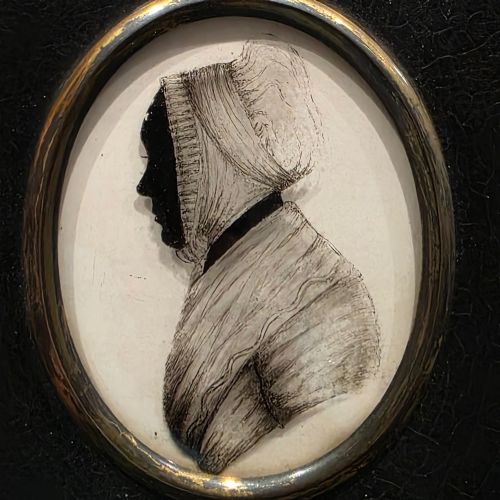
- A portrait profile filled in with a solid dark colour, commonly cut from paper or painted on card or glass.
- Stipple Engraving
- A printmaking technique using dots to render tonal gradations and form, popular for 18th-century portraits.
- Periwig
- A voluminous man's wig fashionable in the 17th and early 18th centuries, frequently depicted in formal portraits.
Oval Framed Portrait Art: Frequently Asked Questions
How do I date an oval portrait?
Dating relies heavily on costume, hair styling, and framing materials. Periwigs, lace collars, and specific bonnet shapes point directly to the prevailing fashions of the sitter's era.
The construction of the frame and the backing boards also provide physical clues that align with specific centuries like the Georgian or Regency periods.
Were these always meant for walls?
While many oil paintings and large watercolours were hung in formal rooms, smaller portrait miniatures and silhouettes were often kept inside travel cases, worn as pendants, or placed on intimate tables.
The scale of the piece usually dictates whether it belonged on a drawing room wall or in a personal collection.
How should I hang these portraits?
These works suit traditional gallery arrangements, often grouped by period or frame style. Ensure they hang away from direct sunlight to protect vulnerable watercolours, pastels, and paper surfaces from fading.
Because of the curved format, pairing them with rectangular pieces creates a striking visual contrast on a wall.
What is the difference between an engraving and an oil painting here?
Engravings are printed multiples on paper created using inked metal plates, capturing fine linear detail through mechanical and manual pressing. Oil paintings are unique, hand-painted works executed directly onto canvas or wooden panels with pigmented oils.
Both were frequently housed in matching oval frames to suit the formal aesthetics of past centuries.