


18th Century Military Painting
When you seek an 18th century military painting, you uncover oil portraits, watercolours and miniatures depicting officers and soldiers in uniform.
18th Century Military Painting
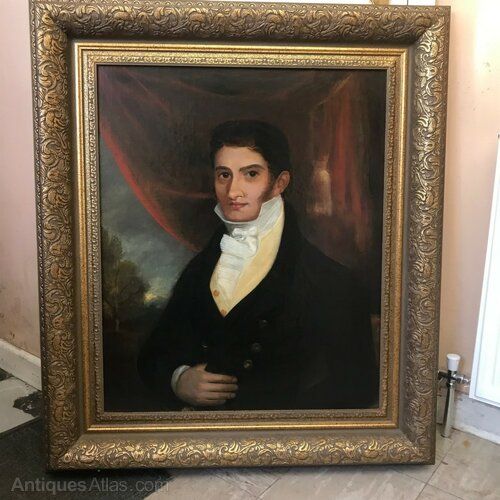
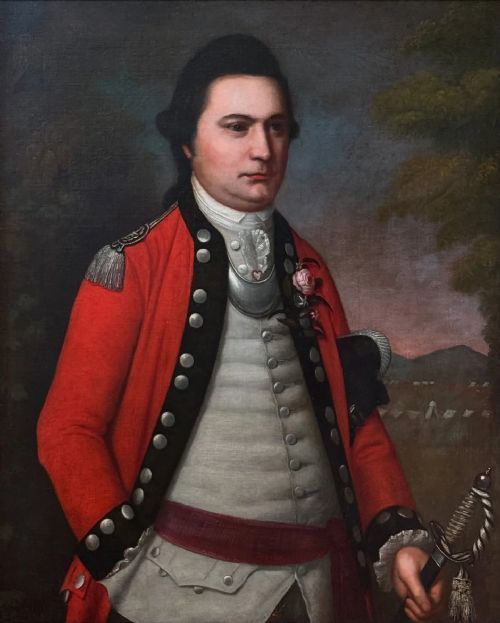
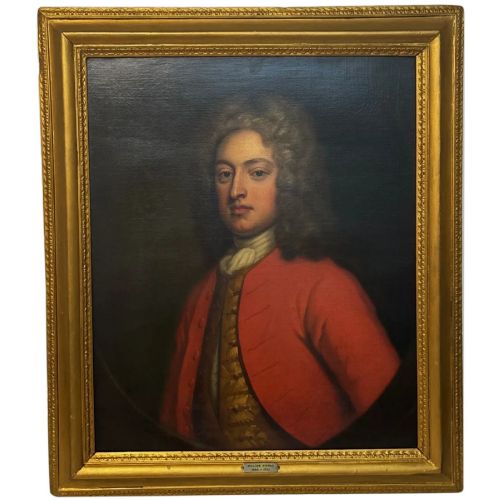
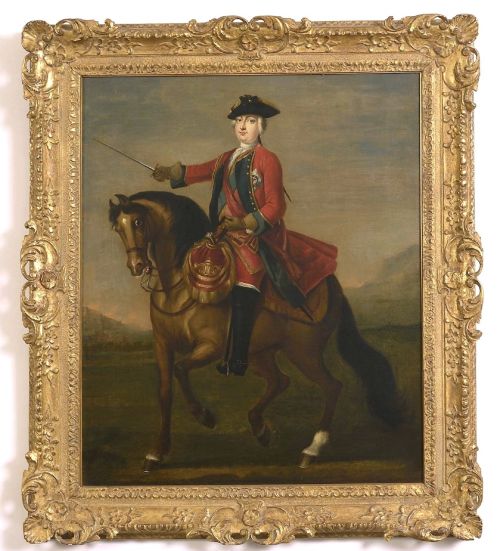
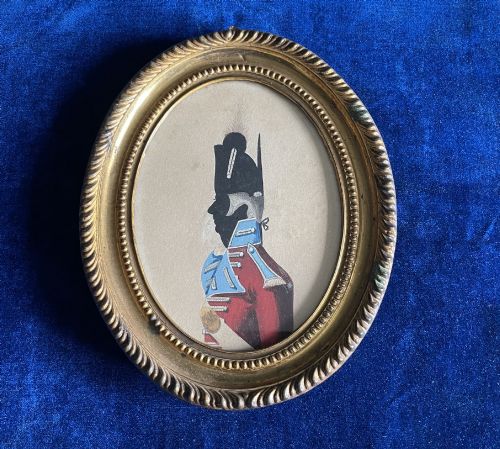
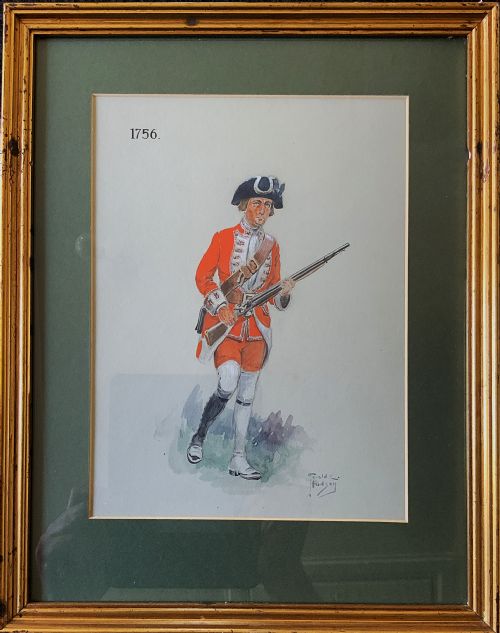
An 18th century military painting encompasses works created during the 18th century or portraying subjects from that era, rendered in oil on canvas, watercolour and wash, or reverse glass print. These artworks document naval and army officers, generals, and regiment bandsmen through individual portraiture and cavalry skirmish scenes.
The most common formats on this page are oil paintings on canvas and portrait miniatures framed in gold or wood, alongside works originating from English, German, Austrian, and Italian schools. Subjects range from named commanders such as the Duke of Cumberland and Admiral Sir Graham Moore to anonymous militia musicians and foreign aristocrats.
How they were made
Artists painted primarily with oil on canvas or applied watercolour and wash onto paper, occasionally employing reverse glass printing techniques or painting directly onto agate panels.
Finished works found their presentation in carved giltwood frames, or in precision-made 18k gold frames designed to house delicate miniature portraits.
Listings feature works spanning the 18th century, the 19th century, and the year 1930, utilising oil, watercolour, glass, and wood.
What varies in quality
Quality rests in the precision of the subject's uniform detailing, the anatomical accuracy of the portraiture, and the expressive handling of the medium by the artist or attributed circle.
The provenance and attribution to recorded painters, alongside the survival of original mounting materials such as giltwood or gold framing, distinguish the finer examples.
Stickland Lowry·John Wootton·Thomas Hudson·Nicolas De Largillière·John Simmons·Sir Thomas Lawrence·Edward Pugh·Henry Walton·Samuel Lane·Jean-Baptiste Santerre·Gerrit Schipper·Angelica Kauffman·Robert Ker Porter·Harry Ashby
The 18th Century Military Painting Glossary
- Oil on Canvas
- Pigment mixed with drying oil applied to a stretched fabric support. This medium allowed artists to achieve rich tones and durable portrait surfaces.
- Portrait Miniature
- A small, highly detailed painting created on materials such as paper, card, or agate panel. These portable works frequently depicted military officers for personal keepsake.
- Reverse Glass Print
- An image applied directly to the back of a glass panel to be viewed from the front. This technique produced a glossy finish popular for commemorative prints.
- Giltwood
- Wood carved and coated with a thin layer of gold leaf. Frames executed in this material provided ornate borders for formal military portraiture.
- Watercolour and Wash
- Pigment combined with a water-soluble binder, often layered with transparent monochrome washes. This technique offered rapid execution for field sketches and studies.
18th Century Military Painting: Frequently Asked Questions
What is an 18th century military painting?
An 18th century military painting is an artwork depicting soldiers, sailors, officers, or combat scenes from the 1700s. These pieces include large canvas oils and intimate portrait miniatures.
Subjects range from named historical commanders to anonymous militia musicians. They serve as both historical records and fine art portraits.
How were military miniatures used?
Military miniatures served as portable tokens of affection or status for officers and their families. Their small scale allowed them to be carried during campaigns.
They were frequently housed in precious metal cases or integrated into personal accessories.
Who painted these military portraits?
Portraits were executed by professional portraitists, military artists, and regional European school painters. Some works are attributed to prominent portrait painters of the period.
Others record the output of contemporary artists working within established artistic circles.
How do I identify the period?
Period identification relies on uniform styles, hair fashions, artistic techniques, and recorded biographical dates of the sitter. Documentation on the reverse or within historical records also aids dating.
Clothing details such as hats, sashes, and coats provide precise chronological markers for military dress.
What materials were used?
Artists used oil paint on canvas, watercolour and wash on paper, and pigments on agate panels. Supporting structures included wood, glass, and gold framing.
Giltwood frames and glass panels protected the delicate painted surfaces from environmental damage.