
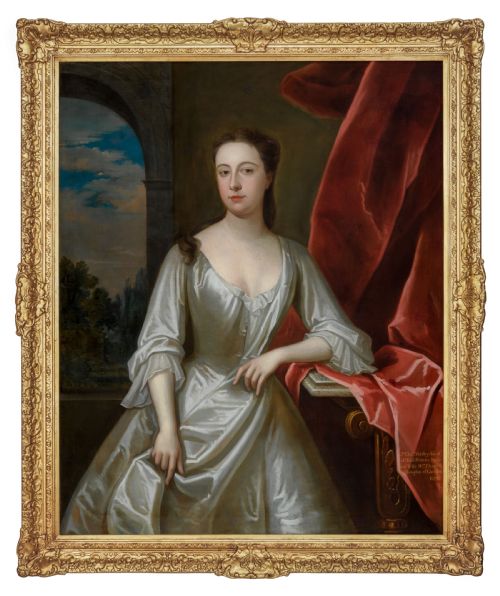

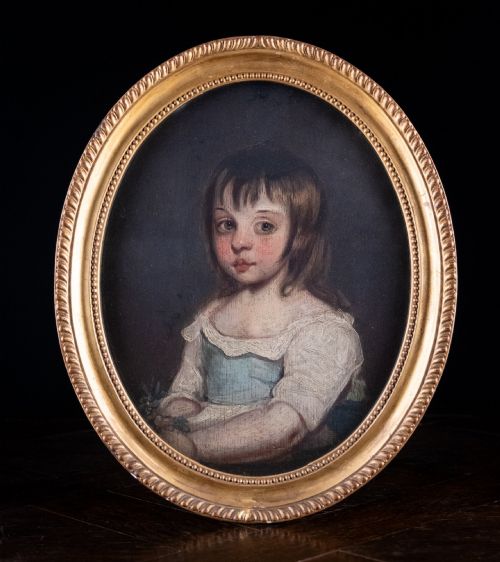
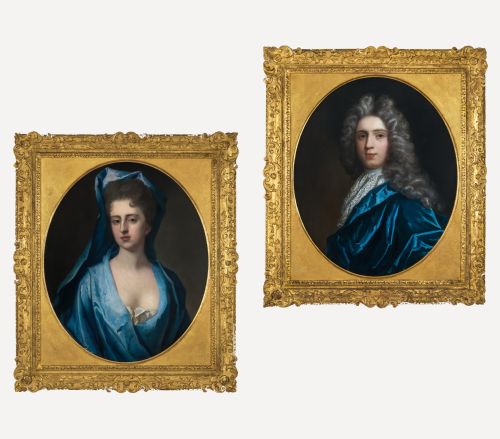
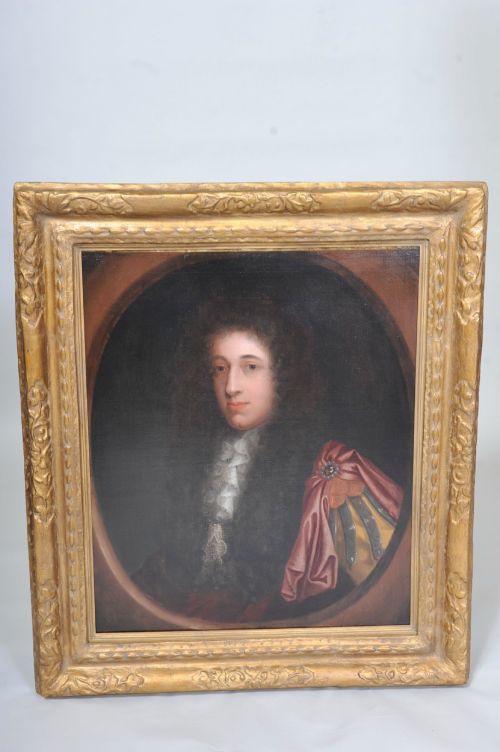

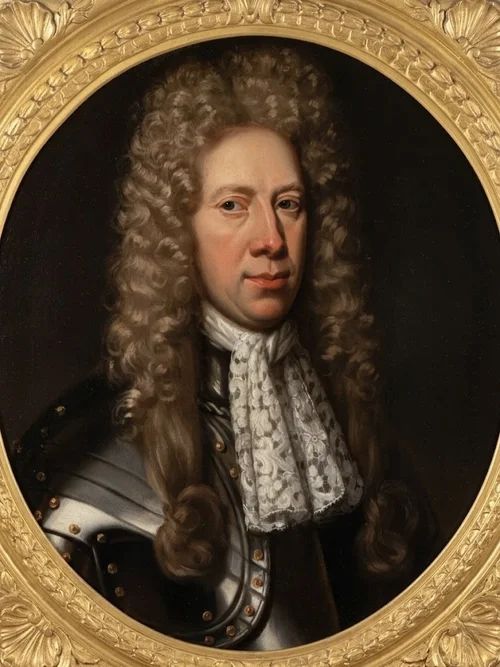
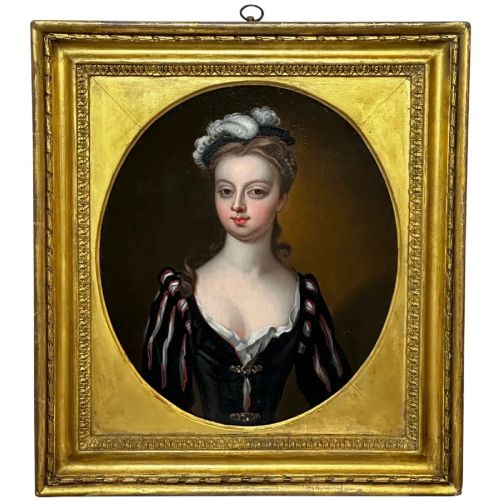
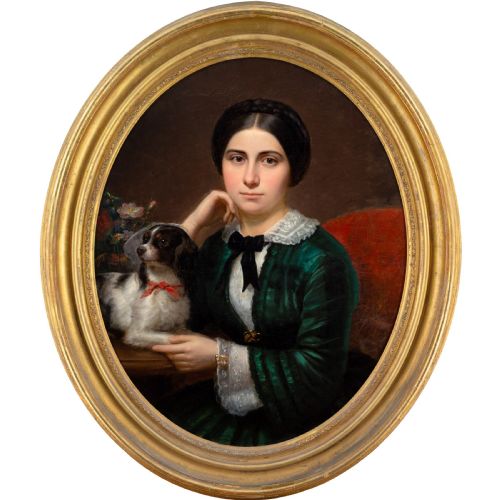
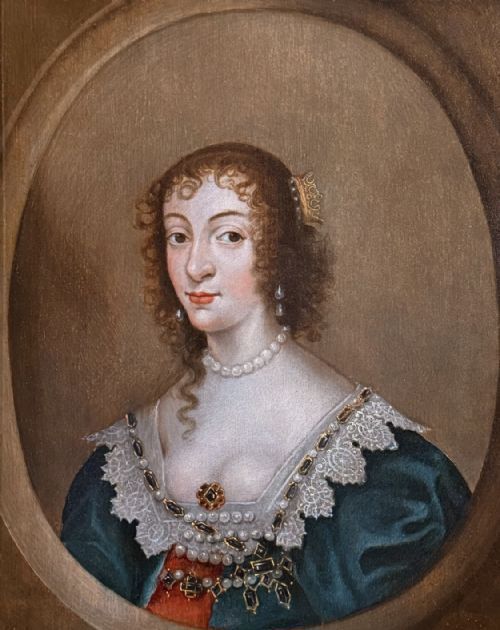
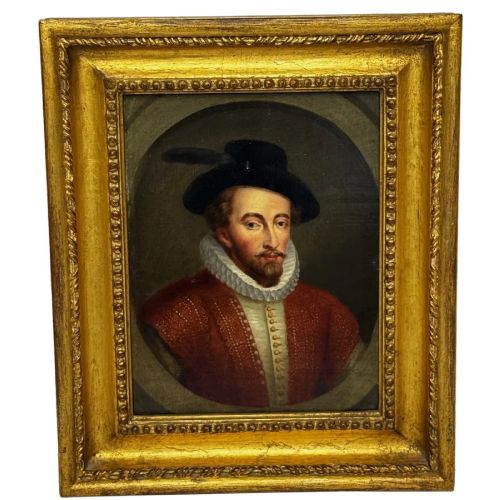
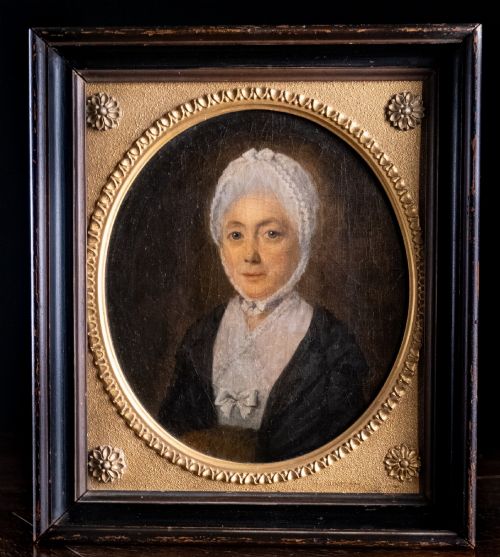
Oval Framed Oil Portrait
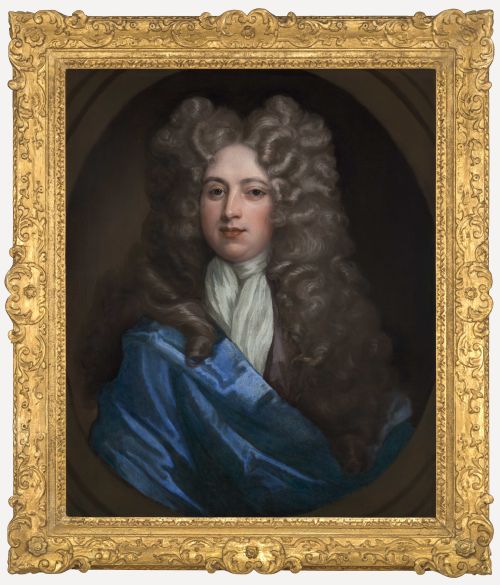
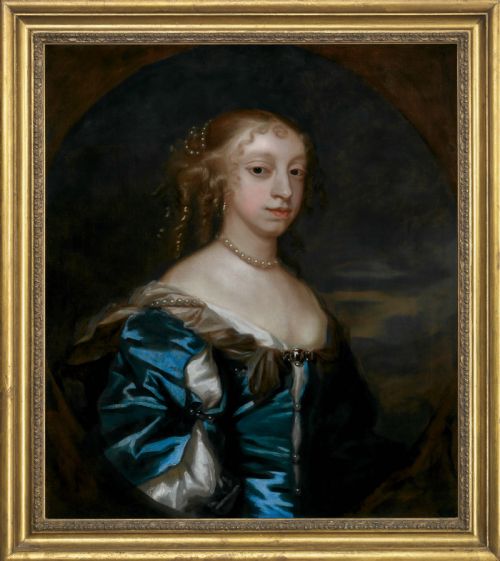
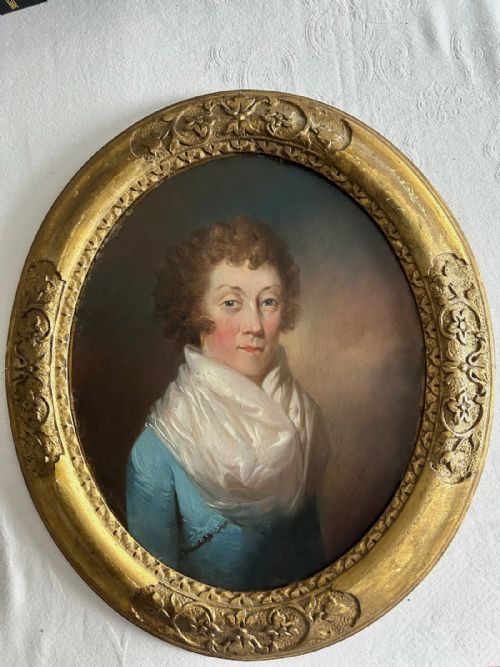
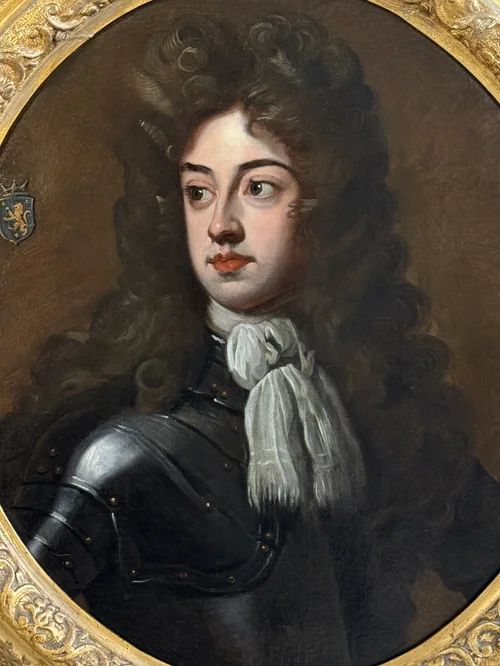
An oval framed oil portrait brings historic character and distinctive curvilinear form to a wall.
Oval Framed Oil Portrait
When you search for an oval framed oil portrait, you encounter historic likenesses painted on canvas or panel, enclosed within curved wooden or gilt surrounds.
The selections span from the late sixteenth century through the Victorian era, capturing sitters in Georgian attire, Jacobean dress, and Baroque splendour.
You are most likely to meet eighteenth-century and seventeenth-century English and European school paintings depicting named aristocrats, gentlemen, and ladies.
Materials and Technique
Makers applied oil paint onto stretched canvas or wooden panels, often building rich layers of pigment for garments, flesh tones, and lace collars.
Encasing these works required specialist surrounds carved from wood and finished with gold leaf or giltwood, tailored specifically to the curved perimeters.
Listings feature works spanning the 16th, 17th, 18th, and 19th centuries, executed in oil on canvas and oil on panel.
Assessing Quality
The strength of the brushwork and the psychological depth of the sitter's expression distinguish superior examples from standard studio output.
The integrity and craftsmanship of the original giltwood frame, particularly hand-carved detail and authentic gold leaf application, elevate the piece.
Sir Godfrey Kneller·Michael Dahl·Thomas Murray·John Scougall·Cornelius Johnson·Allan Ramsay
The Oval Framed Oil Portrait Glossary
- Oil on Canvas
- A traditional painting medium where pigments bound in oil are applied to woven fabric stretched over a wooden frame. This technique allowed artists to achieve rich blending and deep tones.
- Giltwood
- Wood that has been coated with a thin layer of gold leaf or gold paint. It provides the bright, reflective borders typical of historic picture frames.
- Panel
- A flat piece of wood used as a support for painting before canvas became dominant. Artists often utilised oak or other timbers for early portraits.
- Baroque
- An artistic style prevalent from the seventeenth into the eighteenth century characterised by drama, rich detail, and grand movement. Portraits from this period display theatrical lighting and sumptuous drapery.
Oval Framed Oil Portrait: Frequently Asked Questions
What periods do these portraits cover?
The available works stretch from the late sixteenth century through the seventeenth and eighteenth centuries into the Victorian and Edwardian periods. Many examples date from the height of British and European portraiture traditions.
Earlier pieces reflect Jacobean and Baroque aesthetics, while later items encompass Georgian elegance and nineteenth-century academic styles.
How were these portraits housed?
Artisans designed bespoke curved surrounds to match the exact dimensions of the canvas or panel. These enclosures utilised timber finished with gold leaf or giltwood.
The resulting frames accentuate the soft geometry of the composition while protecting the edges of the painted surface.
Who are the typical sitters depicted?
The subjects range from titled aristocracy and military officers to country gentlemen, ladies in elaborate attire, and children. Many canvases record specific historical figures, such as earls, baronets, and physicians.
Other works portray anonymous sitters captured by regional schools or followers of prominent master painters.
How do I identify a seventeenth-century piece?
Seventeenth-century works often feature distinct clothing styles such as periwigs, lace jabots, armour, or stiff collars. Attribution to specific circles or schools provides further context regarding the date.
Materials such as wooden panels and early canvas preparations also point towards these earlier centuries.