





King Portrait Fine Art
King portrait fine art encompasses historical painted likenesses of monarchs and figures of authority, offering direct visual contact with centuries of power and pageantry.
King Portrait Fine Art
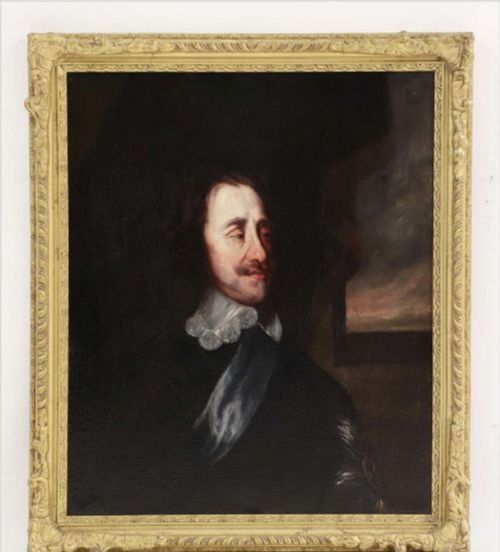
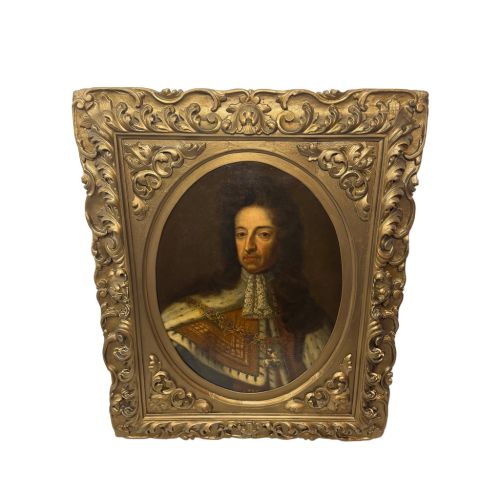
King portrait fine art centres on depictions of sovereigns such as King Charles I, King William III, and King Henry VIII, alongside notable figures associated with royalty. These works take the form of oil paintings on canvas, often presented in substantial period frames.
The pieces available span from the seventeenth century through to the twentieth century, capturing evolving interpretations of monarchical rule. Buyers encounter both period contemporary records and later homage pieces executed in styles from Baroque to Tudor revival.
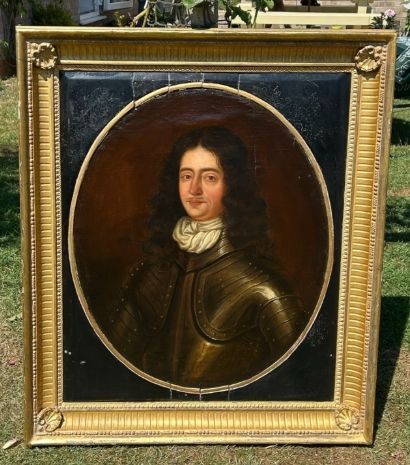
Subjects range from formal armour-clad depictions after Anthony van Dyck and Peter Lely to twentieth-century double portraits of King George VI and Queen Elizabeth. Each work preserves a distinct visual language designed to project authority and statehood.
Assessing Quality and Execution
Quality in these portraits rests upon the sureness of the brushwork in rendering facial expression, hands, and the intricate details of royal costume. Superior examples demonstrate a careful command of light and shadow that gives volume and presence to the figure.
The fidelity of the likeness and the strength of the provenance, whether tied to established circles or significant historical schools, elevate certain works above standard decorative copies. Frame construction and the preservation of the original canvas surface further distinguish the tier of a piece.
Listings span from the seventeenth century to the twentieth century, incorporating both oil on canvas and gilded timber frames.
Sir Anthony van Dyck·Sir Peter Lely·Haynes King·Mary Beale·Kershaw Schofield·Sir Oswald Hornby Joseph Birley
The King Portrait Fine Art Glossary
- Oil on Canvas
- A traditional painting medium where pigments suspended in oil are applied to a woven fabric support. This combination allows for subtle blending and rich tonal gradations.
- Giltwood
- Timber that has been decorated with a thin layer of gold leaf or gold powder. It provides a luminous border that isolates and highlights the artwork.
- Baroque
- An artistic style prevalent from the seventeenth century characterised by drama, exuberant detail, and grandeur. Portraits in this style emphasise movement and monumental presence.
- Tudor Revival
- An architectural and artistic movement looking back to the sixteenth century. Works in this vein emulate the flat, linear qualities and rich costume details of earlier court painting.
- Circle of
- A term used when a painting is closely associated with a master's workshop or direct followers. It indicates a work produced in the same period and milieu without being attributed to the master's own hand.
King Portrait Fine Art: Frequently Asked Questions
How do I identify a seventeenth-century portrait?
Seventeenth-century portraits often display stiff lace collars, rich velvet doublets, and formal poses derived from court painters like Van Dyck or Lely. The canvas preparation and stretcher construction will typically show the age associated with this early period.
Examination of the pigment and craquelure provides further context for dating. Comparing the handling of lace and armour to known examples helps confirm the era of execution.
What does after an artist mean?
When a painting is described as being after a particular master, it indicates that the work is a later copy or adaptation of a well-known composition. These pieces were often commissioned to replicate famous royal images.
Such works hold their own historical interest as records of how key royal portraits were valued and reproduced across subsequent generations.
How should I care for an oil painting on canvas?
Keep the canvas away from direct sunlight and sources of extreme heat or humidity fluctuation, which can cause the paint and wood to warp or crack. Gentle dusting with a soft, dry brush is generally sufficient for surface maintenance.
Avoid using water or chemical cleaners on the painted surface or the giltwood frame. Consult a professional conservator if the canvas requires cleaning or structural repair.
What is the significance of the frames?
Period frames, particularly those in giltwood or carved timber, complement the aesthetic of the portrait and often reflect the date of the artwork. Original frames add historical completeness to the piece.
Mouldings and decorative motifs help place the frame within styles like English Baroque or Victorian revival. They act as protective and architectural boundaries for the canvas.