



Ottoman Accent Table
These ottoman accent table pieces bring intricate Moorish craftsmanship and Victorian utility into a room.
Ottoman Accent Table
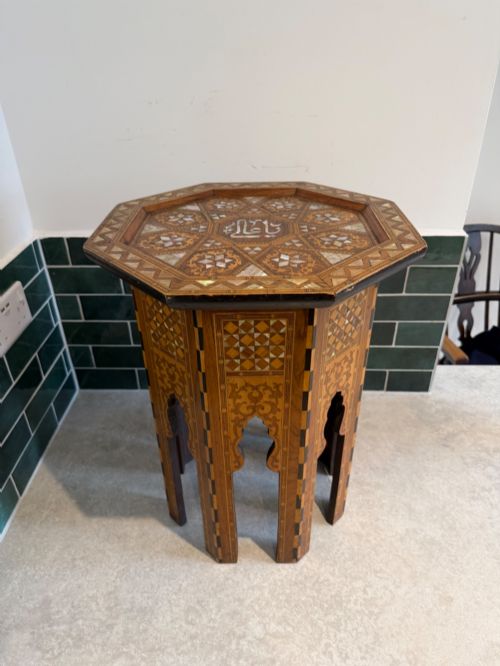
An ottoman accent table brings distinct geometric forms and surface patterns into domestic spaces, drawing heavily on Moorish Revival and Syrian design traditions. When you search for an ottoman accent table, you encounter low occasional pieces, side tables with cupboards, and hexagonal or octagonal lamp tables designed to sit beside seating.
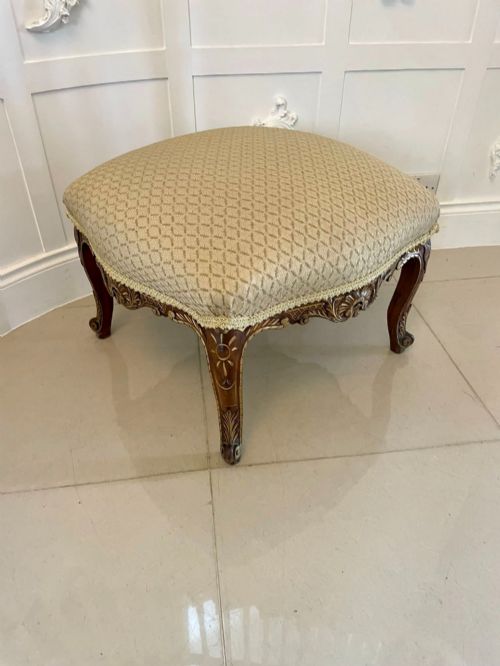
The pieces appearing here span the nineteenth century and early twentieth century, alongside Victorian examples that merge British domestic forms with Eastern ornamentation. Side tables and stools predominate, often doubling as functional surfaces or low seating.
Origins vary across Syrian, Moorish, and Ottoman folk art traditions, alongside domestic British interpretations from the Victorian era. Buyers find both highly decorated inlaid surfaces and simpler carved walnut or ebonised frames.
How they were made
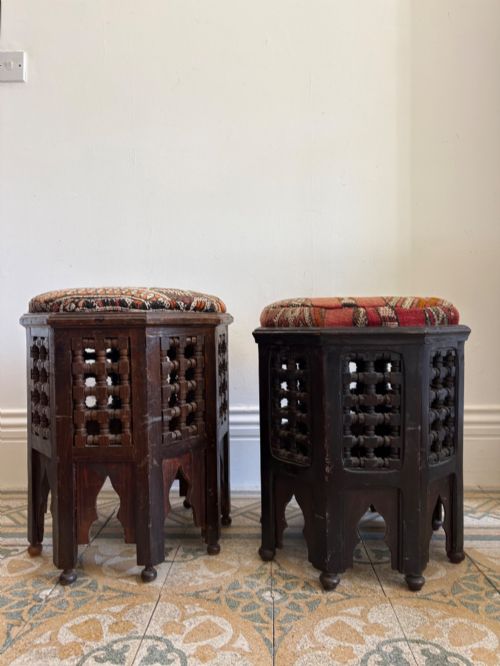
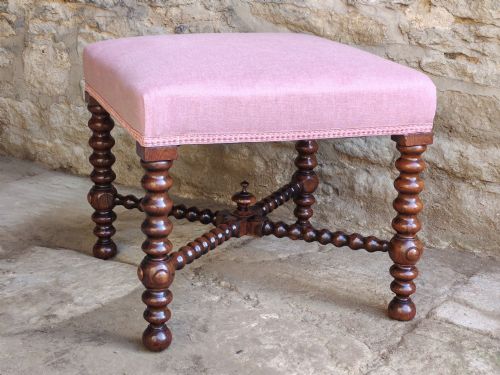
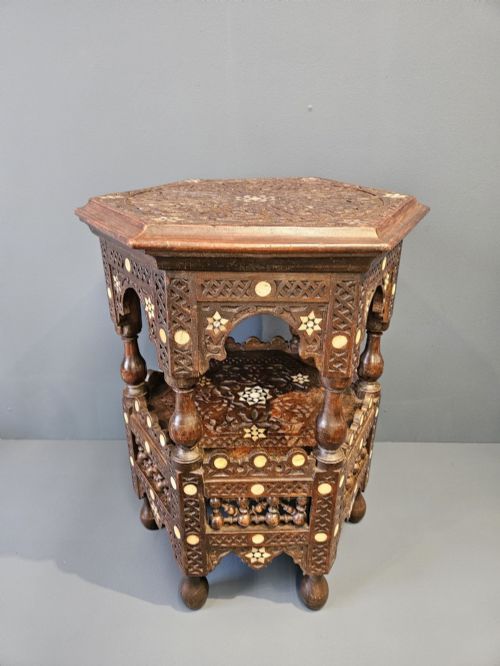
Woodwork forms the structural core, utilising walnut, rosewood, ebonised wood, and various hardwoods shaped into bobbin legs, carved panels, and tiered frames. Artisans constructed multi-sided forms such as hexagonal and octagonal tables using precision joinery to support heavy surface decoration.
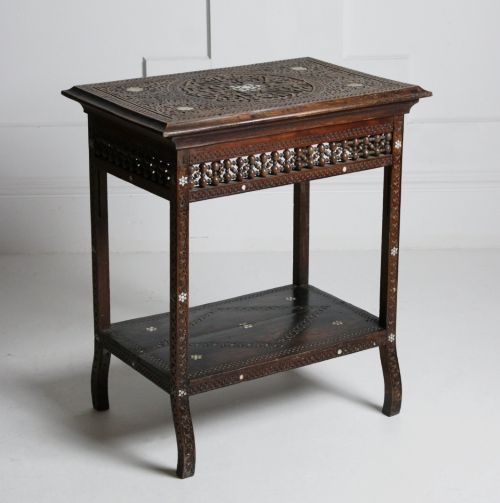
Surface embellishment relies on intricate inlay work, incorporating mother-of-pearl and bone pieces set into the wooden framework in geometric or floral motifs. Hand-carving techniques define the Moorish and Syrian styles, adding relief and depth to the woodwork alongside occasional brass and gilt accents.
Ottoman Accent Table Retail Price Guide 2026
Typical asking prices for ottoman accent table among the pieces listed under this phrase on Sellingantiques today, from the lower quarter to the upper quarter. They describe what is for sale here now, not the wider market.
Among the nineteenth-century furniture sits a lone bone-handled knife and fork, proving that tables occasionally share space with dining implements.
What varies in quality
The precision and density of the inlay work distinguish finer examples, particularly where mother-of-pearl and bone fit flush into the hardwood ground. Simpler turned stools rely on the quality of the timber grain and the crispness of the bobbin turning rather than surface decoration.
Structural complexity also separates standard pieces from exceptional ones, such as tables featuring integrated cupboards and multi-tiered architecture. The depth and clarity of hand-carved relief work indicate the maker's hand, particularly within Syrian and Moorish Revival pieces.
Liberty & Co
The Ottoman Accent Table Glossary
- Moorish Revival
- A nineteenth-century architectural and decorative style incorporating elements of Islamic architecture, horseshoe arches, and intricate geometric ornamentation.
- Mother-of-Pearl
- An iridescent inner layer of shell used extensively for decorative inlay work on furniture surfaces.
- Bobbin Leg
- A turned furniture leg shaped to resemble a series of bobbins or spools strung together.
- Hexagonal
- A geometric shape with six sides and six angles, frequently utilised for the tops and bodies of Syrian and Moorish tables.
- Ebonised Wood
- Timber treated with a finish to simulate the dark, dense appearance of ebony.
Ottoman Accent Table: Frequently Asked Questions
What is an ottoman accent table?
An ottoman accent table is a low occasional table or stool drawing on Middle Eastern and Victorian design traditions. These pieces often feature complex geometric inlay and hand-carved wooden surfaces.
They serve as functional side tables, lamp stands, or low seating within a room. Their distinctive forms bring textural variety to interior spaces.
What materials were used?
Surviving examples utilise hardwoods including walnut and rosewood, alongside ebonised wood and general hardwood frames. Decorative elements incorporate mother-of-pearl, bone, brass, and fabric.
Construction methods combine traditional joinery with detailed surface inlay and hand-carving. Some pieces also integrate gilt highlights on carved wooden frames.
How do I care for inlaid tables?
Inlaid tables require gentle cleaning using a dry or slightly damp cloth to protect the delicate mother-of-pearl and bone elements. Avoid excessive moisture and harsh chemical polishes that might loosen the inlay.
Keeping them away from direct heat sources prevents the wood from warping and the intricate surface patterns from separating.