





Bone Inlay Cabinet
A bone inlay cabinet brings intricate geometric pattern and exotic warmth to a room through centuries-old craft.
Bone Inlay Cabinet
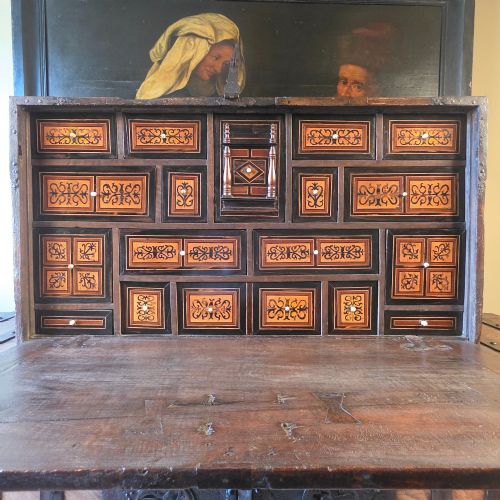
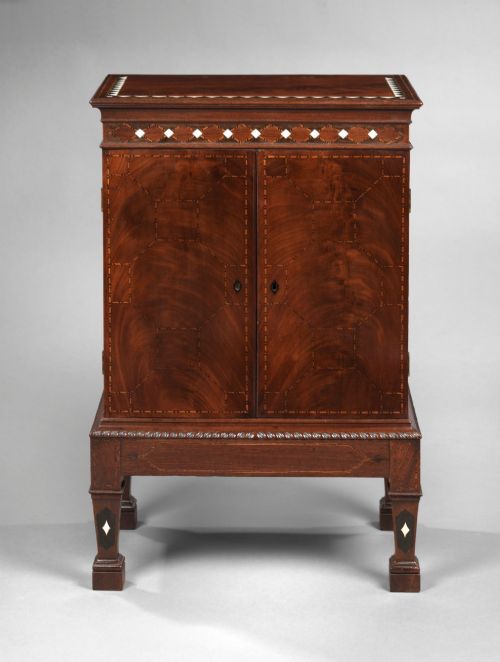
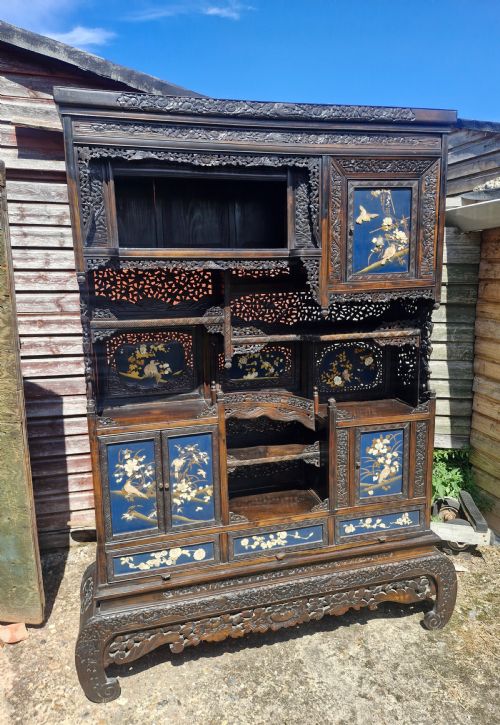
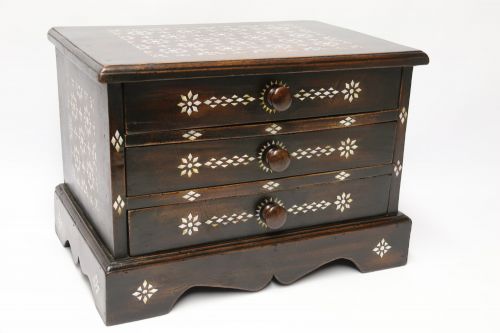
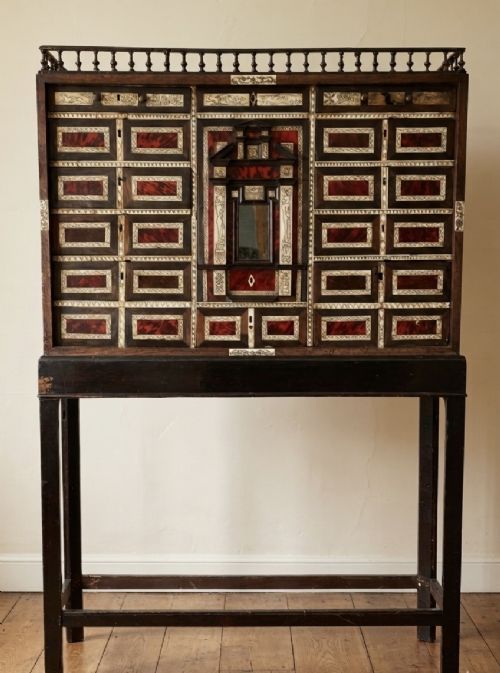
A bone inlay cabinet represents a diverse category of storage furniture spanning several centuries, ranging from early European examples to Asian and Middle Eastern works. When searching for a bone inlay cabinet, buyers encounter forms that include small tabletop chests, cabinets on stands, and larger cupboards.
The pieces listed on this page draw from periods such as the seventeenth century, the nineteenth century, and the early twentieth century, alongside styles like Moorish Revival, Baroque, and Chippendale. Hardwood carcasses form the foundation for these decorative surfaces, incorporating bone alongside materials like ebony, walnut, and fruitwood.
Makers and regional workshops from Spain, Italy, Syria, and Anglo-Indian contexts shaped these cabinets for storage and display. Collectors select them to introduce rich surface pattern and historical resonance into traditional and modern interiors alike.
How they were made
Carpenters built the structural carcass from dense timbers such as hardwood, walnut, ebony, and fruitwood, often mounting them on custom stands or chest bases. Iron fittings and hinges provided functional support for doors and lids.
Craftsmen shaped small pieces of bone by hand to form intricate geometric and floral patterns, pressing them into recessed channels carved into the wood base. Adhesive secured the bone fragments, while dark resin or mastic filled the surrounding gaps to define the linear designs.
The listings on this page span several centuries, including seventeenth-century, nineteenth-century, and early twentieth-century examples.
What varies in quality
The distinction between ordinary and exceptional examples rests upon the precision of the geometric layout and the complexity of the surface patterning. Dense, tightly fitted bone segments demonstrate greater artisan skill than sparse or loosely spaced arrangements.
The integrity of the underlying hardwood structure and the survival of the original contrasting resin infill govern the overall longevity and visual strength of the piece. Cabinets that retain their original stands, handles, and secondary materials command higher regard from discerning buyers.
Gordovil Spain·Adriano Brambilla
The Bone Inlay Cabinet Glossary
- Bone inlay
- A decorative technique where small carved pieces of animal bone are embedded into a wooden surface to create contrasting patterns. This method appears across various global furniture traditions.
- Cabinet on stand
- A freestanding storage compartment raised upon a separate support frame or legs. This form elevates the primary storage volume to a more accessible height.
- Collector chest
- A specialised piece of furniture fitted with multiple small drawers designed for storing natural specimens or small valuables. These items often feature highly decorated exterior surfaces.
- Moorish Revival
- An architectural and decorative style popular in the nineteenth century that reinterpreted Islamic design motifs. Such pieces frequently incorporate intricate geometric bone and mother-of-pearl work.
- Papillero vargueno
- A specific form of Spanish cabinet featuring a drop-front writing surface concealing numerous small drawers. They often display elaborate exterior inlay and metal mounts.
Bone Inlay Cabinet: Frequently Asked Questions
How do I clean a bone inlay cabinet?
Dust the surface gently with a dry, soft cloth to prevent particulate buildup within the recesses of the inlay. Avoid harsh chemical cleaners or excessive moisture, which can loosen the bone fragments from the wood base.
Condition the surrounding hardwood occasionally with a suitable wax, taking care not to stain the porous bone segments. Professional conservation advice should be sought for any structural or surface restoration.
Where should I place a bone inlay cabinet?
Position the cabinet in a stable environment away from direct sunlight, radiators, or damp conditions to protect the organic materials. Rapid temperature fluctuations can cause the wood carcass to expand or contract, placing stress on the inlay.
Allow enough surrounding space for the piece to serve as a focal point in a hallway, living room, or study. Ensure that tabletop or cabinet-on-stand versions rest on level flooring to maintain structural balance.
How do I date a bone inlay cabinet?
Examine the secondary woods used inside the drawers and carcass, alongside the construction methods of the joints and drawer linings. Hand-cut dovetails and older fastener types typically point towards earlier periods of manufacture.
Compare the decorative motifs and regional style markers, such as Moorish Revival or Baroque influences, with documented historical examples. Material patination and natural wear around handles and frequently touched areas also offer clues to age.