
Ornate Rococo Mirror
An ornate rococo mirror brings scrolling asymmetry and gilt splendour to a room, channelling eighteenth-century French excess into a striking focal point.
Ornate Rococo Mirror
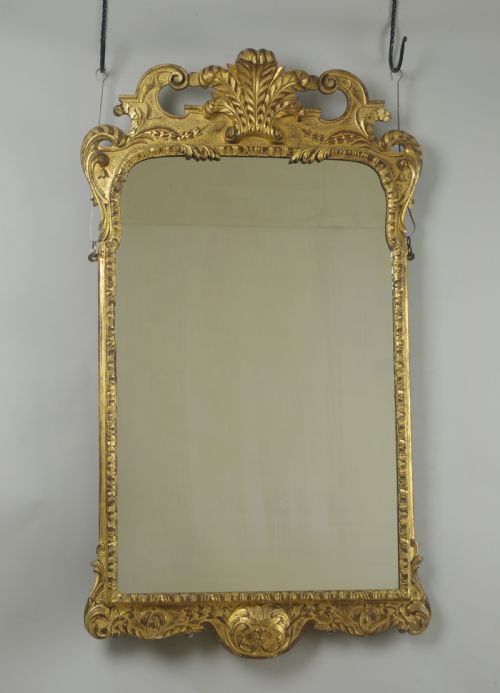
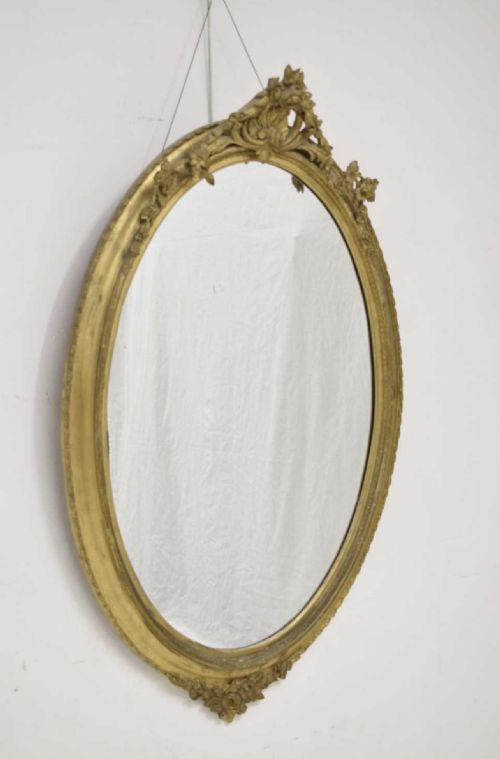
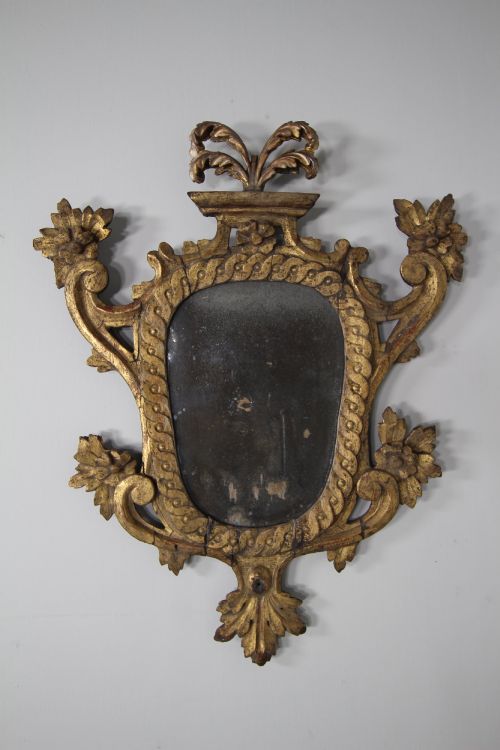
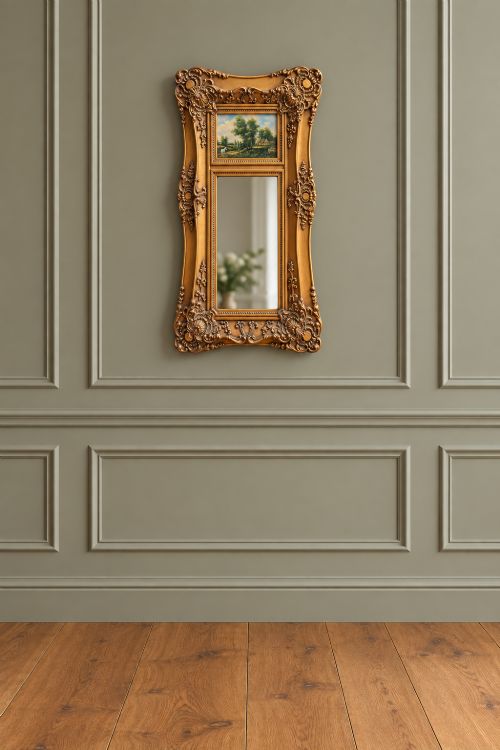
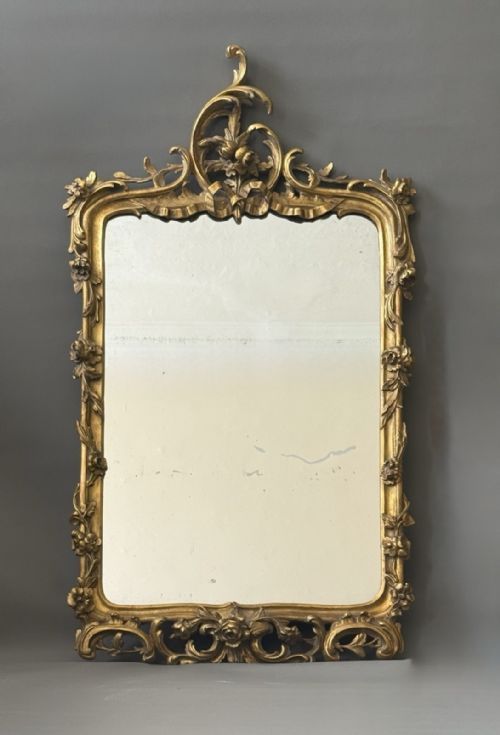
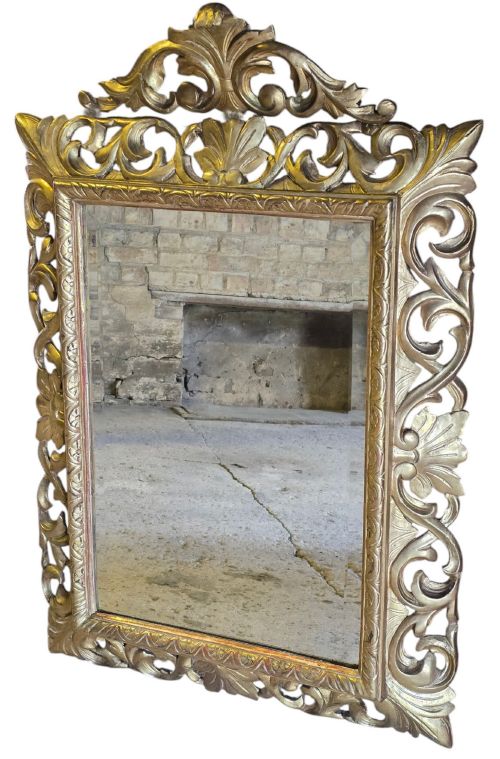
When you search for an ornate rococo mirror, you encounter elaborate wall mirrors, overmantels, and console sets shaped by asymmetrical scrolls, C-scrolls, and organic plant motifs. These pieces trace their lineage to continental revivals, predominantly originating from French and Italian workshops across the nineteenth century.
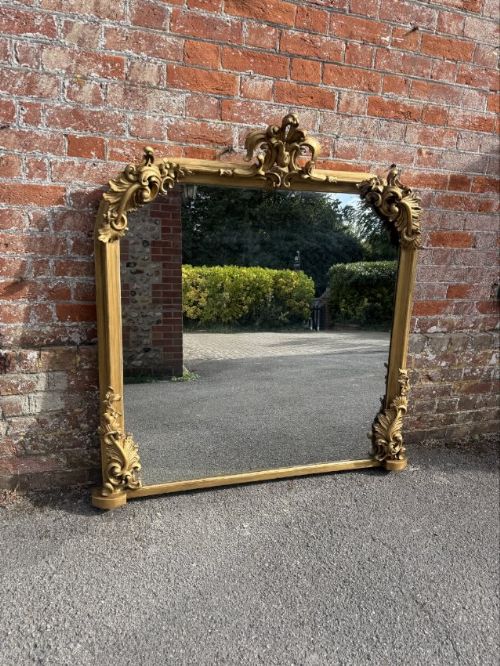
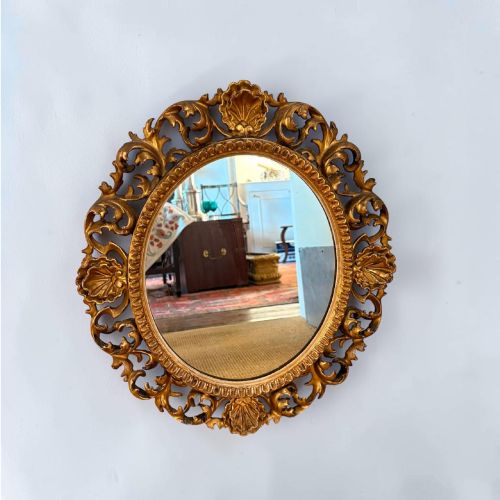
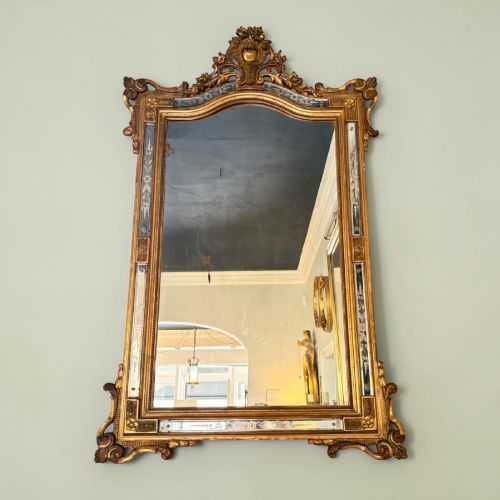
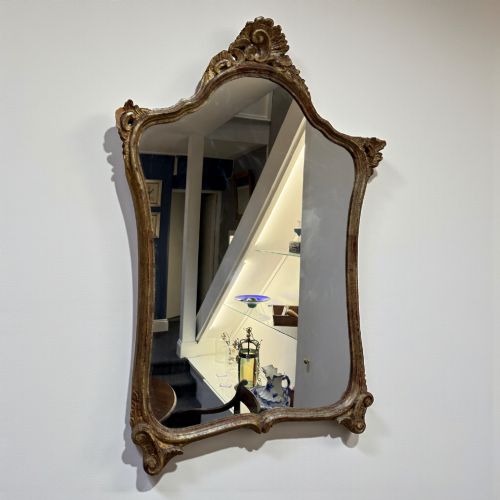
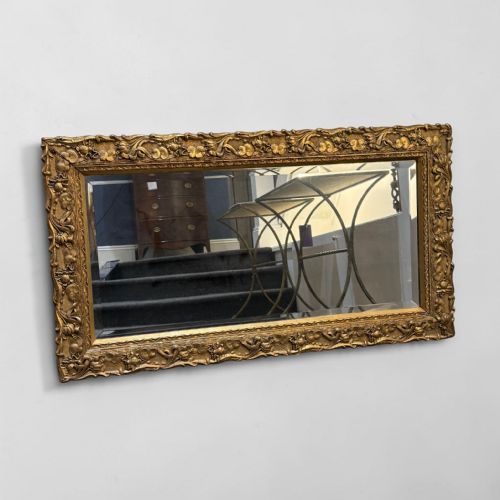
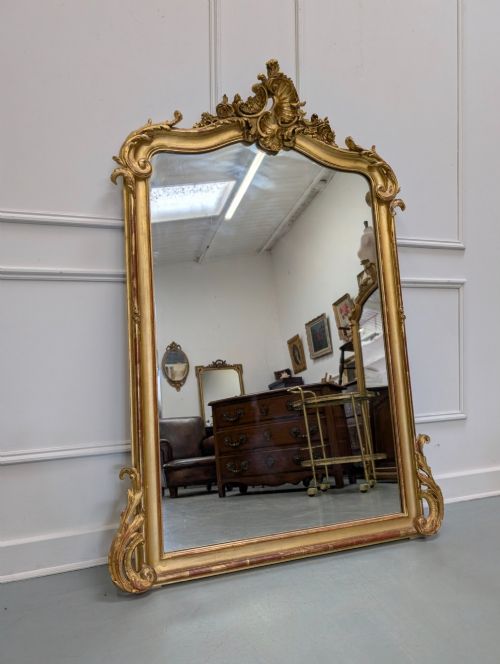
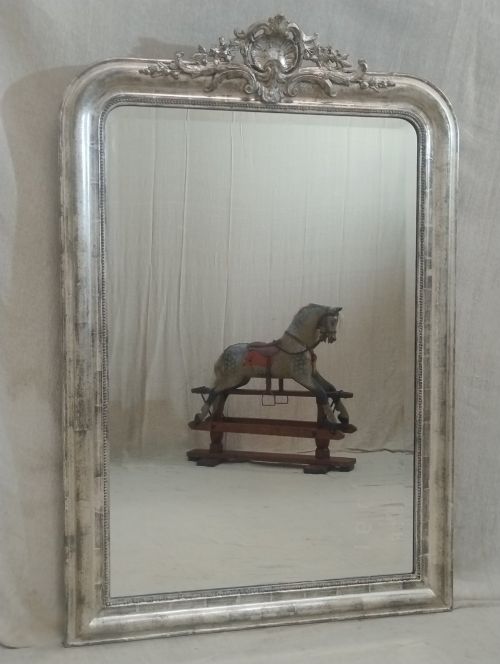
The version you are most likely to meet on this page is a nineteenth-century giltwood or gesso wall mirror, often bearing Louis XV style cartouches and scrolling foliage. Such pieces span from grand overmantels designed for nineteenth-century reception rooms down to smaller Florentine and Edwardian wall hangings.
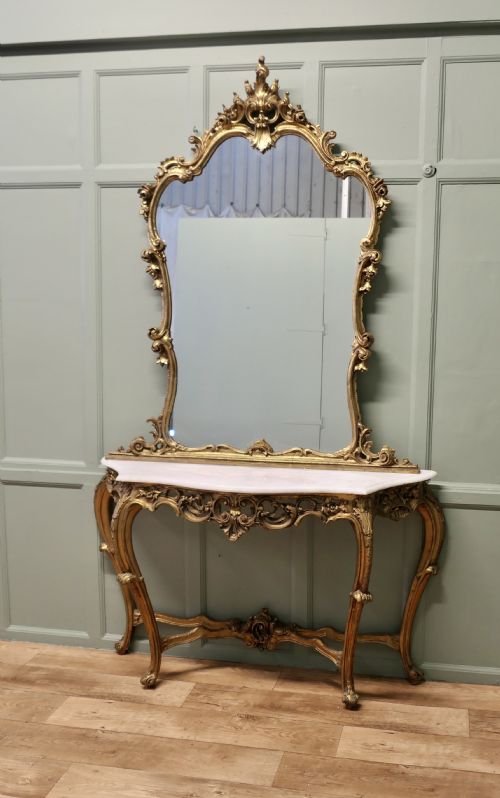
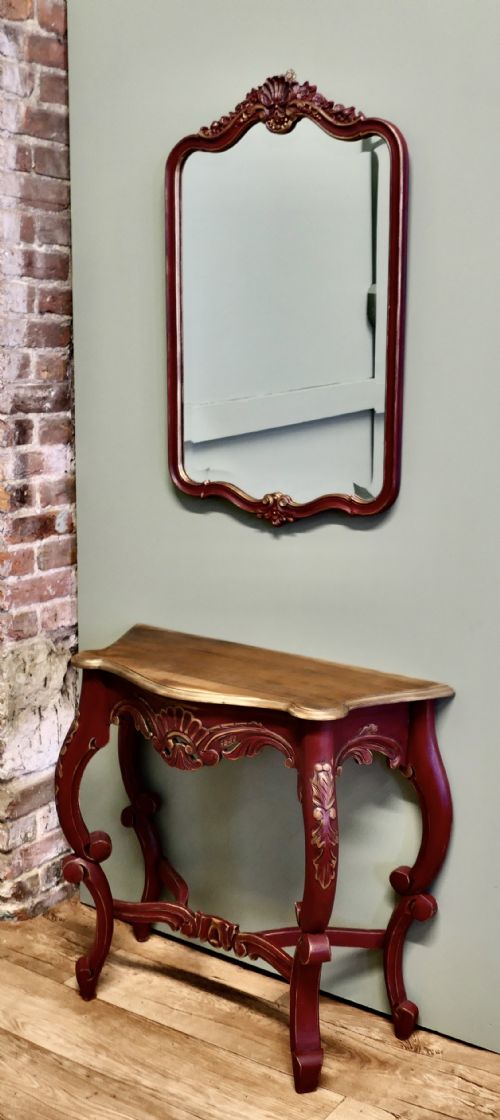
Beyond standard wall-hanging formats, the selection occasionally encompasses pier mirrors, leaner mirrors, and matching console table sets intended for grand hallways. These substantial iterations utilise the same characteristic carved frames, creating a unified decorative scheme within a interior space.
How they were made
Makers shaped these frames from solid timber or carved wood, building up intricate relief details with layers of gesso before applying gold leaf or silver gilt. This foundational carving provides the deep undercut scrolls and asymmetrical flourishes characteristic of the style.
Mirrors incorporated glass plates that were either silvered, etched, or bevelled, occasionally retaining antique plates showing centuries of character. Frames might also employ cast brass or gilt bronze elements, particularly on smaller table mirrors and specific revival pieces from the late nineteenth century.
Listings feature pieces spanning the eighteenth century through to the 1930s, constructed in giltwood, carved wood, gesso, and solid brass.
What varies in quality
The depth and crispness of the wood carving dictate the visual impact, separating pieces with sharp, hand-chiselled relief from softer, heavily moulded gesso iterations. Superior examples display meticulous undercut detailing where foliage and scrolls appear to lift cleanly away from the frame structure.
The preservation of the original gilding surface and the character of the mirror plate itself determine the historical integrity of the piece. Authentic period plates with natural foxing or delicate etching carry a different visual weight compared to later replacement glass.
The Ornate Rococo Mirror Glossary
- Giltwood
- Timber coated with gold leaf or metal leaf over a prepared ground. This technique creates a luminous metallic finish that catches interior light.
- Gesso
- A plaster mixture applied to wood frames and carved before gilding. It allows artisans to shape intricate relief ornamentation efficiently.
- Overmantel mirror
- A large horizontal mirror designed to hang above a fireplace mantel. These pieces frequently anchor the decorative scheme of a period room.
- Pier mirror
- A tall, narrow mirror designed to hang on the wall space between two windows. They often paired directly with console tables placed below them.
- Louis XV Revival
- A nineteenth-century design movement resurrecting eighteenth-century French curves and naturalistic motifs. It defines the scrolling asymmetry seen across many of these frames.
Ornate Rococo Mirror: Frequently Asked Questions
Where should I hang an ornate rococo mirror?
These pieces traditionally anchor a principal reception room when hung above a fireplace mantel as an overmantel mirror. They also function effectively above console tables in entrance halls or as full-length leaner mirrors.
The substantial scale and reflective glass amplify natural light within darker spaces, making them suitable for drawing rooms and dining rooms alike.
How do I distinguish nineteenth century revival from eighteenth century originals?
Distinguishing periods relies heavily on examining the construction methods, timber shrinkage, and the composition of the gesso beneath the gilding. Eighteenth-century pieces typically exhibit hand-cut joinery and dense, aged woods that differ from nineteenth-century revival manufacturing.
Revival pieces from the Victorian and Edwardian eras adopted machine assistance and specific chemical silvering techniques on the mirror plates.
What is the difference between giltwood and painted finishes?
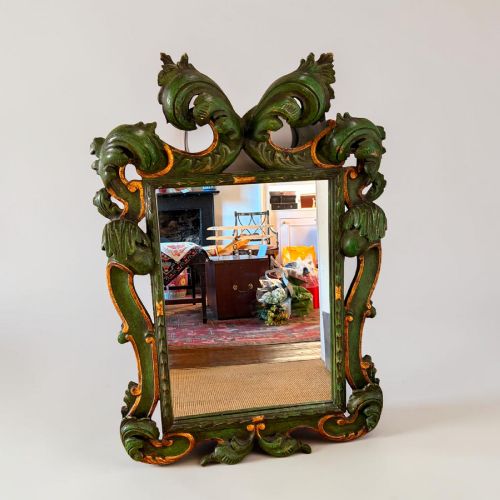
Giltwood involves applying thin sheets of gold leaf over a prepared gesso and bole base, producing a warm, reflective metallic sheen. Painted finishes rely on pigments to highlight the carved wooden contours without the metallic reflection.
Many Italian Florentine pieces utilise varied colour palettes alongside gilt highlights to accentuate the floral carving.
How do I care for antique giltwood frames?
Giltwood frames require gentle dusting with a soft, dry brush to prevent accumulation within the deep recesses of the carving. Moisture and chemical cleaners must be avoided entirely to protect the delicate gold leaf and underlying gesso layers.
Positioning the mirror away from direct sunlight and damp environments preserves both the timber structure and the antique glass plate.