

Ornate Picture Frame
An ornate picture frame surrounds your artwork with layers of moulded history, transforming canvas or paper into a commanding wall piece.
Ornate Picture Frame
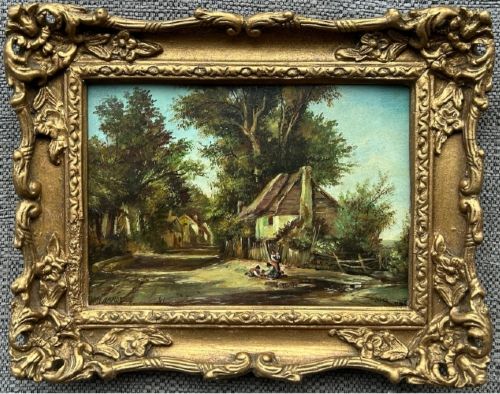
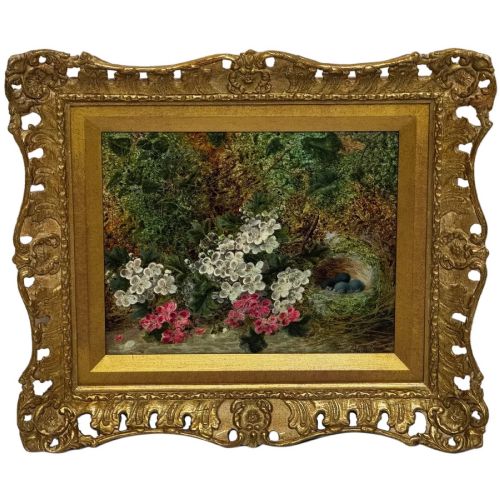
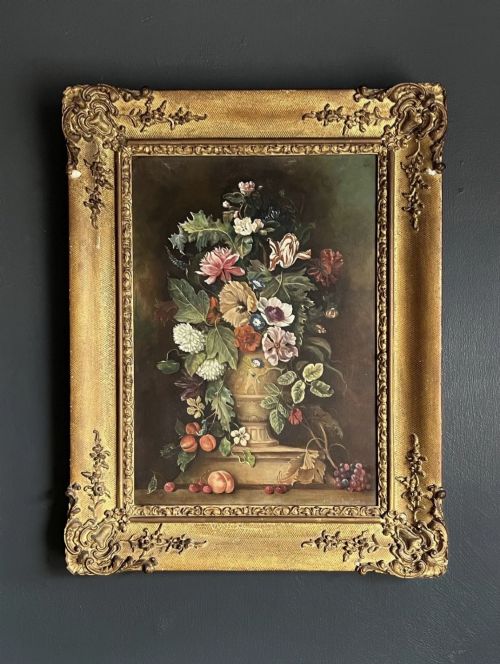
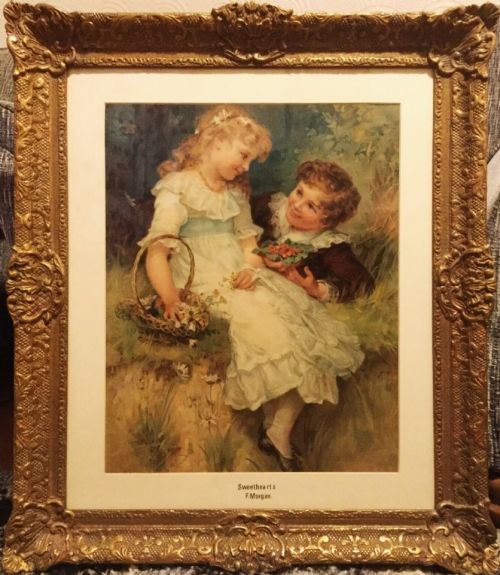
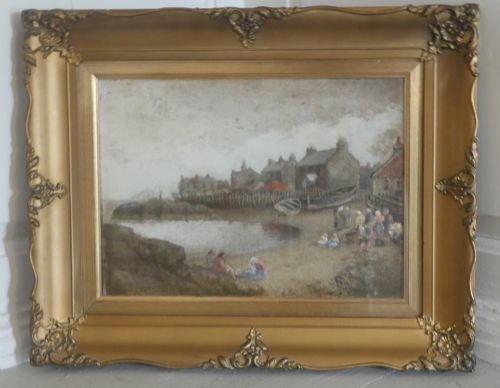
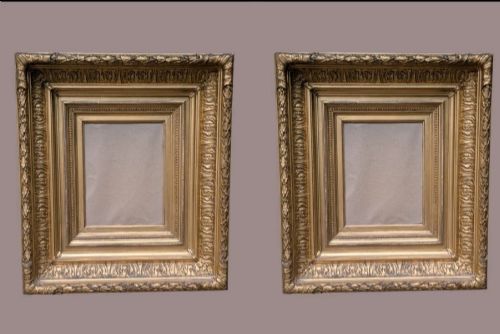
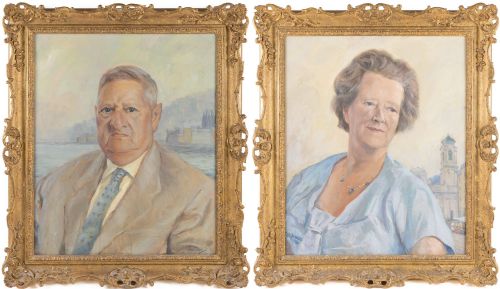
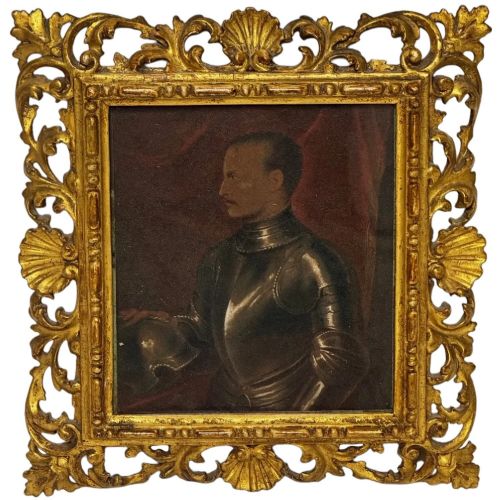
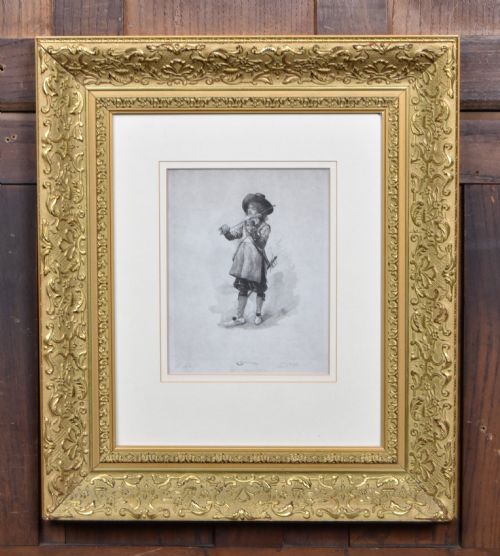
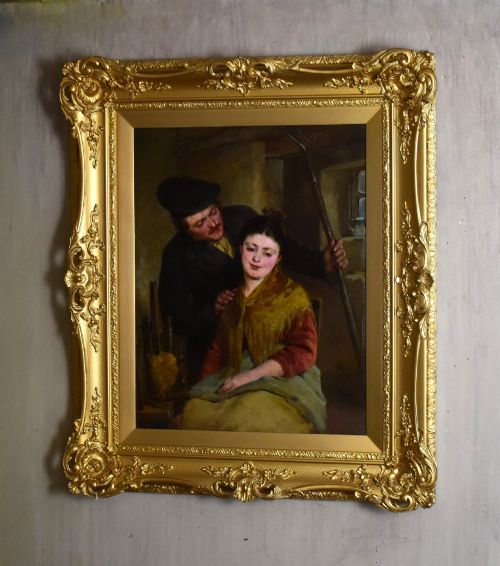
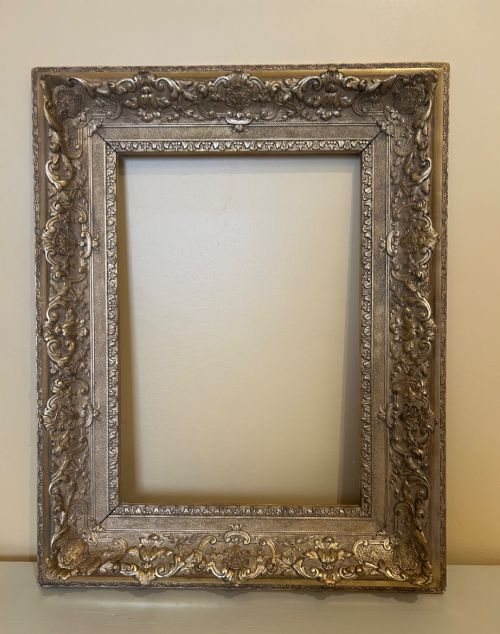
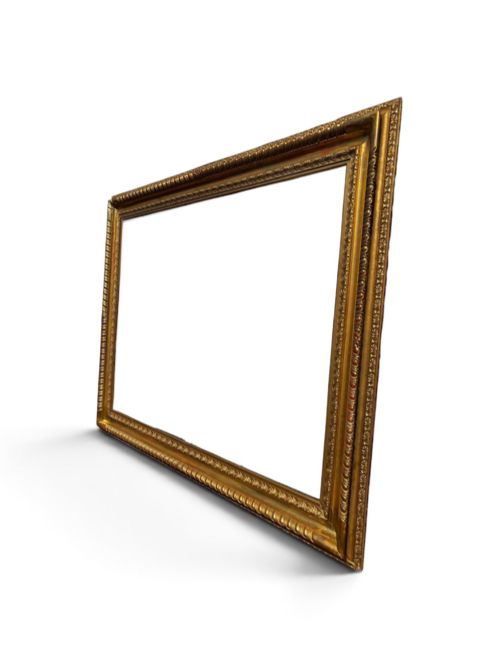
An ornate picture frame brings together elaborate decorative surrounds designed to house oil paintings, watercolours, portraits, and photographs from past centuries. When searching for an ornate picture frame, you encounter substantial Victorian and Edwardian examples alongside deep giltwood profiles and Italian Renaissance revival styles.
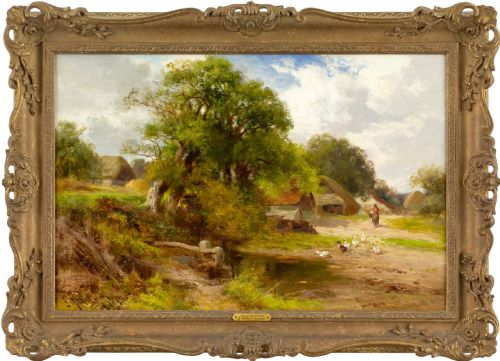
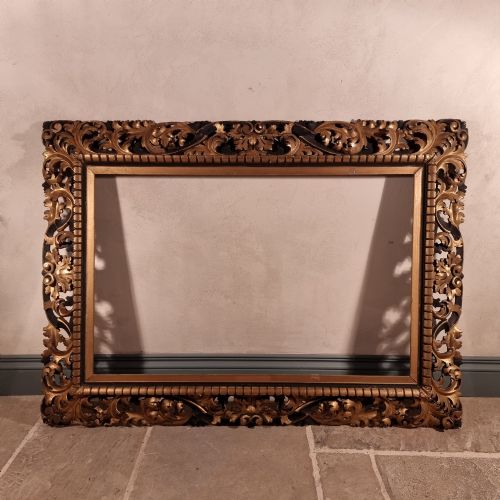
Many of these surrounds arrive complete with period artworks, ranging from landscapes and still life studies to photographic prints. Others survive as empty mouldings ready to house new canvas or photographs, preserving centuries of craftsmanship on your wall.
Materials and construction methods
Makers constructed the foundation of these surrounds using solid wood before applying layers of gesso to build up high-relief surface ornamentation. Artisans then gilded these prepared surfaces using thin sheets of gold leaf or applied metallic finishes to achieve a brilliant reflective quality.
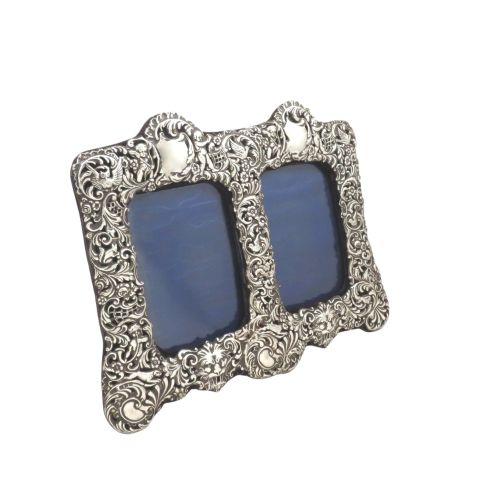
Silver and gilt bronze versions utilised precious metals shaped through silversmithing techniques, often incorporating embossed details or velvet backs. Elaborate Victorian and Edwardian workshops relied on carved wooden moulds and composition ornament to create deep, multi-layered profiles.
Materials recorded across the archive include solid wood, gesso, gold leaf, sterling silver, gilt bronze, and canvas.
Distinguishing quality across periods
The distinction between standard commercial surrounds and exceptional examples rests upon the depth of the carving and the purity of the surface gilding. Hand-carved wooden detailing and genuine gold leaf retain a warm, burnished luminosity that mechanical moulding and modern paint fail to replicate.
Structural integrity also separates superior pieces, as heavier Victorian and Florentine frames require robust corner joints to support the considerable weight of glass and hardwood. Original backing materials, intact gesso relief without excessive cracking, and period glass all elevate the standing of a piece.
William Howard Hardy·Oliver Clare·Howard Helmick·John Horace Hooper·John Hodgson Lobley
The Ornate Picture Frame Glossary
- Giltwood
- Wood that has been coated with a thin layer of gold leaf over a prepared gesso base. This traditional finish provides a rich, warm metallic sheen that ages with a soft patina.
- Gesso
- A plaster mixture applied to wooden frame foundations to create a smooth surface for gilding or deep sculptural moulding. Artisans carve and stamp this material to achieve intricate relief patterns.
- Rebate
- The recessed internal ledge inside the back of a frame designed to hold the canvas, glass, and backing board securely in place. Measurements of this rebate determine the actual size of artwork the frame can accept.
- Oleograph
- A mechanical colour lithograph printed on textured canvas to imitate the appearance of an oil painting. These prints frequently appear housed inside period Victorian and Edwardian decorative surrounds.
- Swept frame
- A moulding style featuring flowing, scrollwork corners and deep ogee profiles popular during revival periods. The dynamic curves draw the eye inward toward the central canvas or portrait.
Ornate Picture Frame: Frequently Asked Questions
How do I measure for a frame?
You measure the exact height and width of your canvas or artwork rather than the outside dimensions of the surround. This ensures the piece fits neatly into the internal rebate without shifting.
Take measurements across the widest points of the artwork and compare them directly against the rebate size specified in the listing details.
How do I clean a giltwood frame?
Dust the ornate surface gently using a soft, dry artist brush or ostrich feather duster to remove loose particles without disturbing delicate gesso relief. Avoid applying water, chemical sprays, or modern cleaning solutions directly onto the gold leaf.
Moisture and abrasive cloths can strip away the historical gilding and expose the underlying red bole or white gesso foundation.
How do I date an antique frame?
Examine the construction methods visible on the reverse, including the type of wood, corner joinery, and the composition of the gesso layer. Victorian and Edwardian examples often feature specific nail types, paper backing remnants, or maker stamps.
Stylistic indicators such as deep Rococo revival curves or Art Nouveau embossed silver elements also help narrow down the manufacturing decade.