

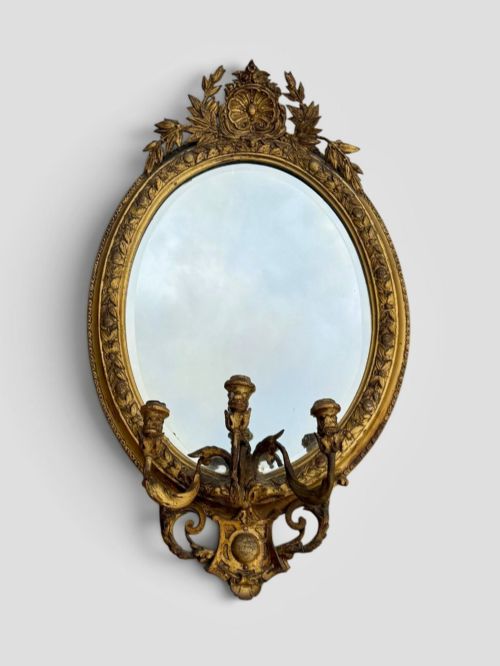
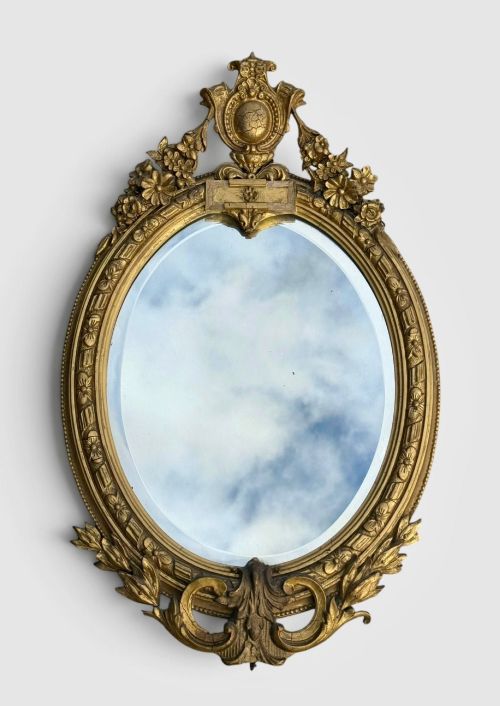
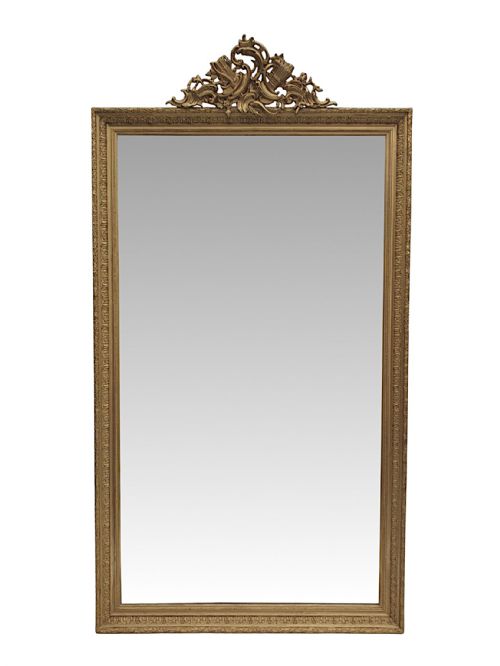
Ornate Mirror Frame
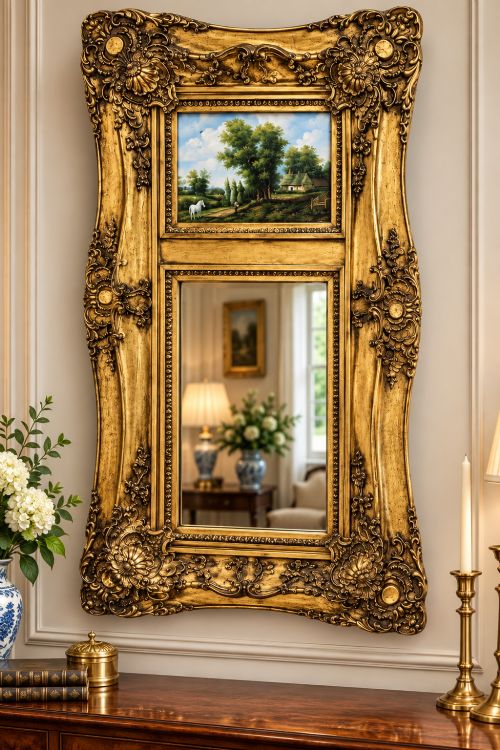
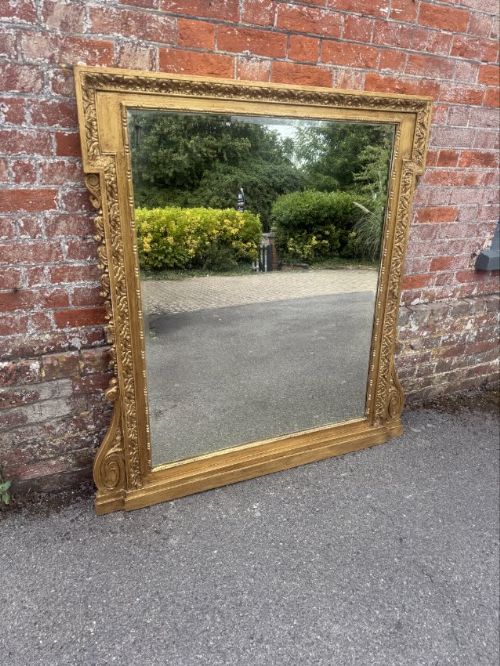
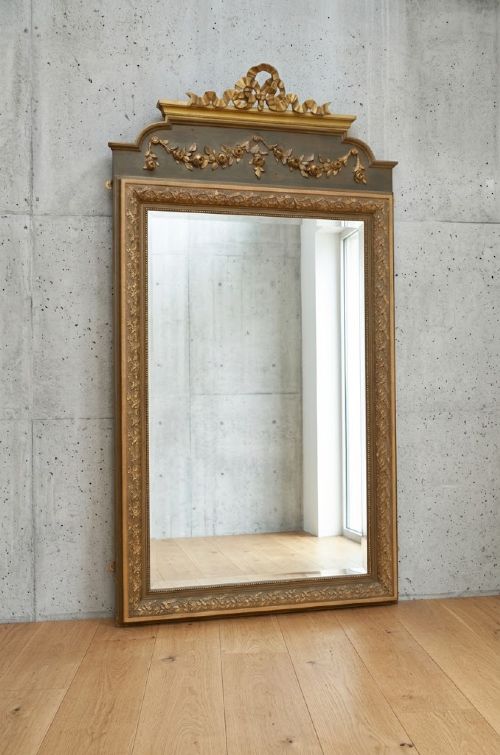
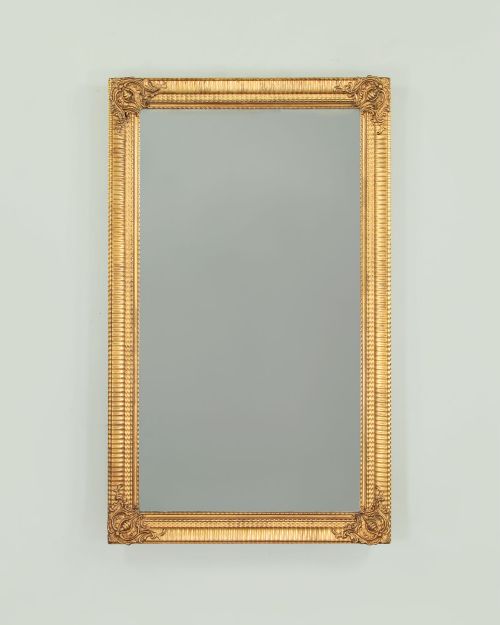
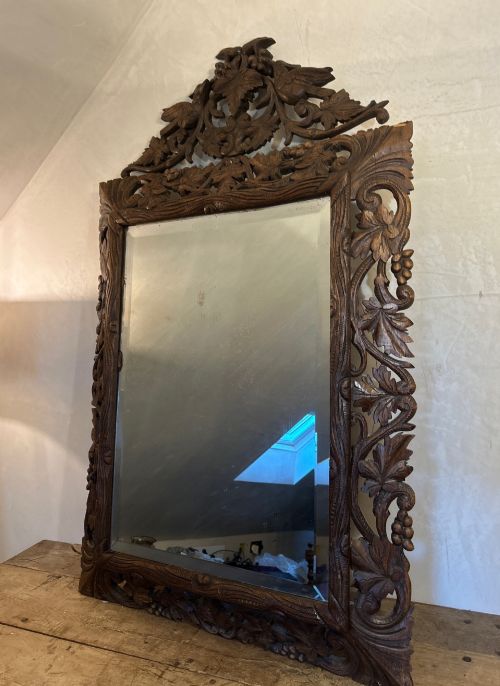
An ornate mirror frame brings the complex scrollwork and gilded presence of eighteenth and nineteenth-century salons directly into a modern interior.
Ornate Mirror Frame
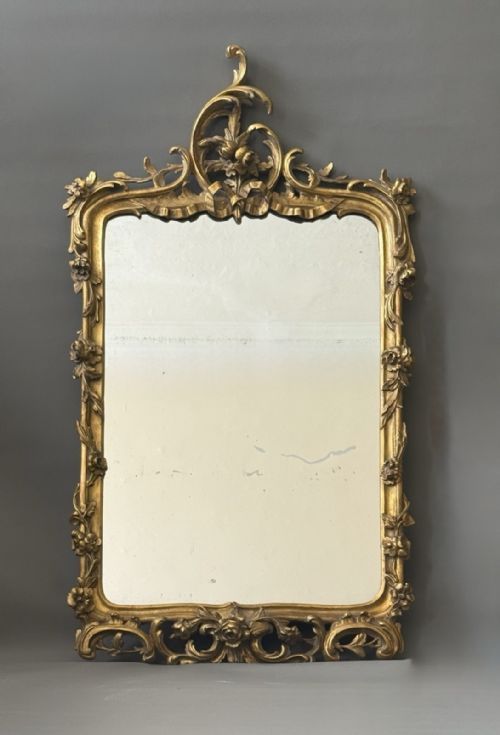
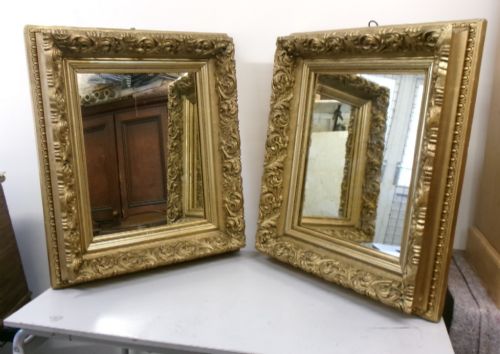
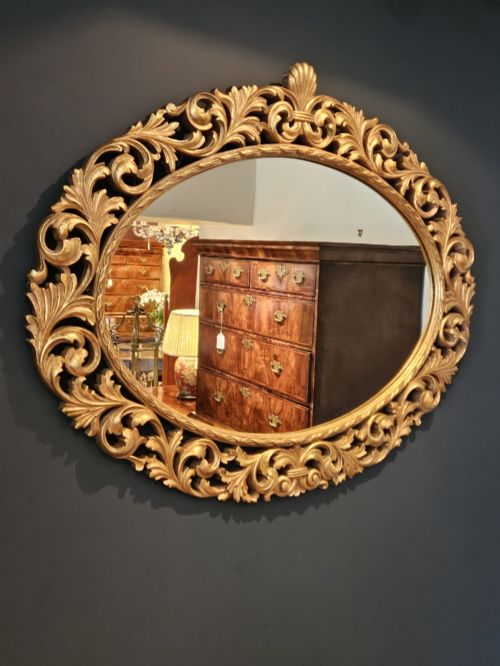
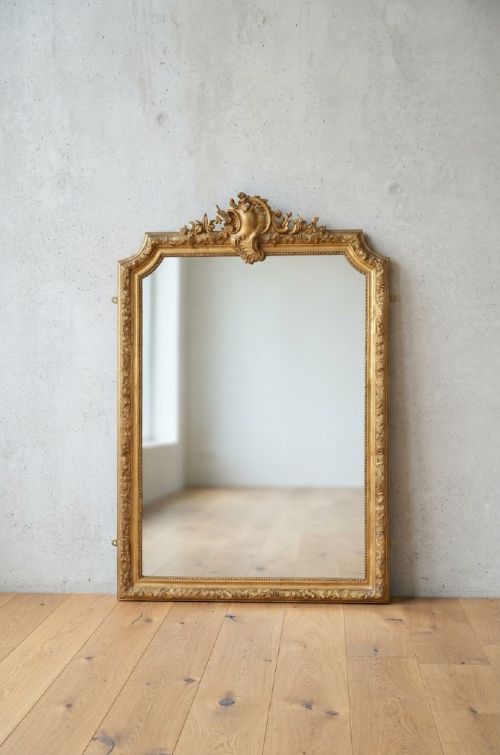
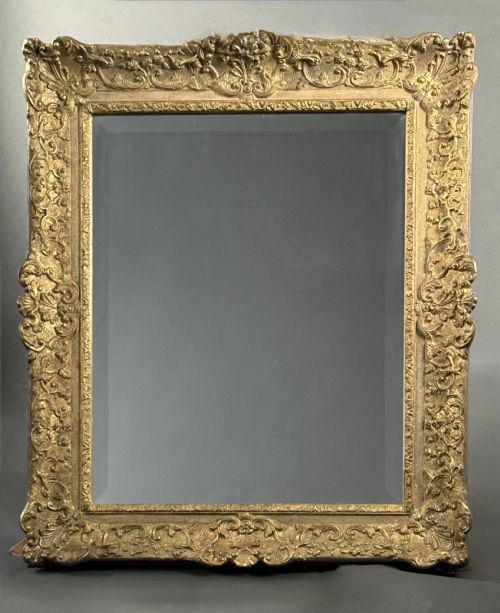
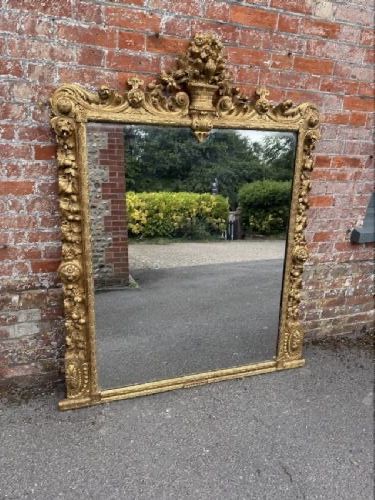
The pieces catalogued under an ornate mirror frame search span the eighteenth, nineteenth and early twentieth centuries, drawing heavily on French and Italian design vocabularies. Buyers encounter heavy overmantels meant to anchor a chimney breast alongside grand pier glasses, oval wall looking glasses and deep picture frames adapted to hold glass.
Most examples belong to the nineteenth century, reflecting Victorian tastes or continental revivals of Rococo and Louis XVI styles. These items combine carved timber, moulded gesso and applied gold leaf or composition to achieve high sculptural relief.
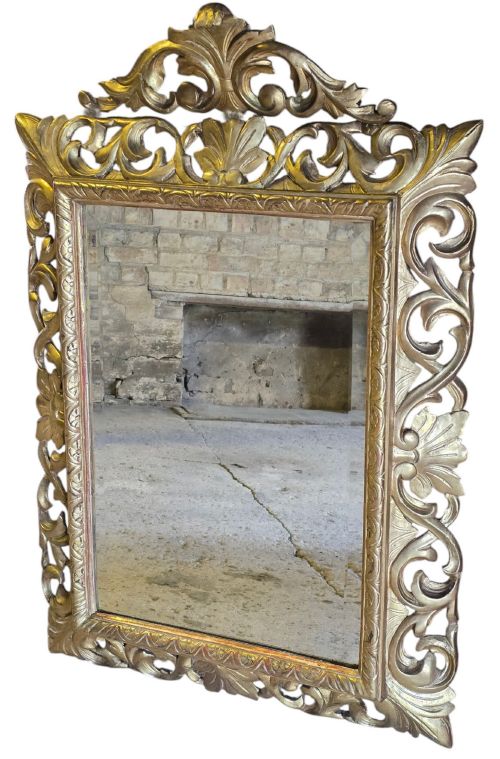
Origins divide clearly between English overmantel designs, French wall glasses with ribbon crests or floral motifs, and Florentine or Italian carved giltwood work. The selection ranges from modest boudoir mirrors to massive architectural pieces intended for principal reception rooms.
How They Were Made
Constructed primarily from solid timber cores such as oak, pine or carved wood, these frames rely on built-up layers of gesso to create crisp, high-relief decoration. Craftsmen carved intricate scrolls, acanthus leaves and asymmetrical motifs directly into the wood or modelled them in gesso before gilding.
Finishes typically involve genuine gold leaf, silver-gilt, or metallic paints applied over red or yellow priming grounds that show through as the metal wears. Many retain their original mercury plates or early antique glass, often displaying natural foxing and age spots.
Listings feature periods from the eighteenth century through the 1920s, dominated by nineteenth-century Victorian and French Rococo Revival pieces in giltwood and gesso.
What Varies in Quality
Depth of carving and the crispness of the moulded gesso separate standard production from exceptional studio work. Superior examples exhibit undercut foliage, sharp scrollwork and hand-tooled details rather than soft, mass-produced composition ornament.
The integrity of the original gilding and the character of the mirror plate dictate overall retention of value. Retaining early or original mercury glass alongside undisturbed gold leaf indicates a well-preserved survivor.
The Ornate Mirror Frame Glossary
- Gesso
- A plaster mixture applied to wood frames to create a smooth surface for carving and gilding. It allows for intricate, sharp-edged decorative mouldings.
- Giltwood
- Timber that has been coated with a thin layer of gold leaf. It provides a warm, reflective metallic finish found on high-status frames.
- Overmantel Mirror
- A large horizontal looking glass designed specifically to hang above a fireplace mantelpiece. These pieces frequently dominate a wall through sheer scale and architectural presence.
- Composition
- A moulded mixture of whiting, linseed oil, resin and glue used as a cheaper alternative to hand-carving. It was pressed into decorative runs for Victorian frames.
- Pier Glass
- A tall, narrow mirror designed to hang on the wall space between two windows. They often match console tables positioned below them.
Ornate Mirror Frame: Frequently Asked Questions
How do I hang a heavy antique overmantel mirror safely?
Heavy nineteenth-century frames require direct attachment to wall studs using robust steel brackets or hanging wires rated well above the object's weight. Professional installation is standard practice given the substantial combined mass of timber, gesso and thick glass.
Distributing the load across multiple fixing points prevents structural strain on the original wooden frame and ensures the piece remains secure against the wall.
What is the difference between an overmantel and a wall mirror?
Overmantel mirrors are proportioned horizontally to fit the specific width of a fireplace surround, often featuring heavy architectural framing. Standard wall mirrors are manufactured in vertical, square or oval formats for general room placement.
While both utilise ornate carved frames, their historical placement dictates their dimensions and visual weight within an interior scheme.
How should I clean antique gilt frames and antique glass?
Gilt surfaces require very gentle dusting with a soft, dry brush to avoid damaging delicate gold leaf or fragile gesso mouldings. Moisture and commercial cleaners strip historical finishes instantly.
Mirror plates can be wiped sparingly with a slightly damp cloth, taking care to keep liquids away from the wooden rabbit where the glass meets the frame to prevent corrosion.
How can I tell a Victorian revival frame from an eighteenth-century original?
Eighteenth-century pieces typically feature hand-carved solid timber construction with distinct tool marks and deep red bole grounds beneath worn gold leaf. Victorian revivals often rely on moulded composition ornament over pine bases. Nail types, backboard construction and the chemical composition of the glass plate also provide definitive clues to the exact period of manufacture.