



Ornate Metal Planter
An ornate metal planter brings botanical display into interior and garden spaces through centuries of decorative foundry work.
Ornate Metal Planter
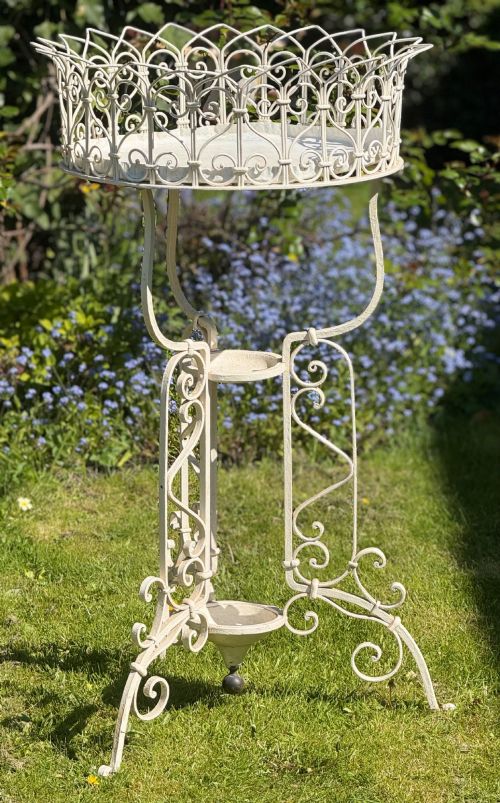
The ornate metal planter category encompasses jardinieres, garden urns, plant stands, and wall pockets designed to hold living plants or floral arrangements.
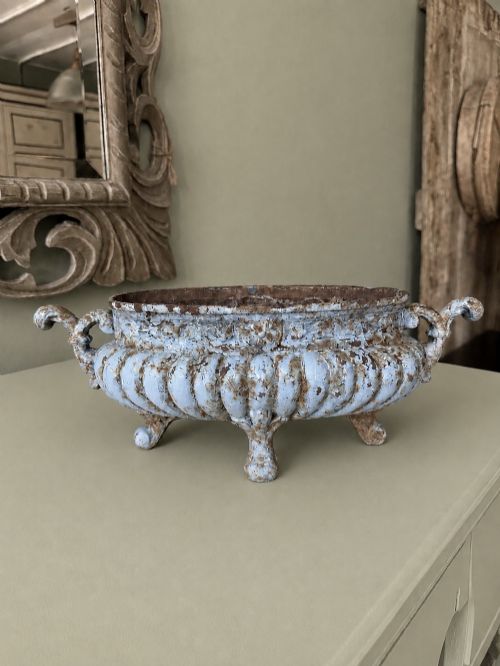
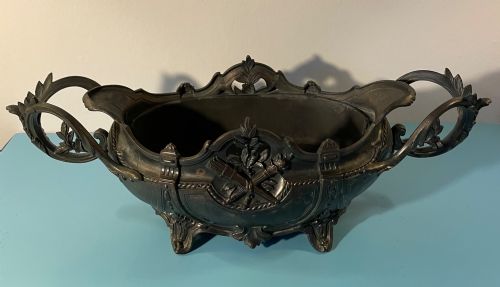
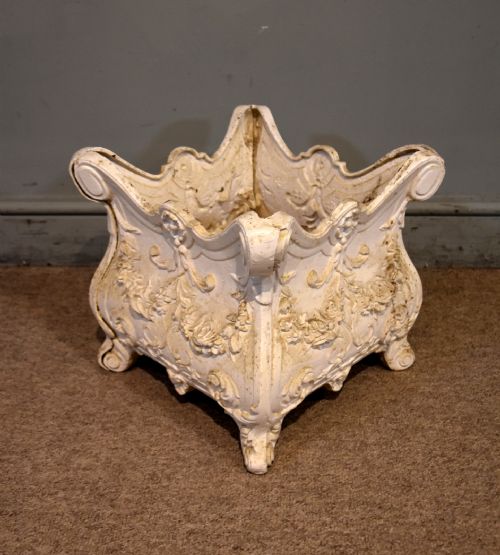
You will most frequently encounter nineteenth-century French and Victorian examples, often taking the form of heavy cast iron urns or brass vessels.
Pieces span a broad chronological range from eighteenth-century origins through the Regency and Victorian eras into early twentieth-century aesthetic designs.
Materials and construction methods
Foundries utilised casting techniques in iron, brass, and bronze to achieve intricate relief decoration, lion mask handles, and animal head motifs.
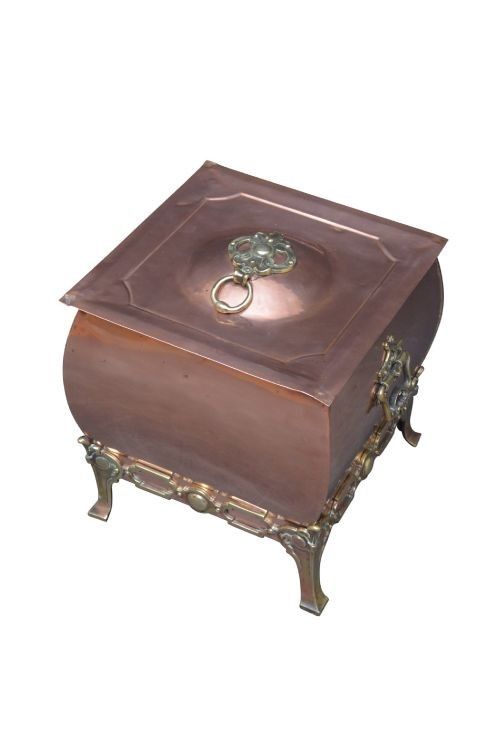
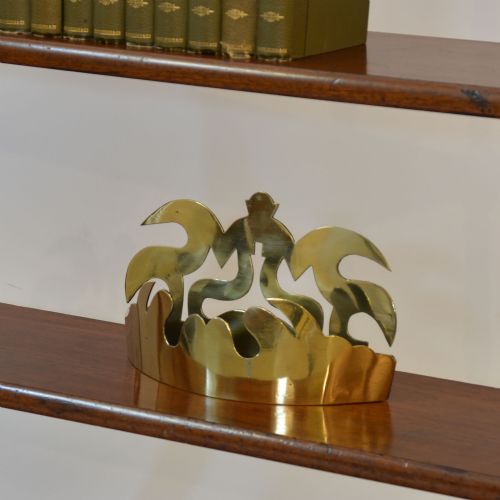
Surface finishes include repoussé work in brass alongside painted, gilt, and ormolu treatments that enhance the sculptural quality of the metal.
Animal heads and lion masks glare outward from centuries of botanical display.
Distinguishing quality in metal planters
The crispness of the cast relief work and the depth of repoussé detailing separate standard utility vessels from ambitious artistic foundry productions.
Proportion and weight dictate the presence of quality, where substantial cast iron and heavy bronze demonstrate superior material integrity.
Coalbrookdale·Barbedienne Paris
The Ornate Metal Planter Glossary
- Jardiniere
- An ornamental pot or stand for holding plants or flowers. These vessels often feature decorative handles and feet.
- Repoussé
- Metalwork hammered into relief from the reverse side. This technique creates raised ornamental patterns on brass and copper surfaces.
- Ormolu
- Gilt bronze ornamentation applied to furniture and decorative objects. The finish provides a rich gold appearance on nineteenth-century pieces.
- Spelter
- An alloy of zinc used as a cost-effective substitute for bronze. It takes fine detail well before receiving metallic finishes.
Ornate Metal Planter: Frequently Asked Questions
How were antique metal planters used?
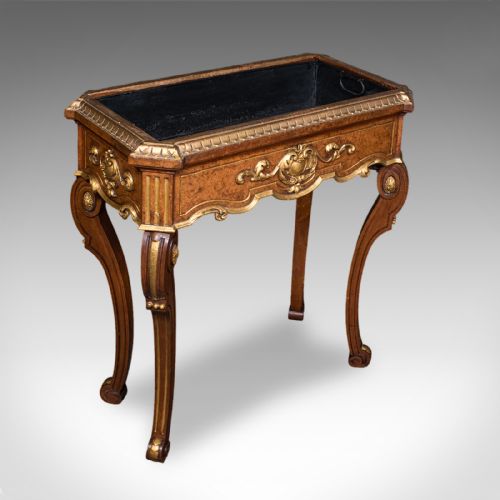
These vessels functioned primarily to house potted plants or cut flowers within domestic rooms, conservatories, and formal gardens. Interior versions often included metal liners to protect surrounding surfaces from moisture.
Larger garden urns stood independently on terraces or lawns, designed to frame pathways and anchor landscape planting schemes.
Where should I place a heavy cast iron urn?
Heavy cast iron pieces suit ground-level garden settings, porticos, or robust interior spaces capable of supporting considerable weight. Their durable metal construction withstands outdoor weathering.
Ensure the placement surface remains level and stable, particularly when the vessel is filled with damp soil and plantings.
Can I plant directly into an antique brass jardiniere?
Direct planting introduces moisture and soil acidity that can accelerate corrosion on antique brass and copper surfaces. Horticultural practice recommends using a separate inner pot.
Removing the inner plant pot for watering protects the historical metal finish and prevents stagnant water accumulation inside the decorative vessel.
How do I identify French revival styles on planters?
French revival pieces frequently incorporate Rococo, Baroque, and Empire motifs such as scrollwork, acanthus leaves, and classical figures. Makers drew heavily on historical design vocabulary during the nineteenth century.
Examining the handling of cast details and the specific patination helps distinguish these historic revivals from modern reproductions.