


Cast Metal Jardiniere
A cast metal jardiniere brings sculptural presence to plants, combining utility with robust foundry work from the nineteenth century.
Cast Metal Jardiniere
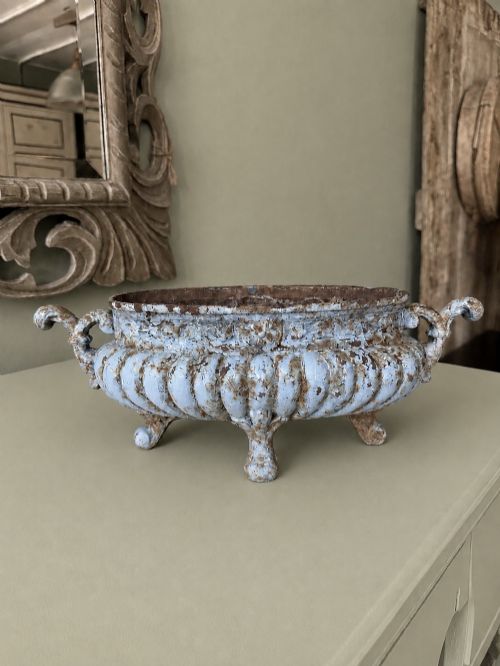
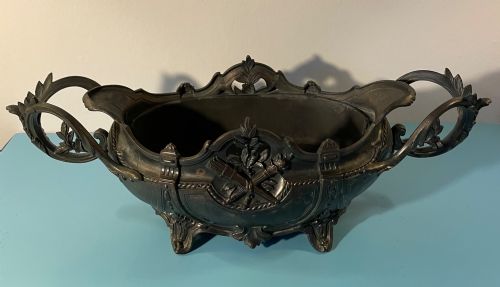
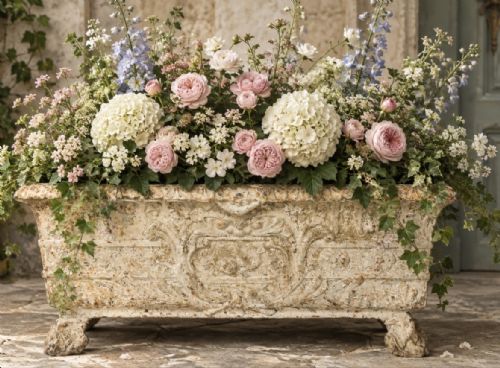
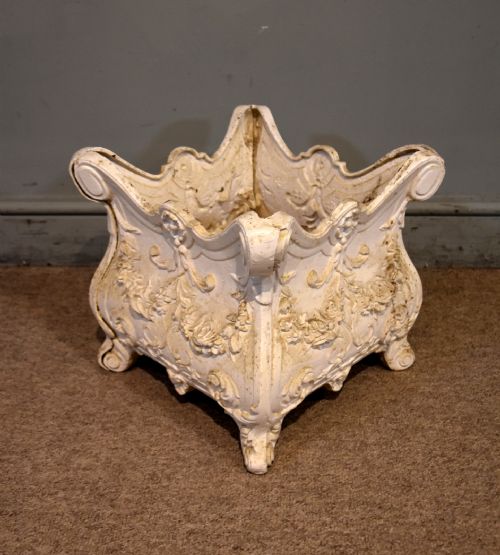
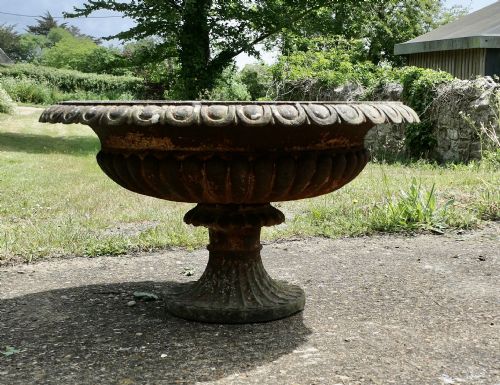
A cast metal jardiniere serves as a heavy vessel for displaying plants indoors and outdoors, taking the form of low bowls, tall stands, and classical garden urns. These pieces originate predominantly from nineteenth-century European foundries and Asian decorative traditions, spanning Victorian, French Chateau, and Japanese Meiji aesthetics.
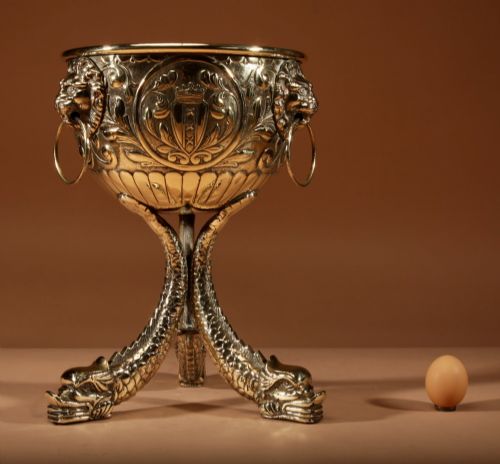
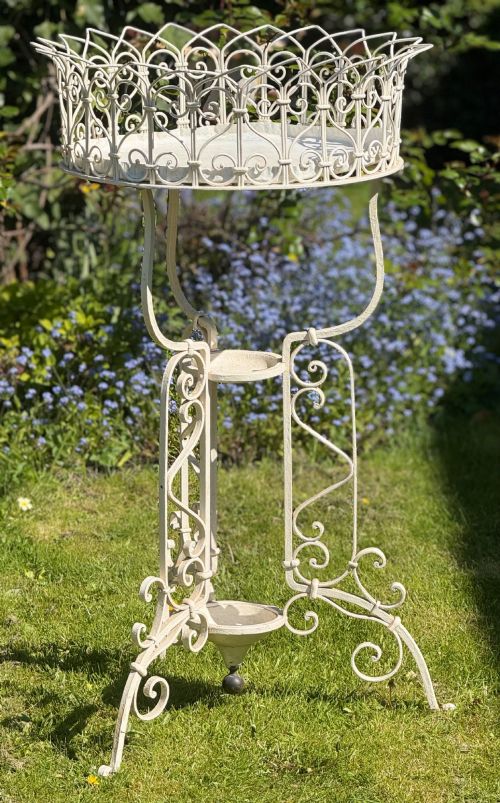
The version most commonly met on this page is the nineteenth-century cast iron garden planter or indoor plant stand, often finished with black paint or patinated surfaces. Buyers also encounter heavier bronze vessels from East Asian periods alongside lighter brass and wirework variations.
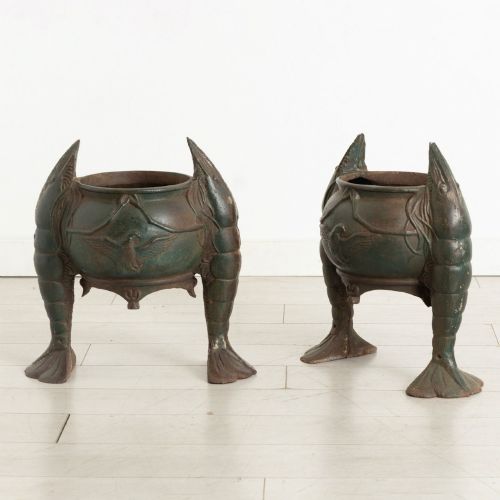
Makers utilised these durable vessels for both domestic conservatories and formal gardens, pairing heavy metal bowls with matching stands or tiered configurations. The surviving examples range from simple utilitarian bowls to ornate, embossed pieces with distinct regional styling.
Distinctions in manufacture and form
Quality separates simple utility vessels from exceptional decorative works through the crispness of the casting and the depth of the surface relief. Pieces displaying intricate Japanese Meiji or Edo period bronze work show greater sculptural refinement than standard utilitarian iron bowls.
The structural integrity of the metalwork and the preservation of original painted or patinated surfaces determine the standing of each piece. Heavy, well-balanced stands and matched pairs command greater attention from collectors than solitary, heavily weathered containers.
Coalbrookdale
The Cast Metal Jardiniere Glossary
- Jardiniere
- A large decorative pot or stand designed to hold growing plants or flowers. These vessels stand on floors, tables, or specialised metal tiers.
- Spelter
- An alloy of zinc and lead used as a cheaper substitute for bronze in decorative foundry work. It takes fine detail well but lacks the strength of iron.
- Meiji Period
- A Japanese historical era lasting from 1868 to 1912, noted in these listings for high-quality decorative bronze planters. Pieces from this time often exhibit detailed surface ornamentation.
- Dinanderie
- A medieval term revived for various objects made of hammered or cast brass, copper, and bronze. It appears on embossed vessels of European origin.
- Wirework
- An arrangement of bent and joined metal wire forming lightweight stands and holders for plants. This technique creates open, intricate geometric patterns.
Cast Metal Jardiniere: Frequently Asked Questions
How do I use a cast metal jardiniere safely indoors?
Place a protective saucer or waterproof liner inside the heavy metal bowl to catch excess drainage water and protect interior surfaces.
Because these vessels are exceptionally heavy, ensure that tables or plant stands can support the combined weight of the metal and wet soil.
Can these plant stands stay outside all winter?
Cast iron and bronze vessels generally tolerate outdoor conditions well, though prolonged exposure to freezing moisture can cause painted iron to rust or crack.
Moving delicate wirework or painted pieces under shelter during harsh weather preserves the finish and prevents structural damage.
How do I distinguish a Japanese bronze jardiniere from a European one?
Japanese bronzes from the Edo and Meiji periods typically feature distinctive relief work, traditional motifs, and specific patination developed through centuries of Asian metalworking traditions.
European pieces more commonly draw on Gothic, Renaissance Revival, or French Chateau styles with different casting signatures.
What is the difference between a jardiniere and a garden urn?
A jardiniere functions primarily as a decorative bowl or container for holding potted plants, whereas an urn often incorporates a pedestal base and classical silhouette.
Many nineteenth-century listings use both terms interchangeably for heavy cast iron pieces suited to garden and conservatory displays.