


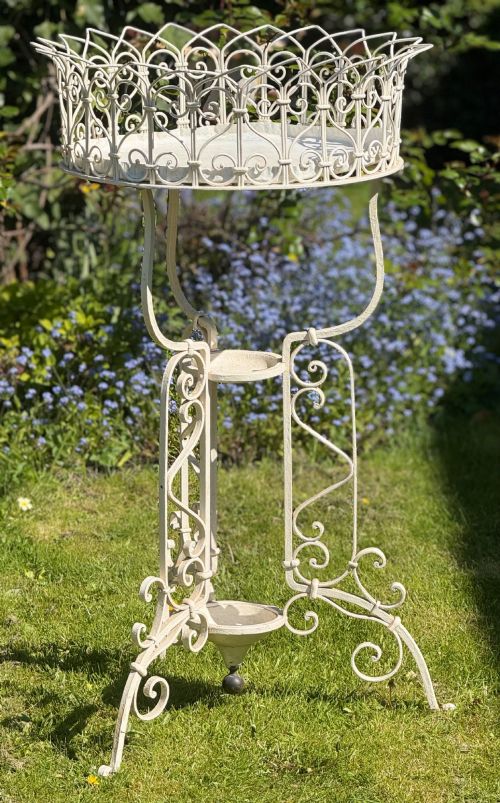


French Metal Jardiniere
A french metal jardiniere brings nineteenth century botanical display indoors through cast iron, brass, bronze, and ormolu mounts.
French Metal Jardiniere
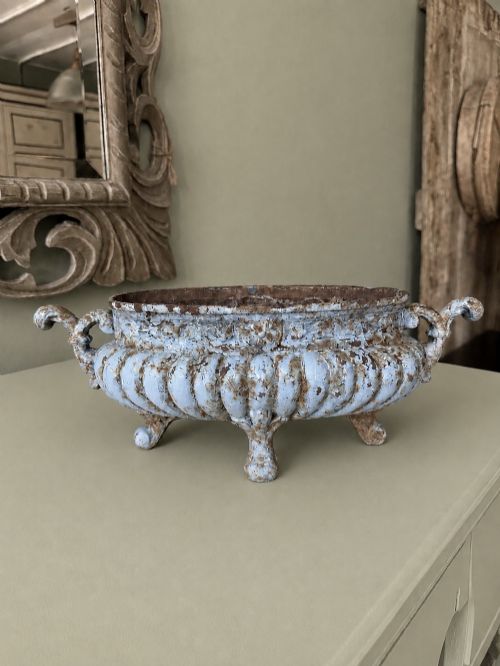
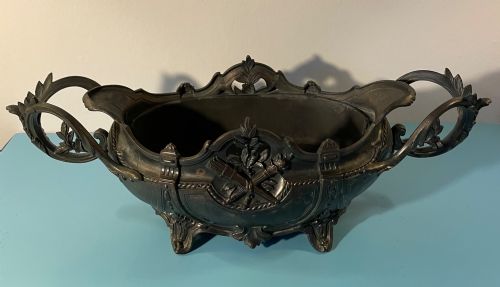
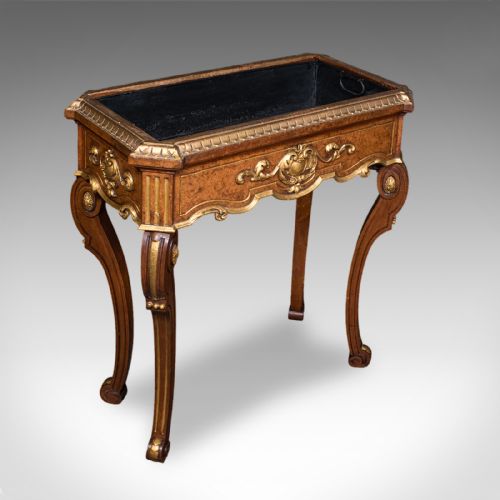
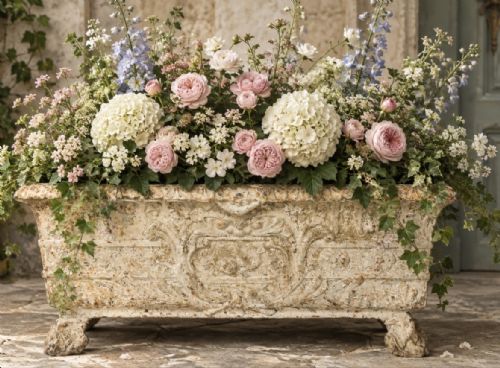
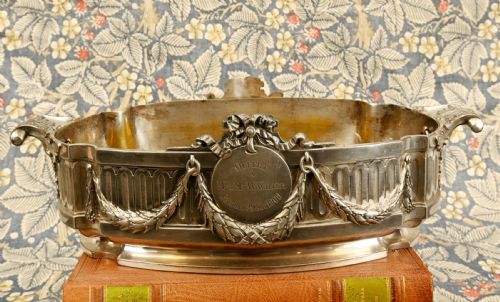
A french metal jardiniere serves as a decorative vessel for housing indoor plants, flowers, or table arrangements within domestic interiors. These pieces appear primarily as tabletop bowls, pedestal stands, or larger floor planters designed to hold potted greenery.
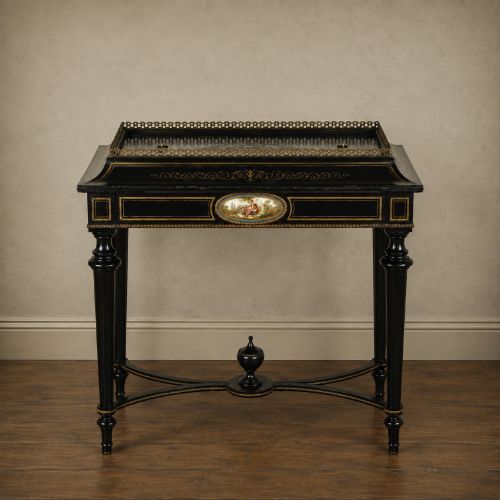
The versions met most frequently on this page date from the nineteenth century, spanning Victorian, Napoleon III, and Rococo Revival styles. Makers constructed these items to combine structural metal bodies with ornamental plant compartments for nineteenth century salons and conservatories.
Materials and construction methods
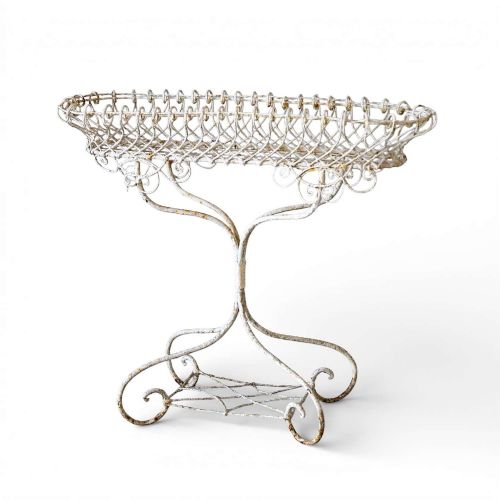
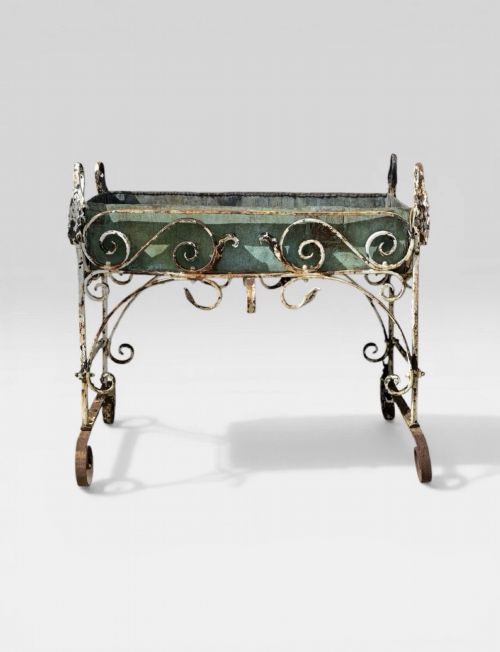
Metal fabrication forms the foundation of these pieces, utilising cast iron, wrought iron, brass, bronze, and zinc. Workshops shaped these materials through casting, hammering, and wirework to build durable bodies capable of holding soil and water.
Decorative detailing relies on applied ormolu mounts, painted porcelain plaques, repoussé embossing, and gilt metal enrichment. Artisans often combined these metal elements with timber frames such as walnut, kingwood, or mahogany.
Some nineteenth century stands doubled as decanter caddies for the dining room.
Assessing craftsmanship and finish
Quality rests in the crispness of the metal casting and the depth of the repoussé work. Finer examples display sharp chasing on bronze and brass mounts, alongside well-integrated ceramic plaques or marquetry inlays.
The integrity of the internal lining and the weight of the supporting frame distinguish superior pieces from standard domestic wares. Robust joinery in the metalwork and well-preserved surface patination indicate higher tier production.
The French Metal Jardiniere Glossary
- Jardiniere
- An ornamental pot or stand designed to hold plants or flowers. These vessels sit upon tables or floor pedestals.
- Ormolu
- Gilt bronze mounted on decorative objects and furniture. This technique involves applying a gold amalgam to bronze.
- Repoussé
- Metalwork hammered into relief from the reverse side. Artisans utilise this method to create raised decorative patterns.
- Napoleon III style
- A nineteenth century french design movement combining eclectic historical revivals. This aesthetic favours rich ornamentation and mixed materials.
- Cloisonne
- Enamelwork bounded by thin metal strips soldered to the base. Craftsmen fill these compartments with coloured paste before firing.
French Metal Jardiniere: Frequently Asked Questions
How were these used?
Nineteenth century households placed these vessels in salons, drawing rooms, and conservatories to display live potted plants and cut flowers.
They functioned as ornamental centrepieces on tables or stood independently on pedestals to bring natural greenery inside.
How do I clean the metal?
Dust gently with a soft dry cloth to protect patination and avoid harsh chemical polishes on aged bronze or brass.
Ensure metal liners remain dry after watering plants to prevent corrosion inside the decorative vessel.
Are liners usually original?
Many surviving pieces retain their original metal or zinc liners designed to catch drainage water from potted plants.
Replacements frequently occur due to rust, meaning buyers should check whether the internal container matches the age of the outer frame.
How to tell periods apart?
Victorian and Napoleon III pieces often feature heavy cast iron or gilt metal mounts with ornate Rococo scrollwork.
Edwardian and later twentieth century examples tend toward lighter wirework construction and simpler aesthetic or arts and crafts lines.