
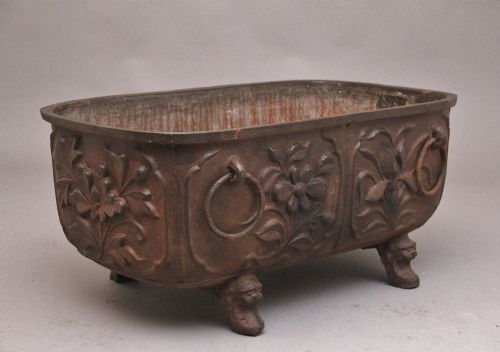


Dark Metal Planter
A dark metal planter anchors a room with heft and shadow, bringing historic weight and sculptural presence to foliage and floral displays.
Dark Metal Planter
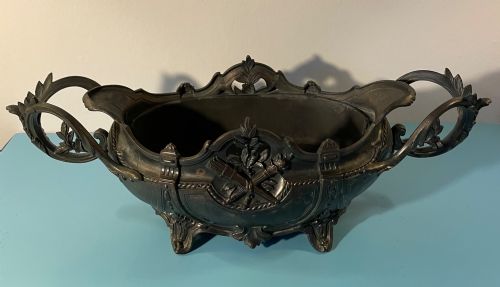
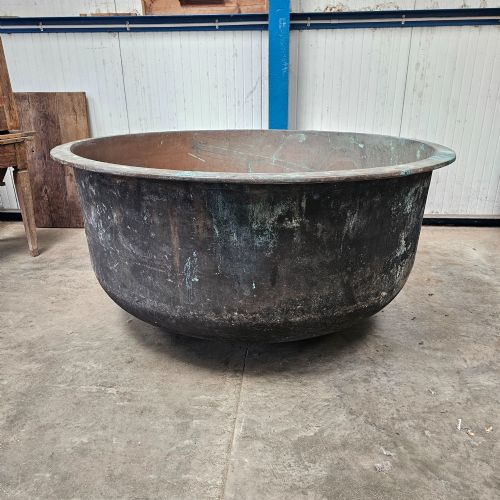
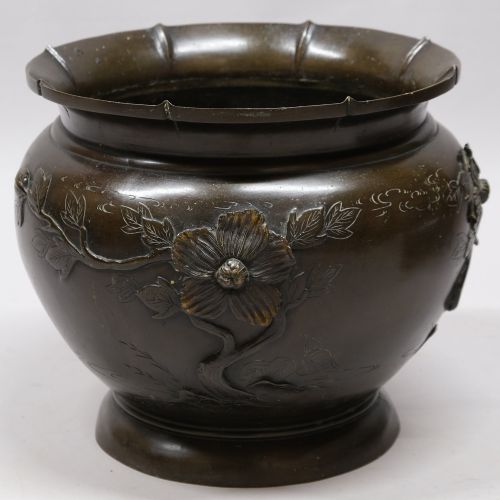
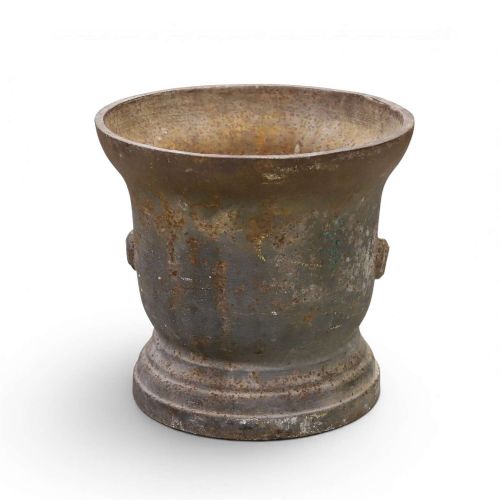
A dark metal planter encompasses heavy vessels designed to house plants, including Japanese bronze jardinieres, French cast iron urns, and large copper pots from the nineteenth century. Buyers seek these pieces for their aged patinas and robust forms, which range from campana-shaped garden vessels to temple baths and ritual bowls.
The selection on this page relies heavily on nineteenth-century craftsmanship, drawing from Meiji period Japanese bronzes, Italian Grand Tour cachepots, and French kitchen or chateau metalware. These vessels serve equally as indoor jardiniere bowls, decorative centerpieces, and structural garden ornaments.
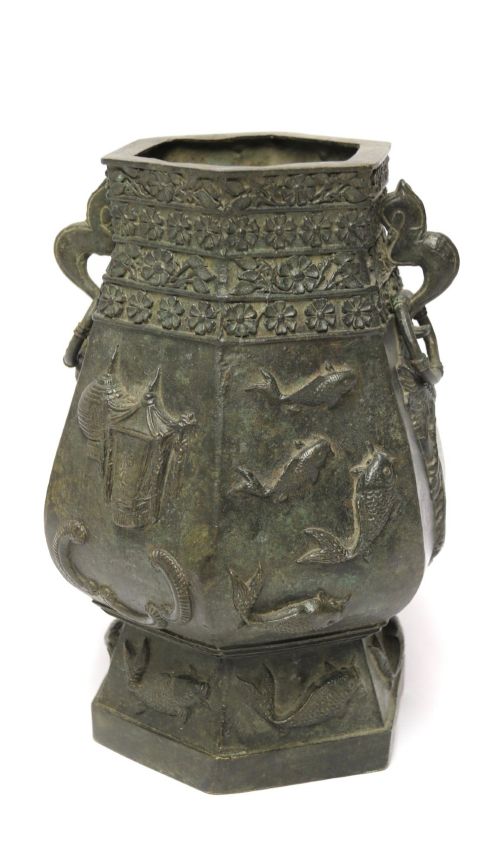
Forms vary from classic neoclassical campana urns and Warwick vases to hexagonal vessels and deep oriental bronze bowls. Each object brings a distinct silhouette shaped by utility, ritual, or grand tour aesthetic ambitions of the Victorian era.
Materials and Construction
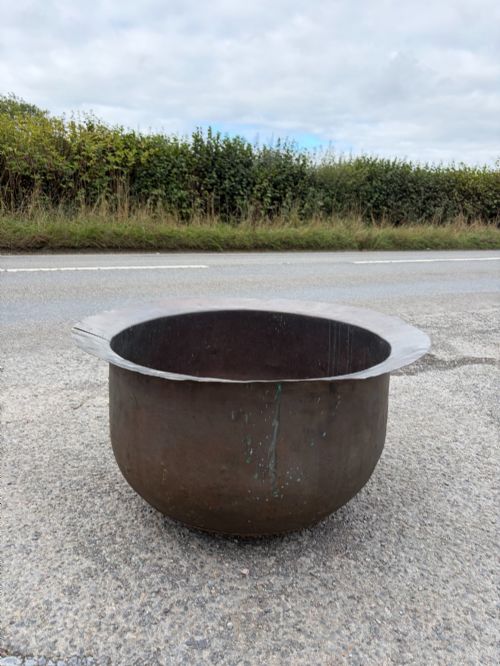
Foundry work dominates these pieces, utilising cast bronze, cast iron, and hammered or sheet copper formed during the nineteenth century. Bronze items often display rich patination, while iron and copper exhibit the rugged tool marks of utilitarian chateau and kitchen vessels.
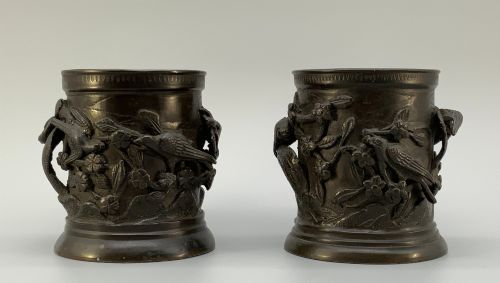
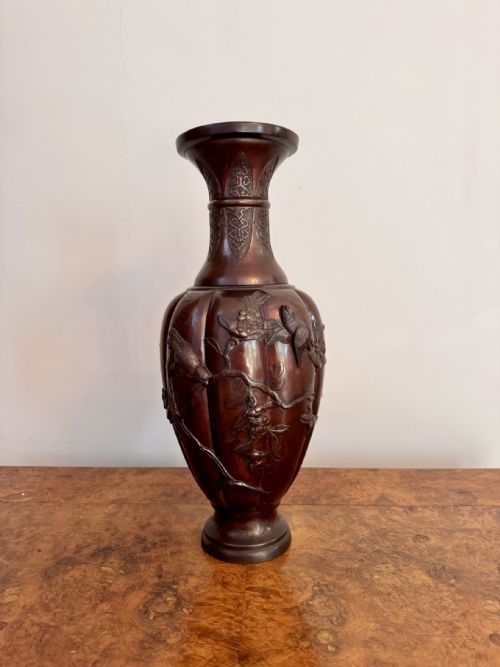
Surface ornamentation ranges from champleve enamel and cast relief decoration depicting birds and blossoms to simple, dark patinated metal surfaces achieved through age and chemical treatment. Construction techniques combine section-cast bronze bodies with applied handles and detailed relief rims.
The listings combine nineteenth-century European cast iron and copper with Japanese Meiji period bronze vessels.
Factors of Quality
Quality rests in the crispness of the cast relief, the depth of the metal patination, and the integrity of the vessel walls. Superior pieces display finely chased details on bronze or balanced proportions on neoclassical campana forms.
Weight and structural balance separate standard utilitarian vessels from exceptional artistic pieces. Heavier bronze bowls and well-preserved nineteenth-century Japanese jardinieres show superior metal density and deliberate artistic design.
The Dark Metal Planter Glossary
- Jardiniere
- An ornamental pot or stand for plants or flowers. These vessels sit on tables or pedestals to display indoor foliage.
- Campana
- A bell-shaped vessel form common in classical antiquity and revived during the neoclassical period. These urns feature flared rims and tapered bodies.
- Patinated bronze
- Bronze metal that has developed a darkened, aged surface finish over time. This process enhances the visual depth of the cast details.
- Warwick Vase
- A famous ancient Roman marble vase discovered near Tivoli, widely copied in bronze during the nineteenth-century Grand Tour. These pieces feature deep bowls and mask handles.
- Champleve
- An enamelling technique where trenches are cut into a metal surface and filled with vitreous enamel before firing. This method creates colourful decorative patterns against a dark metal ground.
Dark Metal Planter: Frequently Asked Questions
How do I care for antique metal planters?
Keep the metal dry and dust it gently with a soft cloth to preserve the historic patina. Avoid harsh chemical cleaners that strip the aged surface.
Line the interior with a removable plastic pot if planting live greenery to prevent moisture damage and corrosion on the inner walls.
What is a Grand Tour planter?
Grand Tour planters are decorative bronze or iron vessels cast in Europe during the nineteenth century as souvenirs for travellers visiting classical antiquities. They typically copy famous ancient Roman or Greek designs.
These pieces brought classical architecture and sculpture into Victorian homes as decorative art objects.
Are these planters suitable for outdoor use?
Many cast iron and bronze pieces tolerate outdoor placement if brought indoors during freezing weather. However, delicate patinas and antique copper are best preserved inside.
Exposure to constant moisture and harsh winter frost can damage historic metal surfaces and destabilise old joins.
How do I identify Meiji period bronzes?
Meiji period Japanese bronzes date from the late nineteenth century and often feature naturalistic motifs like birds, blossoms, and intricate relief casting. Japanese metalworkers achieved exceptional dark patinas during this era.
Many of these pieces were made as jardinieres or ritual vessels, combining fine sculptural quality with functional vessel forms.