



Cast Iron Garden Trough
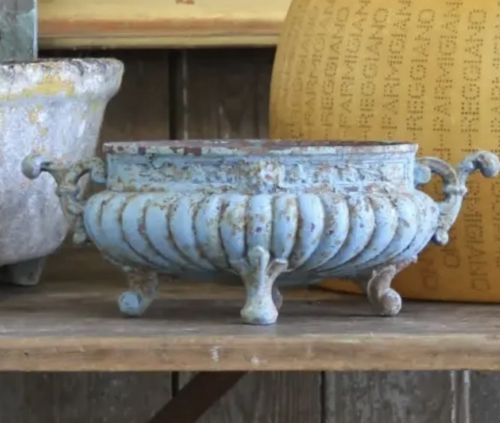
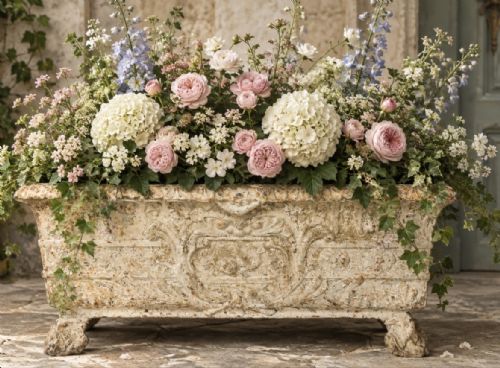
A cast iron garden trough is a robust outdoor planter designed to weather the elements while housing plants.
Cast Iron Garden Trough
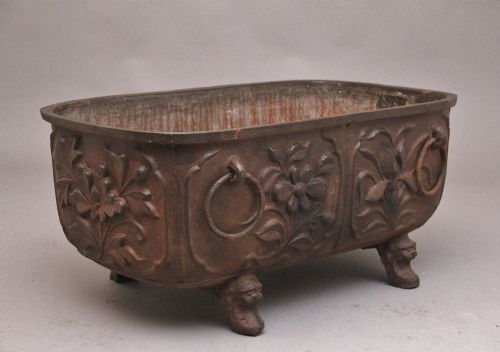
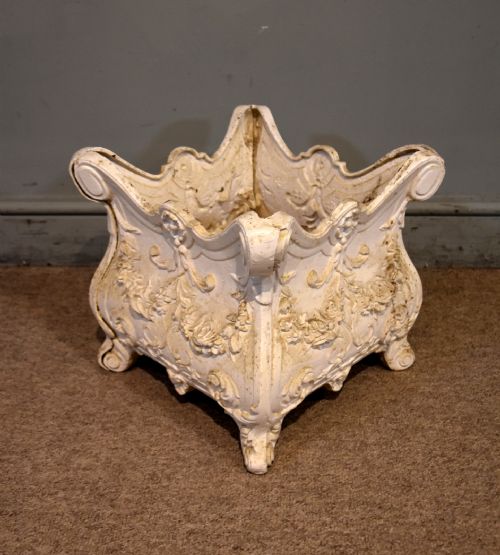
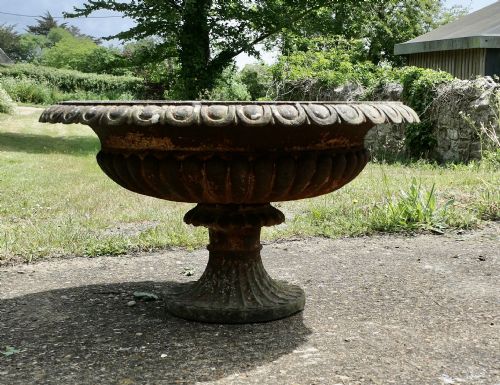
When you search for a cast iron garden trough, you are examining heavy outdoor receptacles designed for planting and display. The inventory on this page spans the nineteenth century, including specific dates like 1850, 1860, and 1880, alongside French, English, and Chinese origins.
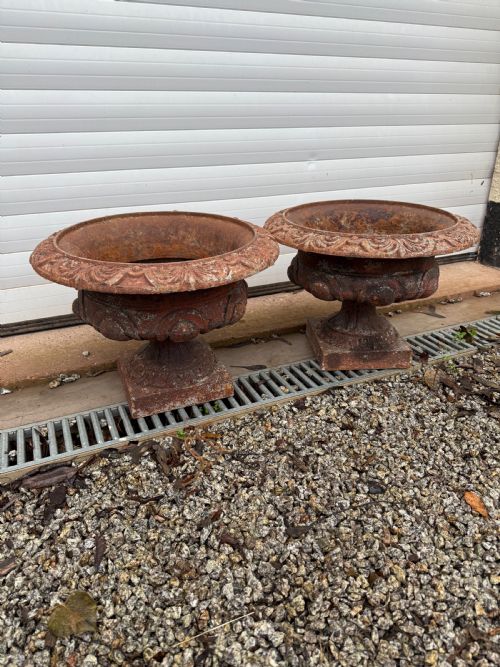
The objects take forms such as garden planters, jardiniere styles, urns, and architectural salvage items like wall racks or hay racks. Victorian and Neoclassical designs sit alongside industrial and Qing Dynasty examples, showing varied historical aesthetics.
You are most likely to encounter nineteenth century French or English pieces cast in iron, often featuring painted finishes or rusted patination from age. Certain examples arrive as pairs, while others are large standalone vessels intended for substantial garden settings.
Manufacturing methods and materials
These pieces rely primarily on cast iron, alongside related materials like wrought iron, steel, and general ironwork. Molten metal was poured into moulds to create rigid, heavy-walled structures capable of holding earth and enduring outdoor exposure.
Surface treatments recorded in the inventory include paint and naturally developed rust, reflecting both decorative application and decades of environmental weathering. Some examples incorporate script or intricate architectural moulding cast directly into the metal body.
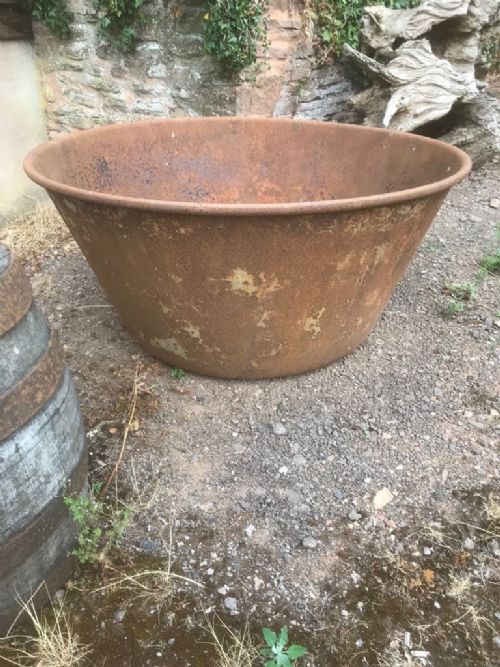
Early nineteenth-century Chinese temple baths sit comfortably alongside Victorian hay racks on the same page.
Distinctions in quality and execution
Quality in a cast iron garden trough rests on the crispness of the original casting and the integrity of the surviving metal. Finer examples display sharp relief in Neoclassical or Victorian decorative motifs, whereas coarser pieces show utilitarian industrial casting.
The condition of the material also dictates the standard of the piece, with sound structural metal versus heavy flaking or structural compromise separating standard utility items from notable antique examples. Provenance to specific makers or distinct regional styles elevates the significance of the vessel.
Coalbrookdale
The Cast Iron Garden Trough Glossary
- Cast iron
- An iron-carbon alloy poured into a mould to form rigid objects. This material forms the primary body of the items listed here.
- Jardiniere
- An ornamental pot or stand for plants. These decorative vessels appear frequently in nineteenth-century French and English designs.
- Neoclassical
- A style reviving classical Greek and Roman forms. This aesthetic influences the ornamentation found on several Victorian garden pieces.
- Architectural salvage
- Building elements rescued from demolition and repurposed. Items such as hay racks and wall racks fall into this category.
Cast Iron Garden Trough: Frequently Asked Questions
What is a cast iron garden trough?
A cast iron garden trough is a heavy metal container built to hold soil and plants outdoors.
These pieces range from utilitarian nineteenth-century agricultural items to decorative French and English garden planters.
How do I care for cast iron outdoors?
Cast iron naturally weathers and develops surface rust when exposed to rain and soil moisture.
Many owners choose to let the metal age naturally, while others apply protective paint coatings to manage the patination.
Are these troughs heavy?
Cast iron objects are exceptionally dense and heavy by nature.
Their substantial weight prevents them from tipping over in winds, making them stable permanent fixtures for gardens.
How can I date a cast iron planter?
Dating relies on stylistic clues such as Victorian or Neoclassical motifs, alongside documented manufacturing periods.
Many pieces on this site originate from the nineteenth century, specifically around the eighteen fifties, sixties, and eighties.