
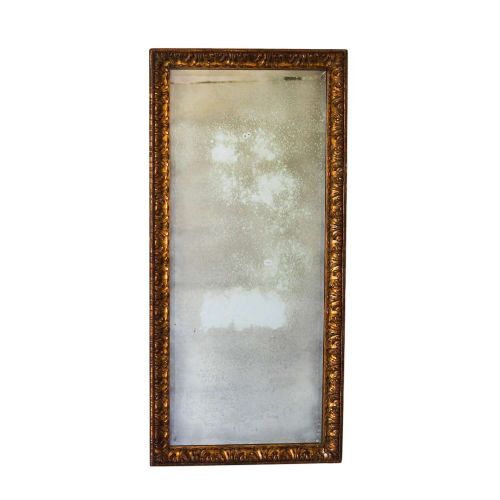
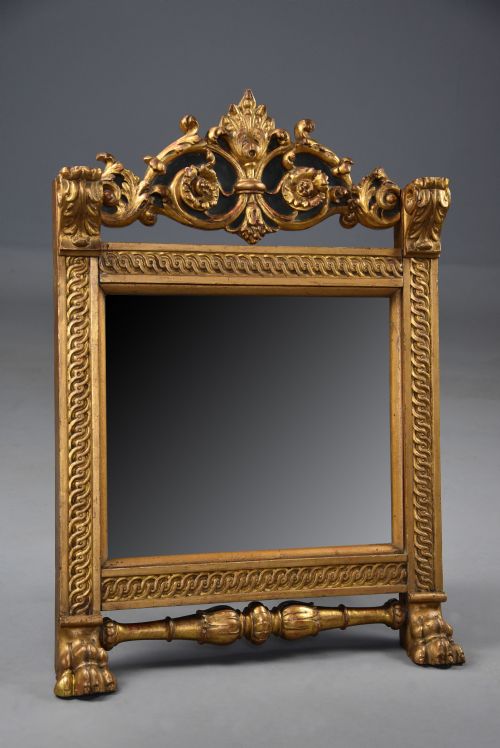


Ornate Gold Dressing Mirror
An ornate gold dressing mirror brings a lavish surface and a reflective depth to a room, drawing the eye instantly.
Ornate Gold Dressing Mirror
When you search for an ornate gold dressing mirror, you encounter pieces intended for vanities, tabletops, and full-length dressing spaces. The selections span smaller table mirrors alongside large floor and wall-leaning formats.
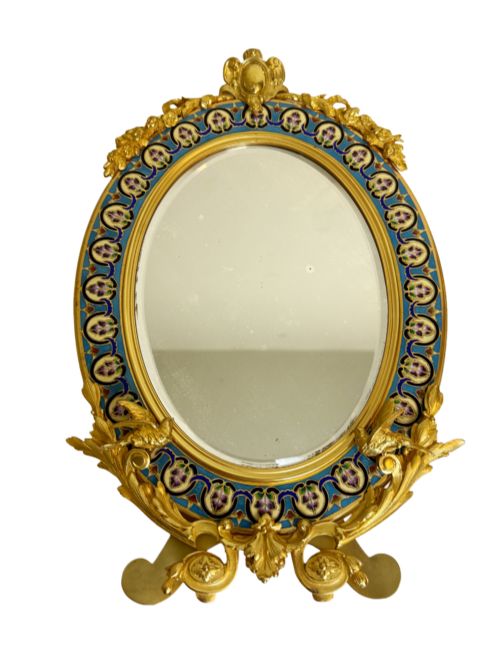
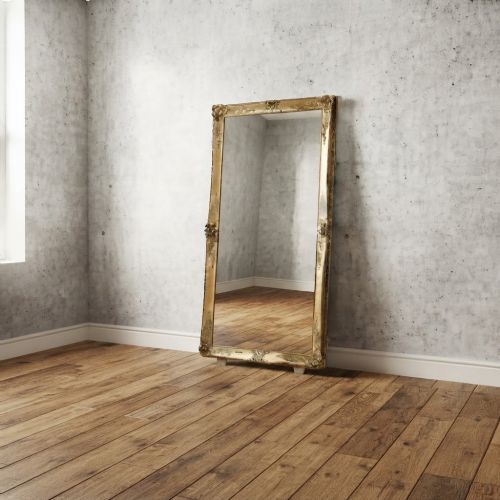
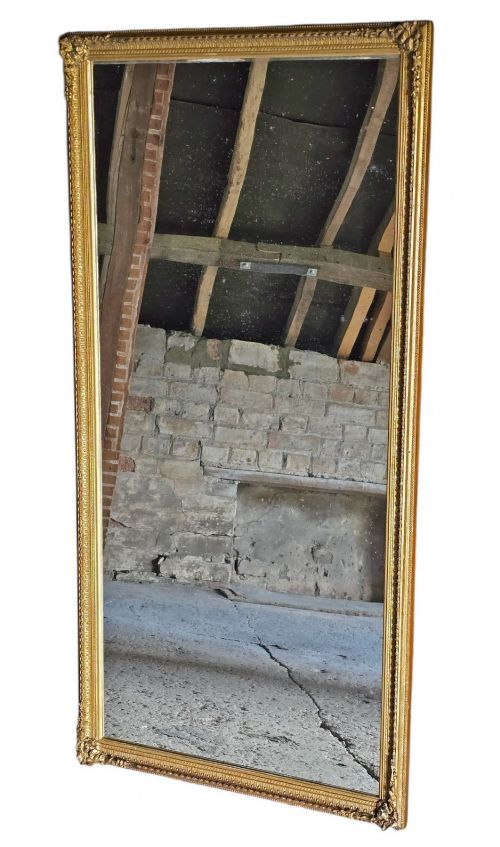
The objects derive largely from the nineteenth and early twentieth centuries, encompassing Victorian, Edwardian, and specific French revival styles. Forms range from oval table top dressing mirrors to tall, narrow pier and cheval mirrors.
These items originate from periods when elaborate decoration was standard, with French Chateau, Rococo, and Neoclassical influences predominating. They serve both practical grooming functions and decorative architectural roles.
Materials and construction
Makers utilised wood, plaster, and base metals as substrates, applying gesso to create intricate moulded relief details before applying gold finishes. Giltwood and gilt bronze appear alongside solid brass and champleve enamel.
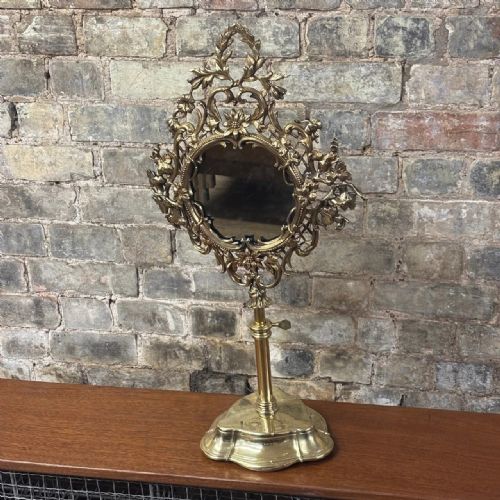
Carved giltwood frames demonstrate traditional woodworking and gilding techniques, while metal alternatives utilise cast brass and bronze components. Bevelled glass provides the reflective surface in many of the finer examples.
The inventory records table mirrors, wall mirrors, cheval mirrors, and full-length leaner mirrors reflecting French and English designs.
Judging quality and craftsmanship
The crispness of the carved or moulded ornamentation dictates the visual weight and refinement of the frame. Deeply undercut gesso work and well-defined cast brass elements separate standard items from superior examples.
The integration of the glass plate within the frame, often featuring bevelled edges, indicates the original tier of production. Heavier, substantial construction in brass, bronze, or carved timber ensures lasting stability.
The Ornate Gold Dressing Mirror Glossary
- Giltwood
- Timber that has been coated with a thin layer of gold leaf. This finish provides the characteristic metallic gleam on period frames.
- Gesso
- A plaster-like mixture applied to wood surfaces and carved or moulded into relief decoration before gilding. It forms the intricate scrollwork and floral motifs.
- Cheval mirror
- A freestanding full-length mirror hung in a frame that allows it to swing or tilt. These items sit on stable floor bases.
- Champleve
- An enamelling technique where troughs are sunk into a metal surface and filled with vitreous enamel. This method appears on decorative mounts and table mirror frames.
Ornate Gold Dressing Mirror: Frequently Asked Questions
How do I date an ornate gold dressing mirror?
Dating relies on examining the materials, construction methods, and stylistic cues present in the frame. Nineteenth-century pieces often feature hand-carved giltwood or heavy cast brass, whereas later twentieth-century iterations display different backing materials and assembly techniques.
Historical revival styles, such as French Rococo or Louis XV, recur across several decades, so hardware and glass bevels help narrow the precise era of manufacture.
Where should I place a dressing mirror?
Table mirrors suit dressing tables, chests of drawers, and sideboards where they offer a convenient angle for personal grooming. Larger full-height floor and wall mirrors function effectively in bedrooms and hallways to expand the visual space.
Ensure that wall-hung or leaner formats are secured safely to support their substantial weight, particularly when constructed from solid brass or dense giltwood.
What is the difference between a pier mirror and a dressing mirror?
Pier mirrors were traditionally designed to hang on the narrow wall space between windows, often reflecting light back into the room. Dressing mirrors are generally tailored for personal use on tabletops or as freestanding full-length items.
Despite their original architectural purposes, many tall pier mirrors are now utilised as floor-standing dressing mirrors due to their height and proportions.
How do I clean a gilded frame?
Gilded surfaces require gentle dusting with a soft, dry brush to prevent damage to the delicate gold leaf or gesso relief. Avoid liquid cleaners and chemical solvents, which can strip or discolour the historical finish.
Glass components can be cleaned using standard glass cleaner applied sparingly to a cloth rather than sprayed directly onto the mirror, protecting the surrounding frame from moisture.