



Ornate Gilded Pier Mirror
An ornate gilded pier mirror brings dramatic scale and reflective light to a room, drawing the eye with elaborate carved detail.
Ornate Gilded Pier Mirror
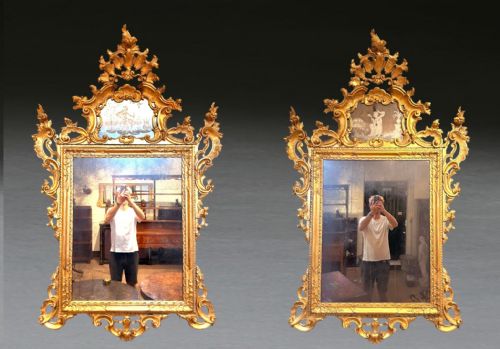
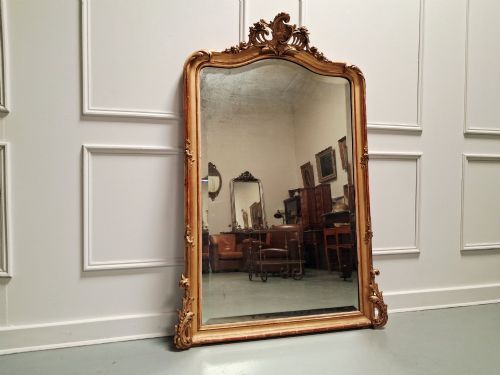
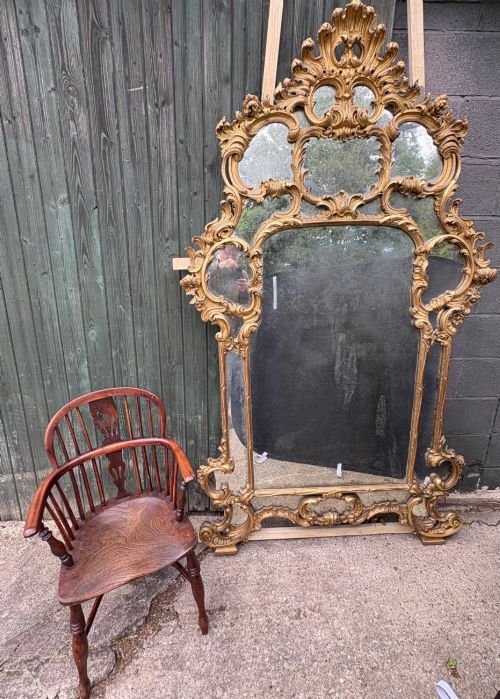
An ornate gilded pier mirror is a large wall-hanging or console-mounted glass panel designed specifically for the wall space between windows, known as the pier. These statement pieces originate across several centuries, with nineteenth-century examples and eighteenth-century origins forming the core of what you will encounter here.
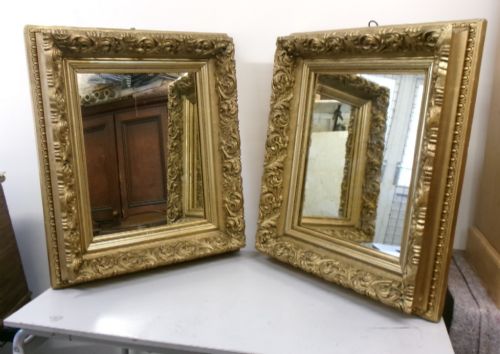
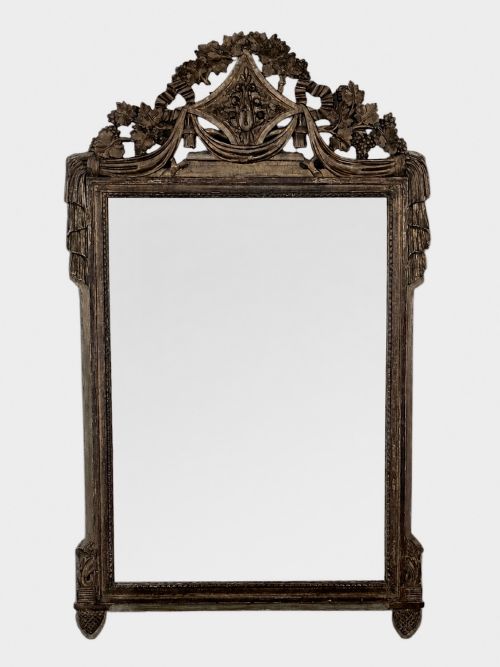
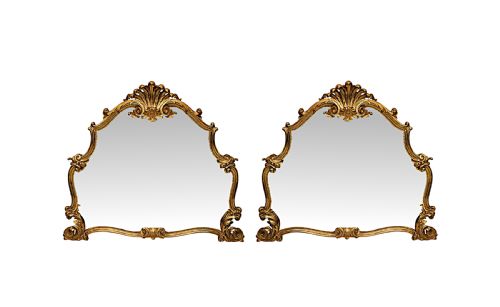
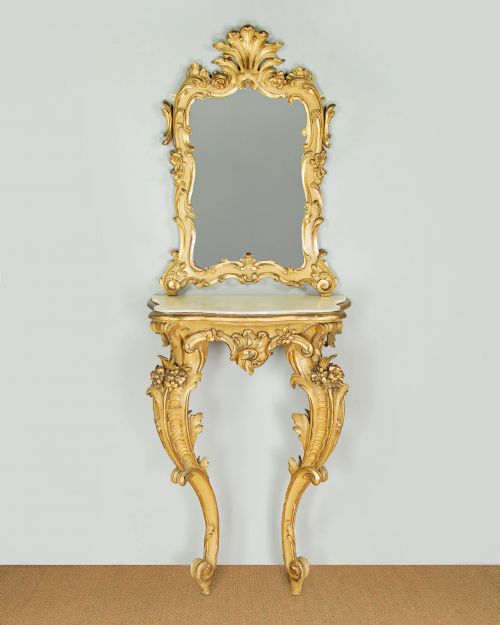
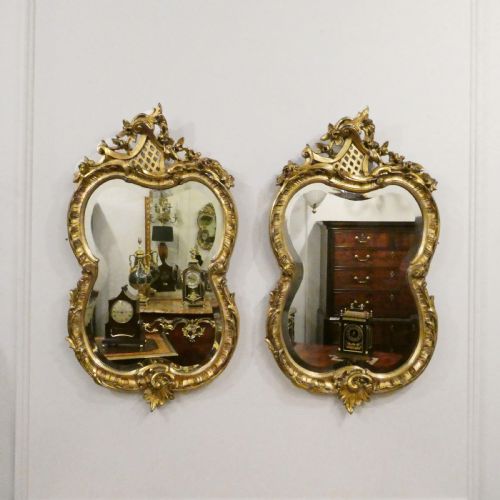
The selection ranges from grand French Rococo Revival wall mirrors to Italian giltwood creations, often paired with console tables or built on a substantial scale. You will also find Georgian, Victorian, and Belle Époque interpretations, many exhibiting elaborate ribbon crests, figural carvings, or architectural frames.
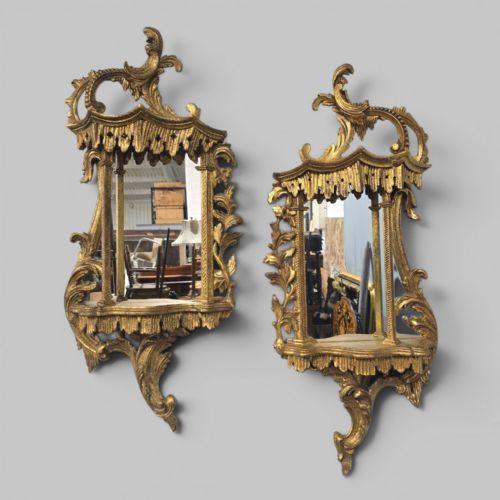
Makers drew upon diverse regional vocabularies, producing pieces from French Neoclassical wall glasses to Chinese Chippendale wall mirrors. The typical form serves both functional dressing use and decorative grandeur in principal reception rooms.
How they were made
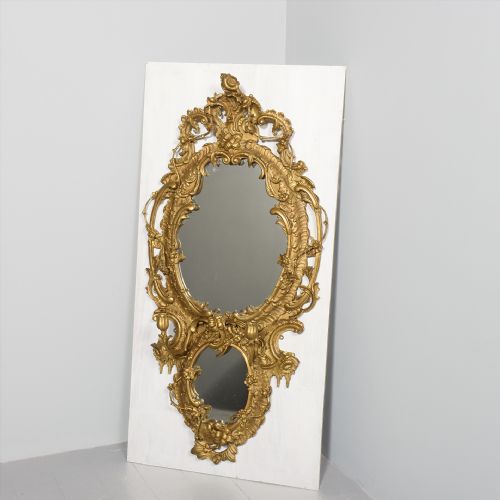
Craftsmen built the structural foundations primarily from carved wood and gesso, applying layers of gold leaf or gilt to achieve a brilliant metallic sheen. Carved giltwood forms the principal medium, supplemented occasionally by parcel gilt treatments over dark painted grounds.
Mirror glass of the period was set within deeply moulded or pierced frames, secured alongside marble top elements on associated console tables. The intricate relief work relied on skilled hand-carving through gesso layers built up over timber bases.
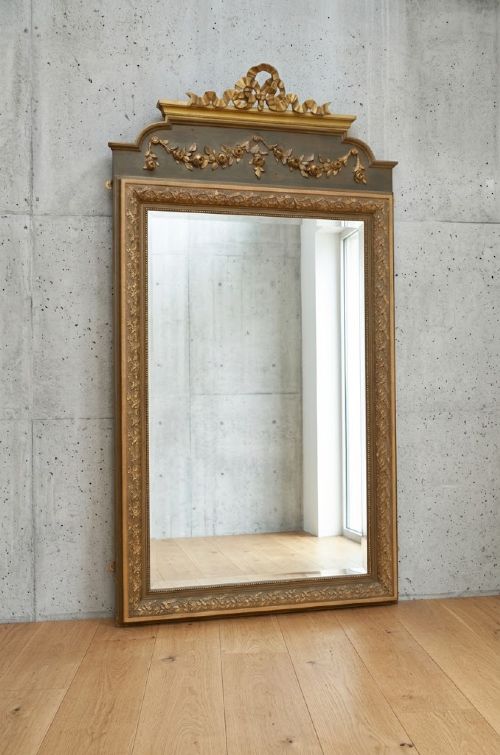
Some nineteenth-century French marriage mirrors incorporate subtle olive green tones and ribbon crests designed to celebrate domestic unions.
What varies in quality
Quality rests upon the crispness of the hand-carved detail within the wood and gesso relief, distinguishing deeply undercut foliage and crests from softer, shallower mouldings. The purity and depth of the gilding further separate standard decorative items from exceptional works.
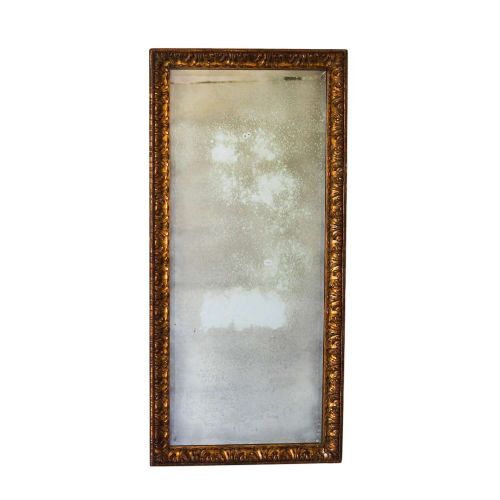
Proportion and structural integrity define the higher tier, where substantial frames remain true and support heavy glass plates without undue distortion. The integration of original mercury or silvered mirror glass enhances the authenticity and depth of the reflection.
The Ornate Gilded Pier Mirror Glossary
- Pier glass
- A tall mirror specifically proportioned to hang on the wall space between two windows. These items often sat directly above a matching console table.
- Giltwood
- Timber that has been coated with thin sheets of gold leaf or gold dust over a prepared gesso ground. This technique creates a durable, luminous metallic finish.
- Gesso
- A plaster-like mixture applied to wood frames to provide a smooth, resilient surface for carving intricate details and applying gold leaf. It allows for sharp relief work.
- Rococo Revival
- A nineteenth-century design movement resurrecting the asymmetrical scrolls, C-scrolls, and naturalistic shell motifs of the eighteenth-century French style. Frames from this period display exuberant, flowing ornamentation.
- Console table
- A table designed to stand against a wall, frequently paired beneath a pier mirror to complete a unified architectural composition.
Ornate Gilded Pier Mirror: Frequently Asked Questions
Where should I hang a pier mirror?
These tall mirrors work best in reception rooms, hallways, or dining spaces where their height can amplify natural light. Placing them between windows or above a suitable console table follows their traditional architectural purpose.
Ensure the wall construction safely bears the substantial weight of carved wood and heavy glass panels before mounting.
How do I identify a nineteenth-century mirror?
Examine the construction methods behind the frame, where nineteenth-century examples frequently employ dense gesso over carved wood. Look for stylistic cues such as Rococo Revival scrolls, Victorian proportions, or Belle Époque crests.
The backing boards, fixing methods, and the composition of the mirror glass itself provide further chronological indicators.
What is the difference between giltwood and parcel gilt?
Giltwood describes an entire wooden frame covered completely in gold leaf over a gesso base. Parcel gilt involves applying gold leaf selectively to highlighted areas while leaving other surfaces painted or exposed.
This distinction alters the visual weight and decorative emphasis of the frame.