




Gilded Wood Scrollwork Mirror
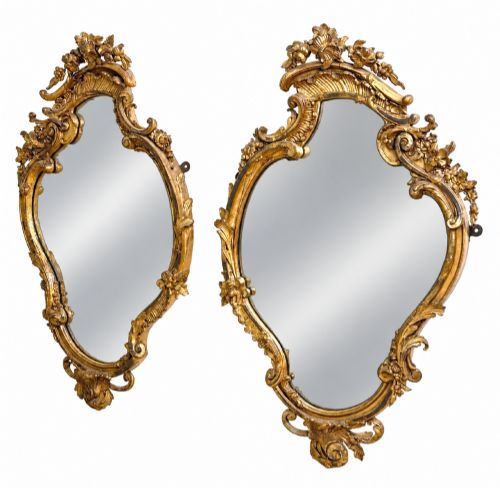
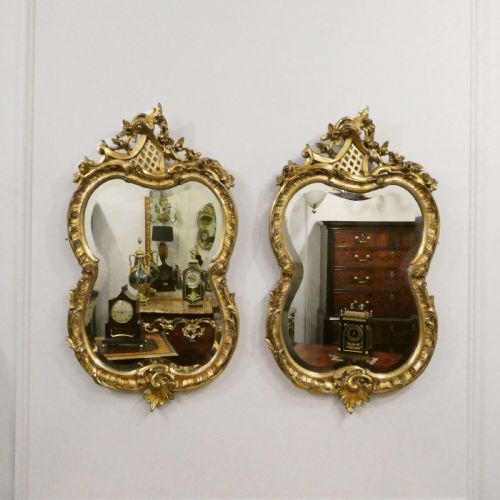
These gilded wood scrollwork mirror pieces bring genuine nineteenth-century presence and reflective light to a room through carved detail and gilded surfaces.
Gilded Wood Scrollwork Mirror
A gilded wood scrollwork mirror provides both wall decor and reflective light, drawing on styles from the eighteenth century onwards. Buyers searching for a gilded wood scrollwork mirror encounter wall mirrors in Rococo Revival, Georgian style, and French Rococo designs.
Origin points span English, Italian, and Spanish traditions, incorporating walnut and mahogany alongside traditional giltwood. Pairs appear alongside single wall mirrors, offering flexibility for domestic placement.
How they were made
Carpenters and carvers shaped timber bases from walnut, mahogany, and bleached wood before applying gesso layers for carving preparation. This foundation allowed artisans to execute intricate scrollwork and fret-cut patterns.
Craftsmen applied thin gold leaf over the prepared gesso surfaces to achieve the characteristic giltwood finish. Mirror glass, including bevelled plate variants, was then fitted into the carved frames.
Gilded Wood Scrollwork Mirror Retail Price Guide 2026
Typical asking prices for gilded wood scrollwork mirror among the pieces listed under this phrase on Sellingantiques today, from the lower quarter to the upper quarter. They describe what is for sale here now, not the wider market.
Victorian carvers occasionally incorporated Middle-Eastern design motifs into traditional European scrollwork frames.
What varies in quality
The depth and crispness of the wood carving separate standard decorative frames from superior examples. Hand-carved scrollwork with sharp relief demonstrates a higher level of artisanal skill than simpler execution.
The preservation of the original gilding and the quality of the underlying gesso layer define the tactile appeal of each piece. Integrated materials like figured walnut or mahogany add architectural substance to the frame construction.
The Gilded Wood Scrollwork Mirror Glossary
- Giltwood
- Wood that has been coated with thin gold leaf or powder over a prepared base. This finish provides the bright reflective surface characteristic of these frames.
- Gesso
- A plaster-like mixture applied to wood surfaces to create a smooth layer for carving and gilding. It enables the creation of sharp decorative relief.
- Fret cut
- Wood pierced and shaped with a fretsaw to produce geometric or scroll patterns. This technique yields lightweight decorative borders.
- Bevelled glass
- Mirror glass with edges cut and polished at an angle. This treatment catches light at the perimeter of the reflection.
- Rococo Revival
- A nineteenth-century design movement resurrecting the asymmetrical scrolls and shell motifs of the eighteenth century. It defines much of the scrollwork seen on these mirrors.
Gilded Wood Scrollwork Mirror: Frequently Asked Questions
Where should I hang a gilded mirror?
These mirrors suit principal reception rooms, hallways, or above mantelpieces where they amplify natural light and anchor the wall space.
Ensure the wall fixings support the weight of the timber and gesso frame securely before hanging.
How do I clean a giltwood frame?
Dust the carved scrollwork gently with a soft dry brush to prevent accumulation in the recesses. Avoid liquid cleaners and commercial polishes, which can damage the delicate gold leaf surface.
Clean the mirror glass separately using a standard glass cloth, taking care not to let moisture touch the surrounding wood.
Are these mirrors original to their stated period?
The listings include pieces made during specific historical eras, such as the eighteenth and nineteenth centuries, alongside later revival interpretations.
Examine the construction methods, backing timbers, and wear patterns on the gilding to understand the age of each individual mirror.
What is the difference between Rococo and Georgian styles?
Rococo designs emphasise asymmetrical scrollwork, naturalistic curves, and ornate C-scroll motifs. These elements appear frequently in French and revival pieces.
Georgian styles lean toward architectural symmetry, classical proportions, and mahogany or walnut structures with controlled carved details.