




Ornate Gilded Floor Mirror
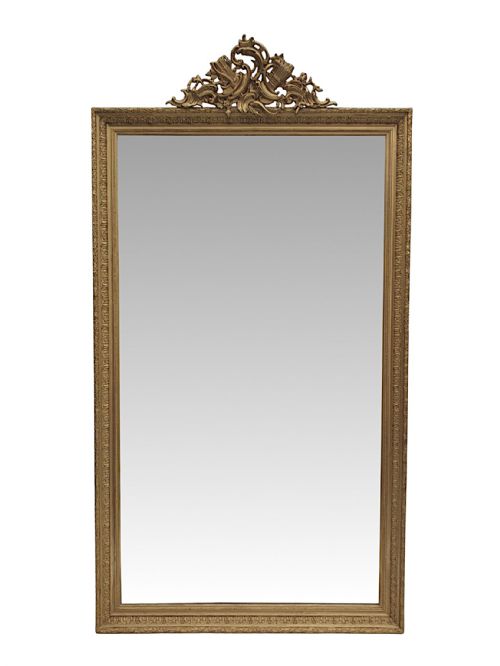
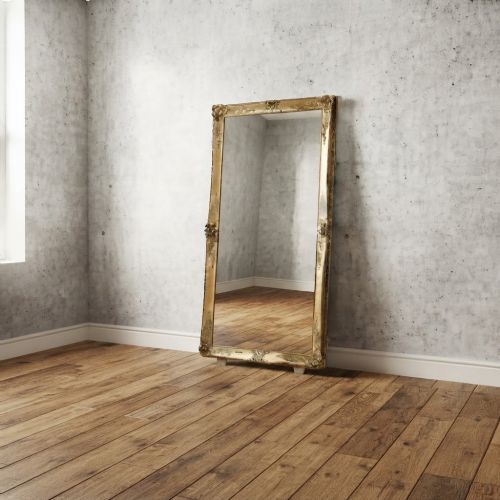
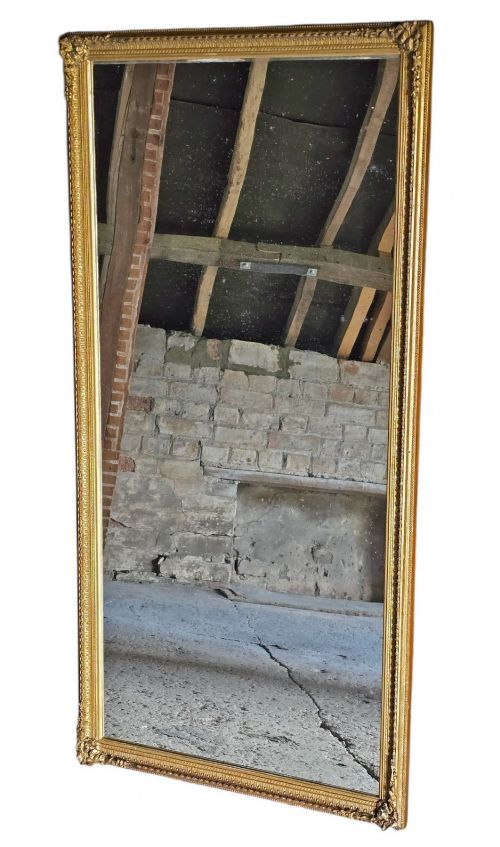
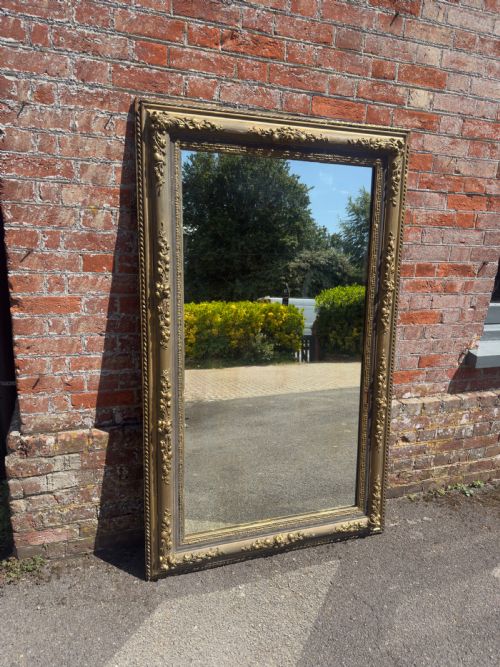
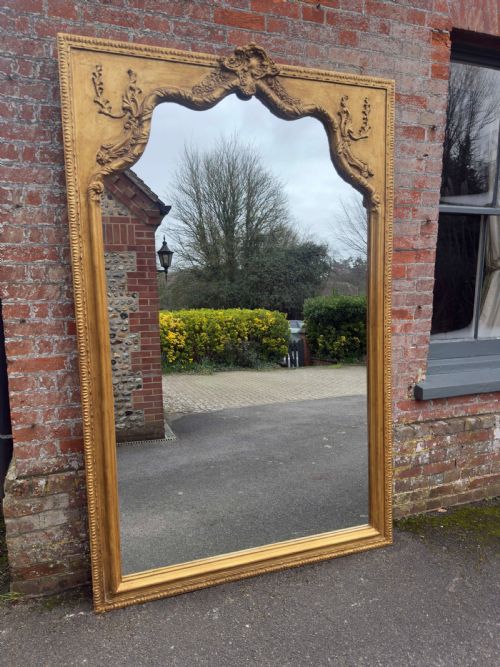
An ornate gilded floor mirror brings scale and reflected light to a room, drawing the eye with heavily decorated frames of gold leaf and gesso.
Ornate Gilded Floor Mirror
When you search for an ornate gilded floor mirror, you encounter large standing, leaner, and dressing glass plates housed in decorative frames. These pieces originate primarily from the nineteenth and early twentieth centuries, spanning periods from the eighteen-fifties through to nineteen-ten.
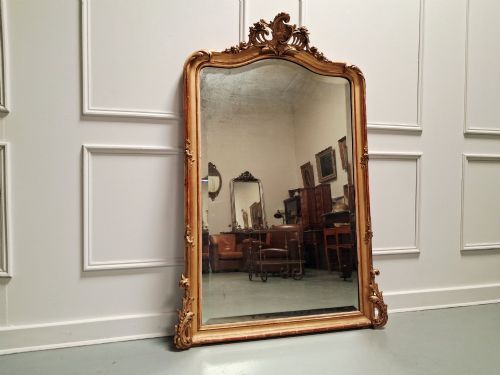
The selections here lean heavily toward French Rococo and Victorian aesthetics, with styles such as French Chateau and Italian Rococo Revival appearing frequently. Many items function as full-height wall or leaner mirrors, while cheval mirrors offer adjustable standing frames.
Materials and Construction
Makers built these frames using timber cores of wood, mahogany, or walnut, upon which they applied layers of gesso and composition to model intricate surface relief. Carved wood details provide the structural foundation for ornate scrollwork and crests.
Gilding was achieved using gold leaf or parcel gilding applied over preparation layers, sometimes accompanied by original painted finishes. Glass plates provide the reflective surface, fitted into substantial frames designed to support their own considerable weight.
Nineteenth-century mirrors often retain traces of old workshop chalk marks hidden behind their frames, left by makers who had no idea their work would be admired centuries later.
Assessing Quality
Quality rests in the crispness of the carved wood and gesso ornamentation, where deeply undercut foliage and scrollwork demonstrate superior hand-craftsmanship over routine moulded composition. The depth and integrity of the original gilding further distinguish finer examples from later or heavily restored surfaces.
Structural robustness also matters, as a large frame needs solid joinery to support heavy glass without sagging. The clarity and preservation of the glass plate itself complete the hierarchy, with original surfaces holding greater integrity.
The Ornate Gilded Floor Mirror Glossary
- Giltwood
- Wood that has been coated with gold leaf or gold powder. This finish gives the frame its characteristic metallic sheen.
- Gesso
- A plaster-like mixture applied to wood frames and carved or moulded before gilding. It provides a smooth base for intricate decorative details.
- Leaner mirror
- A tall mirror designed to rest against a wall without being hung from brackets. These pieces rely on their sturdy construction and weight for stability.
- Cheval mirror
- A full-length glass plate suspended in a standing frame on pivots. This allows the mirror to tilt to various angles.
- Composition
- A moulded material made from Whiting, resin, and glue used to create decorative frame ornaments. It allowed makers to produce elaborate relief work efficiently.
Ornate Gilded Floor Mirror: Frequently Asked Questions
How do I secure a floor mirror safely?
Large leaner mirrors require secure anchoring to the wall behind them to prevent tipping. Use appropriate brackets attached to wall studs while letting the base rest firmly on the floor.
Position the mirror away from heavy foot traffic paths to protect the frame and glass from accidental knocks.
What is a cheval mirror?
A cheval mirror is a freestanding full-length glass plate mounted on vertical side posts with pivots. This design allows the user to tilt the glass forward or backward.
These pieces typically date from the nineteenth century and function independently of wall support.
How do I clean an antique gilt frame?
Dust giltwood frames gently with a soft, dry brush to remove surface particles. Avoid liquid cleaners, water, and chemical polishes, which strip delicate gold leaf and gesso.
Take care around raised composition ornaments, as vigorous rubbing causes the gold finish to flake away.
How do I date a gilded mirror?
Examine the timber behind the frame, the composition of the gesso, and the backboards for clues regarding age. Nineteenth-century pieces often display hand-carved elements alongside moulded compo details.
The style of the crest, such as French Rococo or Victorian revival, also points toward specific manufacturing decades.