

Ormolu Mounted Lamps
Ormolu mounted lamps combine polished gilt metal with imported porcelain, carved stone and rich hardwoods to illuminate nineteenth-century interiors.
Ormolu Mounted Lamps
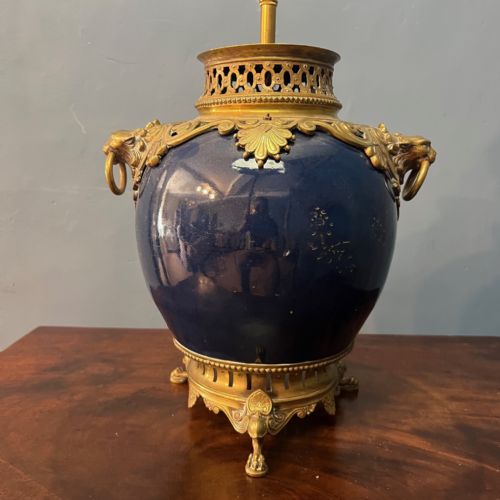
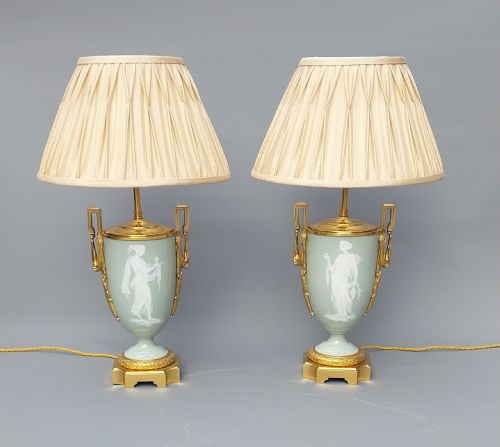
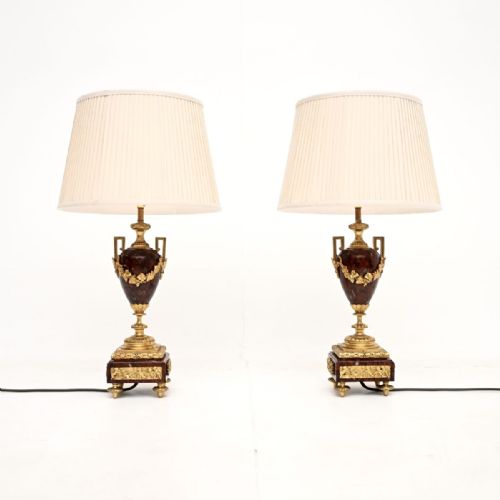
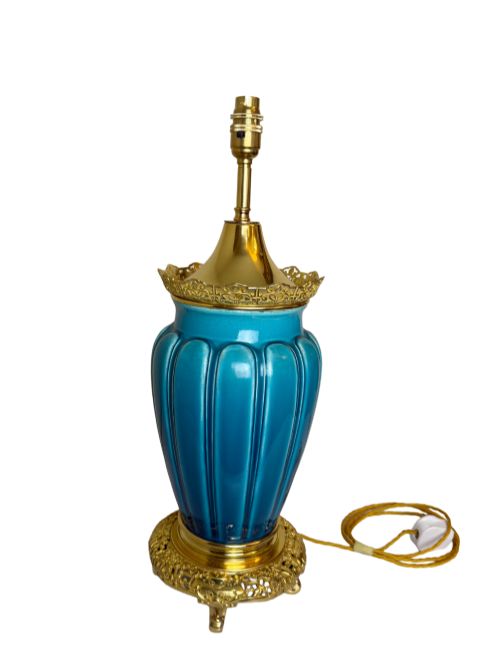
When you examine ormolu mounted lamps, you find a frequent convergence of nineteenth-century French lighting fixtures and repurposed Asian or European porcelain vases fitted for electricity. The selection relies heavily on pairs incorporating rouge, green, or white marble bodies secured by cast gilt-bronze mounts.
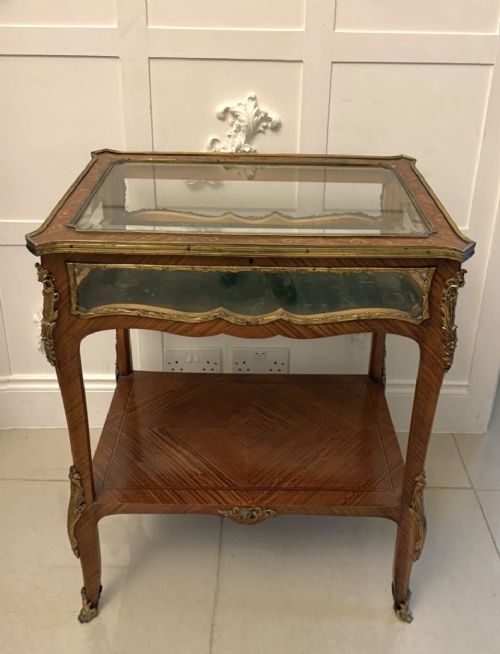
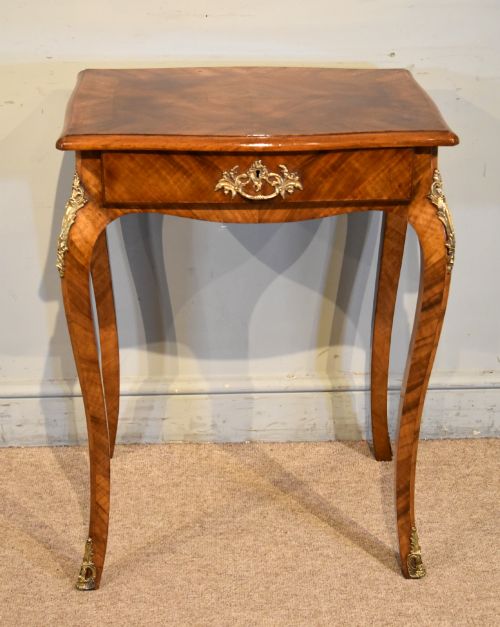
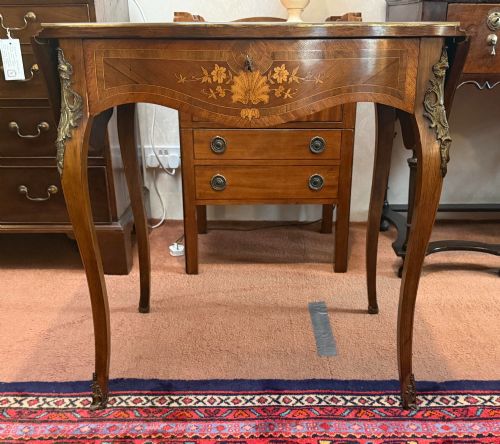
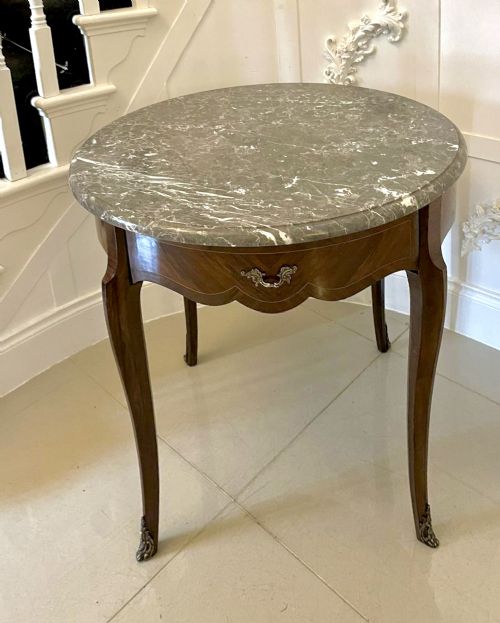
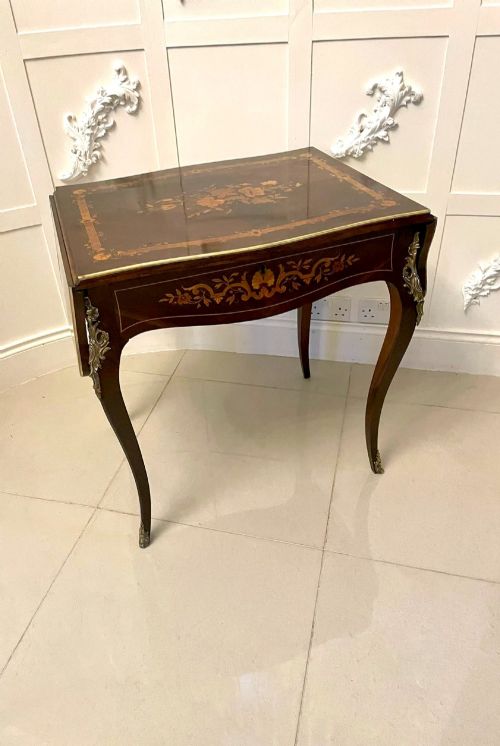
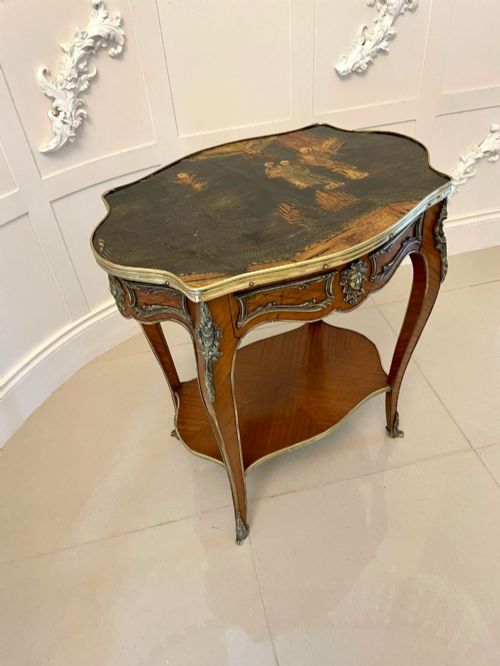
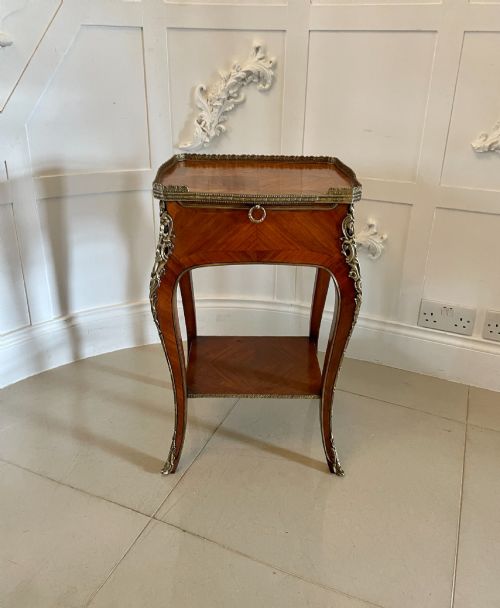
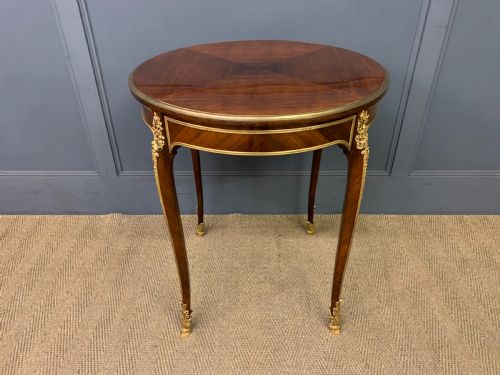
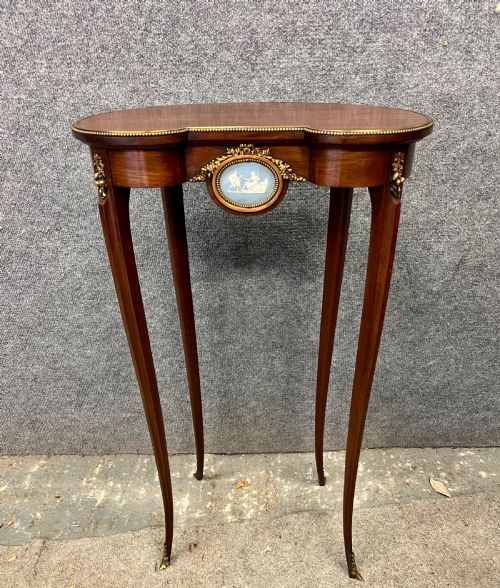
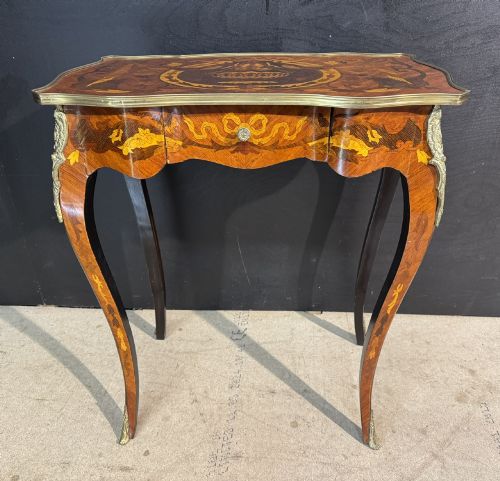
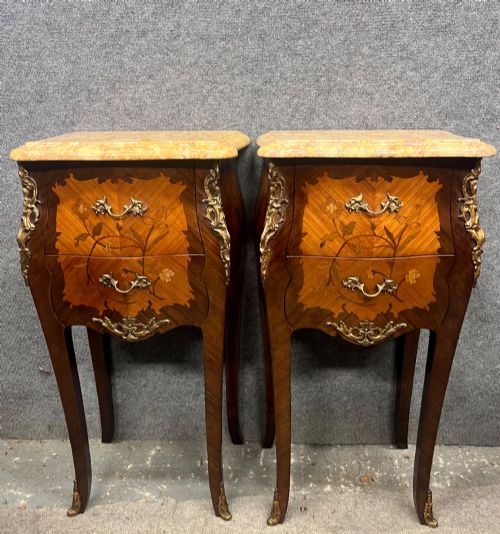
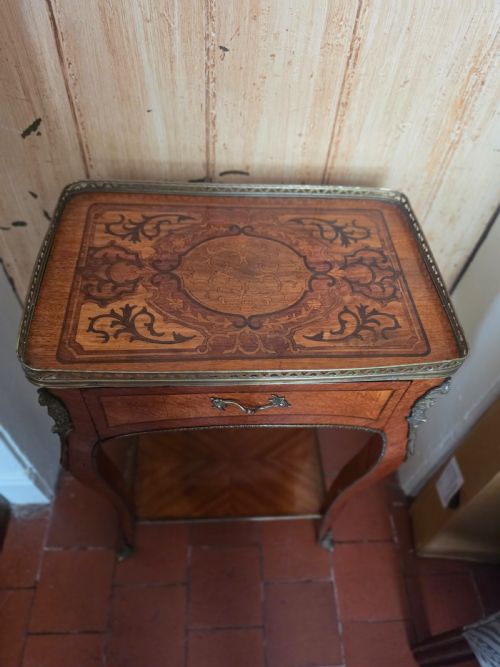
Beyond direct lighting, the listings reveal a large group of occasional furniture described as lamp tables or bedside chests that share the exact same vocabulary of ormolu mounts and exotic woods. These side tables, centre tables and bedside cabinets often display the Louis XV and Louis XVI revival styles popular across the 1800s.
The primary forms draw on French aesthetic movements, ranging from the flowing asymmetry of Rococo revival to the restrained geometry of Neoclassical design. Makers frequently integrated Chinese ceramic vessels, such as celadon, powder blue, and Cantonese porcelain, into ormolu frameworks during the latter half of the nineteenth century.
How they were made
The construction of ormolu mounted lamps relies on mercury gilding or electroplating bronze to achieve the characteristic bright gold finish, which is then chased with fine chisels to sharpen the surface detail. These cast mounts secure structural elements made from hardwoods like kingwood, rosewood, walnut, and mahogany.
Stonework components involve turned and polished marble, onyx, or cut glass, often combined with hand-painted porcelain bodies featuring pate-sur-pate or floral decoration. Cabinetry elements beneath the metalwork utilise marquetry and parquetry veneer work laid over solid carcase woods.
Ormolu Mounted Lamps Retail Price Guide 2026
Typical asking prices for ormolu mounted lamps among the pieces listed under this phrase on Sellingantiques today, from the lower quarter to the upper quarter. They describe what is for sale here now, not the wider market.
The listings feature pieces spanning the eighteenth to the early twentieth century, with a strong concentration from the 1880s.
What varies in quality
The standard of a piece rests upon the crispness of the bronze chasing and the depth of the gilding, where sharper cast details indicate superior workshop output. Weaker examples show soft, muddy foliage and flat surfaces lacking hand-chased definition.
Material selection dictates value at the upper tier, demonstrated by heavily figured kingwood veneers, unblemished rouge marble columns, and high-grade Sevres-style porcelain. Lesser items utilise simpler timbers and plain glass or lesser pottery bodies beneath standard cast mounts.
François Linke
The Ormolu Mounted Lamps Glossary
- Ormolu
- Gilt bronze produced by applying an amalgam of gold and mercury to a bronze base, or through later electroplating. The finish requires careful cleaning to preserve the underlying metal texture.
- Marquetry
- Decorative veneer patterns assembled from different coloured wood pieces to form pictorial or geometric designs. It appears frequently on the tabletops and cabinet doors listed here.
- Cassolette
- A decorative vessel shaped like a vase or urn, featuring a reversible lid that functions as a burner or solid top. Many nineteenth-century examples were later adapted to hold lamp fittings.
- Pâte-sur-pâte
- A ceramic decoration technique where liquid white porcelain slip is built up in successive layers over a coloured clay body to create a low-relief cameo effect.
- Parquetry
- Geometric wood inlay arranged in repetitive patterns such as cubes or chequers. This technique decorates the surfaces of many nineteenth-century lamp tables.
Ormolu Mounted Lamps: Frequently Asked Questions
What are ormolu mounted lamps?
These pieces consist of nineteenth-century decorative objects, primarily porcelain vases or carved marble urns, fitted with cast gilt-bronze mounts and converted for electrical lighting. They frequently appear as matched pairs designed for sideboards and mantelpieces.
The category also encompasses small nineteenth-century tables built with similar gilt-bronze mounts alongside exotic woods like kingwood and rosewood. These tables were designed specifically to support lamps or bedside articles.
How do you identify nineteenth-century French styles?
Nineteenth-century pieces often emulate earlier reigns, showing the sweeping scrolls and asymmetry of Louis XV Rococo or the straight, formal lines of Louis XVI Neoclassicism. Examining the mount design helps distinguish these revival periods.
Craftsmen working during the 1800s combined these historicist forms with imported Asian ceramics and domestic marbles, creating hybrid objects that reflect the eclecticism of the Victorian era.
Where were these lamps placed originally?
In period interiors, these lighting fixtures occupied prominent reception rooms, sitting on console tables, pier tables, and decorative cabinets. Pairs were deployed symmetrically to balance grand interior schemes.
Smaller variants served as bedside lighting or illumination for occasional tables in private chambers, where the rich gilt mounts caught the flicker of gaslight or early electric bulbs.
How do you clean ormolu mounts safely?
Cleaning requires a soft brush and warm soapy water to remove dust from the intricate recesses of the gilt-bronze chasing. Harsh commercial metal polishes strip away the gold layer entirely.
Preserving the surface involves gentle dusting and avoiding abrasive cloths that might scratch the delicate gold finish or damage the adjacent marble and wood components.