



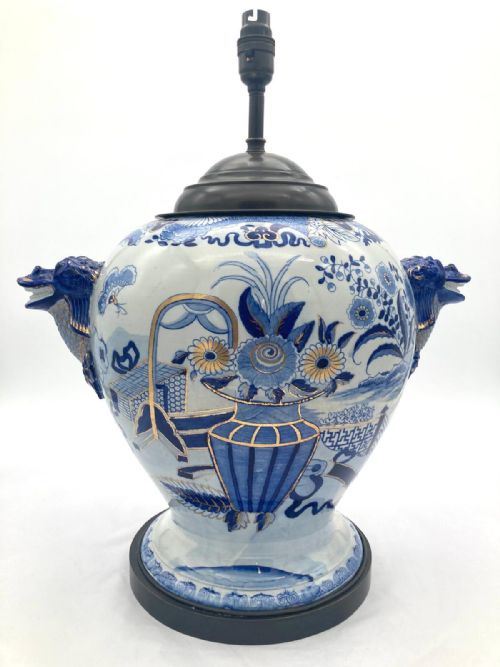


Pair Decorative Table Lamps
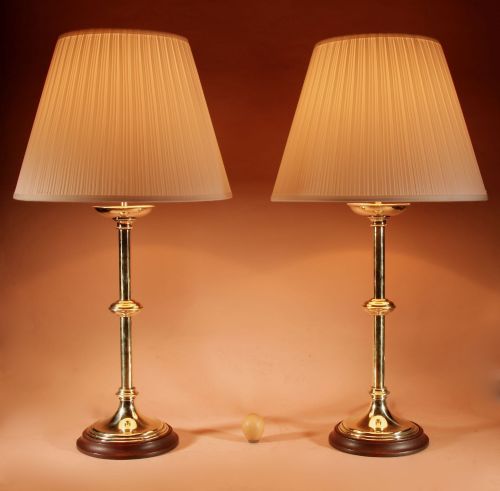
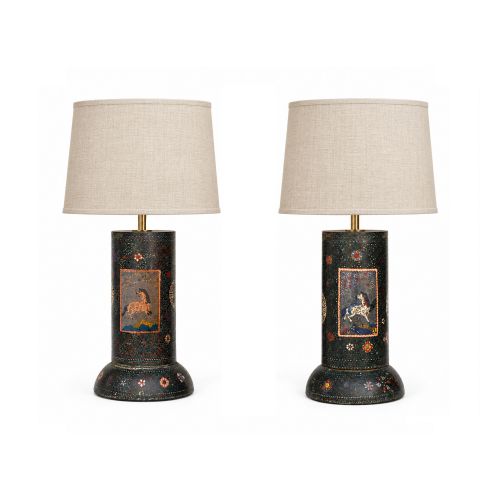
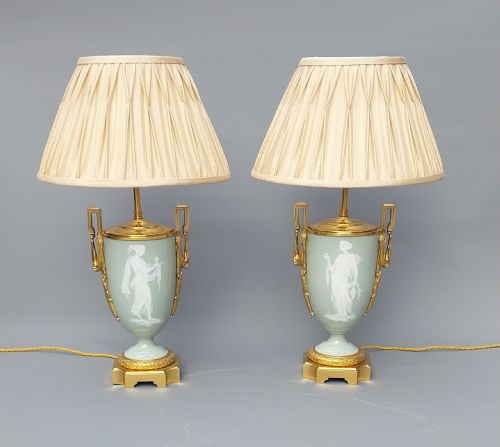
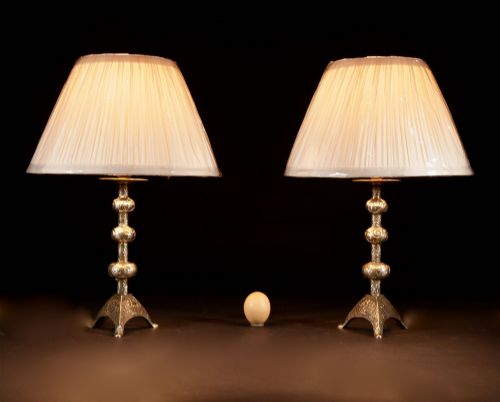
These pair decorative table lamps bring matching illumination and presence to a room, spanning periods from Regency to the 1930s in brass, porcelain and bronze.
Pair Decorative Table Lamps
When searching for pair decorative table lamps, a buyer encounters dual lighting fixtures designed to balance a room symmetrically on sideboards, desks or console tables. These pieces frequently originate from the nineteenth and early twentieth centuries, encompassing diverse aesthetic revivals and regional craftsmanship.
The selections available here lean heavily towards converted vessels and mounted objects, transforming earlier vases, ewers and candlesticks into functional illumination. Examples range from French porcelain and Japanese Satsuma ceramics to heavy cast brass and bronze constructions.
Makers and manufacturers utilised varied materials to achieve decorative impact, pairing marble with ormolu or combining crystal drops with gilt bronze mounts. Standard lamp bases share space with converted andirons, altar sticks and ceremonial ewers repurposed for domestic interiors.
How they were made
Metals form the structural backbone of these assemblies, with cast brass, gilt bronze, ormolu and iron providing durable foundations for intricate ornamentation. Artisans employed traditional foundry techniques to shape heavy mounts, tripod bases and multi-branch candelabra.
Ceramics and glass feature prominently alongside metalwork, incorporating porcelain bodies from Satsuma, Arita Imari and Rose Medallion traditions. Hand-painted glazes, pâte-sur-pâte decoration and etched ruby glass shades demonstrate specialised firing and finishing skills.
Many examples represent secondary adaptation, where nineteenth-century vases, candlesticks or cavalry sword candlelamps underwent thoughtful conversion into electrical fittings. This method preserves historic decorative objects while integrating modern wiring capabilities.
Pair Decorative Table Lamps Retail Price Guide 2026
Typical asking prices for pair decorative table lamps among the pieces listed under this phrase on Sellingantiques today, from the lower quarter to the upper quarter. They describe what is for sale here now, not the wider market.
Materials span brass, porcelain, glass and marble, reflecting nineteenth-century manufacturing methods.
What varies in quality
The refinement of the casting and chiselling in the metal mounts dictates the visual crispness of ormolu and bronze elements. Superior examples display sharply defined foliage, figures and architectural motifs that retain their original fire-gilded lustre.
The provenance and artistic merit of the underlying ceramic or glass bodies establish another tier of distinction among matching sets. Hand-painted detail on porcelain vases or heavy cut crystal drops indicate higher standards of period manufacture.
The Pair Decorative Table Lamps Glossary
- Ormolu
- Finely ground high-carat gold applied to a bronze base using a mercury amalgamation technique. This historic process produces a warm, durable finish characteristic of French decorative arts.
- Pâte-sur-pâte
- A ceramic decorating method where successive layers of liquid clay slip are built up on a porcelain body to create a low-relief cameo effect.
- Satsuma
- Japanese earthenware pottery traditionally characterised by a crackled ivory glaze and elaborate polychrome and gilt enamel decoration. These decorative vessels frequently serve as bases for converted lighting.
- Lustre
- A hanging glass pendant or drop used on chandeliers and candlelamps to reflect and refract light. They appear on various nineteenth-century lighting arrangements.
- Ewer
- A large jug with a wide spout traditionally used for pouring water, which makers later adapted into sculptural table lamps during the nineteenth century.
Pair Decorative Table Lamps: Frequently Asked Questions
How do I wire antique lamps safely?
Most antique fixtures require professional rewiring to meet modern electrical safety standards while preserving the historic components.
A qualified electrician can thread modern cord through existing channels without altering the outer metal or ceramic body.
Can I mix different shades on a pair?
Matching shades maintain the intended symmetry, though complementary fabric or glass coverings work if the proportions align.
Original pairs look best when their diffusers share a similar scale, opulence and colour palette.
Where should I place these lamps?
Balanced placement on matching sideboards, mantelpieces or bedside tables enhances the architectural symmetry of a room.
Heavier monumental pairs suit larger entrance halls, while slender brass or porcelain versions fit intimate spaces.
How do I clean gilt bronze mounts?
Gentle dusting with a soft dry brush prevents the accumulation of dirt in the recesses of cast ornamentation.
Avoid abrasive cleaners or chemical polishes that can strip the historic ormolu or fire-gilded surface.