



Ormolu Mounted Chiffonier
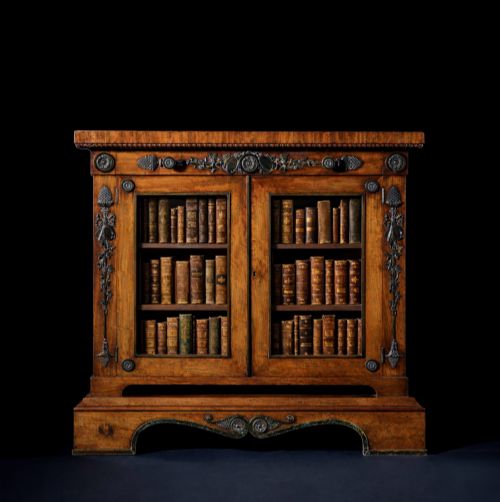
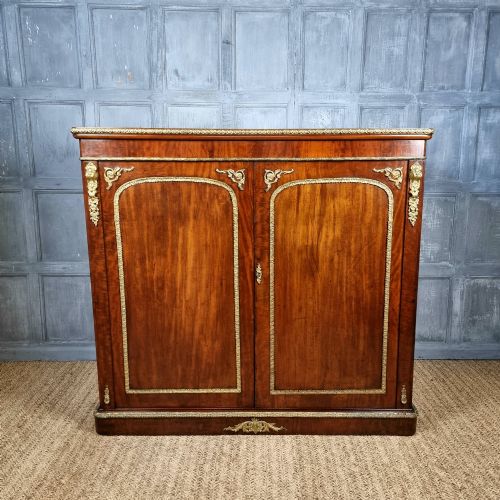
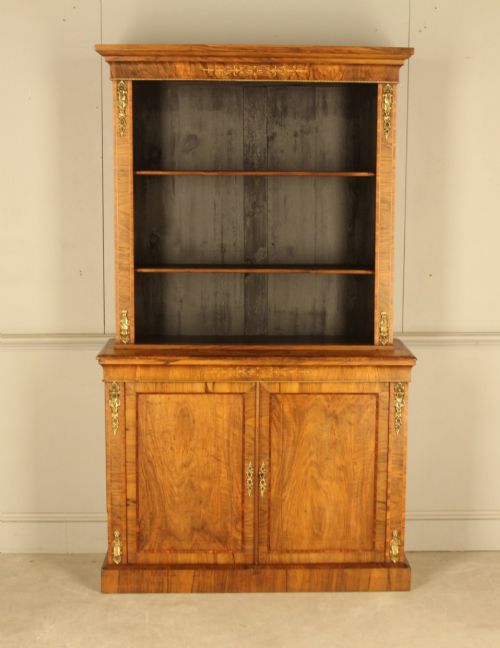
An ormolu mounted chiffonier brings together rich timber and gilt bronze mounts to anchor a formal interior.

Ormolu Mounted Chiffonier
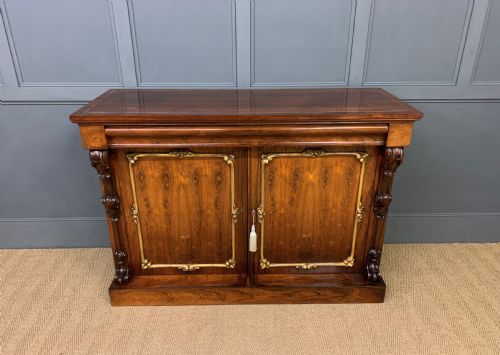
An ormolu mounted chiffonier is a low storage cabinet designed for the principal rooms of a grand house, combining useful shelving with display surfaces. The pieces grouped under this search phrase span multiple forms including side cabinets, credenzas, and marble topped sideboards.
The selections on this page draw from the Regency, Victorian, and French Empire periods, reflecting both English cabinet-making traditions and continental revival styles. Walnut, mahogany, and burr walnut form the primary carcasses of these cabinets, often enhanced by marquetry and parquetry.
Buyers will encounter items ranging from compact mid-century French examples to substantial exhibition quality credenzas featuring mirrored backs and intricate gilt metal enrichments.
How they were made
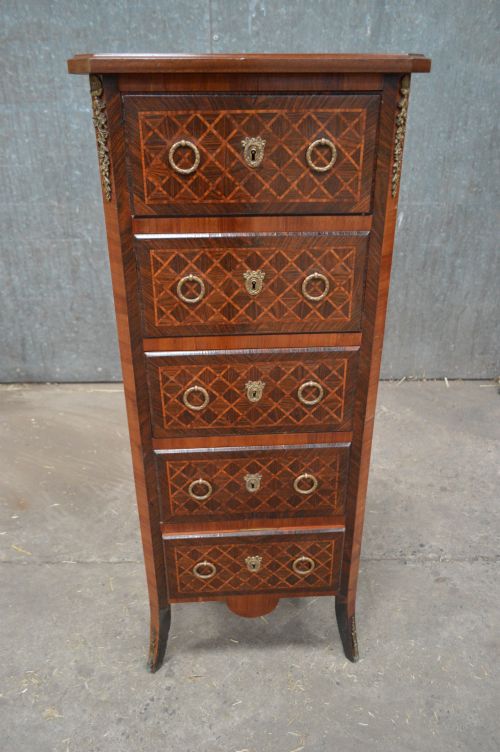
Cabinet-makers constructed these pieces using dense hardwoods like mahogany, rosewood, kingwood, and walnut, frequently applying fine veneers in burr walnut and satinwood. Carcasses received elaborate surface decoration through floral marquetry, geometric parquetry, and detailed inlay.
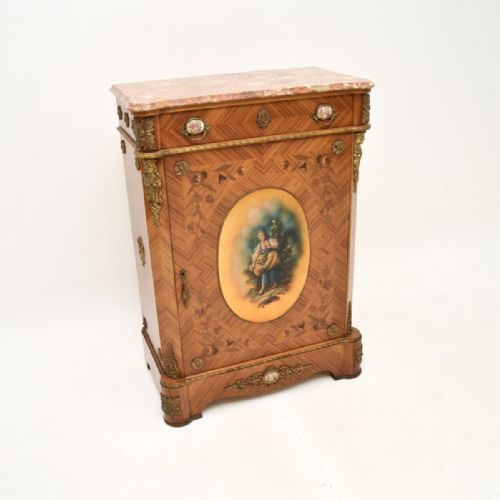
Gilt bronze ormolu mounts, along with brass details, were cast and applied to frame doors, highlight corners, and adorn feet. Many examples incorporate heavy marble tops, requiring sturdy structural support within the wooden base to bear the weight.
What varies in quality
The standard of a piece rests on the crispness of the cast ormolu mounts and the precision with which the timber veneers are matched and laid. Finer examples show exceptional depth in the burr walnut or marquetry work, alongside superior joinery in the internal drawers and shelving.
Attribution to notable workshops or makers elevates an item, as does the integration of expensive materials like marble tops and mirrored glass panels within exhibition grade cabinets.
Gillows·Leonard Boudin
The Ormolu Mounted Chiffonier Glossary
- Ormolu
- Gilded bronze applied as a decorative mount on furniture. This technique creates a rich contrast against dark timbers like mahogany and walnut.
- Chiffonier
- A low cabinet or sideboard featuring shelves or enclosed storage. These pieces originated in France before becoming popular in nineteenth-century English drawing rooms.
- Marquetry
- The art of applying pieces of veneer to a structure to form decorative patterns and pictures. Craftsmen utilise various coloured woods to achieve tonal depth.
- Credenza
- A sideboard or cabinet used for serving food or displaying decorative objects. They frequently feature glass-fronted doors and elaborate gilt mounts.
- Parquetry
- Geometric mosaic woodwork used for floors and cabinet surfaces. It relies on precise angular cuts of timber such as satinwood and kingwood.
- Semainier
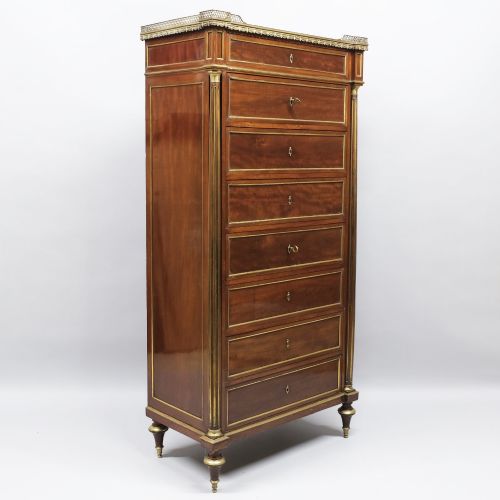
- A tall, slender chest of drawers designed with seven drawers, one for each day of the week. These tall pieces often feature marble tops and fine veneer work.
Ormolu Mounted Chiffonier: Frequently Asked Questions
What is an ormolu mounted chiffonier?
An ormolu mounted chiffonier is a low cabinet featuring gilt bronze mounts and timber construction, designed for storage and display in reception rooms.
These items appear across Regency and Victorian periods, often incorporating marble tops and fine veneer work.
How do I identify a French Empire chiffonier?
French Empire pieces typically display symmetrical neoclassical forms, dark mahogany timbers, and prominent cast ormolu mounts depicting classical motifs.
They emphasise architectural dignity and structural clarity, contrasting with the lighter, curving lines of later revival styles.
Where were these cabinets used?
These cabinets belonged in formal public areas such as drawing rooms, dining rooms, and parlours, serving as display surfaces for porcelain and ornaments.
Enclosed lower cupboards provided discreet storage for linens, books, or tableware.
How do I care for timber and ormolu?
Protect the wooden surfaces by avoiding direct sunlight and maintaining stable humidity levels to prevent veneer cracking. Dust the ormolu mounts gently with a dry, soft cloth without using harsh cleaning agents.
Apply high quality furniture wax sparingly to nourish walnut and mahogany grain.