
Ormolu Mounted Chest
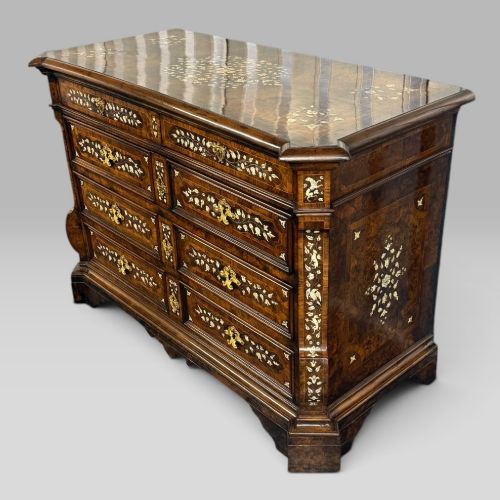
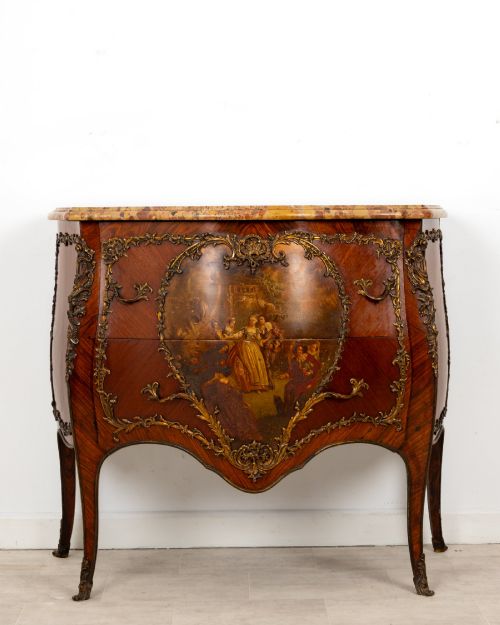
When you search for an ormolu mounted chest, you are looking at substantial case furniture enriched with gilded bronze mounts.
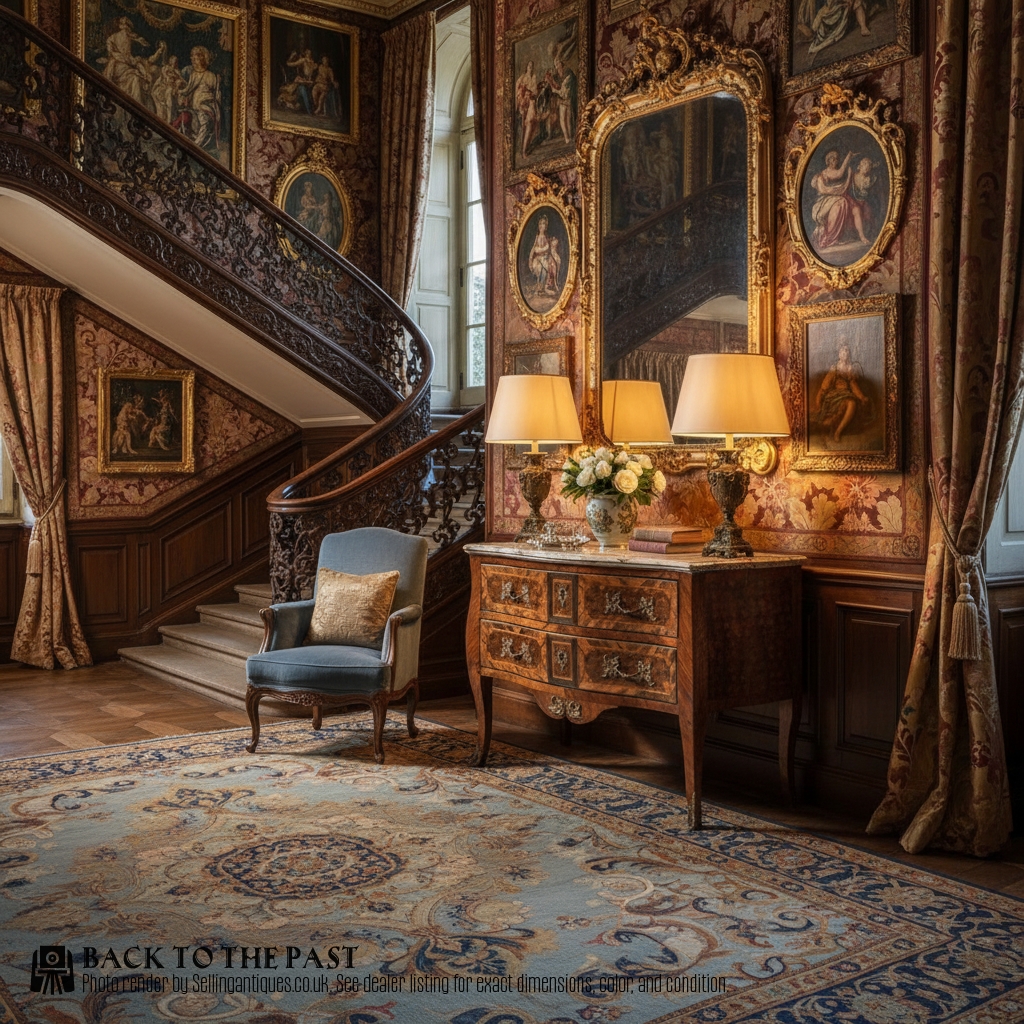
Ormolu Mounted Chest
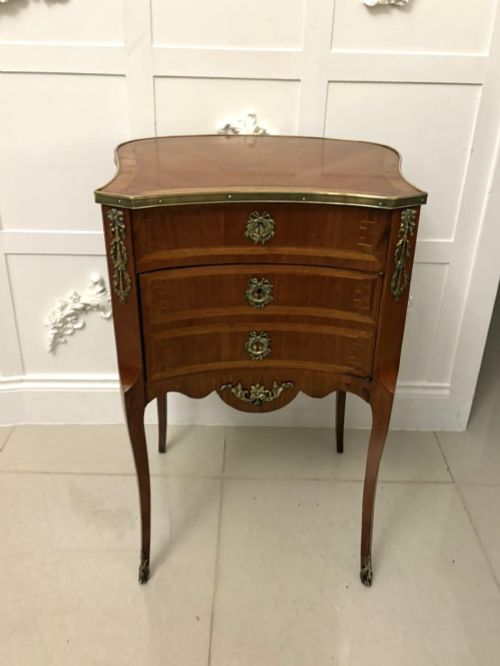
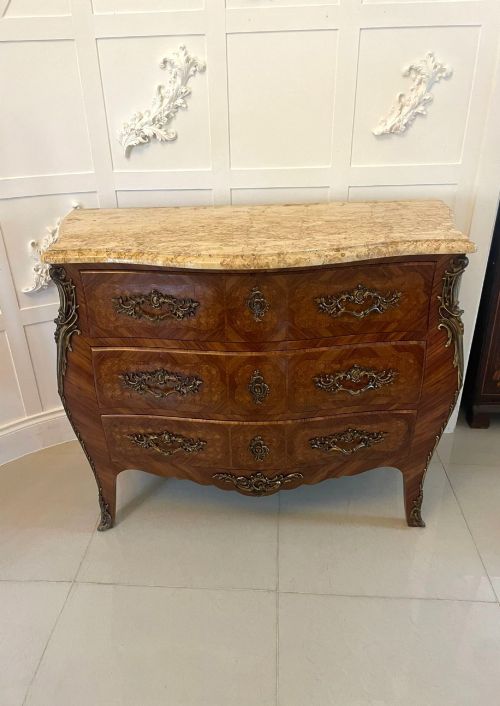
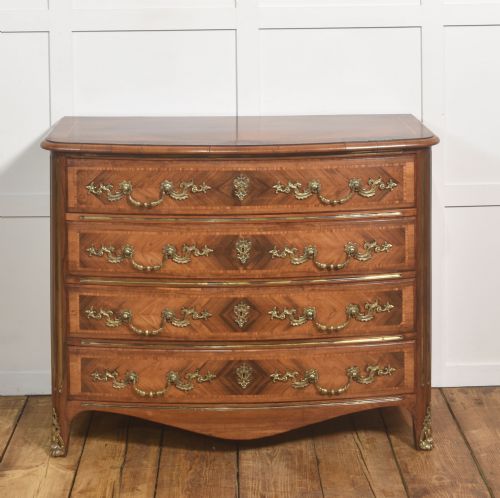
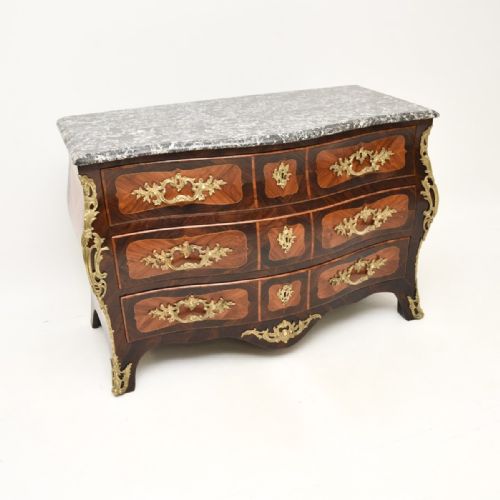
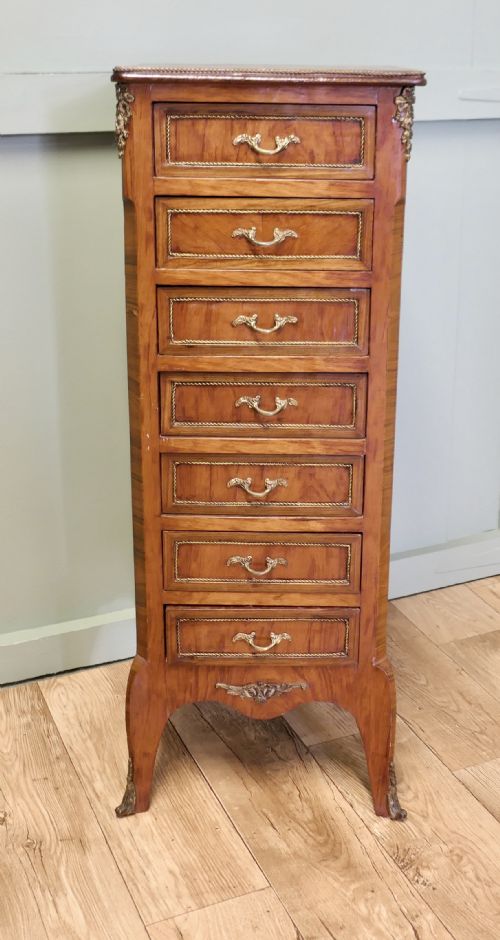
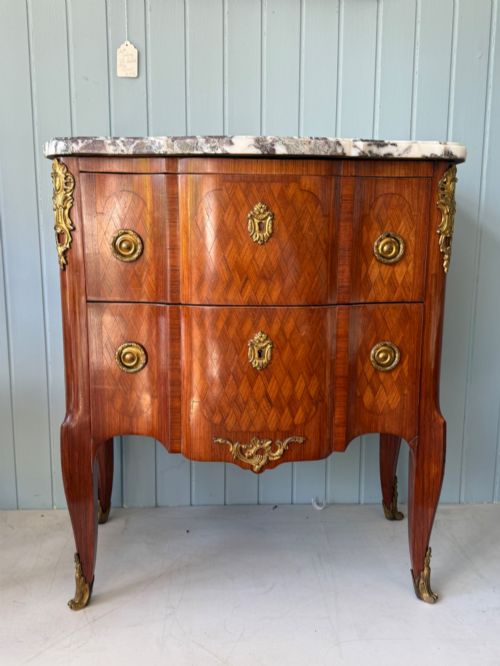
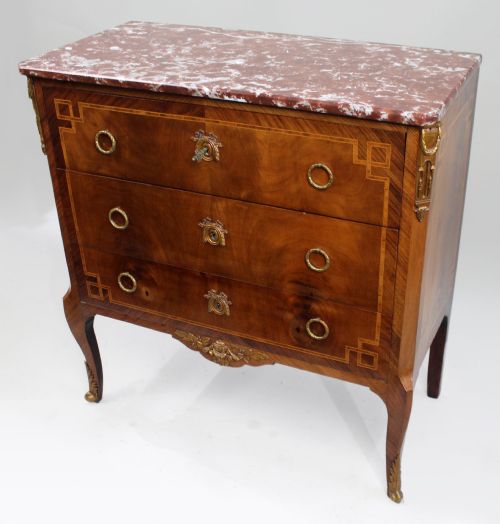
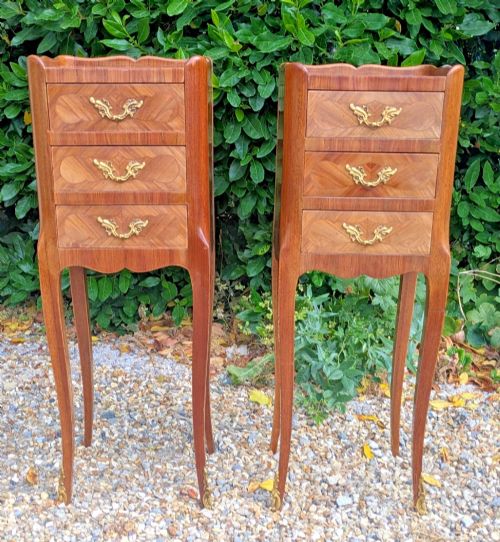
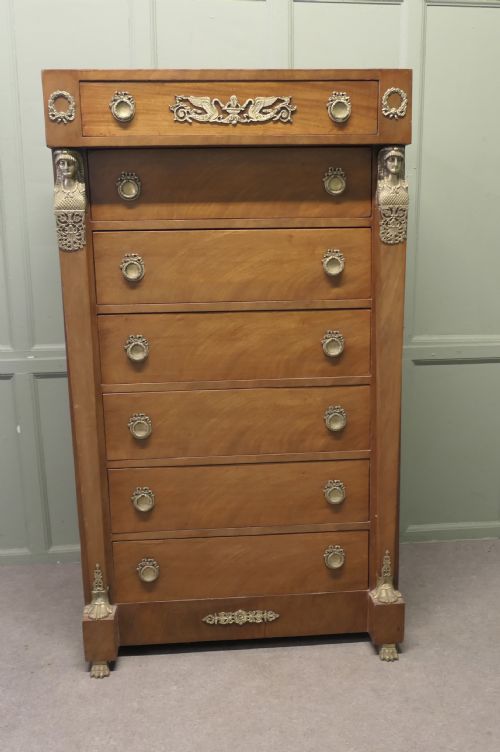
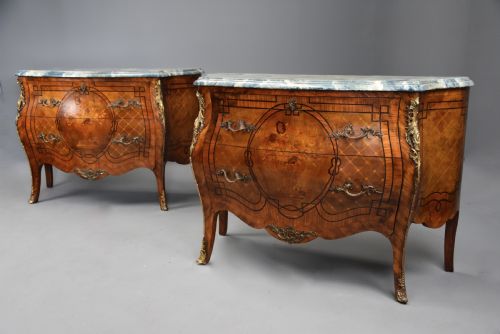
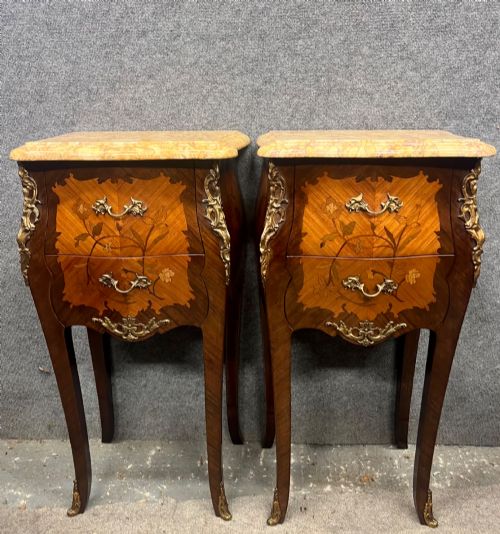
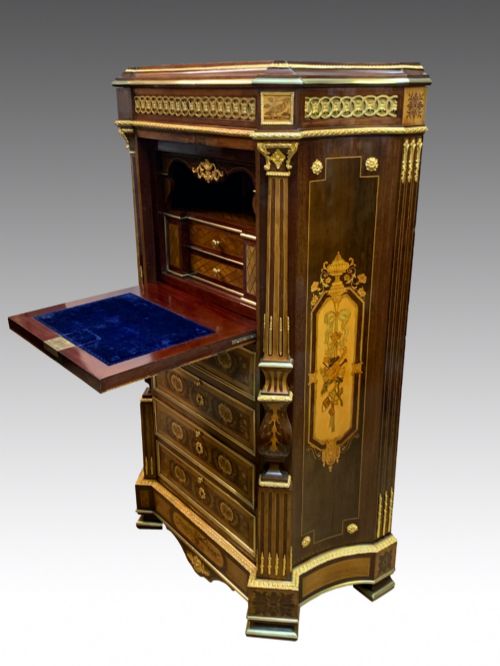
The ormolu mounted chest encompasses a range of formal storage pieces, including commodes, side cabinets, bedside tables, and taller chests of drawers. Most examples found here originate from nineteenth-century French workshops working in eighteenth-century revival styles, notably Louis XV and Louis XVI.
These pieces function primarily as statement storage items for drawing rooms and bedrooms, combining practical drawer space with elaborate decorative presence. The form relies on a balanced architectural carcass or a swelling serpentine shape to display the gilt mounts effectively.
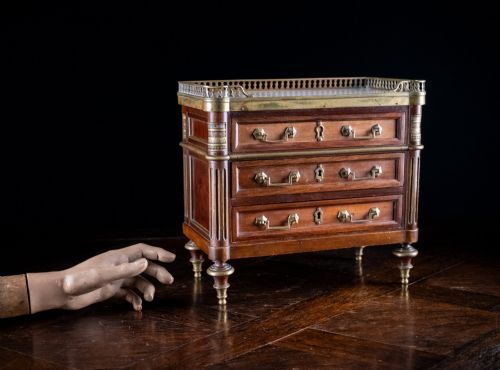
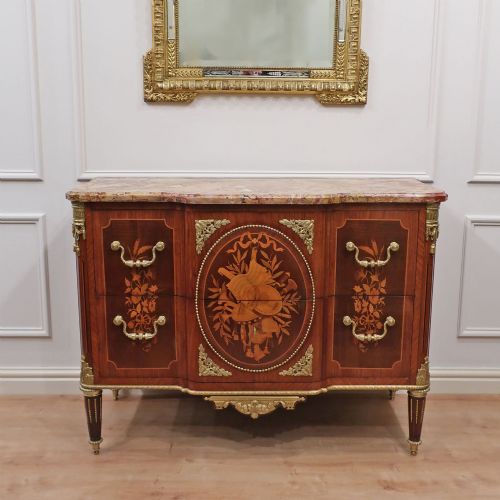
Buyers encounter everything from grand scaled marble-topped commodes to neat pairs of bedside cabinets and miniature chests. The tradition extends from earlier seventeenth-century baroque origins through to sophisticated revival pieces produced at the turn of the twentieth century.

How they were made
The construction of these pieces relies on robust timber carcasses of walnut, mahogany, kingwood, or rosewood, often enhanced by intricate marquetry and parquetry veneers. Stonemasons fitted heavy marble slabs, frequently in shades of rouge or white, directly onto the upper surface of the commodes and cabinets.
The distinct decorative element is the ormolu or gilt-bronze mount, cast and chased before receiving its gold-wash finish. These metal mounts are secured to corners, handles, and aprons to accent the structural lines of the woodwork.
Ormolu Mounted Chest Retail Price Guide 2026
Typical asking prices for ormolu mounted chest among the pieces listed under this phrase on Sellingantiques today, from the lower quarter to the upper quarter. They describe what is for sale here now, not the wider market.
Several miniature chests appear alongside full-sized commodes, offering all the grand detailing of a French salon piece on a tabletop scale.
What varies in quality
The standard of an ormolu mounted chest rests significantly on the crispness and weight of the bronze castings, where sharply chased detail distinguishes finer workshops from simpler production. The precision of the underlying cabinetwork, visible in the alignment of drawers and the complexity of the wood veneers, further separates standard items from exceptional ones.
Pieces bearing signatures or attributions to documented makers command greater attention due to their established provenance and superior workshop standards. The integration between the marble top, the wooden carcass, and the fitted mounts also determines the overall harmony of the piece.
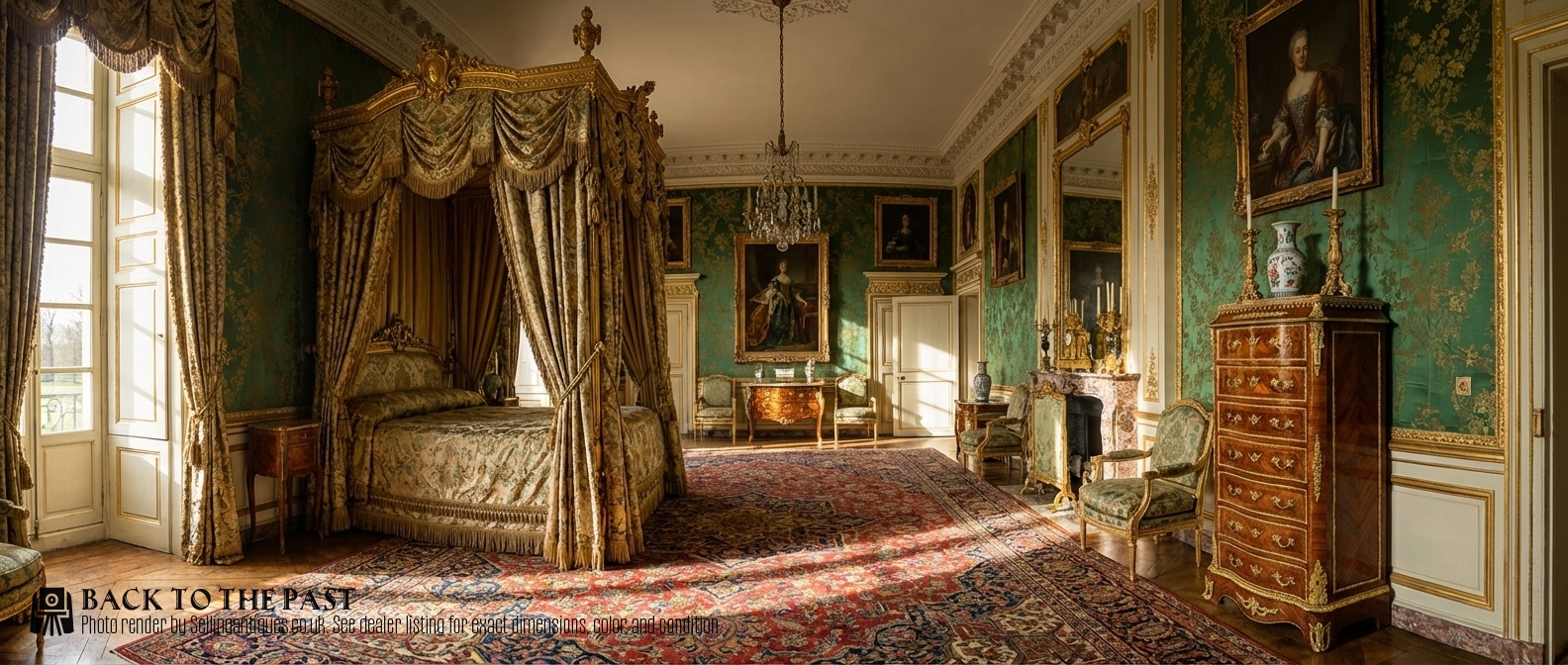
Jacques Bircklé·Maison Krieger·Henry Dasson·Gillows·Thomas Hache·Sormani
The Ormolu Mounted Chest Glossary
- Ormolu
- Gilt bronze mounted to furniture and decorative objects. The technique involves applying a gold amalgam to a bronze base before heating to drive off the mercury.
- Commode
- A low chest of drawers, typically dating from the eighteenth century or later revival periods. These pieces often feature prominent marble tops and decorative mounts.
- Marquetry
- The art of applying pieces of veneer to a structure to form decorative patterns and pictures. Makers utilise different coloured woods to create floral or geometric designs.
- Parquetry
- A geometric mosaic of wood pieces used for flooring or furniture veneers. It relies on repeating angular shapes such as squares and triangles.
- Bombé
- A swelling or outwardly curving shape found on the sides and fronts of furniture. This contour is characteristic of Louis XV revival commodes and cabinets.
Ormolu Mounted Chest: Frequently Asked Questions
What is an ormolu mounted chest?
An ormolu mounted chest is a wooden storage piece, such as a commode or cabinet, decorated with cast and gilded bronze mounts. These furnishings combine functional drawer space with ornate metallic detailing.
Most examples date from the nineteenth century and reflect earlier French court styles like Louis XV and Louis XVI.
How do I clean the marble top?
Marble tops on these chests require gentle cleaning with a soft cloth and warm water, avoiding acidic or abrasive household cleaners. Regular dusting prevents everyday grit from scratching the polished surface.
If the stone has stubborn marks, specialised neutral stone cleaners help preserve the original finish without harming the surrounding wood.
How do I identify the period?
Dating these chests involves examining the construction methods of the interior carcase, the timber species, and the style of the bronze mounts. Nineteenth-century revival pieces often mimic eighteenth-century forms but utilise mechanical saw marks and different assembly techniques.
Signatures or stamps from documented makers located on the bronze or wood framework provide direct evidence of origin.
Where should I place a commode?
A commode serves as a striking focal point in a hallway, bedroom, or living room, often paired with a mirror or artwork hung above. Their finished backs and detailed sides allow many pieces to stand away from the wall in larger spaces.
Care should be taken to keep them away from direct sunlight and strong heat sources to protect the wood veneers and polished surfaces.