


Ormolu Fireplace Chenets
These ormolu fireplace chenets bring gilt warmth and architectural structure to a hearth, offering both sculptural presence and practical function.
Ormolu Fireplace Chenets
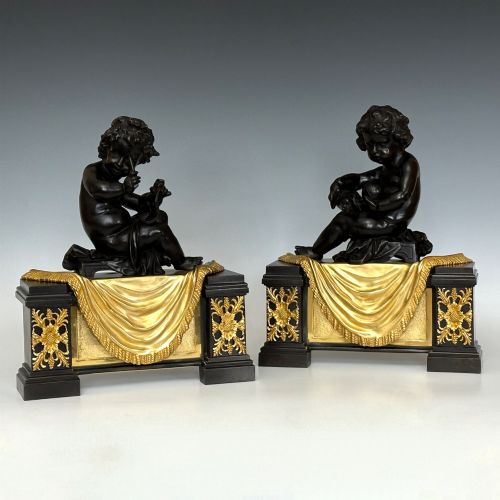
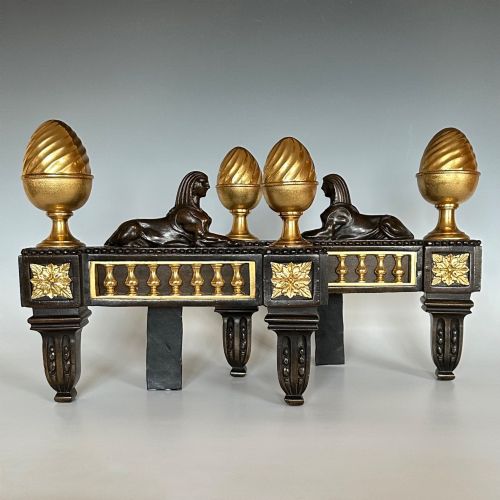
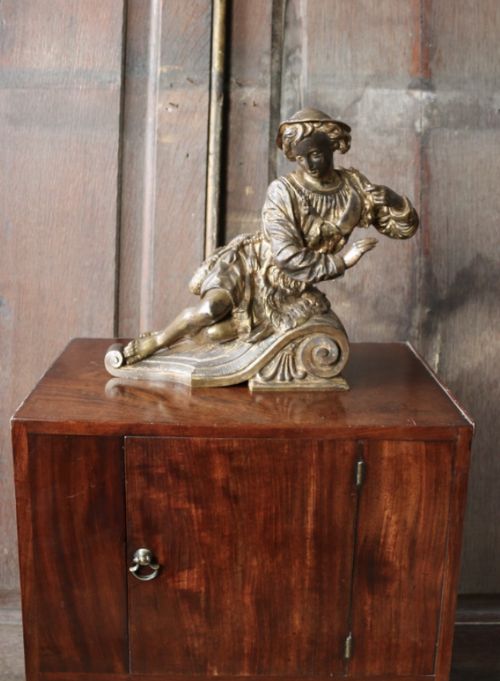
When you search for ormolu fireplace chenets, you find hearth furniture designed to hold logs above the hearth floor for better air circulation and to ornament the fireplace opening. The pieces listed here span the eighteenth and nineteenth centuries, taking the form of firedogs, fire dogs, and sculptural andirons with associated rests.
You are most likely to meet nineteenth-century pairs executed in French Rococo Revival or Louis XV styles, alongside Regency examples and earlier eighteenth-century gilt bronze statuettes. These accessories frequently pair gilt bronze or ormolu with patinated bronze, cast iron, or brass to create contrasting tones against the stone or brick of a chimney breast.
The objects serve as decorative anchors for the hearth even when unlit, reflecting firelight through their gilded surfaces and figurative castings. Makers from various nineteenth-century workshops utilised styles ranging from Louis XIV revival to French Chateau and Rococo, ensuring variety in scale and ornamentation.
Materials and construction
The primary materials recorded are ormolu, gilt bronze, and patinated bronze, often supported by iron, cast iron, or gilt brass components for structural stability. Artisans cast the bronze components before applying mercury gilding or modern electrogilding techniques to achieve the characteristic bright golden finish known as ormolu.
Moulders combined cast bronze figures, cherubs, lions, and rocaille scrolls with functional iron bars and tool rests designed to bear the weight of fuel. Many nineteenth-century examples feature adjustable widths, allowing the hearth furniture to fit varying fireplace openings while maintaining symmetry on either side of the grate.
Listings feature periods spanning the eighteenth century through the late nineteenth century, encompassing Regency and various revival styles.
Distinctions in quality
The durability of the gilding and the harmony between the patinated bronze bodies and the ormolu mounts dictate visual success. Finely made pairs demonstrate careful assembly where structural iron parts integrate smoothly beneath decorative bronze shells without compromising stability.
The Ormolu Fireplace Chenets Glossary
- Ormolu
- Gilded bronze produced by applying a mixture of gold and mercury to a bronze base, or through later electroplating methods. This finish yields a warm golden sheen that resists tarnishing.
- Chenet
- The French term for an andiron or fire dog used to support logs in an open fireplace. Pairs often feature elaborate sculptural finials or figures.
- Patinated bronze
- Bronze that has been chemically treated to produce a dark brown, green, or black surface colour. This treatment creates contrast against bright ormolu mounts.
- Rococo style
- An ornate design movement characterised by asymmetrical C-scrolls, shell motifs, and naturalistic foliage. It dominates nineteenth-century revival hearth furnishings.
- Andiron
- A metal support placed horizontally in a fireplace to hold burning wood logs. They typically include an upright decorative front piece and horizontal rear legs.
Ormolu Fireplace Chenets: Frequently Asked Questions
How were chenets used in historic homes?
They elevated firewood above the hearth floor to improve airflow and combustion efficiency during winter months.
Simultaneously, their gilded surfaces reflected ambient light from the fire and candles to brighten period rooms.
How do I style chenets in a modern room?
Position them symmetrically inside the fireplace opening directly on the hearth floor, either flanking a fire grate or standing alone.
Pair them with complementary fireside accessories such as fenders and tool rests to complete the fireplace arrangement.
How do I identify Louis XV style chenets?
Look for characteristic motifs such as asymmetrical rocaille scrolls, acanthus leaves, cherubs, and naturalistic floral elements.
Nineteenth-century revival pieces often combine these eighteenth-century design traits with adjustable iron width mechanisms.