

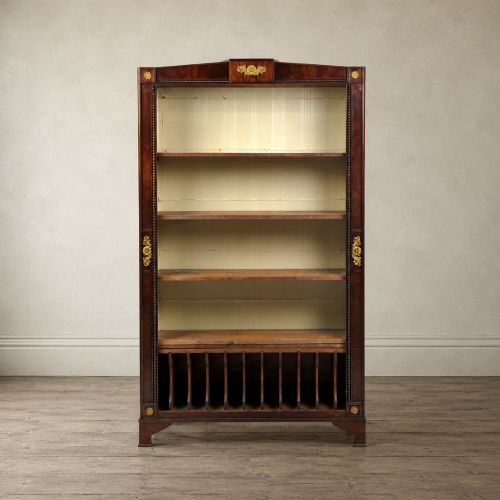
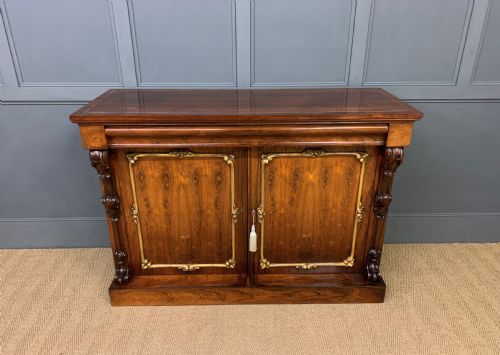
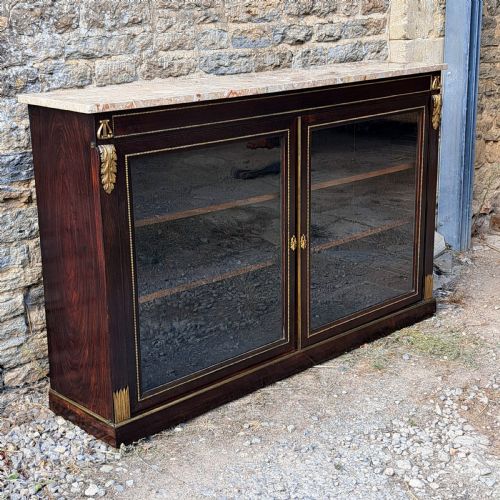
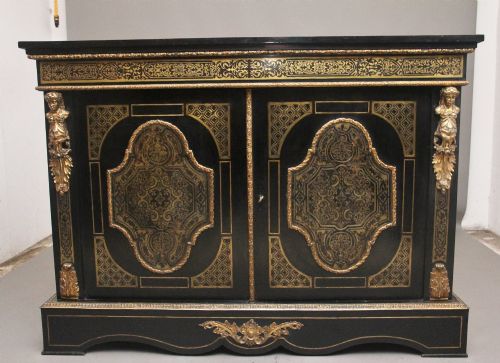
Ormolu Brass Mounted Cabinet
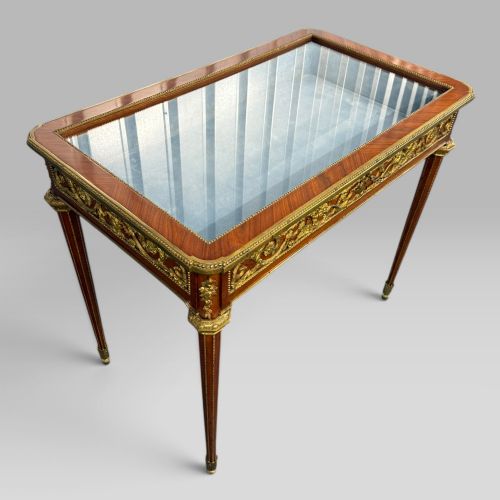
An ormolu brass mounted cabinet combines rich timber with gilt bronze mountings to create a striking focal point in any room.
Ormolu Brass Mounted Cabinet
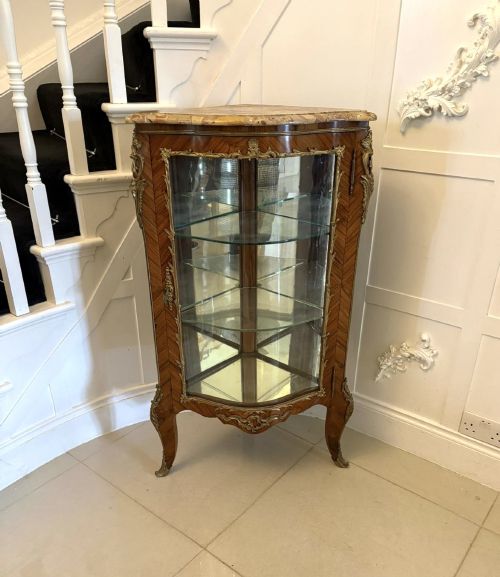
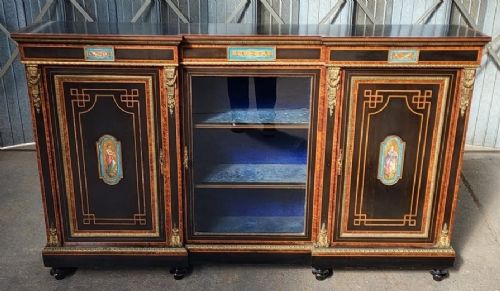
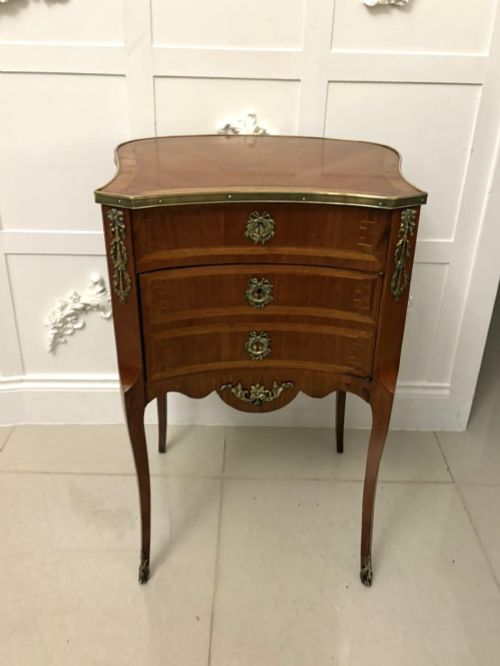
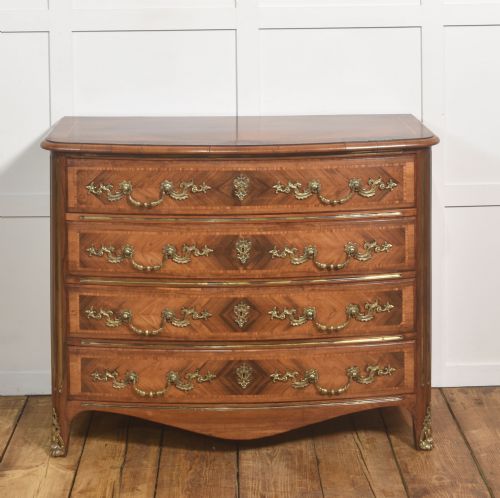
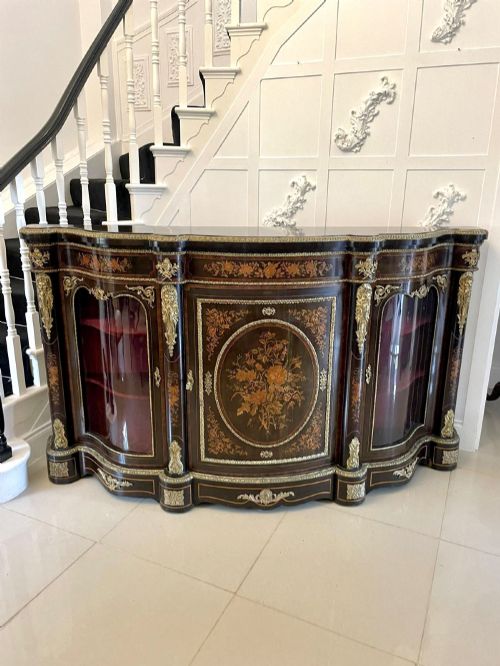
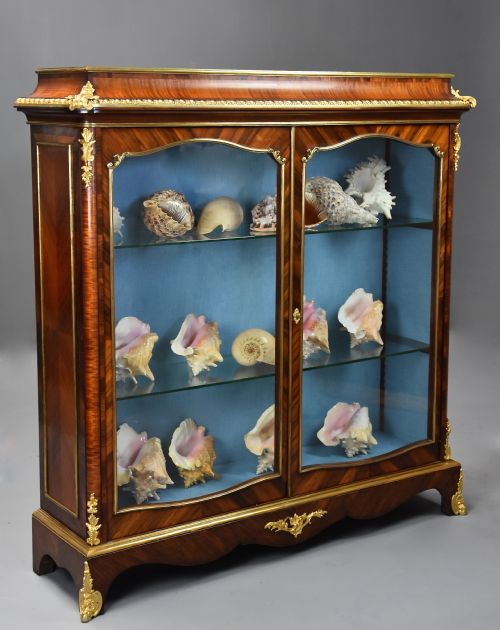
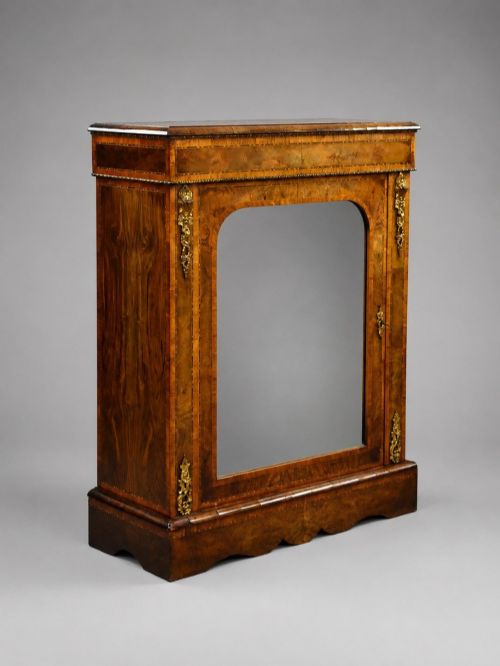
An ormolu brass mounted cabinet brings together decorative metalwork and fine timber carcasses across forms such as display cabinets, side cabinets, bookcases, and credenzas. When exploring this selection, a buyer encounters pieces primarily from the nineteenth century alongside later revivals, reflecting classical French and Victorian tastes.
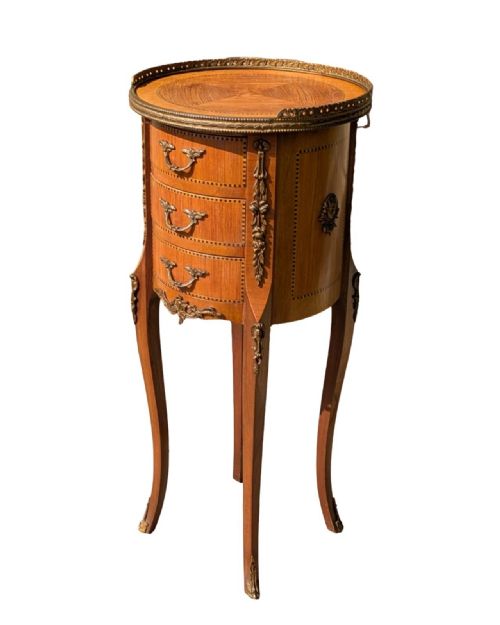
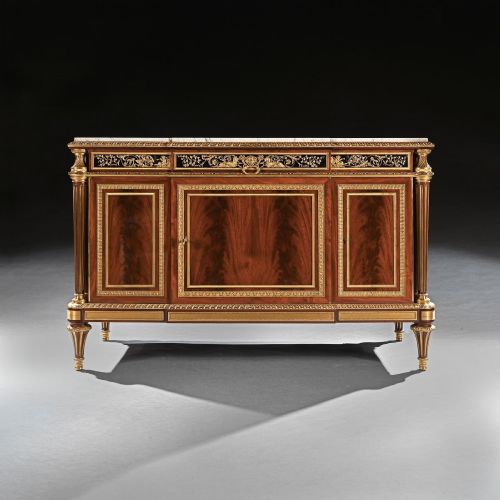
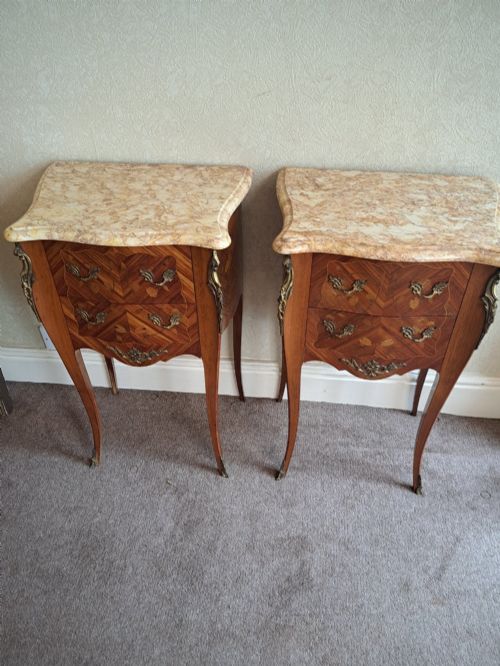
The prevalent variations include serpentine display pieces with marble tops, ebonised side cabinets with intricate inlay, and compact bedside cabinets finished in kingwood or walnut. These items serve both functional storage and decorative display purposes within domestic interiors.
Materials and construction methods
Cabinet makers utilised dense timber foundations such as rosewood, mahogany, kingwood, and ebonised wood, frequently applying marquetry or boulle work using brass and tortoiseshell veneers. Carcasses were shaped into serpentine and rectilinear forms to accommodate marble tops.
Gilt bronze or brass ormolu mounts were cast, chased, and secured to corners, feet, and friezes to accentuate the architectural lines of each piece. Glass panels were integrated into doors for vitrines and display cabinets to showcase contents securely.
Listings feature eighteenth and nineteenth century revival styles including Louis XV, Louis XVI, and French Empire designs.
Evaluating craftsmanship and execution
The refinement of the cast ormolu mounts distinguishes superior examples, where hand-chasing brings depth and crisp detail to the metalwork rather than leaving a flat, factory-cast finish. Timber selection and the precision of the marquetry inlay further separate standard production from master craftsmanship.
Integration between the mountings and the timber carcass indicates overall build quality, where mounts sit flush against shaped surfaces without gaps. The weight and quality of the marble top and the smooth movement of serpentine doors contribute to the enduring integrity of the piece.
François Linke·Henry Dasson·Paul Sormani·Weisweiler
The Ormolu Brass Mounted Cabinet Glossary
- Ormolu
- Gilded bronze mounts applied to furniture for decorative effect. This technique creates a rich golden contrast against dark timbers.
- Boulle
- Marquetry technique utilising brass and tortoiseshell inlaid in intricate patterns. It originates from French cabinet making traditions.
- Marquetry
- Decorative patterns formed by fitting together small pieces of wood veneer. Artisans apply this to tabletops, doors, and cabinet sides.
- Vitrine
- A glass-fronted display cabinet designed to show porcelain and collectibles. These pieces often feature extensive brass mountings.
- Serpentine
- A gently undulating curved shape used on cabinet fronts and tabletops. This contour adds movement and visual interest to furniture.
Ormolu Brass Mounted Cabinet: Frequently Asked Questions
What is an ormolu brass mounted cabinet?
An ormolu brass mounted cabinet is a piece of furniture featuring decorative gilt bronze or brass hardware fixed to a wooden carcass.
These cabinets incorporate materials like kingwood, mahogany, and marble to create decorative storage solutions.
How do I clean ormolu mounts?
Ormolu mounts require gentle dusting with a soft, dry cloth to prevent the accumulation of dirt within the chased details.
Avoid using harsh chemical polishes or abrasive cleaners, which can strip the original gilding from the bronze surface.
Where were these cabinets made?
Many surviving cabinets originate from nineteenth-century French workshops influenced by Louis XV and Louis XVI royal styles.
English Victorian cabinet makers also produced similar designs utilising imported timbers and elaborate brass embellishments.
How do I care for marble tops?
Marble tops on cabinets should be wiped clean with a damp cloth and mild soap solution after any spills occur.
Acidic substances such as wine or citrus can etch the polished stone surface if left unattended.