

Ormolu Brass Candelabras
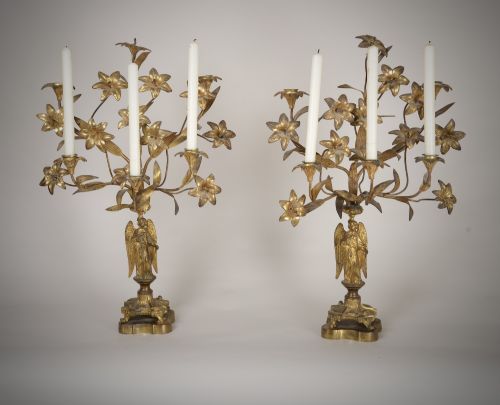
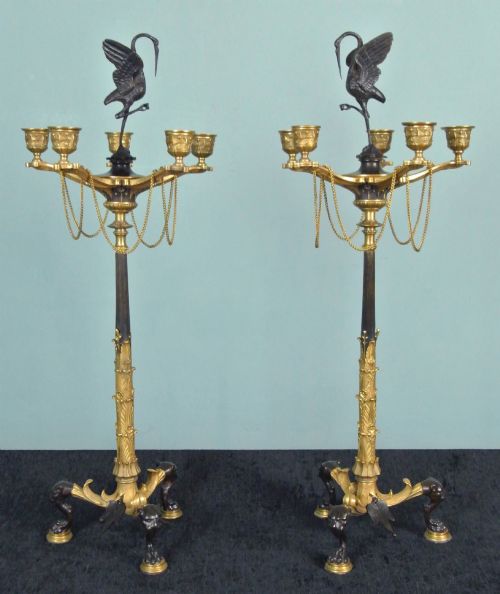
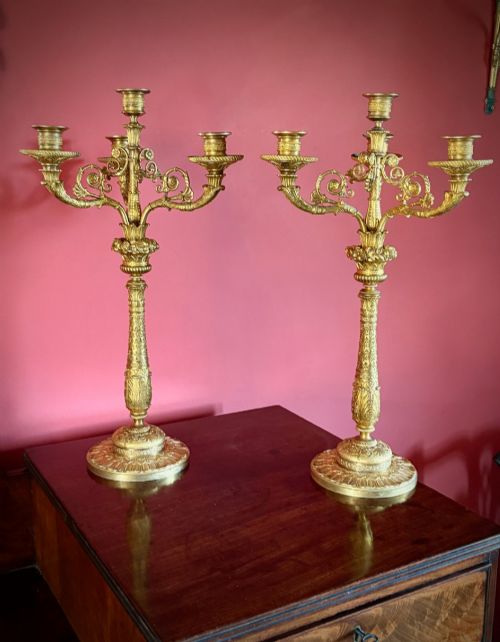
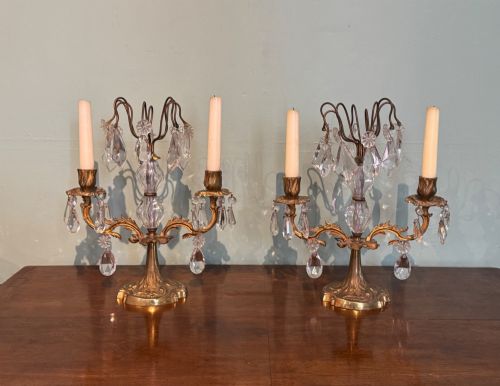
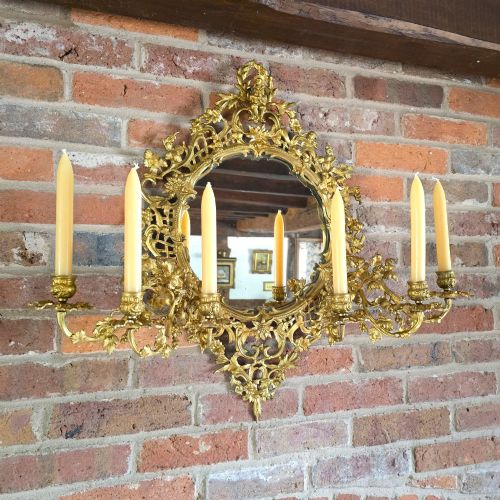
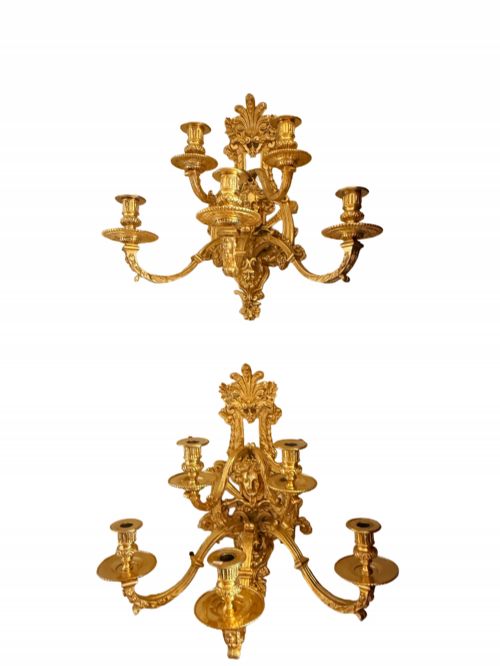
Ormolu brass candelabras are heavy, gilded multi-branch light fittings designed to catch candlelight in formal rooms.
Ormolu Brass Candelabras
When searching for ormolu brass candelabras, collectors encounter multi-branch lighting fixtures alongside related garniture pieces, wall sconces, and mantel clocks. These items predominantly date from the nineteenth century, including specific decades such as the eighteen-eighties and eighteen-sixties, reflecting Victorian and continental tastes.
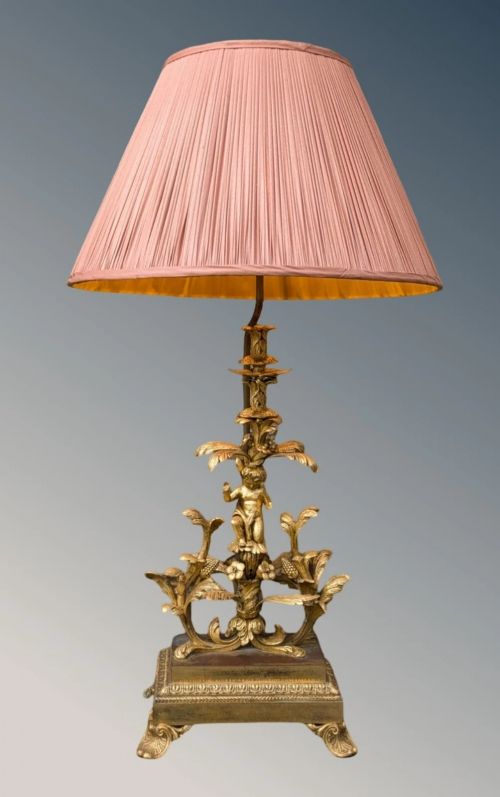
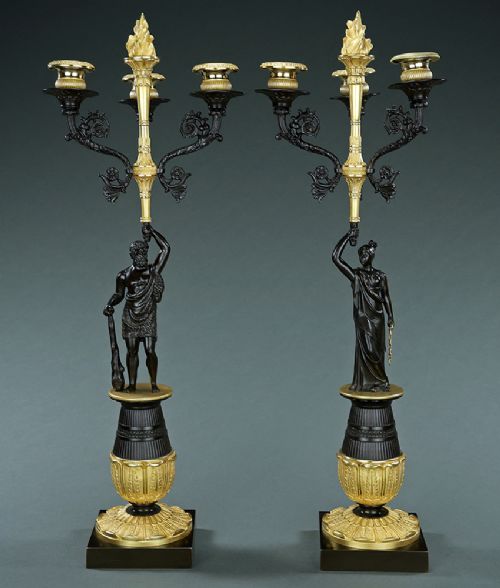
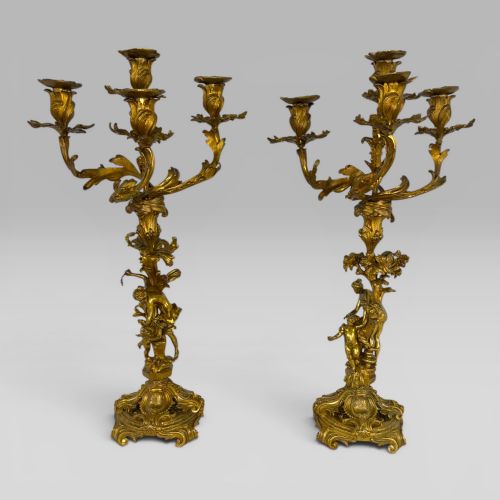
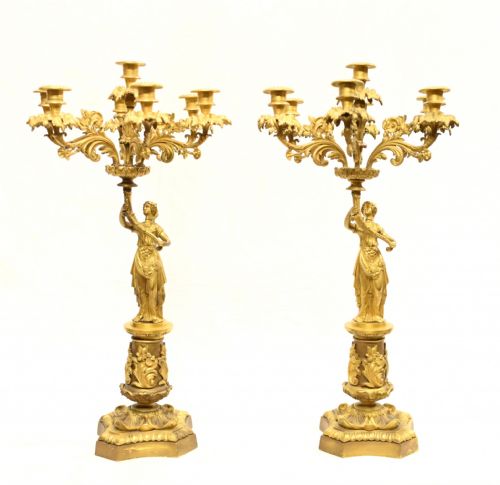
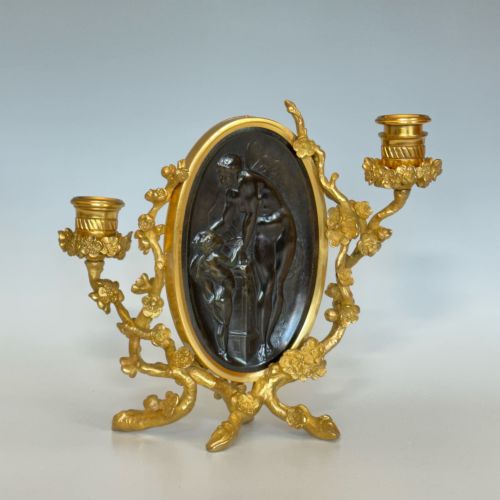
The selection on this page centres on French revival styles, notably Rococo, Second Empire, Empire, and Neoclassical designs. Buyers frequently meet pairs of candelabras featuring figural motifs like cherubs or maidens, often mounted on marble bases.
How they were made
Maker workshops produced these items primarily through metal casting, combining brass, bronze, and gilt bronze, often referred to as ormolu. These metal components were frequently paired with contrasting materials like white or coloured marble, glass drops, and enamel detailing.
Casting allowed for elaborate ornamentation, incorporating scrollwork, floral motifs, and sculptural figures. Artisans then applied mercury gilding or surface finishing to achieve the characteristic golden sheen associated with ormolu.
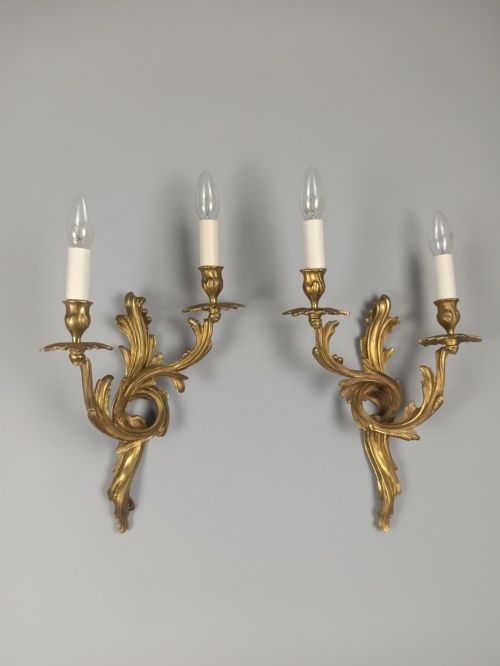
French design dominates these records, spanning Rococo revival, Neoclassical, and Second Empire stylistic periods.
What varies in quality
Quality in these lighting pieces depends upon the crispness of the metal chasing and the depth of the original gilding. Finer examples display sharp, hand-finished details on foliage and figures rather than soft, rounded edges from worn moulds.
The choice and integration of secondary materials also dictate value. Heavier, well-fitted marble plinths, substantial bronze weight, and intact glass lustres or drops separate standard production items from superior works.
Barbedienne·Thiebaut Freres
The Ormolu Brass Candelabras Glossary
- Ormolu
- A gilded bronze technique utilising a mercury amalgam to apply gold to a metal base. This process creates a durable, bright golden finish characteristic of nineteenth-century decorative items.
- Garniture
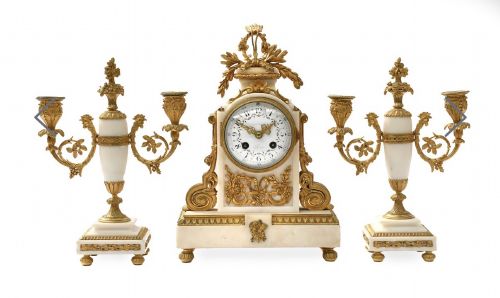
- A set of matching decorative objects, typically a central clock flanked by a pair of candelabras or vases. These sets were designed to adorn mantelpieces in formal drawing rooms.
- Champleve
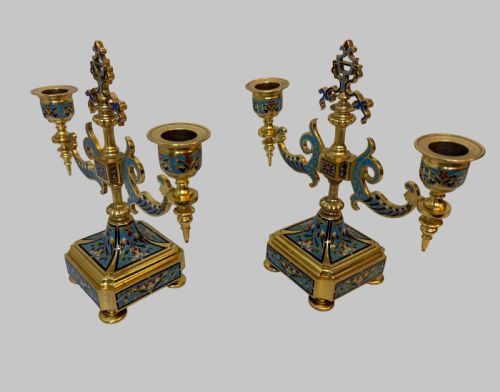
- An enamelling technique where troughs are dug into a metal surface and filled with vitreous enamel before firing. This method produces colourful, patterned ornamentation on candlesticks and clock sets.
- Candelabra
- A branched candlestick holder designed to support multiple candles simultaneously. Examples from this period often feature three, four, or five arms branching from a central stem.
Ormolu Brass Candelabras: Frequently Asked Questions
How do I clean ormolu candelabras?
Maintenance requires only gentle dusting with a soft, dry cloth to protect the delicate gilded surface. Harsh chemical polishes strip away the historical ormolu finish and must be avoided entirely.
Moisture can damage underlying base metals or corrode joints on fitted parts. Keep these pieces away from direct sunlight and damp environments to preserve the gilding.
Were these candelabras electrified later?
Many nineteenth-century lighting fixtures underwent conversion to electricity during the twentieth century to suit modern domestic requirements. Buyers should inspect the base wiring channels to determine if original components remain unaltered.
Unconverted pieces retain their original candle sockets and drip pans intended strictly for wax lighting. Both original and adapted examples appear frequently within these nineteenth-century decorative groups.
What is a clock garniture set?
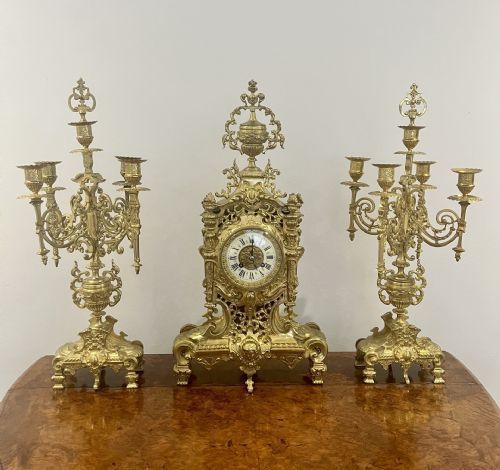
A garniture set comprises a central mantel clock accompanied by two matching side pieces, such as candelabras or urns. These balanced assemblies formed the decorative centrepiece of a nineteenth-century room.
Materials match across all components, linking the clock housing directly to the accompanying candle holders through shared marble bases or bronze motifs.
How do I distinguish French styles?
French Rococo revival pieces display asymmetrical scrollwork, naturalistic floral curves, and whimsical figural motifs like cherubs. Empire and Neoclassical designs favour strict symmetry, classical columns, heroic figures, and formal geometric proportions.
Second Empire works combine heavier proportions with eclectic historical references typical of the later nineteenth century. Examining the cast ornamentation usually reveals which historical revival inspired the maker.