

Antique Candle Branches
Antique candle branches bring a sophisticated glow to a room, offering functional illumination through multi-armed fixtures designed to hold tapers securely.
Antique Candle Branches
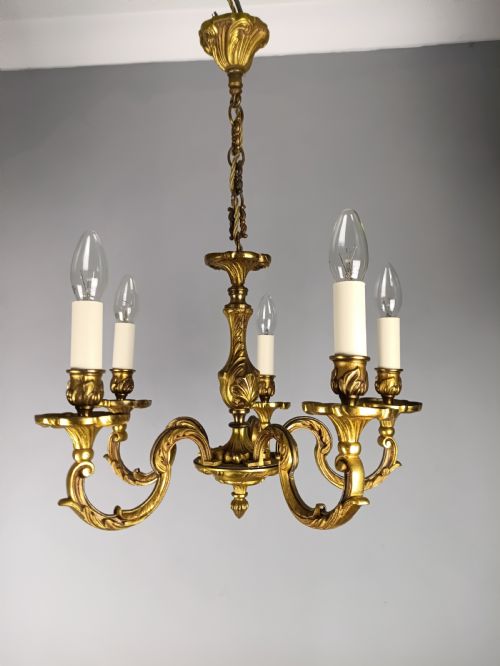
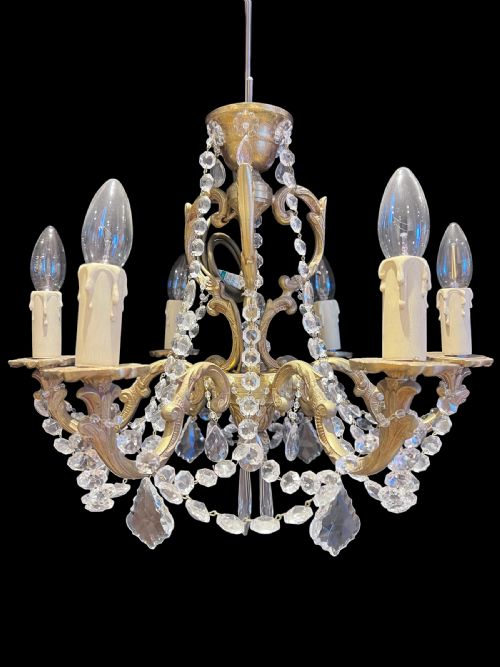
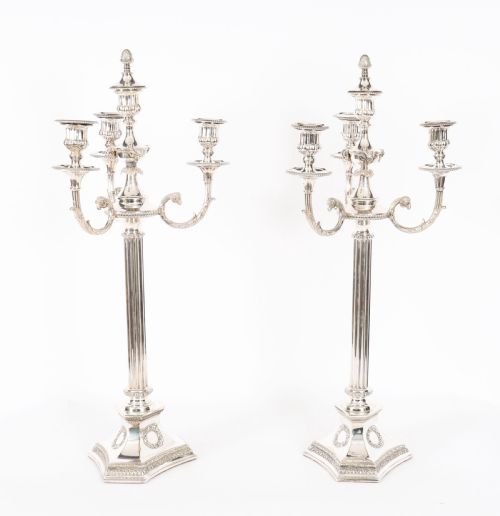
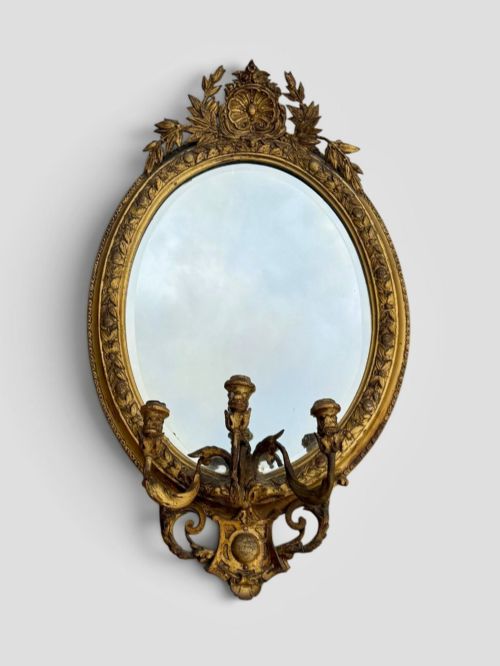
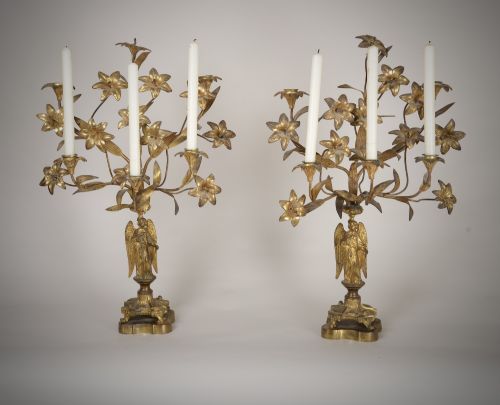
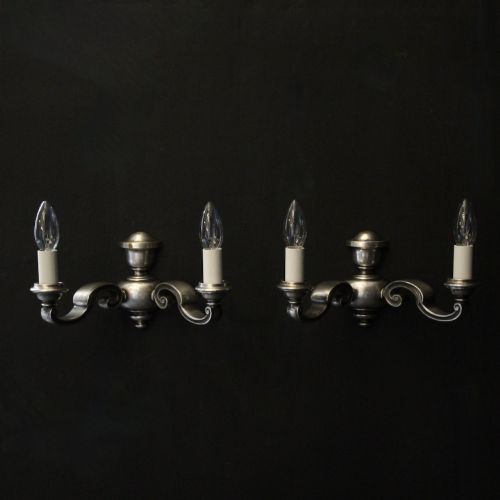
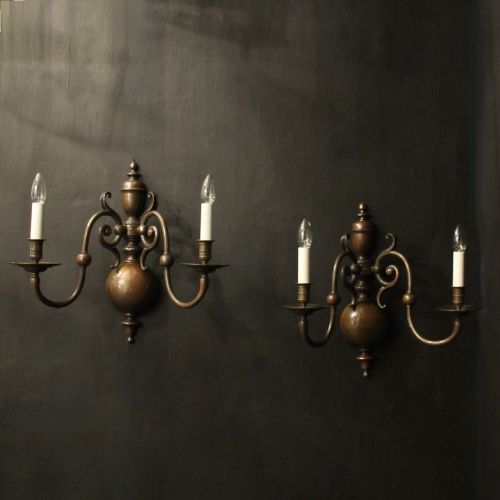
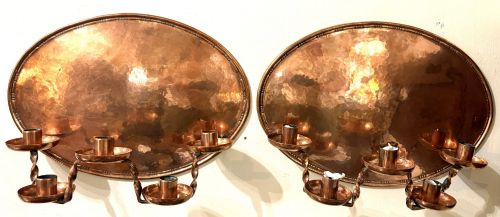
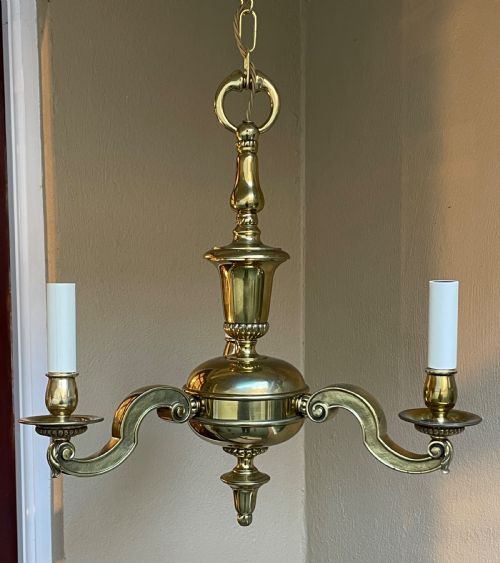
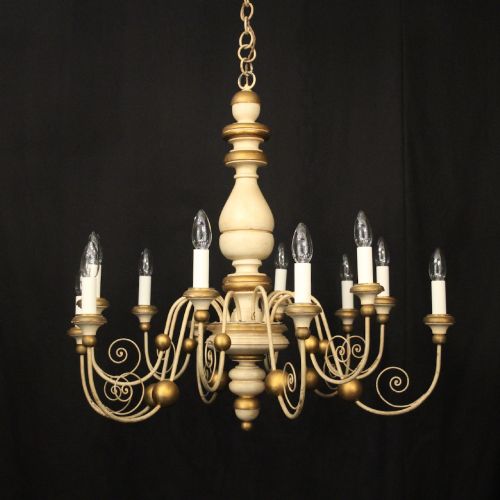
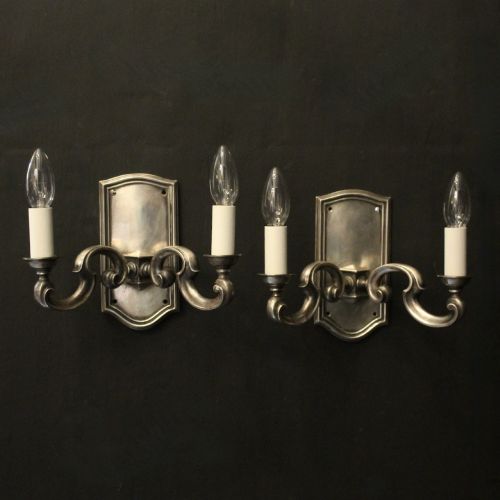
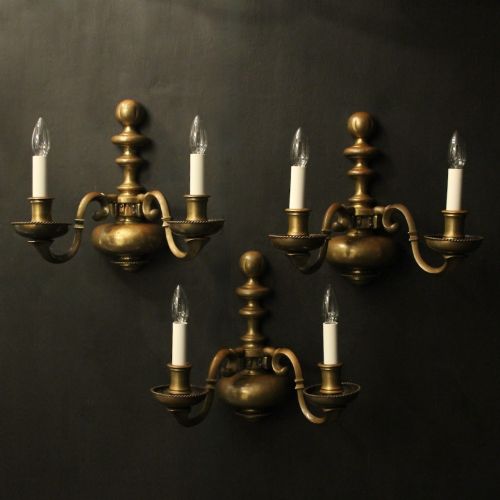
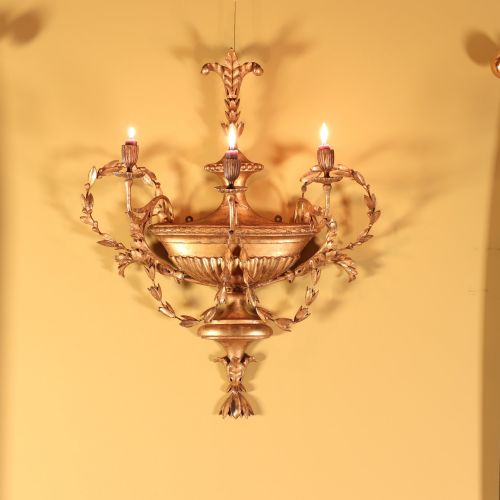
When buyers search for antique candle branches, they encounter multi-armed fixtures designed for illumination, which span several centuries of domestic lighting. The selection here ranges from grand chandeliers and candelabra to wall-mounted sconces and girandoles.
Nineteenth-century examples dominate the offerings, alongside eighteenth-century works and later pieces from the Edwardian era and the early twentieth century. French and English origins predominate, bringing distinct regional interpretations to the metalwork and design.
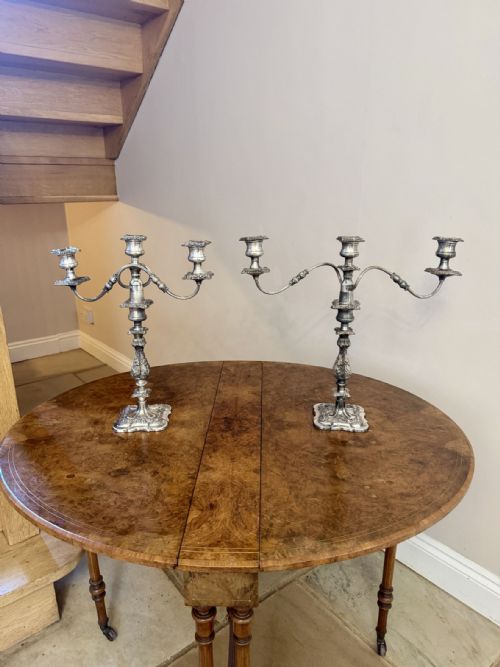
The forms vary considerably, encompassing table candelabra, wall lights with multiple arms, and sculptural chandeliers. These items reflect diverse historical styles, including French Rococo, Regency, Gothic Revival, and Victorian ornamentation.
How they were made
Makers utilised cast and chased brass, bronze, and ormolu as structural bases for these branches, often applying silver plate or gilding to the surface. Repoussé techniques appear on sheet metals, creating raised decorative patterns through hammering from the reverse side.
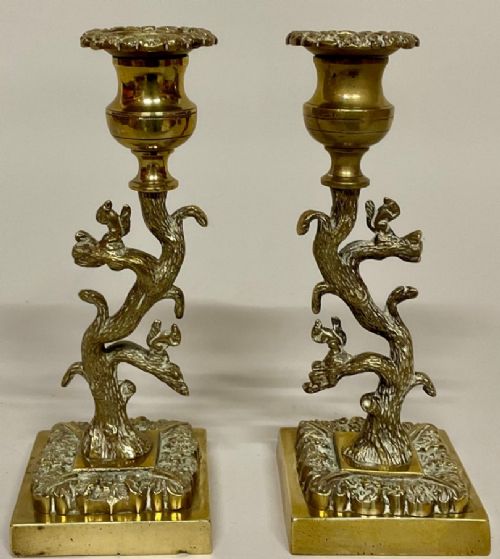
Squirrels scamper among bronze tree branches on Regency candlesticks, bringing woodland life indoors to hold the flickering taper light.
What varies in quality
The refinement of the casting and chasing separates standard production from exceptional work, particularly in the crispness of foliage, scrolls, and figural details. Heavier gauge metals and deeply hand-chased surfaces indicate superior craftsmanship in ormolu and bronze pieces.
Original mercury gilding or thick silver plating retains a warmer lustre than later chemical replating or modern paint finishes. The integrity of the structural joints and the matching of components across a pair determine the overall execution of the object.
Garrard and Co·Matthew Boulton·F and C Osler
The Antique Candle Branches Glossary
- Candelabra
- A multi-branched candleholder equipped with a central shaft and several arms. These fixtures stand on tables or pedestals to provide substantial illumination.
- Girandole
- An ornamental wall mirror featuring attached candle branches or sconces. The mirrored glass reflects and multiplies the light cast by the tapers.
- Ormolu
- Finely ground high-carat gold mercury-gilded onto a bronze base. This technique creates a rich, durable golden finish characteristic of French decorative arts.
- Sconce
- A wall-mounted lighting fixture designed to carry one or more candles. They project from vertical surfaces to illuminate hallways and living spaces.
- Bocage
- An intricate background of ceramic foliage and flowers found behind figures on eighteenth-century candlesticks. This botanical ornamentation frames the sculptural subject.
Antique Candle Branches: Frequently Asked Questions
What is the difference between a sconce and a candelabrum?
A sconce is specifically designed to be mounted directly onto a wall surface to hold candles. In contrast, a candelabrum is a freestanding multi-branched fixture placed on tables, sideboards, or mantelpieces.
While both provide illumination through multiple arms, their placement within a room differs entirely according to their structural design.
How do I clean antique silver plated branches?
Dust the metal gently with a soft, dry cloth to remove surface particles without abrasive friction. Avoid harsh chemical dips that strip away thin historical plating from the underlying base metal.
Professional silver polish should be used sparingly and only on solid or thick plated areas, taking care to protect any surrounding glass or gilt surfaces.
Can these candle branches be converted to electricity?
Many multi-armed pieces are wired for electricity by threading thin cables through the hollow central shafts and arms. This modification allows historic fixtures to function safely as modern wall lights or chandeliers.
Purists often prefer retaining the original wax-burning configuration, while others choose reversible conversion to integrate the lighting into contemporary homes.
How do I identify Regency period metalwork?
Regency metalwork frequently incorporates classical motifs such as acanthus leaves, campana urns, and mythological figures inspired by ancient Greece and Rome. The finishes often display a combination of burnished and matt ormolu or dark patinated bronze.
Proportions during this era tend to be clean and architectural, reflecting the neoclassical tastes prevalent in early nineteenth-century design.