

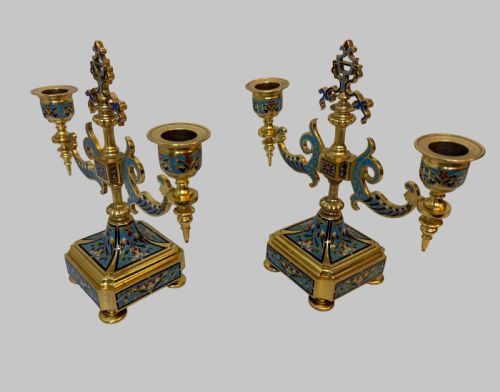


Vintage Table Candelabra
When you search for vintage table candelabra, you find multi-branched lighting pieces designed to sit on dining tables and sideboards.
Vintage Table Candelabra
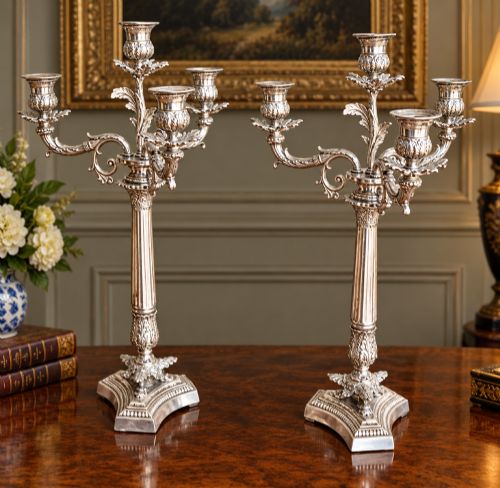
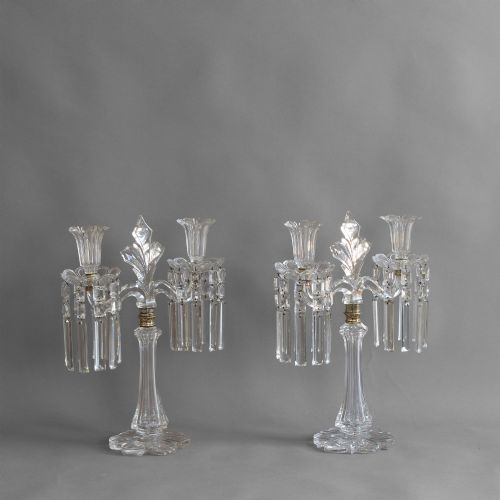
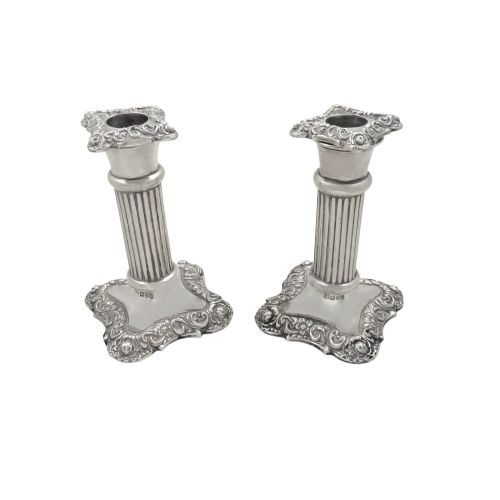
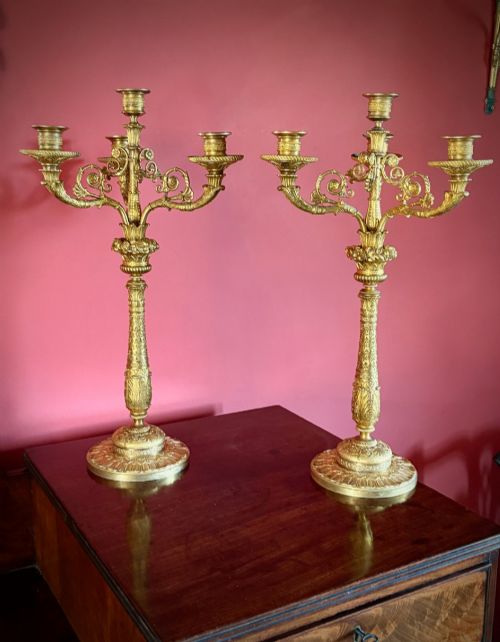
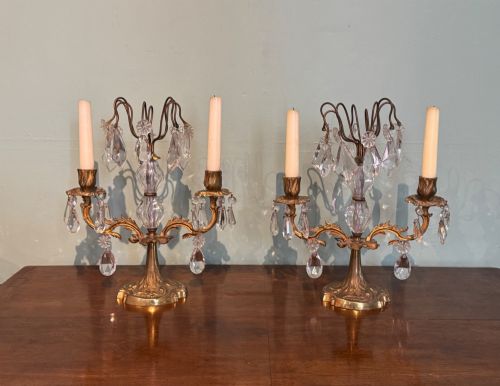
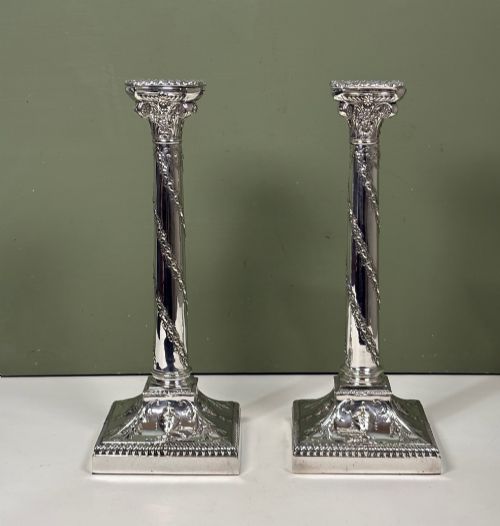
Vintage table candelabra comprise branched candle holders and multi-light lamp adaptations designed for dining tables and sideboards. The pieces on this page span from the nineteenth century through the mid twentieth century, including styles such as Victorian, Edwardian, French Rococo Revival, Regency, and Neoclassical.
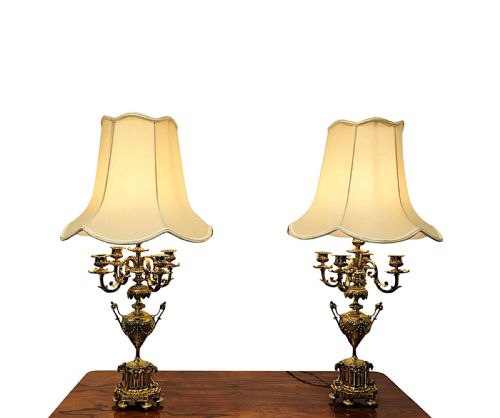
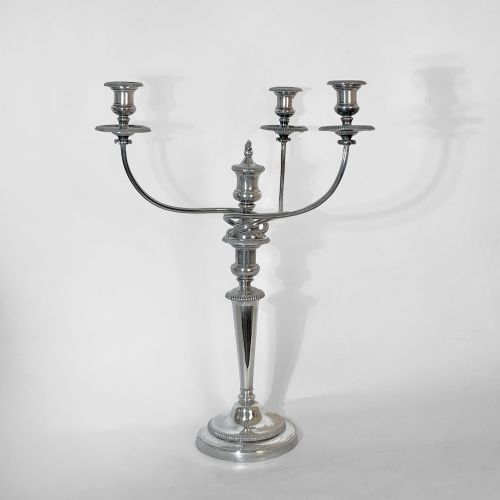
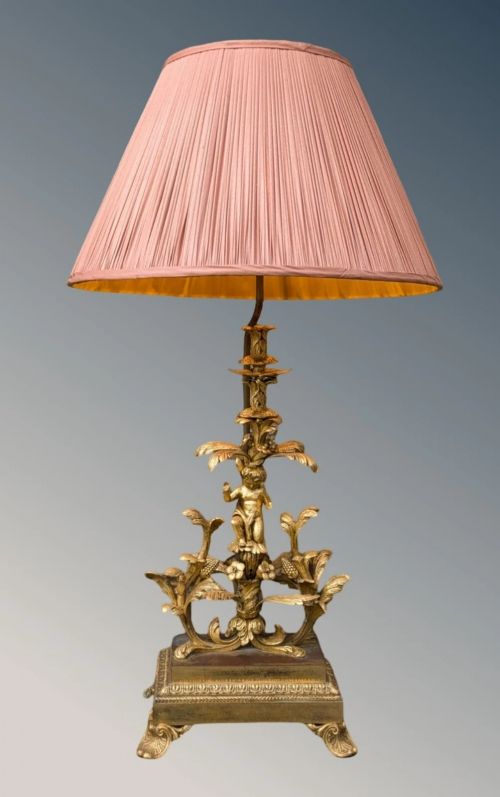
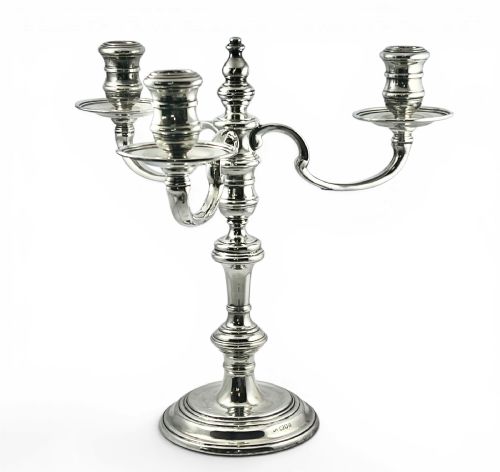
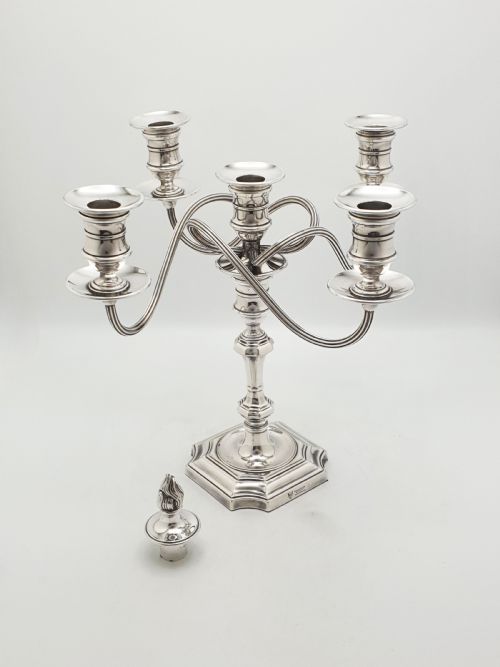
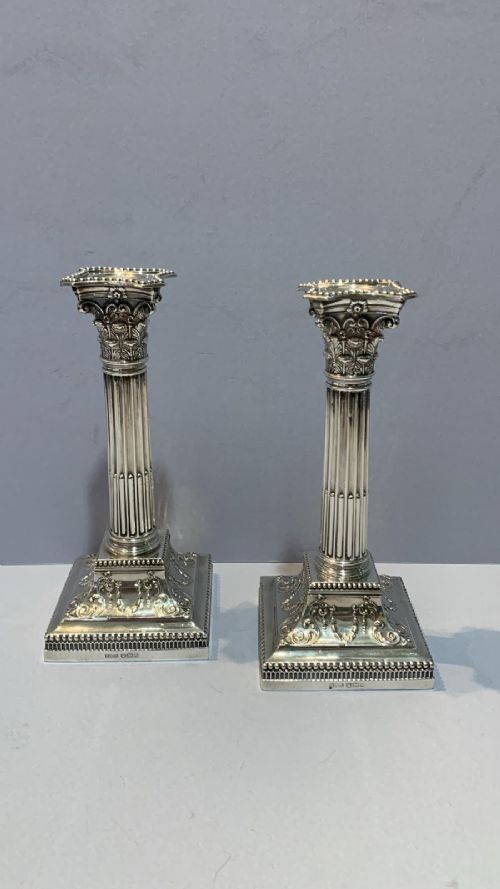
Most entries consist of matched pairs intended for symmetrical placement on furniture surfaces. The forms range from low two-branch table candelabra and three-light arrangements to large multi-armed candelabra, Sheffield plate centrepieces, and examples converted to table lamps.
How they were made
Metalworking forms the foundation of these pieces, utilising silver plate, sterling silver, brass, copper, and gilt bronze or ormolu. Techniques involve casting, chasing, and plating metals over base cores, alongside Sheffield plating methods.
Additional materials include cut glass, crystal, champleve enamel, tole, and fabric details. Certain examples incorporate structural alterations where period metalwork has been adapted into electric table lamps.
One exceptional nineteenth-century piece combines a silver plate candelabra with a palm tree dish.
What varies in quality
Quality rests in the crispness of cast ornamentation, the weight of the metal components, and the structural integrity of the branches. Finer examples display deeply chased foliate detail and balanced proportions across all arms.
The choice of primary material also distinguishes the range, moving from standard silver plate and brass to substantial sterling silver, heavy gilt bronze, and cut crystal combinations.
Wm. Tonks & Sons·Smith & Sissons & Co·Barker Ellis
The Vintage Table Candelabra Glossary
- Candelabrum
- A branched candlestick holding multiple candles on separate arms. The plural form is candelabra.
- Sheffield Plate
- An early fusing technique where a thin sheet of silver is fused to a copper core. It appears on nineteenth-century table pieces.
- Ormolu
- Gilded bronze popular in French and English decorative metalwork. It provides a bright gold-coloured finish on decorative mounts.
- Champleve
- An enamelling technique where troughs are carved into metal and filled with vitreous enamel. These enamel areas decorate the metal body.
- Lustre
- A glass or crystal table ornament hung with cut glass prisms. They frequently accompany candle lighting pieces on furniture surfaces.
Vintage Table Candelabra: Frequently Asked Questions
How are table candelabra cleaned?
Silver plated and sterling silver pieces require gentle cleaning with dedicated metal polishes and soft cloths to preserve the plating.
Brass and gilt bronze items need dusting and mild soapy water without abrasive agents to protect the underlying metal surfaces.
Can converted candelabra be restored?
Many electrified pieces retain their original socket configurations or branch structures, allowing professional removal of wiring if desired.
Consulting a qualified restorer ensures that any structural changes made during conversion can be safely reversed.
How do I match candles?
Measure the socket diameter carefully, as nineteenth-century and vintage pieces often feature non-standard nozzle sizes.
Standard taper candles may require trimming at the base or small adapters to sit securely in older holders.
Where should candelabra be placed?
These pieces function well as centrepieces on dining tables, on sideboards, or paired symmetrically on mantelpieces.
Ensure adequate clearance from curtains and low ceilings when burning candles on tabletop displays.