



Ornate Gilt Candle Stands
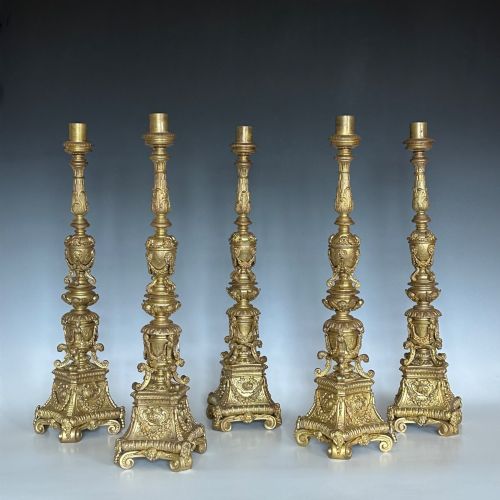
These ornate gilt candle stands bring bright, reflective warmth to a room through centuries of skilled metalwork and carving.
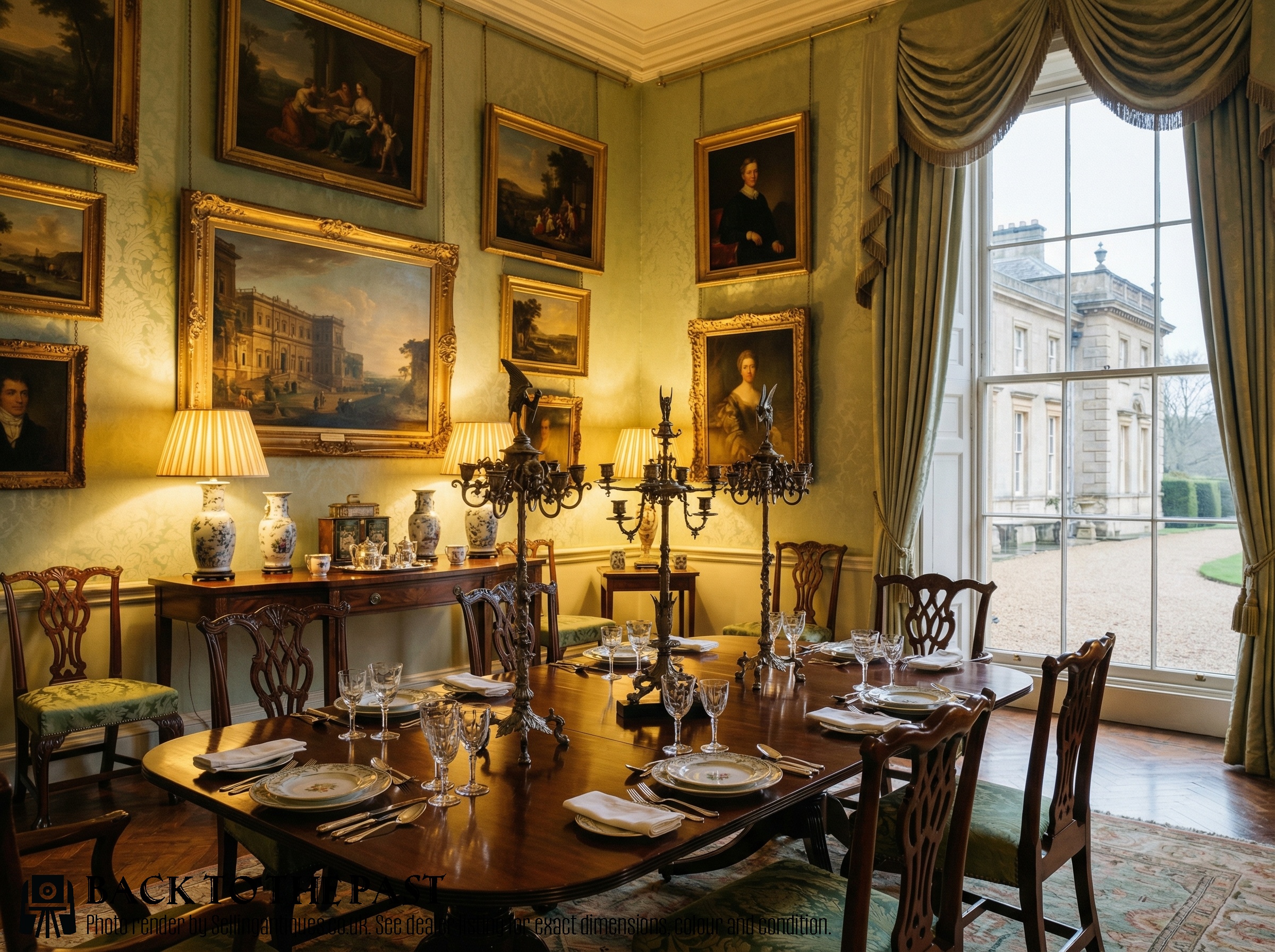
Ornate Gilt Candle Stands
Ornate gilt candle stands encompass tall torcheres, standard lamps, and multi-armed candelabras designed to hold multiple candles aloft. They emerge across periods from the eighteenth century through the twentieth century in various styles.
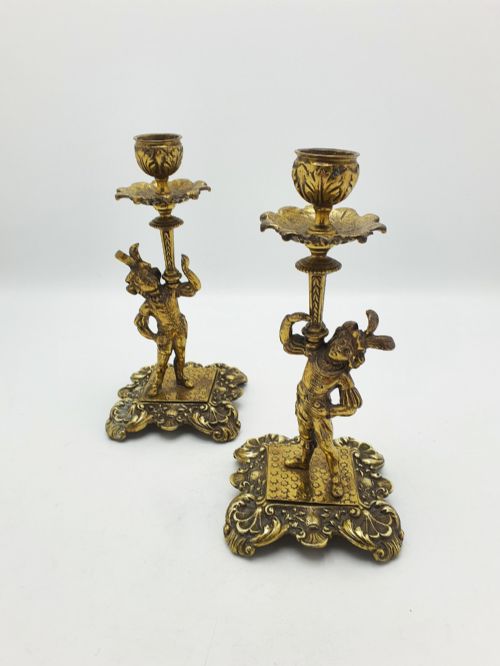
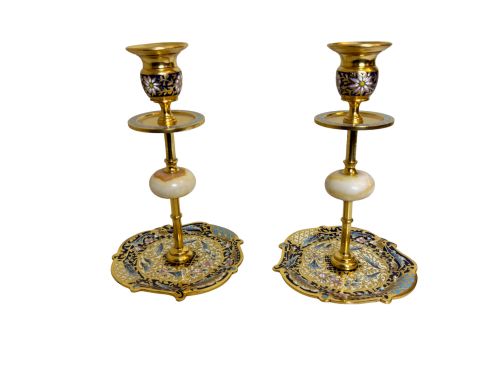
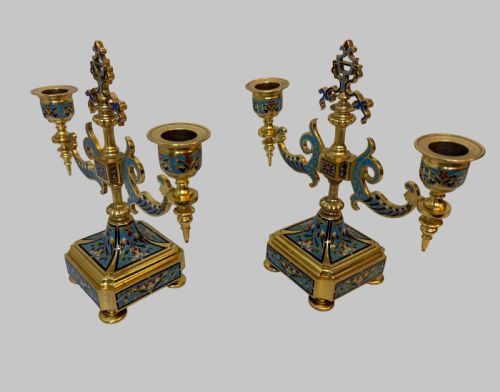
The pieces appearing most frequently take the form of pairs of nineteenth-century candelabras and candlesticks. Makers utilised materials like gilt bronze, ormolu, and carved giltwood to create heavy, decorative lighting fixtures.
Buyers encounter distinct regional influences, particularly French Rococo revival and Italian Florentine Baroque designs. These objects serve both functional lighting roles and decorative display purposes within period interiors.
How they were made
Artisans employed cast bronze, brass, and ormolu, often applying gold leaf or gesso over carved wood. Champleve enamel and onyx inserts appear on select nineteenth-century examples to add colour and texture.
Carvers shaped wooden torcheres and giltwood stands by hand before applying delicate layers of gilding. Metal components involved casting and chasing techniques, producing sharp relief work on figures and foliage.
Design styles represented include Neoclassical, Regency, Rococo, Victorian Renaissance Revival, and Florentine Baroque.
What varies in quality
Quality rests upon the crispness of the chased detail in the metal or the depth of hand-carving in the wood. Superior examples display intricate figures, such as dancing cherubs, cast with precision rather than soft edges.
The choice of base materials also distinguishes better pieces, with heavy porphyry, marble, or onyx foundations elevating the work. Original gilding and surface preservation remain key indicators of higher craftsmanship.
Auguste Cain
The Ornate Gilt Candle Stands Glossary
- Ormolu
- Finely ground high-carat gold applied to a bronze base through a mercury amalgamation process, or simply gilded bronze. This technique creates a rich, durable golden surface seen on many nineteenth-century French pieces.
- Torchere
- A tall ornamental stand or candlestick designed to hold a light source high above the floor. They frequently feature carved giltwood or standard lamp configurations.
- Champleve
- An enamelling technique where troughs or cells are sunk into a metal surface and filled with vitreous enamel. These coloured areas contrast with the surrounding gilt metal.
- Giltwood
- Timber, often lime or pine, that has been coated with gesso and covered in thin leaves of gold. It provides a lightweight yet opulent alternative to solid metal stands.
Ornate Gilt Candle Stands: Frequently Asked Questions
How do I care for antique gilt surfaces?
Dust giltwood and ormolu gently with a soft, dry brush to prevent accumulation without disturbing the delicate gold leaf.
Avoid liquid cleaners, chemical polishes, and abrasive cloths, which can strip away thin layers of gilding or antique patination.
Where should I place a torchere stand?
Torcheres suit corners or flanking spaces where their height can add vertical balance to a room without obstructing pathways.
Historically used to illuminate dark corners, they work well today supporting decorative objects or operating as standalone sculptural pieces.
How do I distinguish nineteenth-century pieces from later reproductions?
Examine the casting quality, the wear on the gilding, and the method of joining components beneath the base. Nineteenth-century examples often display hand-finished chasing and natural age patination that modern copies struggle to replicate.