



Antique Rococo Candle Sticks
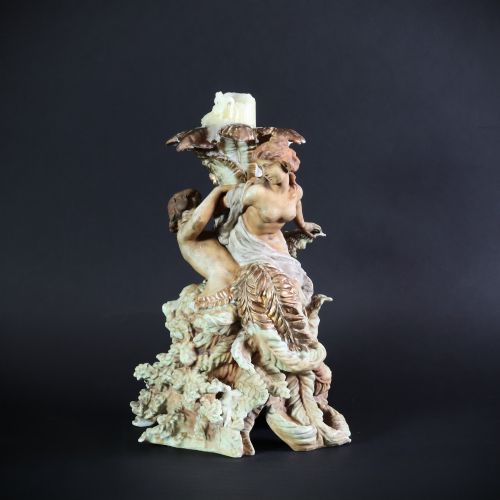
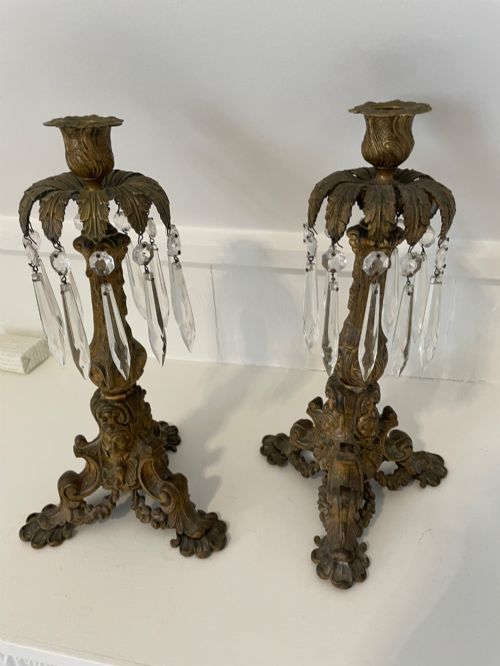
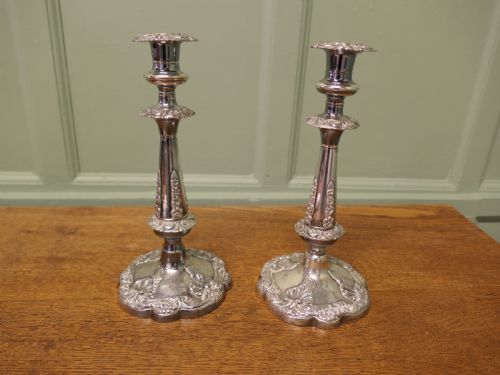
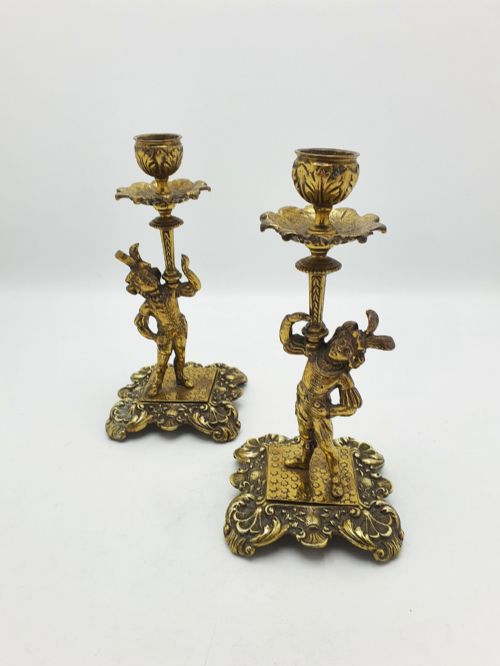
These antique rococo candle sticks combine exuberant asymmetrical scrolling with domestic illumination, offering buyers a dramatic piece of historic metalwork for the mantel or dining table.
Antique Rococo Candle Sticks
When searching for antique rococo candle sticks, buyers encounter a range of lighting forms spanning the eighteenth, nineteenth, and early twentieth centuries. The selection encompasses paired candlesticks, larger multi-light candelabra, and occasional chambersticks designed for portable use.
Most examples found on this page date from the nineteenth century, reflecting the Victorian revival of earlier continental designs. These pieces adopt the characteristic asymmetrical curves, shell motifs, and scrolled bases typical of the style.
Origins vary across domestic and continental workshops, with French and British pieces dominating the record. Buyers regularly discover variations including figural subjects, cherubs, and baluster floral columns alongside standard socket configurations.
Distinctions in quality and execution
The division between standard production and top-tier pieces rests upon the crispness of the chased or cast ornamentation. Superior examples display deeply undercut scrolling, sharply defined botanical motifs, and carefully articulated figural details without soft edges.
Weight and structural integrity also separate grades of manufacture, as better pairs utilise thicker gauge metals and substantial casting foundations. The coherence of the design across matching pairs determines desirability among collectors seeking uniform domestic display.
Antique Rococo Candle Sticks Retail Price Guide 2026
Typical asking prices for rococo candle sticks among the pieces listed under this phrase on Sellingantiques today, from the lower quarter to the upper quarter. They describe what is for sale here now, not the wider market.
The listings on this site record items spanning the eighteenth, nineteenth, and early twentieth centuries, constructed from silver plate, ormolu, brass, and bronze.
The Antique Rococo Candle Sticks Glossary
- Ormolu
- Finely ground high-carat gold applied to a bronze base using a mercury amalgamation technique, common in French manufacture. This surface treatment yields a warm, durable metallic lustre that resists tarnishing.
- Candelabra
- A branched lighting fixture designed to hold multiple candles simultaneously from a single central stem. These pieces often feature removable upper branches to convert into standard single candlesticks.
- Chamberstick
- A low, portable candlestick fitted with a saucer base and a loop handle for carrying through a darkened house. Many include a small conical snuffer resting in the dish.
- Baluster
- A moulded column shape featuring a swelling lower section that tapers toward the top. This architectural form provides visual stability to the central shaft of the candlestick.
Antique Rococo Candle Sticks: Frequently Asked Questions
How do I clean antique silver plated candlesticks?
Maintenance requires gentle cleaning with a soft cloth and a specialised silver polish formulated to protect thin plating layers. Avoid abrasive cloths or aggressive scrubbing that can wear through the silver to the base metal beneath.
Regular dusting with a dry microfiber cloth prevents the accumulation of grime in the deep recesses of the rococo scrollwork. Proper storage away from damp environments preserves both the metal surfaces and any internal weighting materials.
Were these pieces used for dining tables?
Dinner lighting during the nineteenth century relied heavily on matched pairs of candlesticks or larger candelabra placed along the centre of the table. Their reflective surfaces amplified the limited illumination provided by wax or tallow candles.
Shorter chambersticks served a different domestic function for carrying up stairwells or lighting bedchambers at the end of the evening. Both functional types appear frequently within the recorded selection.
How can I tell French pieces from English ones?
French examples often utilise gilt bronze or ormolu finishes with exceptionally fluid, sculptural casting quality typical of Parisian workshops. British production from the Victorian era more frequently employs silver plating or brass with slightly more restrained interpretations of the style.
Makers' marks or registration stamps, where present on the underside or bobeche, provide definitive clues to the country of origin. Stylistic proportions also offer guidance, as continental pieces sometimes push asymmetry further than British domestic versions.
What does rococo revival mean for dating?
The term indicates that an object was manufactured during the nineteenth century, typically between the eighteen-eighties and the Edwardian period, copying eighteenth-century motifs. While the aesthetic originates in the reign of Louis XV, the items here are largely nineteenth-century interpretations.
Revival pieces combine earlier decorative vocabulary with contemporary nineteenth-century manufacturing methods like electroplating. Recognising this distinction prevents misattributing Victorian decorative metalwork to the original Georgian era.