
Ormolu Bedside Table Lamps
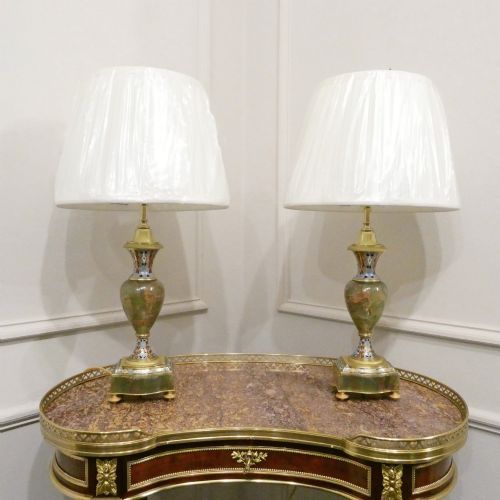
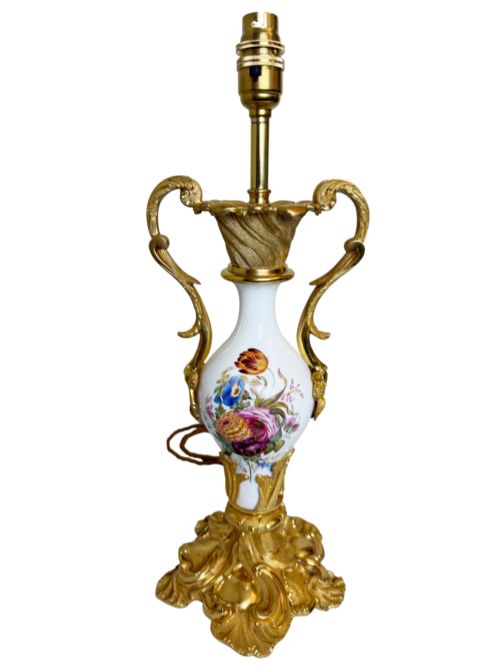
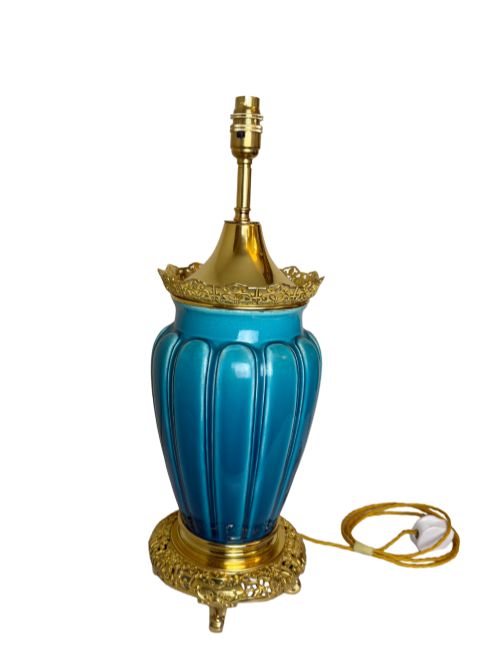
These ormolu bedside table lamps combine gilded metal mounts with rich materials like marble, porcelain, and crystal to illuminate a room with classic French style.
Ormolu Bedside Table Lamps
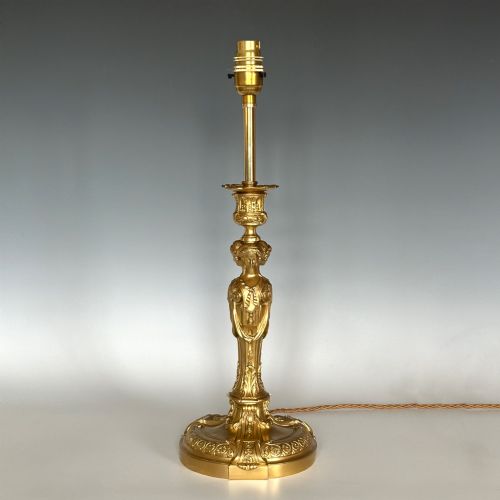
When you search for ormolu bedside table lamps, you find a selection of decorative lighting pieces predominantly rooted in French design traditions. These items incorporate cast metal mounts styled after historical periods such as the Louis XVI era and the Rococo Revival. Most examples span the nineteenth and early twentieth centuries, bringing ornate illumination to domestic interiors.
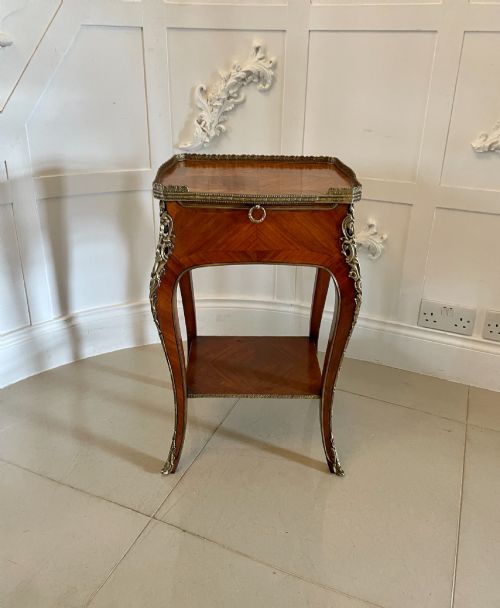
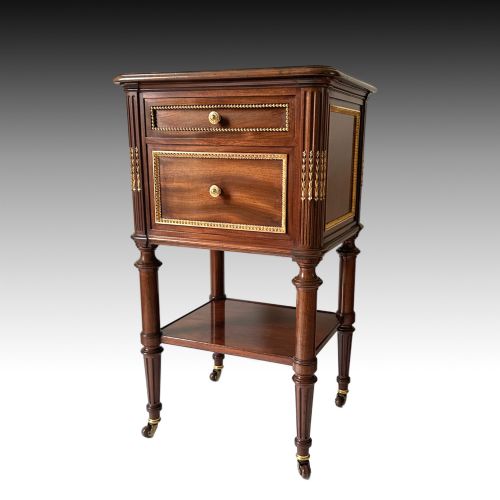
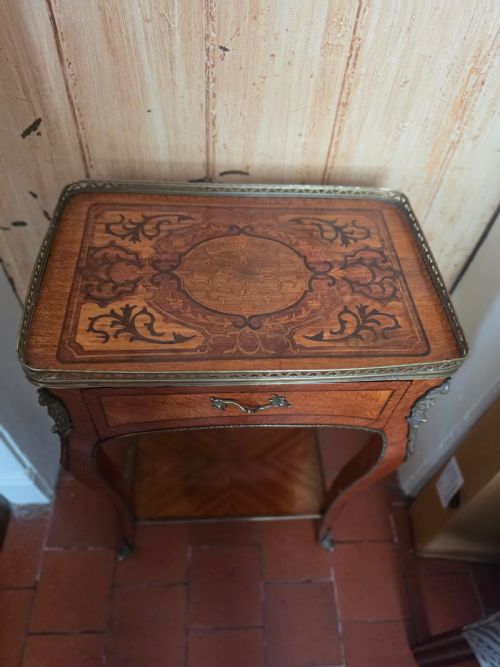
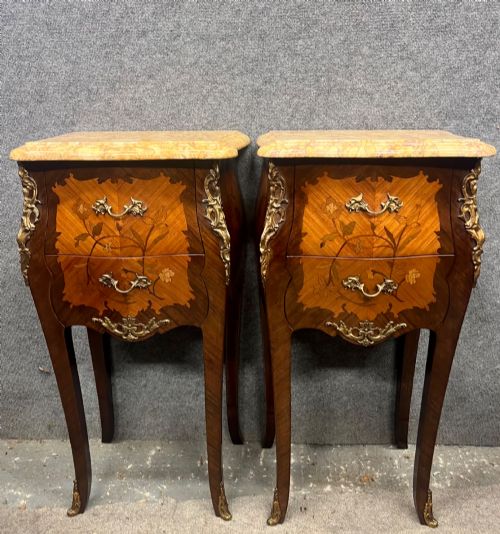
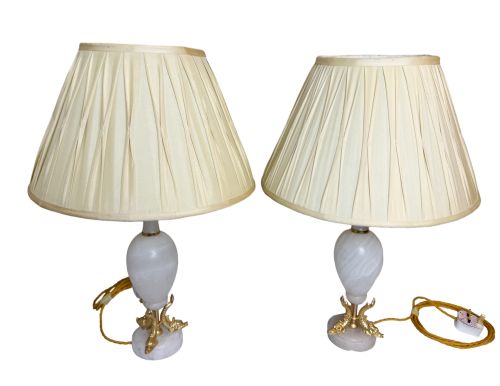
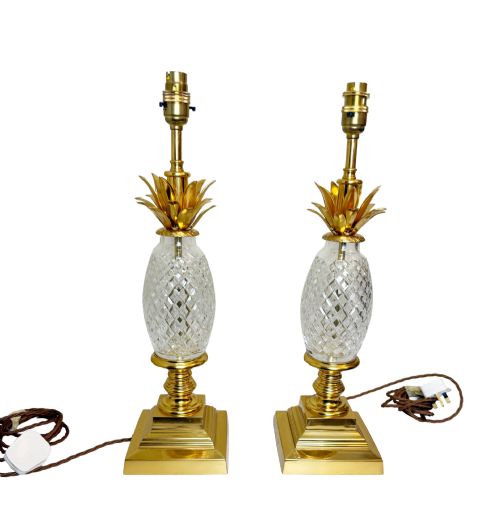
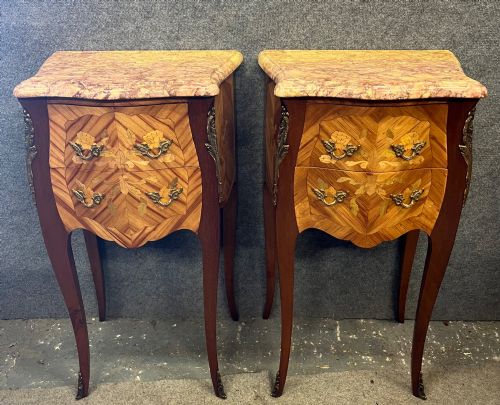
The objects on this page bridge utilitarian lighting and decorative cabinetry, often merging table lamps with small bedside chests, side tables, and lamp tables. Many listings showcase pairs incorporating porcelain, onyx, and crystal bodies secured with detailed metal trim. These pieces reflect continental tastes spanning from the eighteen-eighties through the nineteen-thirties.
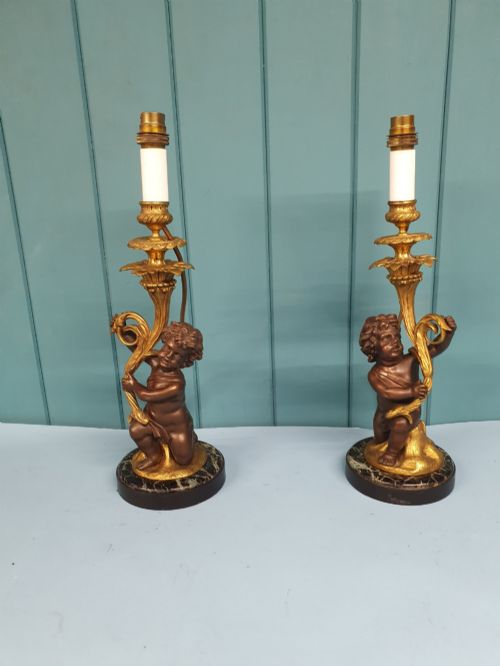
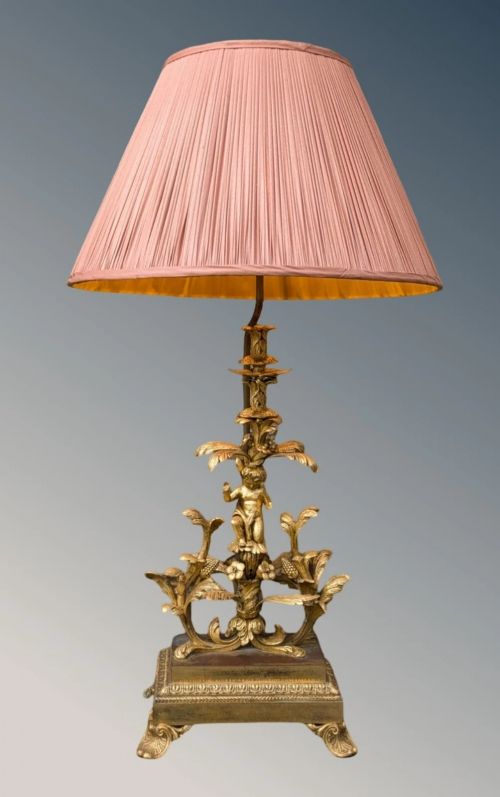
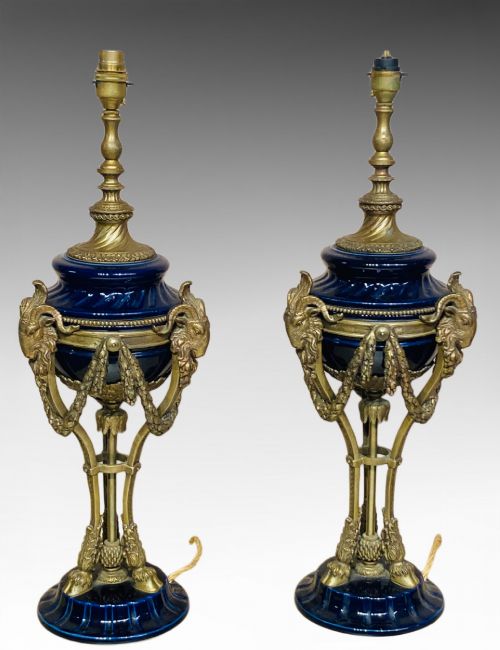
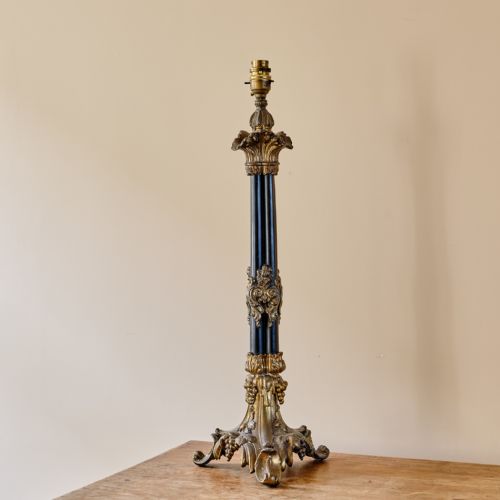
The form frequently adopts classical architectural motifs, urn shapes, or figurative elements such as cherubs. Collectors encounter both standalone lighting fixtures and combined furniture pieces designed to sit beside a bed. The variety ranges from petite floral designs to monumental columns utilising gilt bronze and Ormolu.
Materials and Craftsmanship
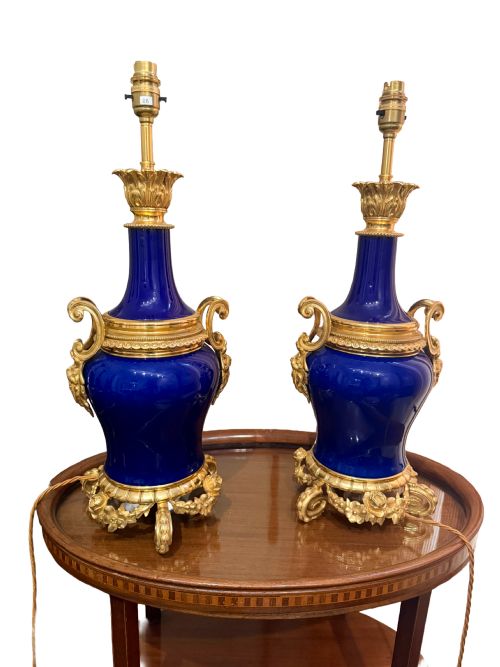
Makers utilised cast brass and bronze, applying mercury gilding or modern electroplating to achieve the distinctive ormolu finish. These metal mounts were meticulously chased and finished by hand to create sharp decorative detail. The resulting metalwork frames contrasting bodies made from porcelain, marble, onyx, and crystal.
Cabinetmakers constructed the accompanying bedside tables and lamp tables using hardwoods such as mahogany, kingwood, walnut, and satinwood. Many surfaces feature marquetry and parquetry inlay, demonstrating advanced woodworking techniques. Natural stone tops in marble and rouge marble provide durable and decorative surfaces for the lamp bases.
Some pairs feature cheerful bronze cherubs holding up the light for your midnight reading.
Distinguishing Quality
The excellence of these pieces rests largely on the crispness of the bronze casting and the depth of the subsequent gilding. Superior items display finely chiselled surface details on the ormolu mounts rather than soft, rounded edges from worn moulds. Hand-painted porcelain panels and precisely fitted marble or onyx elements further elevate the standard of the piece.
Structural integrity in the woodwork separates standard production from exceptional examples. High-grade bedside tables feature precise parquetry, tightly fitted drawers, and robust framing that supports heavy stone tops and metal lamps without sagging. The harmony between the lighting fixture and its supporting furniture base determines the overall success of the composition.
The Ormolu Bedside Table Lamps Glossary
- Ormolu
- Gilded bronze, typically achieved through a mercury amalgamation process on nineteenth-century pieces or later electroplating. The term describes the bright, gold-coloured finish applied to decorative furniture mounts and lamp bases.
- Champleve
- An enamelling technique where troughs are dug into a metal surface and filled with vitreous enamel before firing. This method creates colourful, patterned ornamentation seen on select lamp bases and decorative hardware.
- Cassolette
- A decorative vase or urn designed with a reversible lid that functions either as a closed vessel or an incense burner. Many antique examples are adapted into high-end table lamps.
- Marquetry
- The art of applying thin veneers of wood in geometric or pictorial patterns to a furniture frame. This technique decorates the surfaces of bedside chests and lamp tables.
- Louis XVI Style
- A neoclassical design movement characterised by straight lines, symmetry, and classical architectural motifs. This aesthetic heavily influences the ormolu mounts and overall proportions of these lamps.
Ormolu Bedside Table Lamps: Frequently Asked Questions
How do I date these lamps?
Dating relies on examining the casting techniques of the bronze mounts, the wiring methods, and the style of the accompanying materials. Nineteenth-century pieces often show hand-chased details and older assembly screws.
Later reproductions or twentieth-century pieces typically exhibit more uniform machine finishing. Comparing the decorative motifs to known periods like Louis XVI or Art Deco helps narrow the timeframe.
Were these originally made as lamps?
Many items began as oil lamps, vases, or cassolettes before undergoing conversion to electricity during the twentieth century. Other listings combine purpose-built lamp tables with integrated lighting fixtures.
Examining the central column and base reveals whether holes were drilled during original production or later adapted. Both converted antiques and original electrified pieces remain common on the market.
How should I clean ormolu?
Ormolu requires gentle dusting with a soft, dry cloth to prevent accumulation of grime in the recessed chased details. Avoid abrasive metal polishes that can strip away the delicate gold gilding.
Professional conservation cleaning may be necessary for heavily tarnished bronze. Protecting the surface from excessive moisture preserves the original finish.
What is the difference between ormolu and gilt bronze?
Ormolu is essentially the French term for gilt bronze, historically referring to mercury gilding applied to brass or bronze objects. The terms are often used interchangeably in the antique trade.
Both descriptions denote a metallic base layer covered in a gold finish. The quality depends on the underlying metalwork and the application method used.