

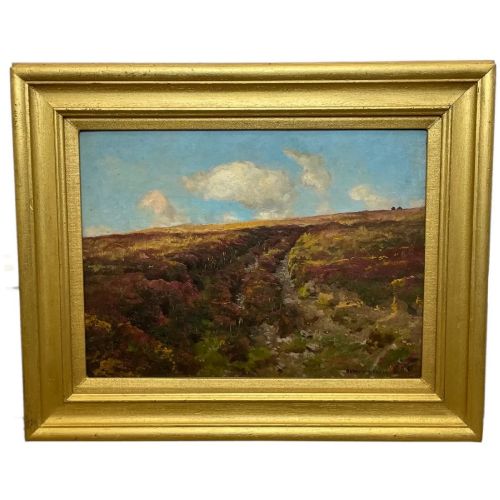
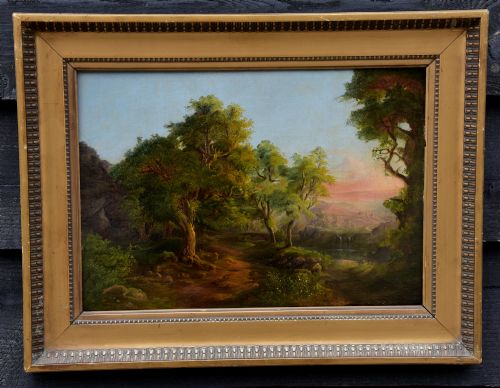
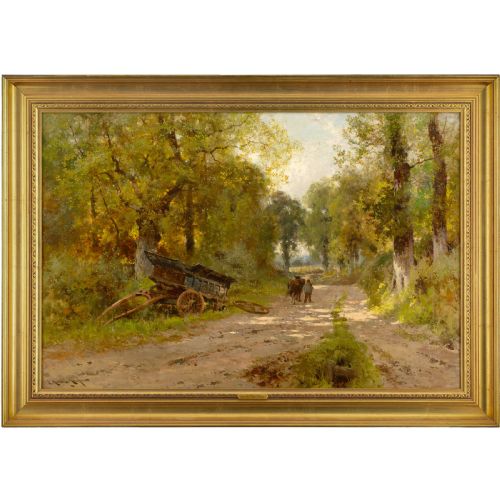
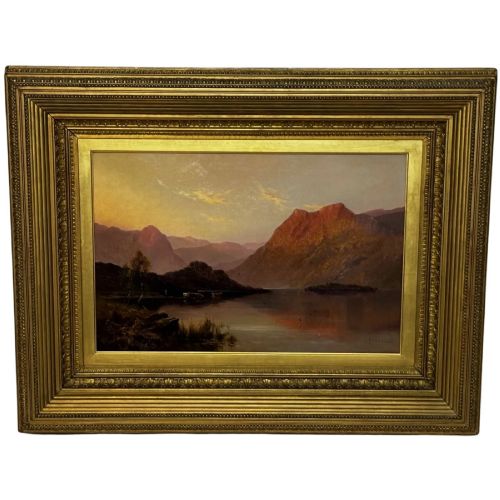

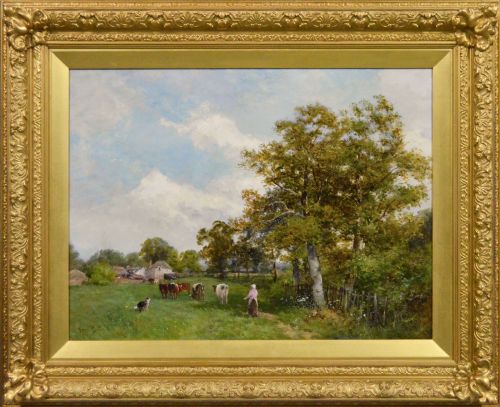
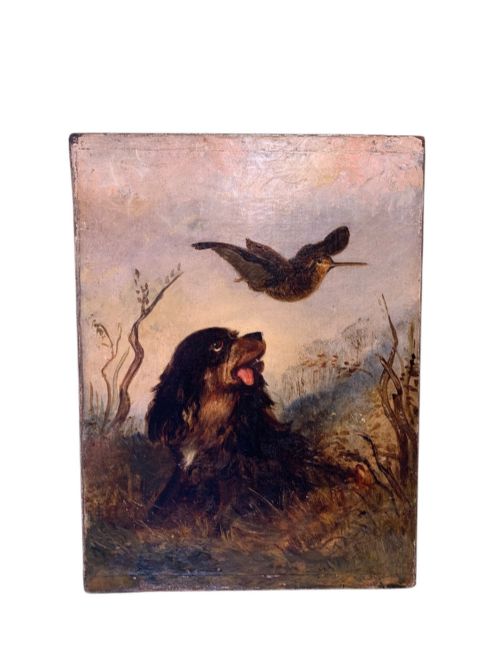
Original Victorian Oil Painting
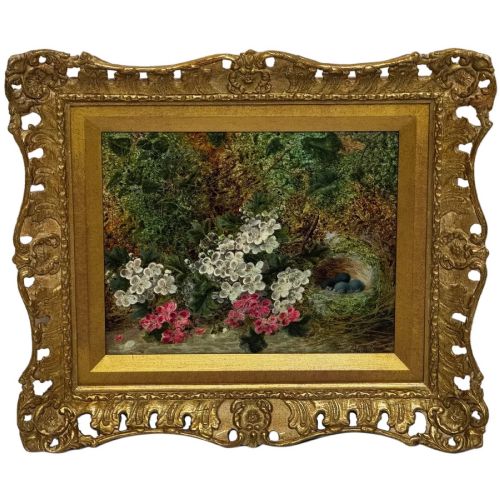
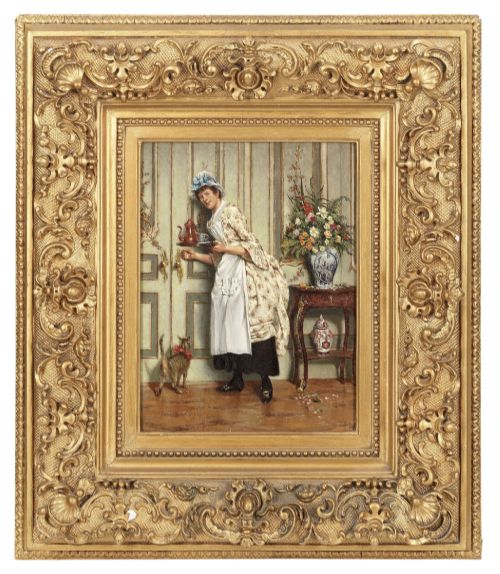
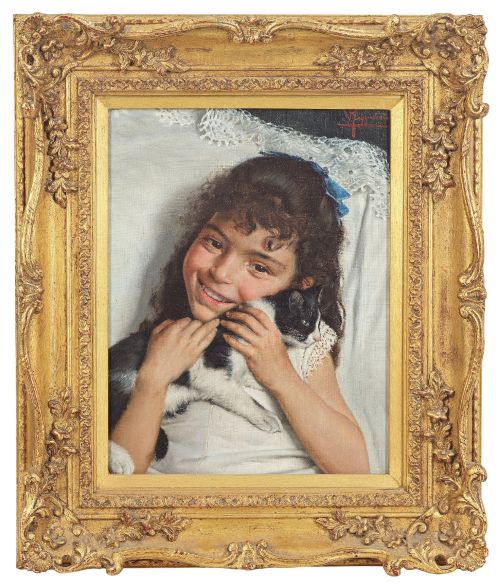
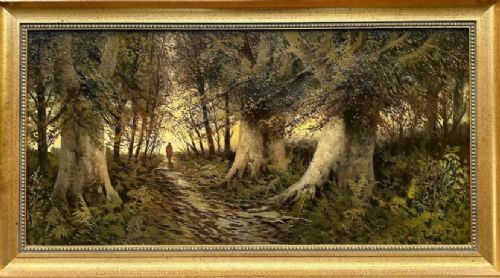
Original victorian oil painting works capture the rich domestic and natural world of the nineteenth century through enduring pigments on canvas, panel, and board.
Original Victorian Oil Painting
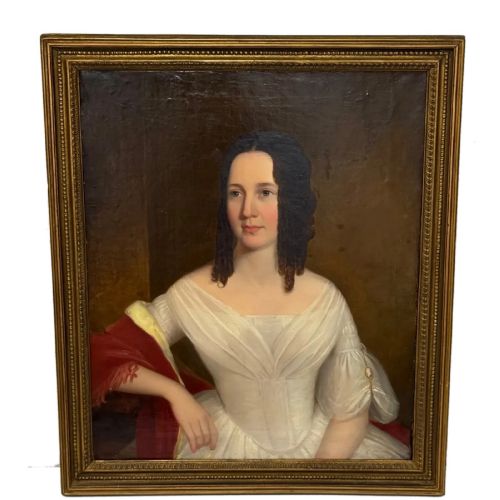
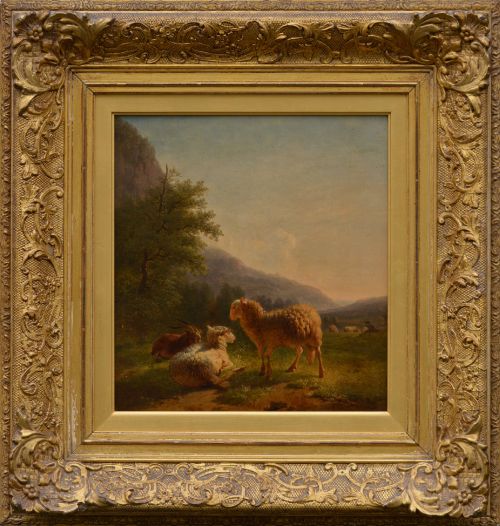
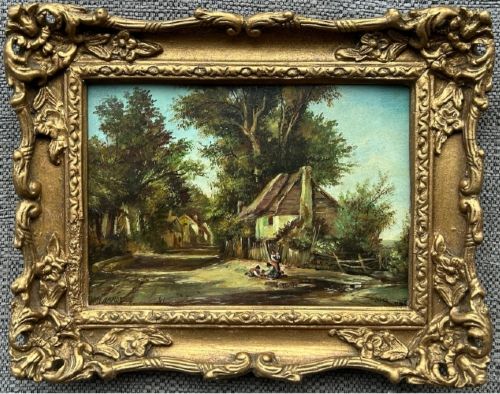
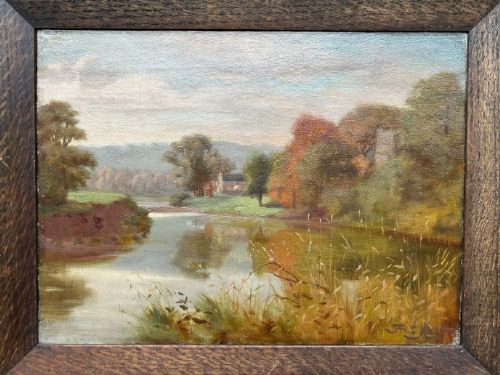
When searching for an original victorian oil painting, collectors encounter a diverse range of nineteenth-century subjects including pastoral landscapes, maritime scenes, and detailed portraits.
The selections available span intimate interior genre scenes and grand topographical views, reflecting the varied artistic output of British and European schools.
Most examples date from the mid to late nineteenth century, executed on traditional supports such as stretched canvas, wood panels, or artist boards.
How They Were Made
Artists built up their compositions using rich oil paint applied to prepared canvas, wood, or milk glass, often housed within original ornate giltwood and gesso frames.
Preparation involved priming surfaces to receive layers of pigment, allowing painters to achieve subtle tonal gradations in landscapes and precise detail in portraiture.
Original Victorian Oil Painting Retail Price Guide 2026
Typical asking prices for original victorian oil painting among the pieces listed under this phrase on Sellingantiques today, from the lower quarter to the upper quarter. They describe what is for sale here now, not the wider market.
Several canvases preserve the curious gazes of Victorian pets, from prize racehorses to lapdogs posing dutifully beside their owners.
What Varies in Quality
The strength of an original victorian oil painting rests in the confidence of brushwork, compositional balance, and the expressive handling of light and shadow.
Condition of the original support, stability of the pigment layers, and the preservation of the period frame significantly influence the standing of any given piece.
Eugène Verboeckhoven·William Howard Hardy·Arthur Wardle·Oliver Clare·Thomas Sidney Cooper·Edgar Hunt
The Original Victorian Oil Painting Glossary
- Giltwood
- Wood carved and coated with gold leaf or a gold-coloured finish. This material forms the ornate frames frequently found surrounding nineteenth-century canvases.
- Gesso
- A plaster-like mixture applied to wood or canvas as a base for painting or gilding. It provides a smooth surface for intricate frame mouldings.
- Provenance
- The documented history of ownership of an artwork. Tracing this record establishes the authenticity and past collection history of a painting.
- Genre painting
- Artwork depicting scenes from everyday life, such as domestic interiors or market scenes. These works capture the social habits of the period.
Original Victorian Oil Painting: Frequently Asked Questions
How do I identify a Victorian oil painting?
Examine the materials used, such as aged canvas, wooden panels, and traditional stretcher frames typical of the nineteenth century.
Subject matter often includes romanticized landscapes, pastoral scenes, and formal portraits characteristic of the era's artistic conventions.
Were these paintings always framed in gold?
Many nineteenth-century works were housed in giltwood and gesso frames designed to complement the richness of the oil pigments.
Frames were frequently ornate, though simpler wooden mouldings were also utilised depending on the artist's preference and patron budget.
What subjects are most common?
Landscapes featuring Scottish highlands, coastal marine views, and detailed portraiture of gentlemen and ladies dominate the surviving corpus.
Artists also frequently painted animals, sporting scenes, and quiet domestic interior moments reflecting contemporary life.
How should I care for an oil painting?
Keep works away from direct sunlight and dramatic fluctuations in temperature and humidity to protect the canvas and underlying paint layers.
Dust surfaces gently with a soft, dry brush and avoid using liquid cleaners or chemical solvents on the paint or frame.