



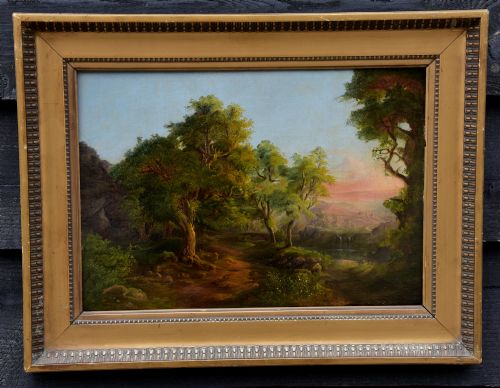
Original Victorian Artwork
When you search for original victorian artwork, you are looking at authentic period paintings, watercolours and drawings created during the nineteenth century.
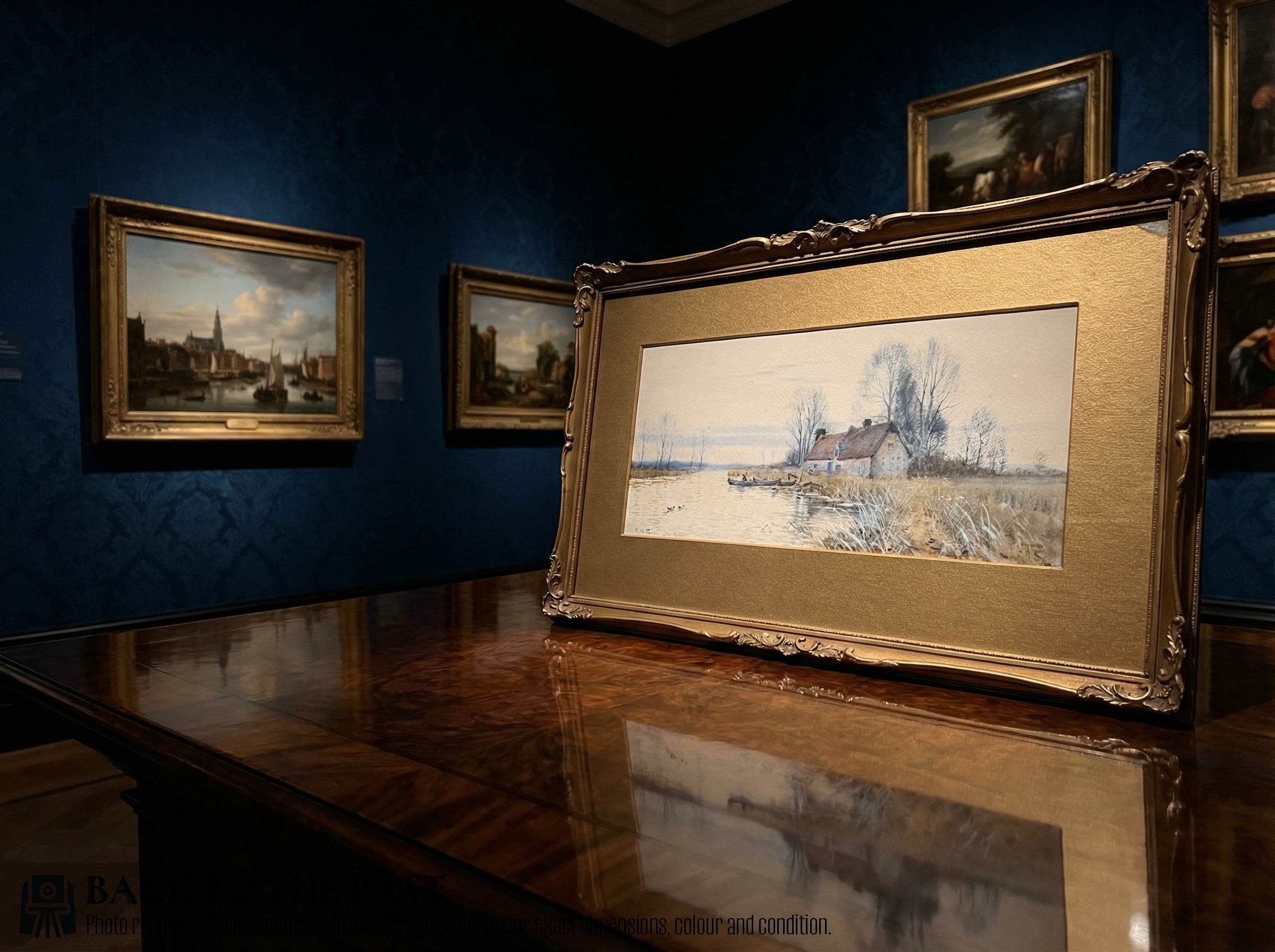
Original Victorian Artwork
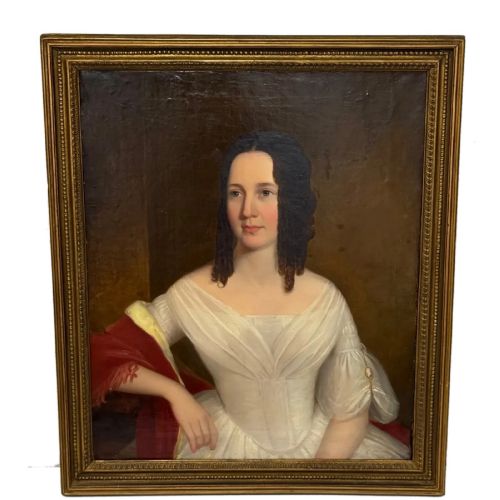
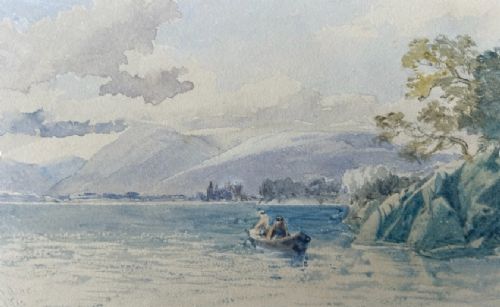
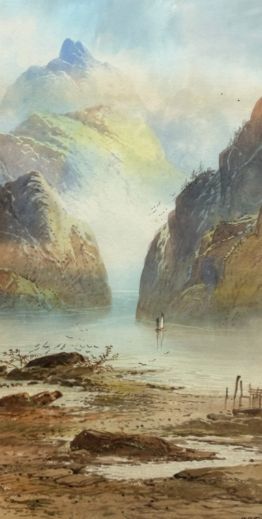
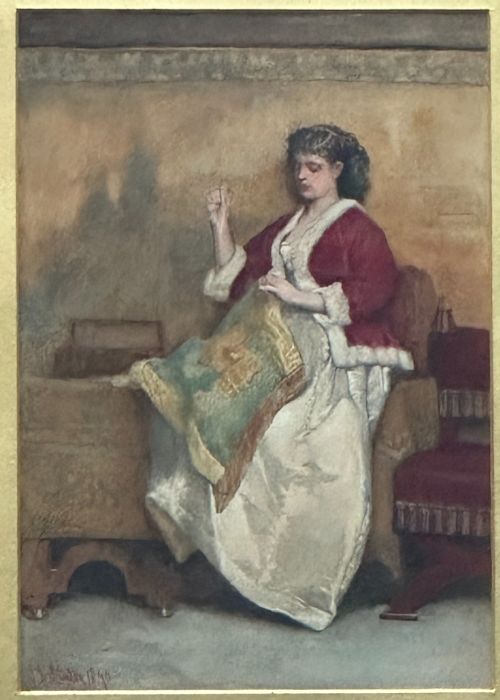
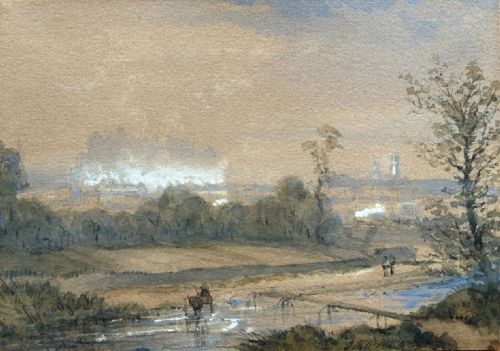
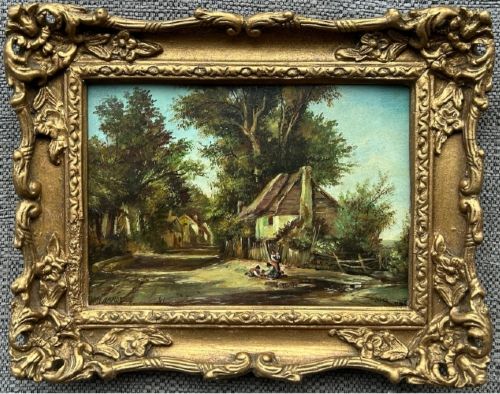
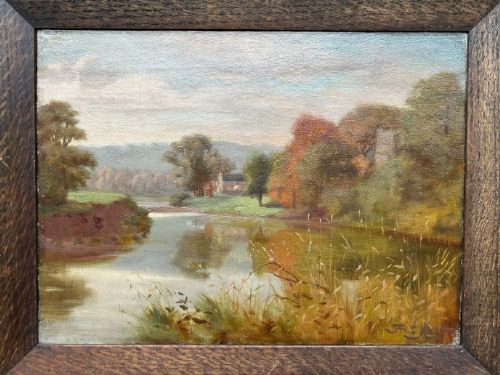
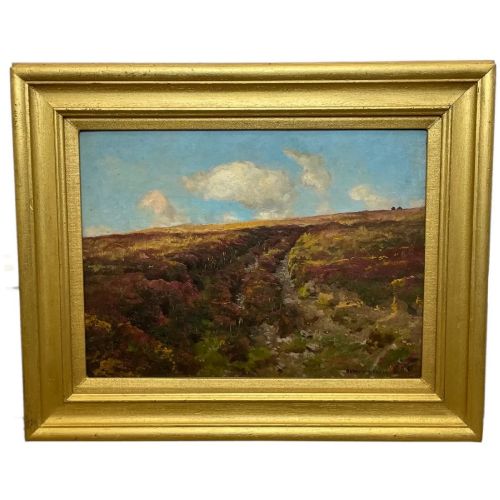
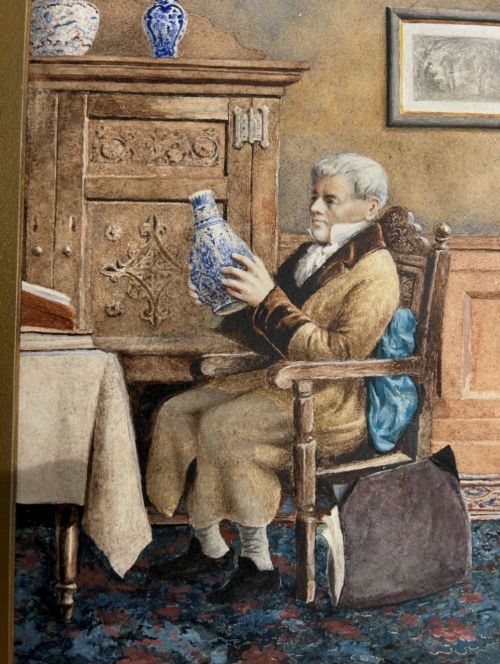
Original victorian artwork encompasses paintings, watercolours, drawings and sketches created during the nineteenth century and the early twentieth century. Buyers encounter oil paintings on canvas, panel or board alongside detailed watercolours and ink washes depicting landscapes, portraits, seascapes and domestic scenes.
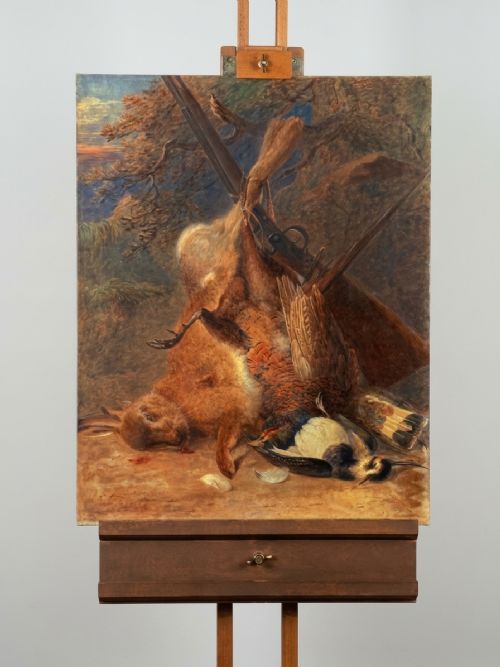
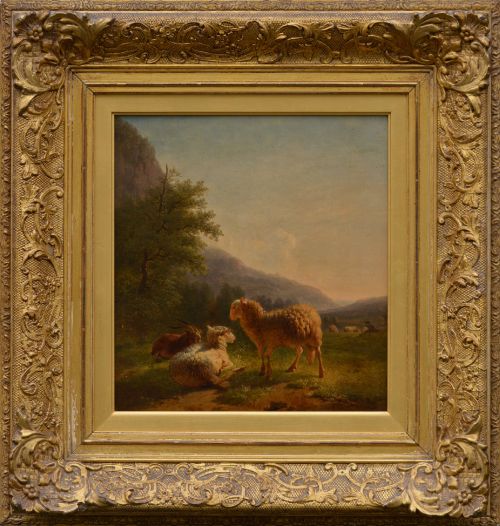
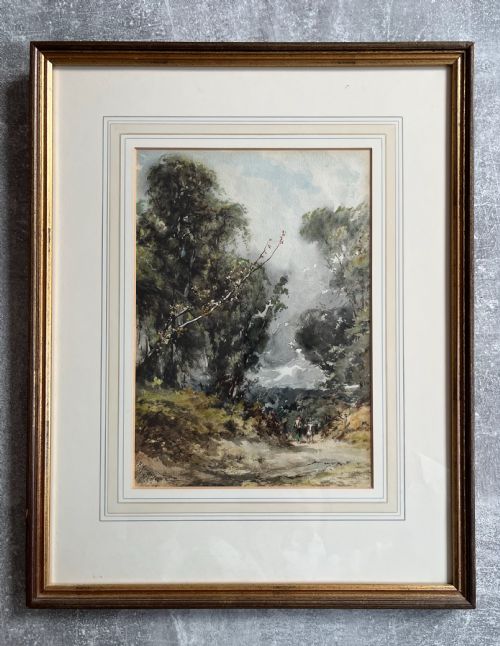
The selections on this page span styles from Victorian realism and romanticism to pastoral and sporting subjects. Landscapes and coastal views from artists working across Britain dominate the available pieces, often housed in period giltwood frames.

Materials and methods
Painters utilised oil paint applied to canvas, wooden panels or paper boards, building up rich textures and deep tones. Watercolours and bodycolour were frequently worked on paper, sometimes enhanced with ink and wash or charcoal for finer detail.
Framing forms an integral part of these works, with many pieces retained in original giltwood frames that complement the period aesthetic of the paintings.
Original Victorian Artwork Retail Price Guide 2026
Typical asking prices for original victorian artwork among the pieces listed under this phrase on Sellingantiques today, from the lower quarter to the upper quarter. They describe what is for sale here now, not the wider market.
Listings feature paper, canvas, wood and glass alongside oil paint and watercolour.
Judging quality in nineteenth-century pieces
Quality rests on the sureness of the brushwork, the depth of composition and the handling of light and atmosphere within the scene. Master painters command attention through precise draughtsmanship and harmonious colour palettes that hold the eye across the entire composition.
Condition also influences the standing of a piece, particularly the stability of the paint surface, the absence of excessive restoration and the retention of an appropriate period frame.
GEORGE SYDNEY SHEPHERD·Eugène Verboeckhoven·James Orrock·William Henry Earp·Sir James Dromgole Linton·James Smetham·John Horace Hooper·Oliver Clare·Vittorio Reggianini·David Bates·Herbert Dicksee·Henry Silkstone Hopwood
The Original Victorian Artwork Glossary
- Watercolour
- A painting method where fine pigments are suspended in a water-based solution, typically applied to paper to achieve translucent effects.
- Bodycolour
- Watercolour paint mixed with a white pigment to make it opaque, allowing for highlights and solid areas of colour.
- Giltwood
- Wood that has been coated with a thin layer of gold leaf or gilt powder, standard for traditional nineteenth-century picture frames.
- Provenance
- The documented history of a piece, establishing its origin, past ownership and exhibition record.
- Pre-Raphaelite
- A style associated with a nineteenth-century brotherhood of artists who favoured detailed observation, bright colours and intense realism.
Original Victorian Artwork: Frequently Asked Questions
How do I identify a genuine nineteenth-century painting?
Examine the materials used for the support, such as aged canvas, early paper or wooden panels appropriate to the period.
Signatures, artist ciphers, old exhibition labels and framing details further help confirm the age and authenticity of the artwork.
Were watercolours framed differently than oils?
Watercolours required glass protection from dust and moisture, so they were traditionally framed behind glass with a card mount.
Oil paintings on canvas or panel were exposed to the air and typically housed in heavy giltwood frames without glass.
What subjects were popular during the period?
Artists frequently depicted pastoral landscapes, coastal scenes, domestic interiors and portraits reflecting contemporary life and nature.
Sporting art and botanical studies also commanded a significant following among collectors of the era.
How should I care for historic works on paper?
Keep watercolours and drawings away from direct sunlight to prevent the fading of delicate pigments and paper discolouration.
Maintain stable humidity levels in the room to protect both the paper and the original frame from warping.