

Original Paper Study
An original paper study captures an artist's immediate hand in pencil, ink or wash, offering a direct window into historical practice.
Original Paper Study
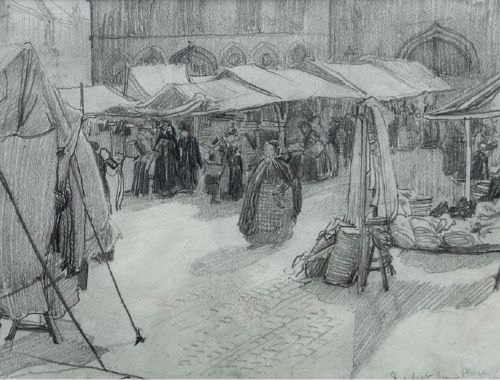
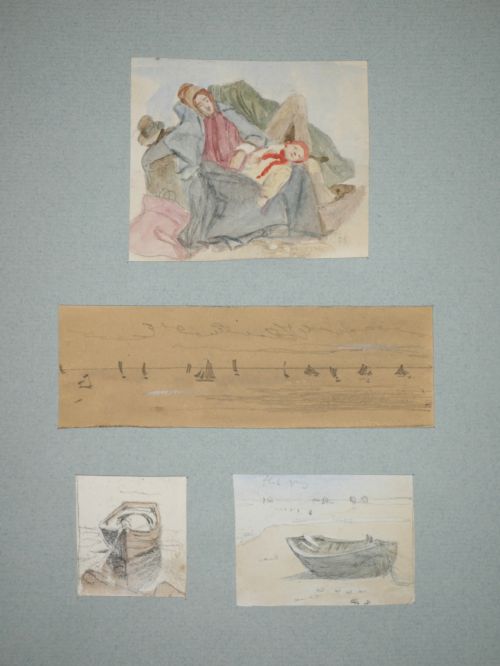
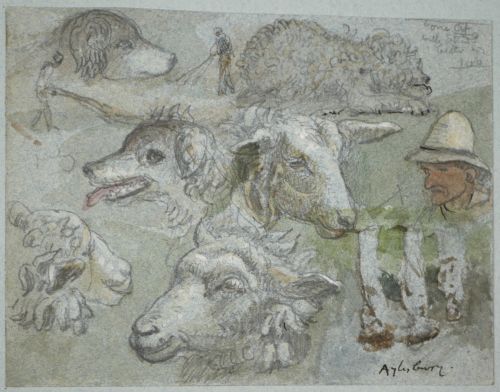
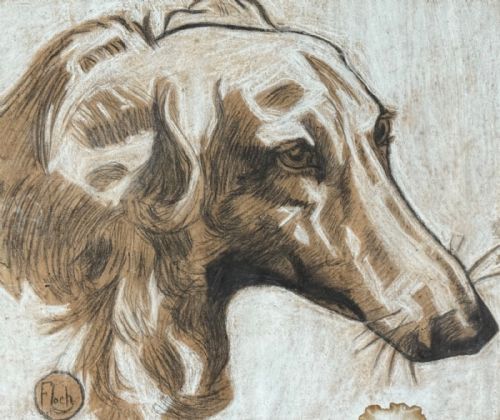
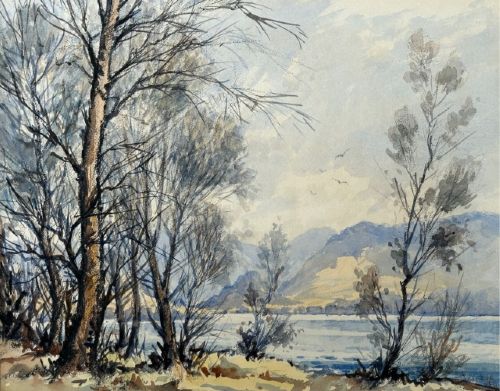
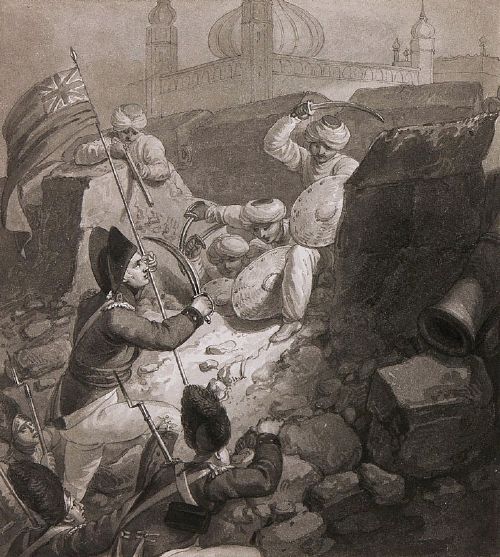
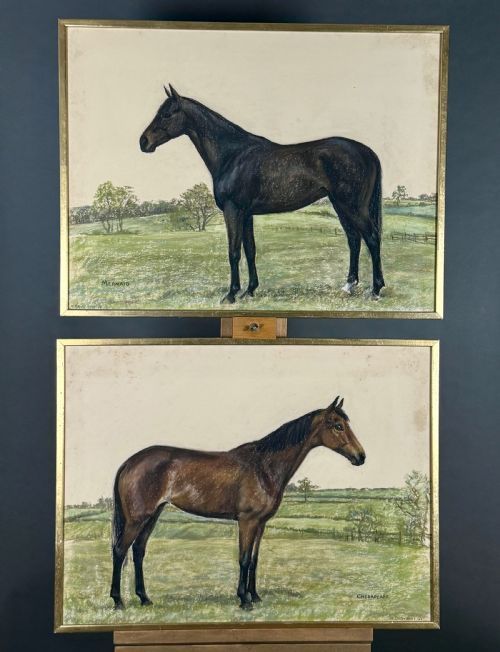
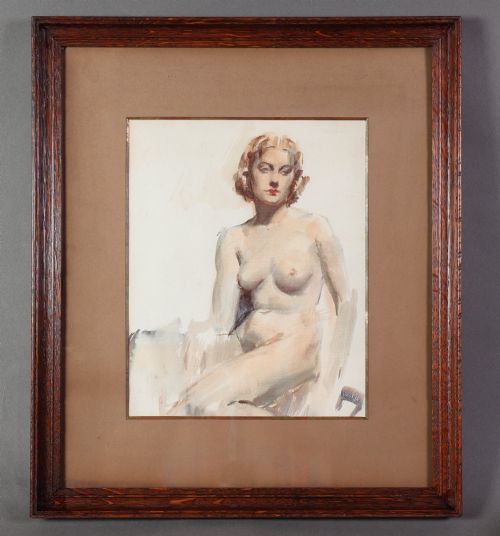
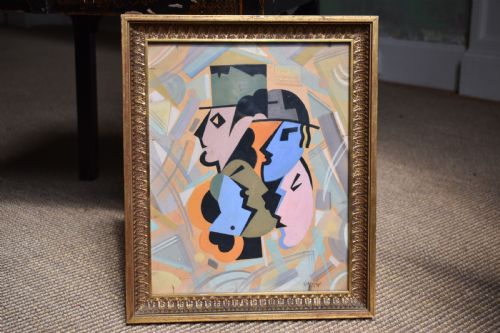
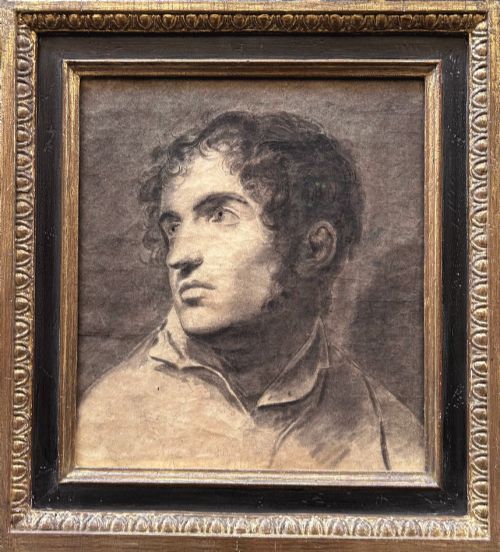
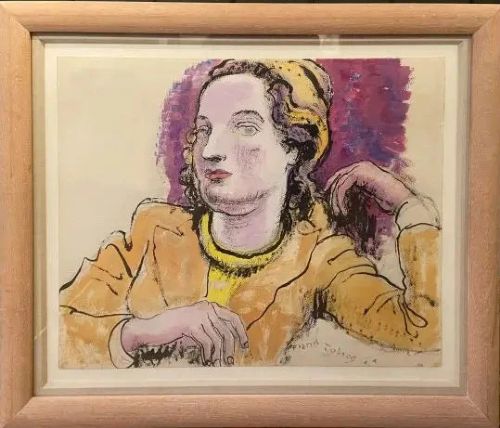
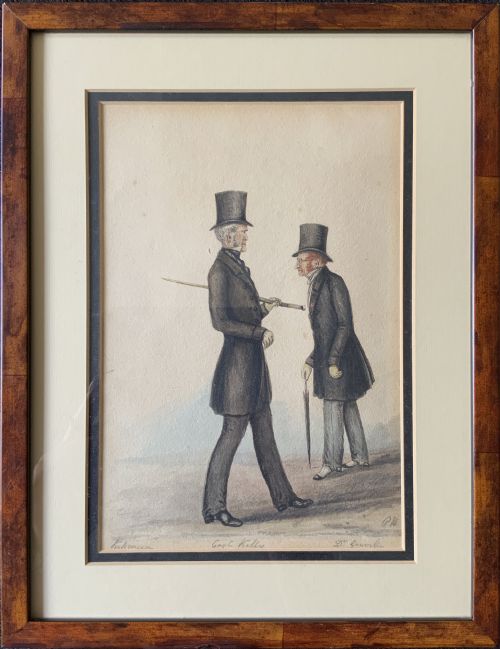
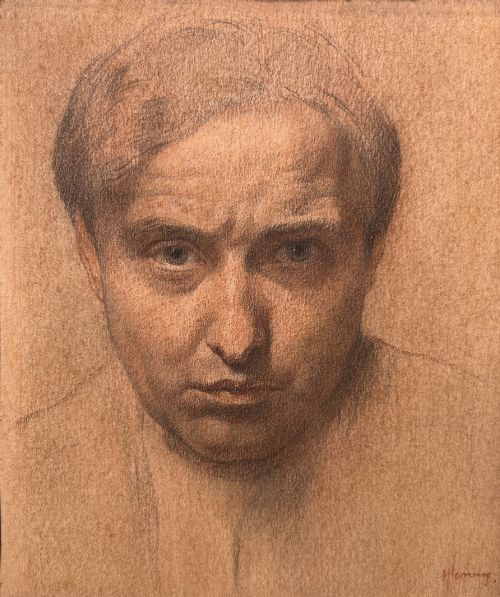
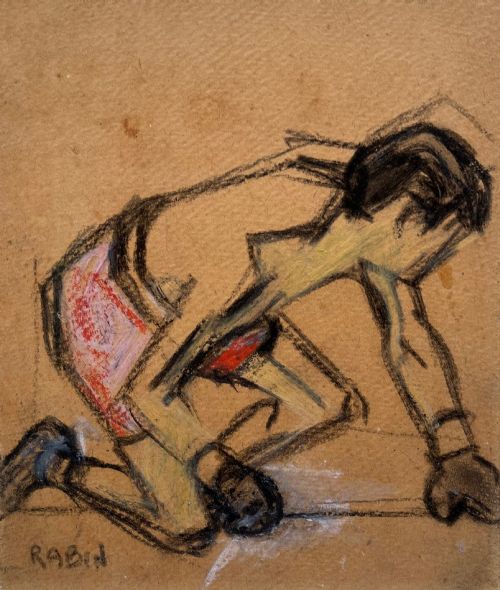
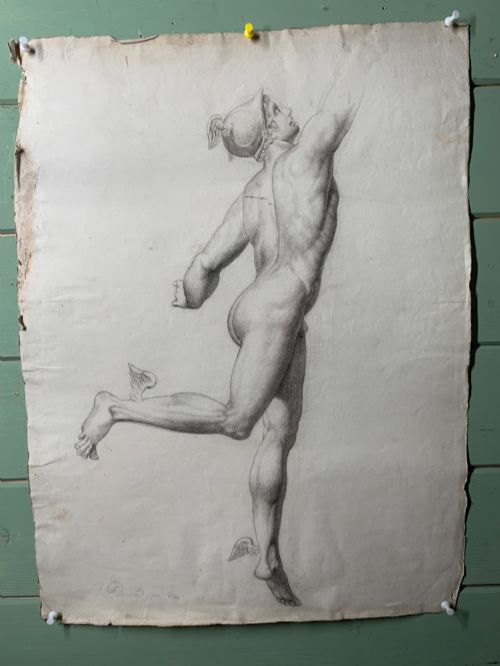
An original paper study embodies the preparatory or finished works on paper that span from the eighteenth century through to the mid-twentieth century. Buyers seeking these pieces encounter a diverse selection of framed artwork, drawings and paintings executed by named artists and regional schools.
The inventory on this page showcases a wide array of subject matter, ranging from academic life studies and portraiture to architectural designs and landscape sketches. These works capture the spontaneous execution of artists working in various British, French and continental traditions.
Most pieces date from the nineteenth and early twentieth centuries, reflecting academic training, observational practice and preparatory stages for larger finished compositions. Every sheet bears the physical marks of the creator's hand, preserved across generations.
Materials and technique
Artists executed these works using graphite, charcoal, pen and ink, watercolour, gouache or pastel applied directly to paper supports. Watermarked sheets, embossed paper and pith paper provide physical evidence of the varied surfaces utilised during different historical periods.
Techniques range from fine line drawing and delicate wash to bold gouache applications and multi-colour pastel layering. The combination of drawing media with washes of ink or watercolour allowed practitioners to rapidly build tone, shadow and form.
The listings feature works spanning the eighteenth, nineteenth and twentieth centuries, executed in watercolour, ink, graphite, charcoal and gouache.
Judging the quality of a study
Quality rests upon the confidence of the line, the anatomical or structural accuracy, and the economy of mark-making employed by the artist. A superior study demonstrates assured handling where every stroke contributes to the depiction of form, light and movement.
The preservation of the paper surface, the vibrancy of the remaining pigment and the clarity of the composition distinguish exceptional examples. Weaker works often exhibit hesitant corrections, static proportions or muddy colour mixing that obscure the vitality of the initial conception.
James Smetham·William Marshall Craig·Frank Dobson·Samuel Rabin·Ludwig van Beethoven·Dame Laura Knight·Michael Healy·Ralston Gudgeon·Augustus John·Henry Arthur Roberts·Lucien Gibert·William Frederick Settle·Alfred Dehodencq·Demetrios Galanis·Jacques Bellange
The Original Paper Study Glossary
- Wash
- A thin, transparent layer of diluted watercolour or ink applied with a brush to create tonal depth and shadow. This technique allows artists to establish atmospheric effects quickly beneath or over preliminary lines.
- Gouache
- An opaque water-based medium composed of ground pigments and a binding agent, often featuring added white to achieve solid coverage. It creates rich, velvety surfaces with greater opacity than standard watercolour.
- Pith paper
- A traditional delicate material formed from the pith of the rice-paper plant, utilised for detailed nineteenth-century export paintings. Its fibrous texture absorbs watercolour with distinct luminosity.
- Sanguine
- A reddish-brown chalk or crayon used historically for figure studies and preparatory sketches. The warm tone imitates flesh effectively and was favoured by academic draftsmen.
- Academic realisms
- A style of painting and drawing produced under the influence of European academies of art, prioritising strict anatomical accuracy and traditional techniques. These studies served as rigorous training exercises for young practitioners.
Original Paper Study: Frequently Asked Questions
What is an original paper study?
An original paper study is a hand-drawn or painted work executed on paper, typically serving as a preparatory sketch, life study or independent artistic exercise.
These pieces reveal the direct working methods and observational skills of artists before the finalisation of large canvas paintings or prints.
How should I frame a paper study?
Paper studies require conservation framing with acid-free mounts and UV-protective glass to prevent fading and deterioration caused by light exposure.
Keeping the paper from touching the glass directly ensures the delicate charcoal, pastel or watercolour pigments remain stable over time.
How do I identify the period of a drawing?
Dating relies on examining the watermark in the paper stock, the framing style, the clothing or hairstyles of any figures, and the handwritten notes on the reverse.
Comparing the handling of the medium to established academic techniques of the eighteenth or nineteenth centuries also helps narrow the era.
Were these studies meant to be finished artworks?
Many studies were created purely as anatomical exercises, landscape notes or compositional trials rather than items intended for public exhibition.
Collectors often prize this unfinished quality because it exposes the spontaneous creative decisions and raw talent of the maker.