
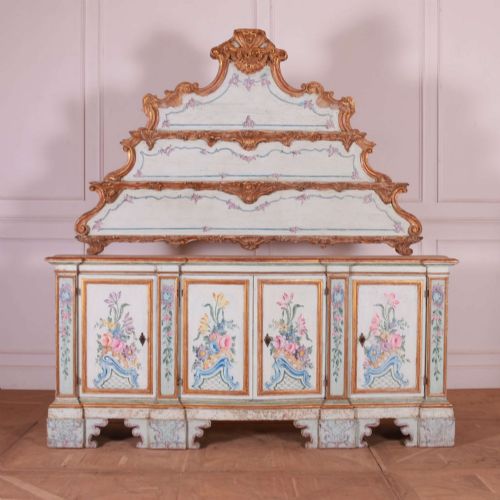
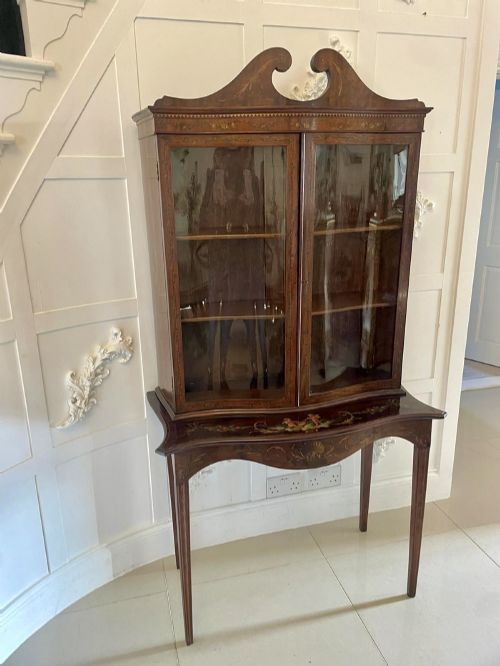
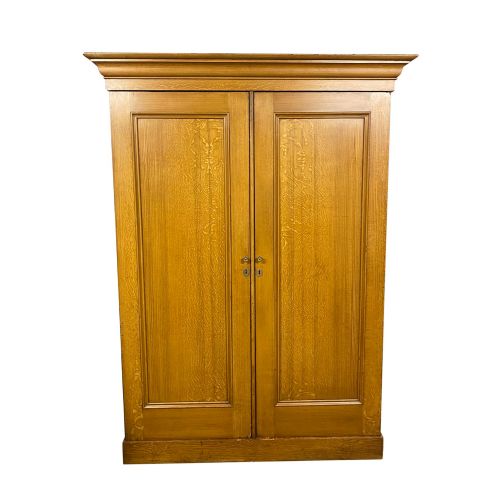
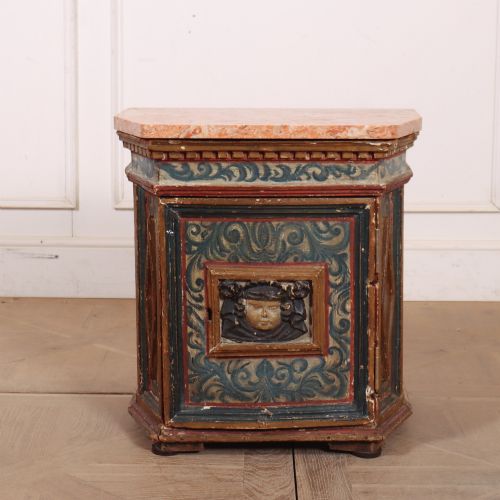
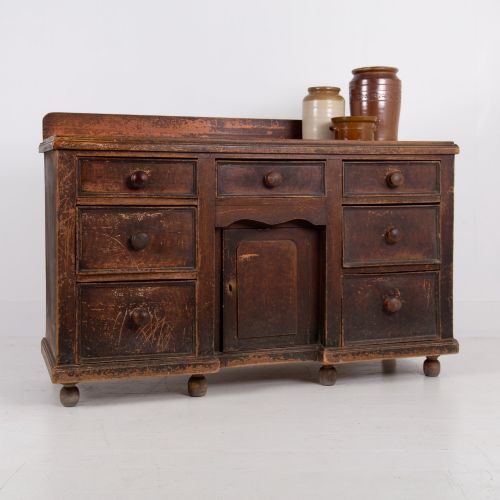
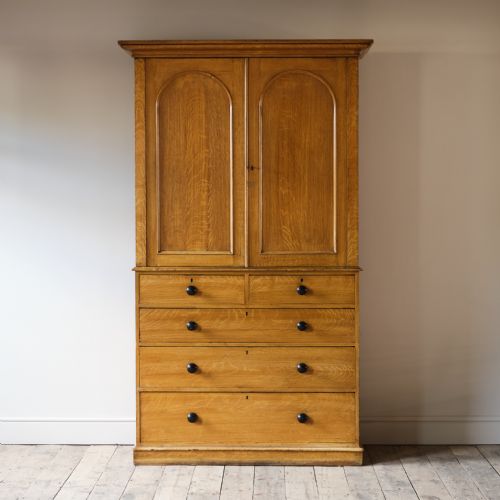
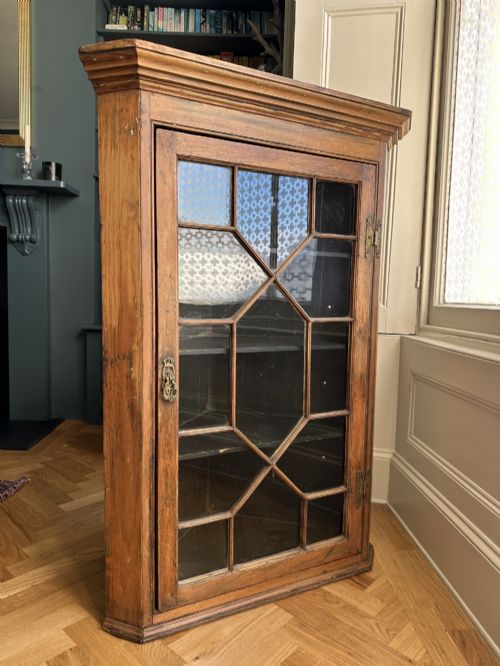
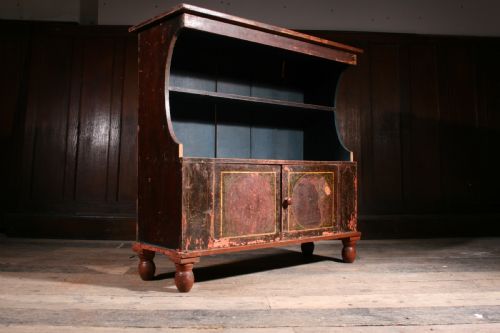


Original Painted Cupboard
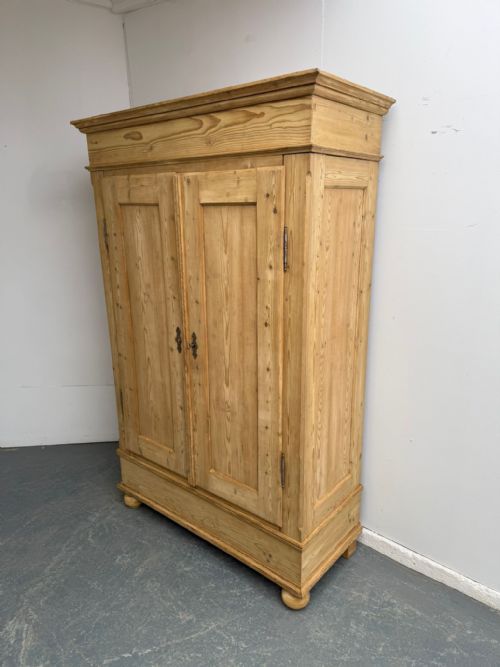
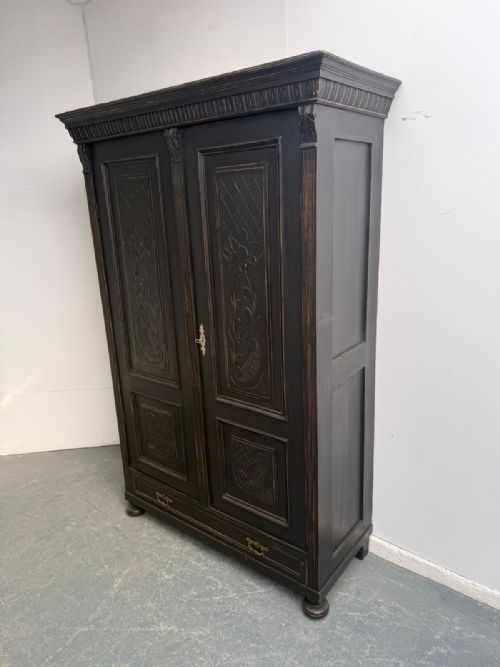
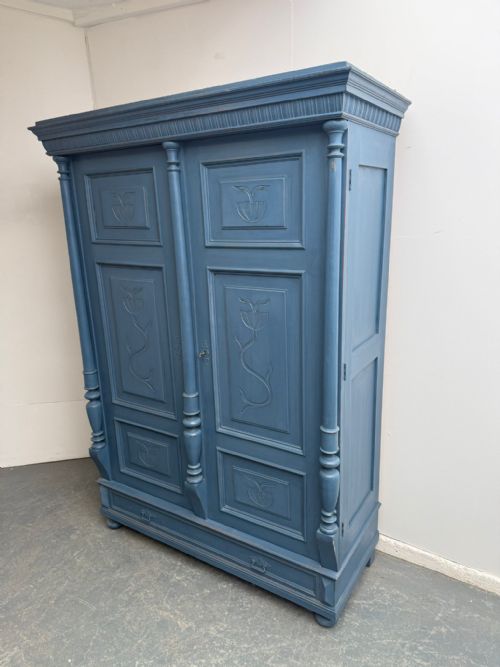
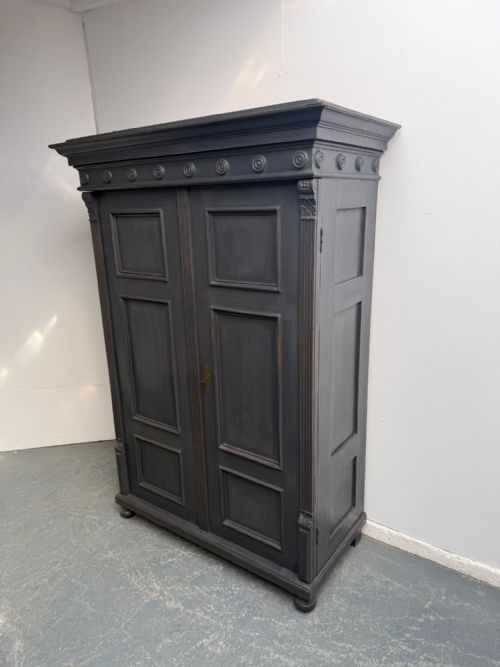
An original painted cupboard brings surface depth and domestic history into a room, spanning rustic pine country furniture to formal Georgian and continental pieces.
Original Painted Cupboard
An original painted cupboard encompasses domestic storage forms such as housekeepers' cupboards, linen presses, wall cupboards, and kitchen dressers preserved with their historic surface coatings. The selection spans robust English pine furniture alongside continental examples from Hungary, Sweden, Austria, and Italy, reflecting diverse regional vernacular traditions.
The periods represented stretch from the eighteenth century through the Victorian era and into the early twentieth century, showing utility across farmhouses, country houses, and urban dwellings. Buyers frequently encounter pine, oak, and other timbers bearing layers of historic colour, scumble glaze, or decorative motifs applied decades or centuries ago.
How they were made
Carpenters and joiners constructed these carcases primarily from solid pine and oak, utilising traditional pegged joints, panelled doors, and dovetailed drawer construction to ensure structural longevity. Iron, brass, and glass fittings complete the hardware, with hinges and latches often retaining their original patina.
The defining characteristic remains the surface finish, applied using historic paint media that range from simple lead-based colours and scumble faux oak graining to elaborate decorative schemes. These coatings survived through generations of domestic use, often scraping back to reveal earlier underlying tones or retaining genuine remnants of regional pigment.
Listings feature pine, oak, brass, glass, and iron across eighteenth-century, Georgian, and Victorian periods.
What varies in quality
Quality rests primarily on the integrity and survival of the original surface coat, distinguishing pieces with untouched historic layers from those bearing later heavy-handed overpainting or modern stripping. The proportion, architectural moulding, and timber selection further separate standard utility pieces from finely detailed regional expressions.
Structural honesty plays a vital role, where original backs, shelves, and internal fittings retain their functional purpose without extensive modern timber replacement. The sophistication of the regional style, whether provincial English country work or elaborate continental decoration, governs the desirability of the piece.
The Original Painted Cupboard Glossary
- Scumble
- A translucent layer of dark glaze dragged or brushed over a lighter base coat to imitate the grain of expensive timbers like oak.
- Linen Press
- A tall double-door storage carcase traditionally designed with sliding trays or shelves in the upper section for household textiles.
- Housekeeper's Cupboard
- A substantial multi-door utility cabinet historically used in large country houses for storing provisions, linens, and domestic equipment.
- Astragal
- A small semi-circular moulding used to divide panes of glass within glazed cabinet doors, typical of formal eighteenth-century bookcases.
- Carcase
- The main structural body or shell of a piece of furniture, excluding doors, drawers, and removable cornices.
Original Painted Cupboard: Frequently Asked Questions
What is an original painted cupboard?
An original painted cupboard is a historic piece of furniture that retains the paint finish applied during its period of manufacture or early use, rather than a modern decorative coating.
These utilitarian storage pieces served domestic spaces for centuries, preserving the authentic colours and textures recorded by historical joinery traditions.
How do I identify original paint?
Examining the microscopic layering, crackle patterns, and wear around handles and edges helps determine whether a finish is historic.
Signs of age include natural oxidisation of the medium, integration with the underlying timber, and consistency with regional palettes from the eighteenth and nineteenth centuries.
Where were these cupboards made?
Makers constructed these cabinets across England, Scotland, and various continental regions including Hungary, Sweden, Austria, and Italy.
Each geographic area utilised local softwoods and hardwoods alongside distinct decorative techniques, producing regional characteristics visible in the mouldings and proportions.
How do I care for historic painted furniture?
Protecting the fragile surface requires maintaining stable room humidity and avoiding harsh chemical cleaning agents that strip historic pigments.
Light dusting with a dry cloth preserves the delicate balance of the aged paint layer without disturbing the underlying timber carcase.